Quick Answer
Buy core sliders first if your goal is core control, stability, and low-impact movement quality. Buy resistance bands first if your goal is adding adjustable load for strength, toning, and flexibility work. If you can only choose one and you're new to home Pilates, sliders give you more core-specific feedback per dollar; bands give you more total exercise variety.
What Each Tool Actually Trains
Core sliders work on a low-friction surface, so your hands or feet glide while your trunk resists extension, rotation, or collapse. That makes them a control and stability tool: the challenge is managing your own bodyweight through range, not adding external load. Most slider work is slow, deliberate, and easy to scale by shortening your lever or reducing range.
Resistance bands add elastic tension that increases as you stretch them. That makes them a strength and mobility tool: you can load pressing, pulling, and hip work, and you can change difficulty by choosing a lighter or heavier band or by adjusting your starting distance. Unlike sliders, bands let you train muscles through a pulling pattern without needing a machine or dumbbells.
Trade-Offs That Matter at Home
Sliders are compact, quiet, and inexpensive, but they are limited to bodyweight movements and floor space. They also demand more coordination, so beginners may need a few sessions to feel stable. Bands are equally portable and store in a travel bag, but elastic tension is hardest at the end range, which can feel awkward for some shoulder or hip movements. Bands also wear over time and need checking for nicks.
For core-specific work, sliders give clearer feedback because any loss of trunk control shows up immediately as wobble or momentum. For overall strength and flexibility, bands cover more ground because you can load multiple joints and directions. Neither tool replaces the other entirely; they simply solve different problems.
How to Choose Based on Your Goal
If you want a stronger, more controlled core and you already do mat or reformer-style work, start with sliders. If you want to add resistance for arm, shoulder, glute, and hip exercises, or you want a tool for warm-ups and flexibility drills, start with a band. If you're building a small home kit, a light and a medium band plus sliders covers most bodyweight and resistance needs without taking up much space.
Trade-Offs at a Glance
- Core sliders: Best for core control and stability using bodyweight; limited to floor-based movements and require more coordination. Choose sliders if your priority is a stronger, more controlled trunk.
- Resistance bands: Best for adjustable strength, toning, and flexibility work; elastic tension increases with stretch and bands wear over time. Choose bands if your priority is adding resistance across more exercises.
- Light vs medium band: Light band suits mobility and higher-repetition work; medium band suits users ready for more resistance in glute, shoulder, and hip exercises. Start light if you're new; move to medium when light feels easy.
Product Facts
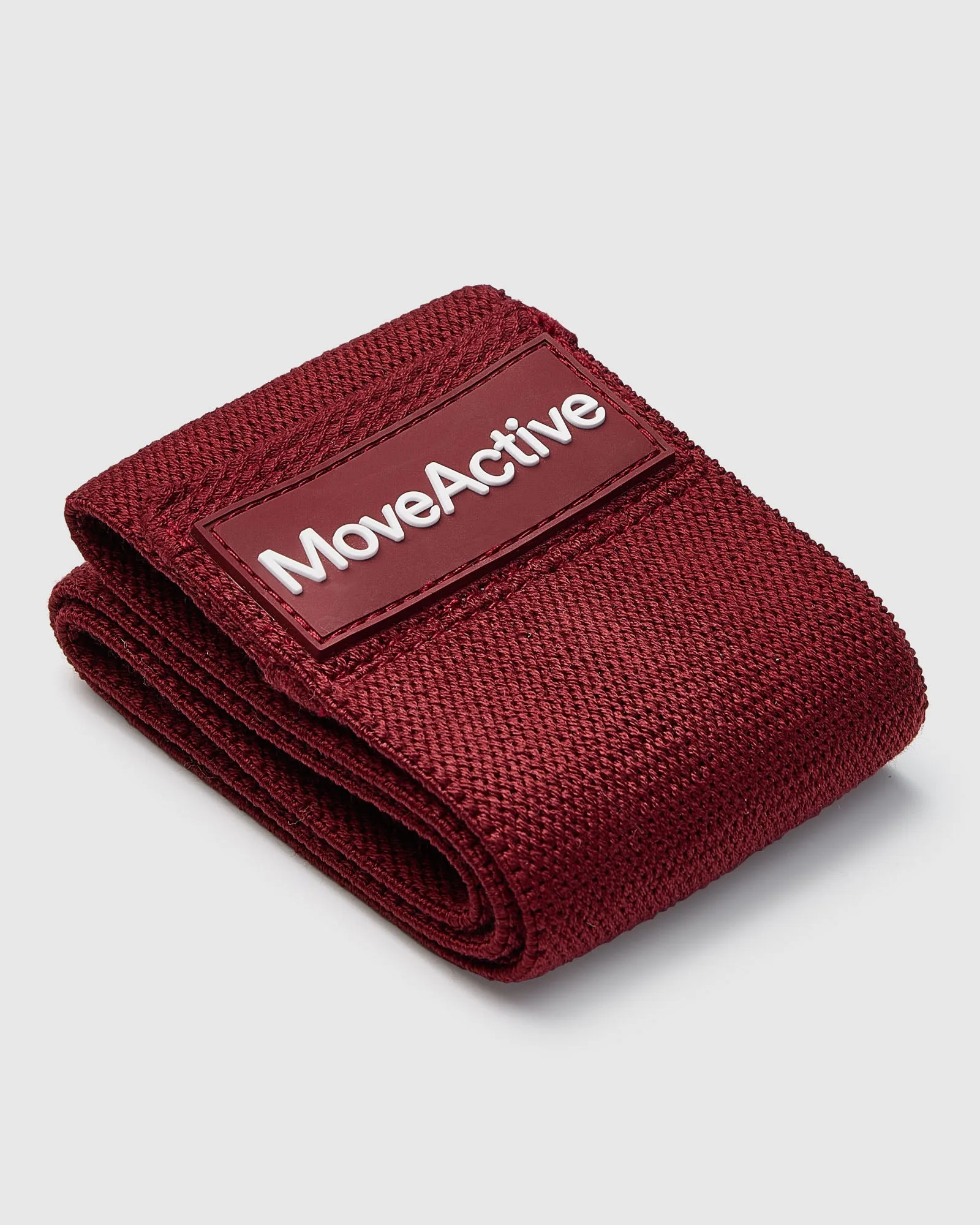
- Light Resistance Band - Cabernet: Light Resistance Band - Cabernet: durable and versatile design, improves strength, tones muscles, and enhances flexibility; compact and portable, includes a travel bag. A light band is the better first pick for mobility, warm-ups, and higher-repetition toning work where you want tension without heavy load.
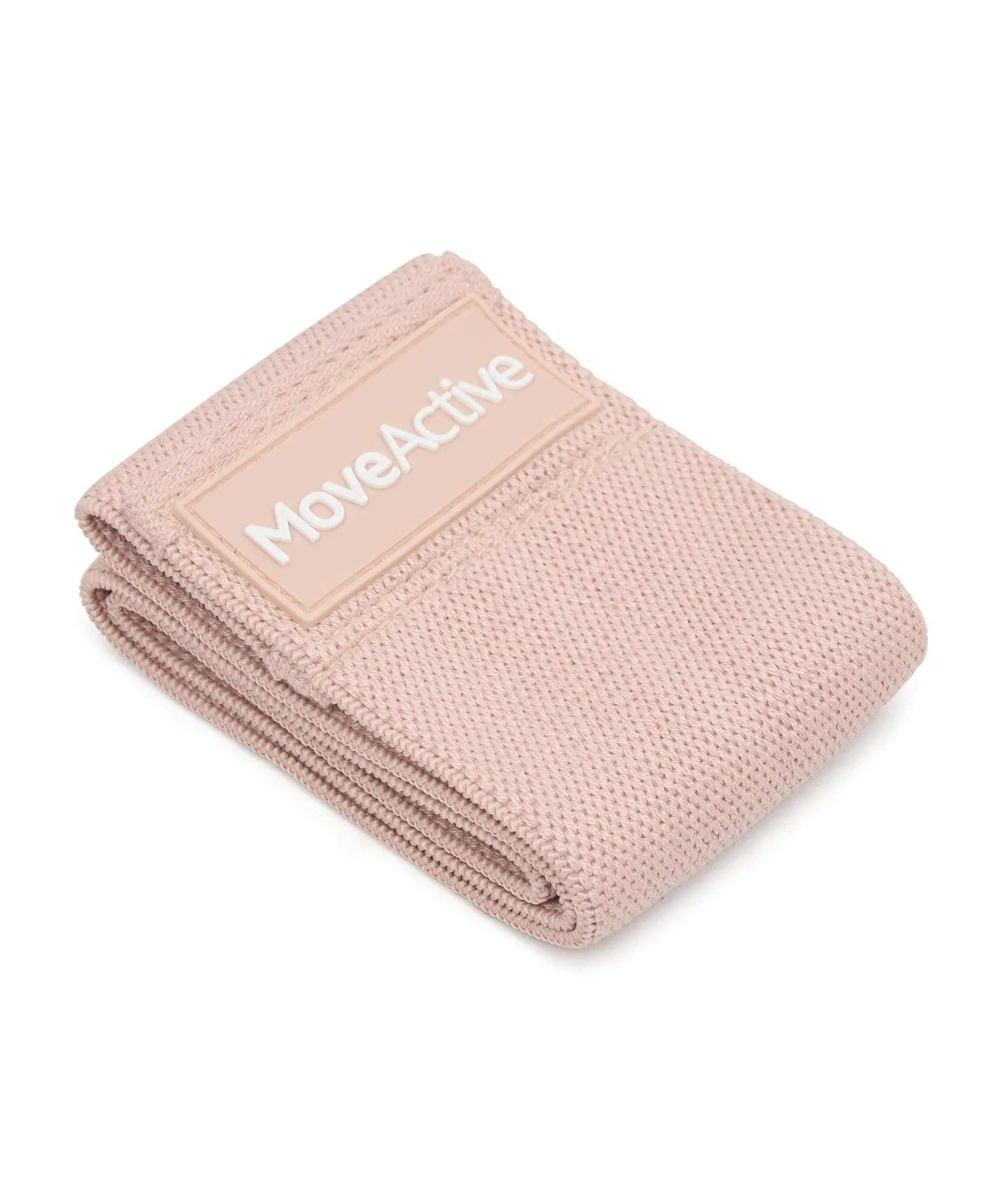
- Medium Resistance Band - Soft Pink: Medium Resistance Band - Soft Pink: durable and versatile design, improves strength, tones muscles, and enhances flexibility; compact and portable, includes a travel bag. A medium band adds more resistance for glute, shoulder, and hip exercises, so it suits users who already train consistently and want progression.
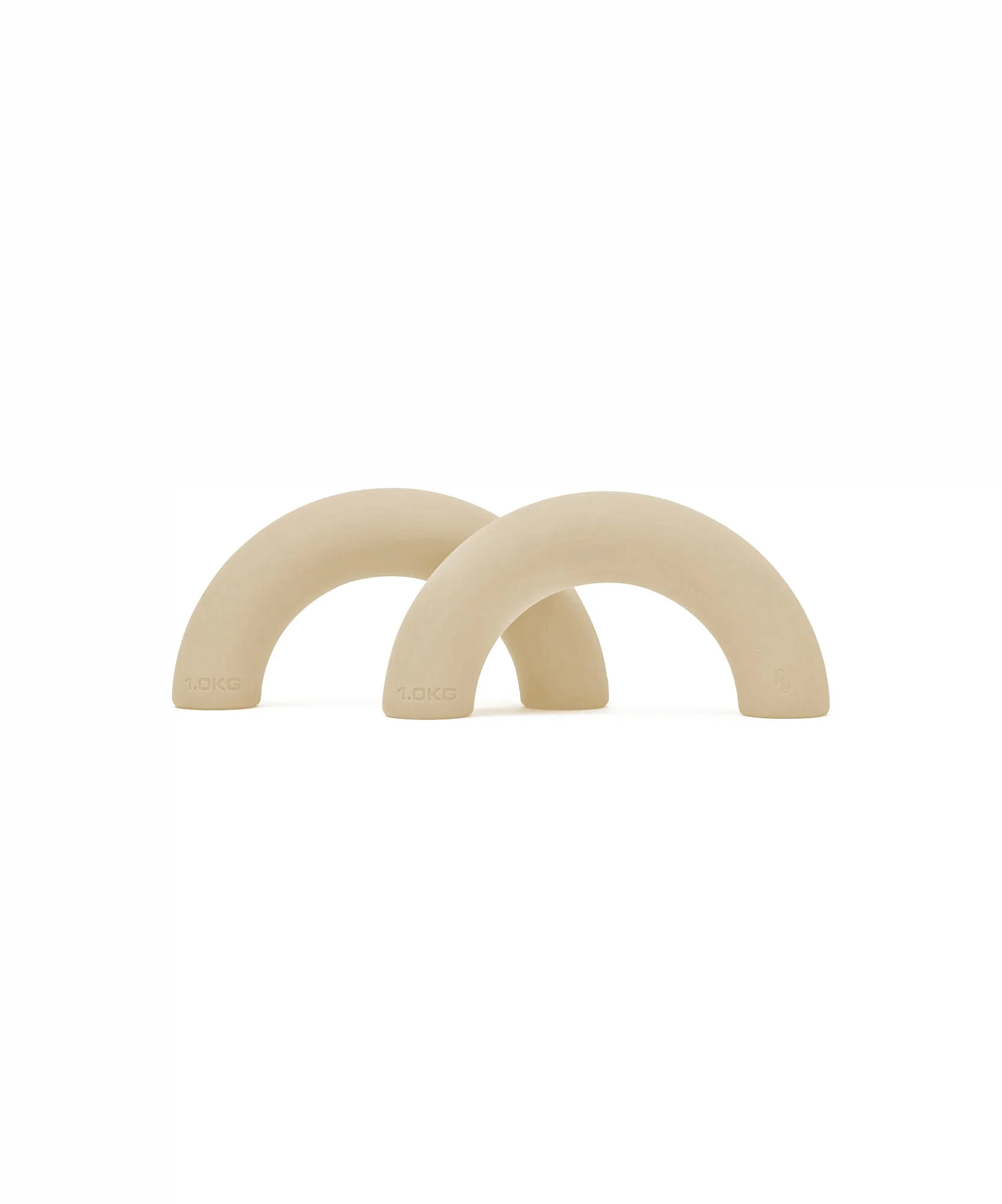
- Curved Weight Bars - Almond 1kg: Curved Weight Bars - Almond 1kg: 2 x 1kg hand weight bars, 17.5cm x 3.5cm, 100% iron inner with 100% silicone outer, wipe clean with mild detergent. If you want light external load for flowing sequences rather than elastic tension, these curved bars give you a fixed weight option that pairs well with slider or band work.
Which Should You Buy First?
Best for
- Home Pilates practitioners focused on core control and stability
- Low-impact training where bodyweight challenge is enough
- Small spaces where a compact floor tool is preferred
Not for
- Users who want to add external resistance to arm, shoulder, and hip exercises
- Anyone seeking a single tool for both strength loading and flexibility work
- Beginners who prefer guided resistance over balance-based coordination