Quick answer
Choose wrist weights if you want constant, low-impact load for walks, arm pulses or bodyweight circuits, and you prefer gear that stays on without adjusting. Choose resistance bands if you want adjustable tension for warm-ups, upper-body pulls and travel-friendly sessions. They solve different problems, so buy the one that matches your main activity first, then add the other.
What each tool actually does
Wrist weights add fixed resistance through gravity. Once they are on, every arm swing, pulse or step carries the same load, which makes them useful for low-impact strength training and power walks. Resistance bands work the opposite way: tension changes with how far you stretch the band, so you can make an exercise easier or harder without changing the band itself. That difference is the core of any small workout equipment comparison.
How to judge load, adjustability and portability
Wrist weights are simple to load and unload because the weight is fixed, but that also means you cannot fine-tune resistance mid-set. Bands are more adjustable, but they demand attention to anchoring and band condition. For portability, bands usually pack smaller, while wrist weights stay ready to wear. Neither is objectively better; the right pick depends on whether you value constant load or variable tension.
A simple way to test which suits you
Before buying, run a one-week test with what you already own. Do three sessions of walking or bodyweight work with a loaded backpack or water bottles, and three sessions using a towel or existing band for rows and presses. Notice which format you actually reach for when you are tired or short on time. That habit is a better predictor than any spec sheet.
Trade-offs at a glance
- Constant load vs adjustable tension: Wrist weights keep the same resistance throughout a movement, while bands change tension as you stretch them. Constant load is easier to track; adjustable tension is easier to progress. Pick wrist weights for predictable loading, bands for scalable difficulty.
- Setup and portability: Wrist weights go on in seconds and stay put, but they are bulkier to pack. Bands need an anchor or a grip and take a moment to set, but they fold into a small space. Choose based on whether you train in one spot or move around.
- Exercise range: Wrist weights suit arm swings, pulses, walks and some bodyweight circuits. Bands suit rows, presses, pull-aparts and lower-body activation. Match the tool to the movement pattern you do most.
Product facts
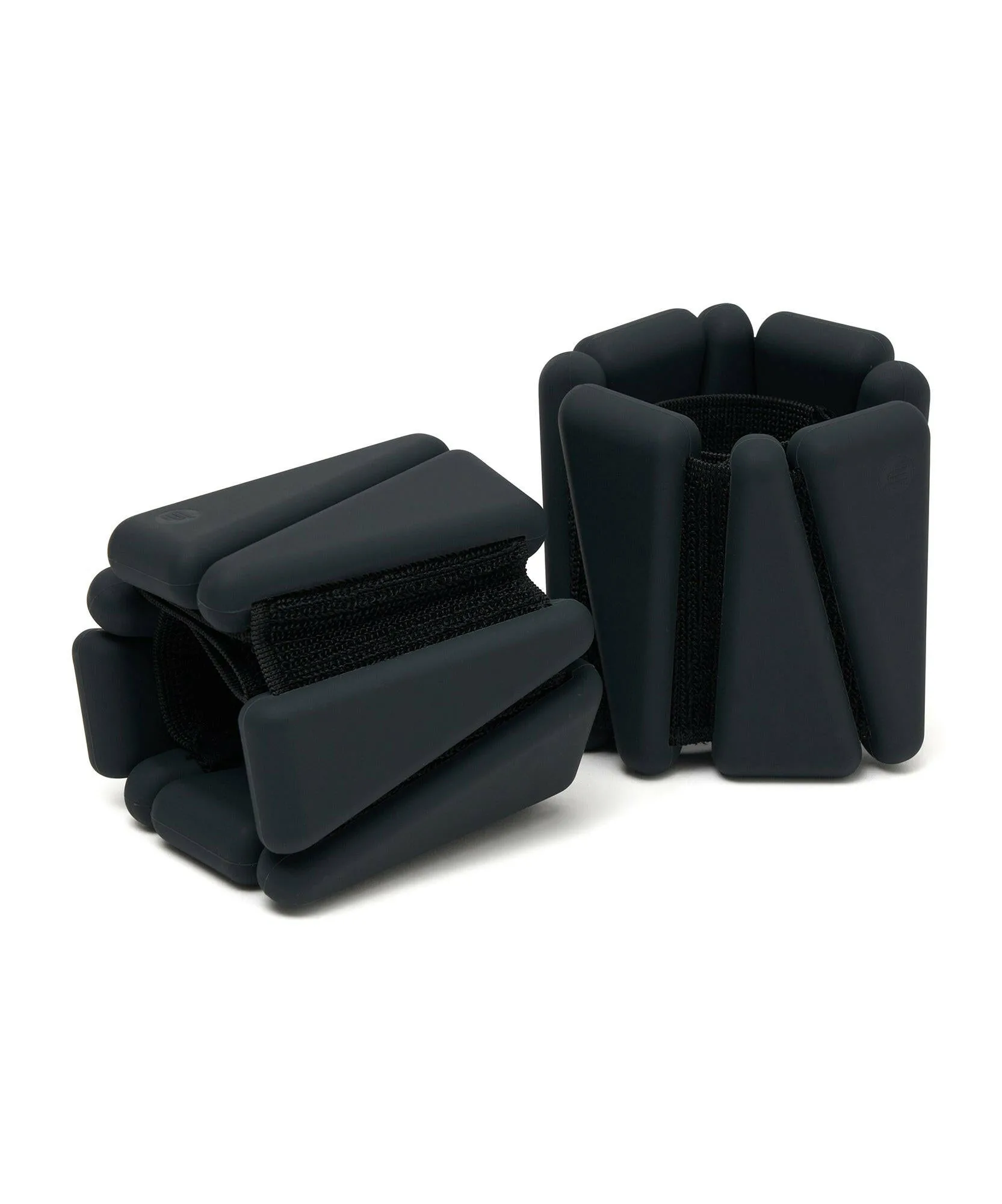
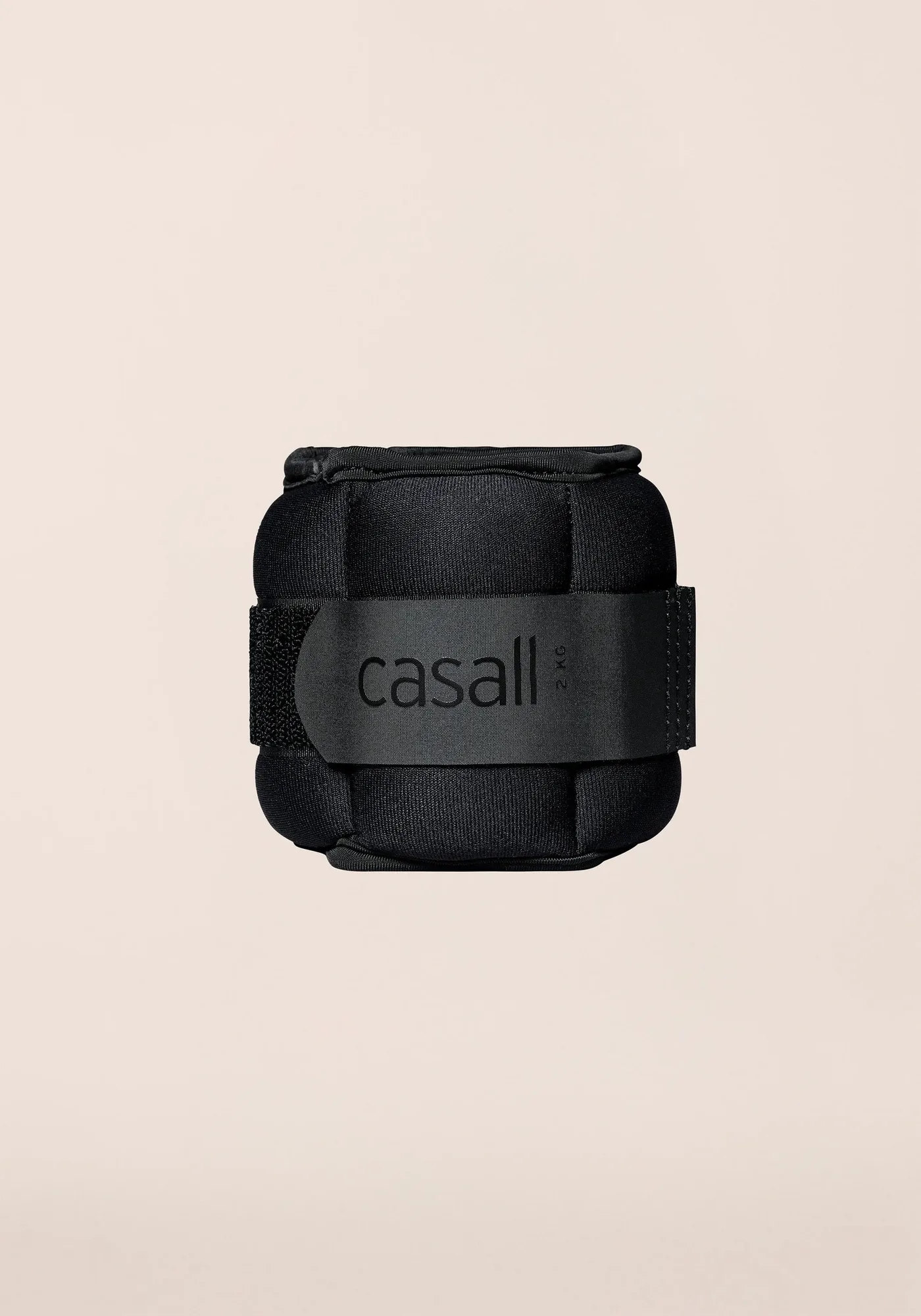
- Wrist Weights 2x2kg - Black: Wrist Weights 2x2kg - Black are designed to be comfortable, easy to use and ready for all your workouts, and are described as perfect for home training and power walks. If your routine is built around walking or low-impact strength, this set gives you a fixed 2 kg load per wrist without setup.
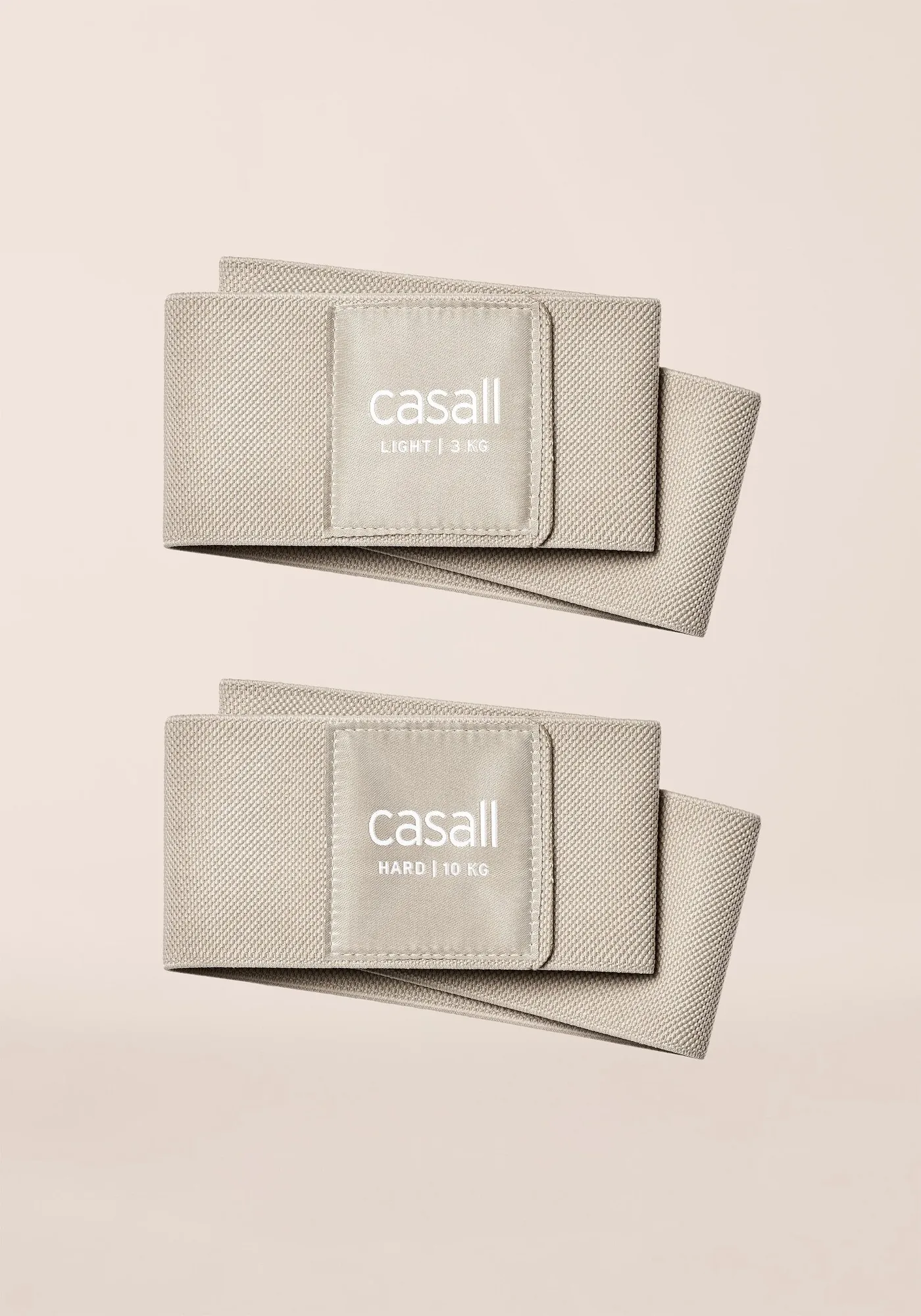
- Resistance Bands 2-pack - Light Cashmere: Resistance Bands 2-pack - Light Cashmere has two different resistance levels and is designed to strengthen both your lower and upper body. Two levels let you progress or regress an exercise without buying a second product, which suits warm-ups and travel sessions.
Which should you choose?
Best for
- Walkers and low-impact strength training who want fixed resistance without setup
- People who prefer gear that stays on the body during movement
- Home workout tools for arm-focused or walking-based routines
Not for
- Users who need fine-tuned resistance changes within a single set
- Travelers who prioritize packing the smallest possible kit
- Exercises that require pulling or anchoring tension