Quick answer
Cork sleeve discoloration is normal. Natural cork darkens as it absorbs oils from your hands and small amounts of coffee or tea, and no cleaning method will reverse that entirely. To keep a cork sleeve looking its best, wipe it with a damp cloth and mild soap, let it dry fully, and avoid soaking it. If the color shift bothers you, a replacement sleeve is an option on KeepCup® designs that support part replacement.
Why does a cork sleeve change color?
Cork is the bark of a tree, so every band starts with its own grain, pore pattern, and base tone. When you hold a cup, the natural oils on your skin transfer to the cork. Coffee, tea, and other drinks can also leave tiny amounts behind near the rim or where the band meets the glass. Over time, those additions darken the surface unevenly, which is why one side of the sleeve often looks deeper in color than the other.
This is a material property, not a sign that the cork is failing. The same porous structure that gives cork its comfortable, slightly grippy feel is what takes in those trace oils. A sleeve that has been used daily for months will usually look different from a new one, and that is expected.
How to clean a discolored cork sleeve without making it worse
Start with the gentlest method and stop when the sleeve looks acceptable to you. Mix a drop of mild dish soap into lukewarm water, dip a soft cloth, and wipe the cork band. Do not submerge the sleeve or run it under a strong stream. Rinse the cloth, wipe again with clean water, and then let the sleeve air dry completely away from direct heat before you put it back on the cup.
If a stain remains after one gentle pass, repeat the wipe rather than scrubbing harder. Abrasive sponges, stiff brushes, and concentrated cleaners can rough up the cork surface, which tends to make future staining look worse. For everyday maintenance, a quick dry wipe after each use prevents oils from building up in the first place.
Cork sleeve care myths that cause more harm than good
A common belief is that you can bleach or boil a cork sleeve back to its original color. Both approaches are risky: bleach can dry out and weaken the cork, and boiling can warp the band so it no longer sits snugly on the glass. Another myth is that a dishwasher is fine because the cup is glass. The glass may survive, but the cork band is the vulnerable part, and repeated heat and moisture exposure will shorten its useful life.
You may also hear that oiling a cork sleeve will restore its color. Adding oil can darken the cork further and attract more dust, so it usually moves you away from the look you wanted. The practical approach is acceptance plus gentle cleaning, not restoration.
When discoloration means it is time to replace the sleeve
Color change alone is not a reason to replace anything. Replace the sleeve when it stops doing its job: if the cork feels loose, crumbles at the edges, or no longer gives you a comfortable grip. Because KeepCup® designs allow for easy replacement of lost or damaged parts, you can often swap just the band instead of buying a whole new cup. That keeps a well-used glass body in service and reduces waste.
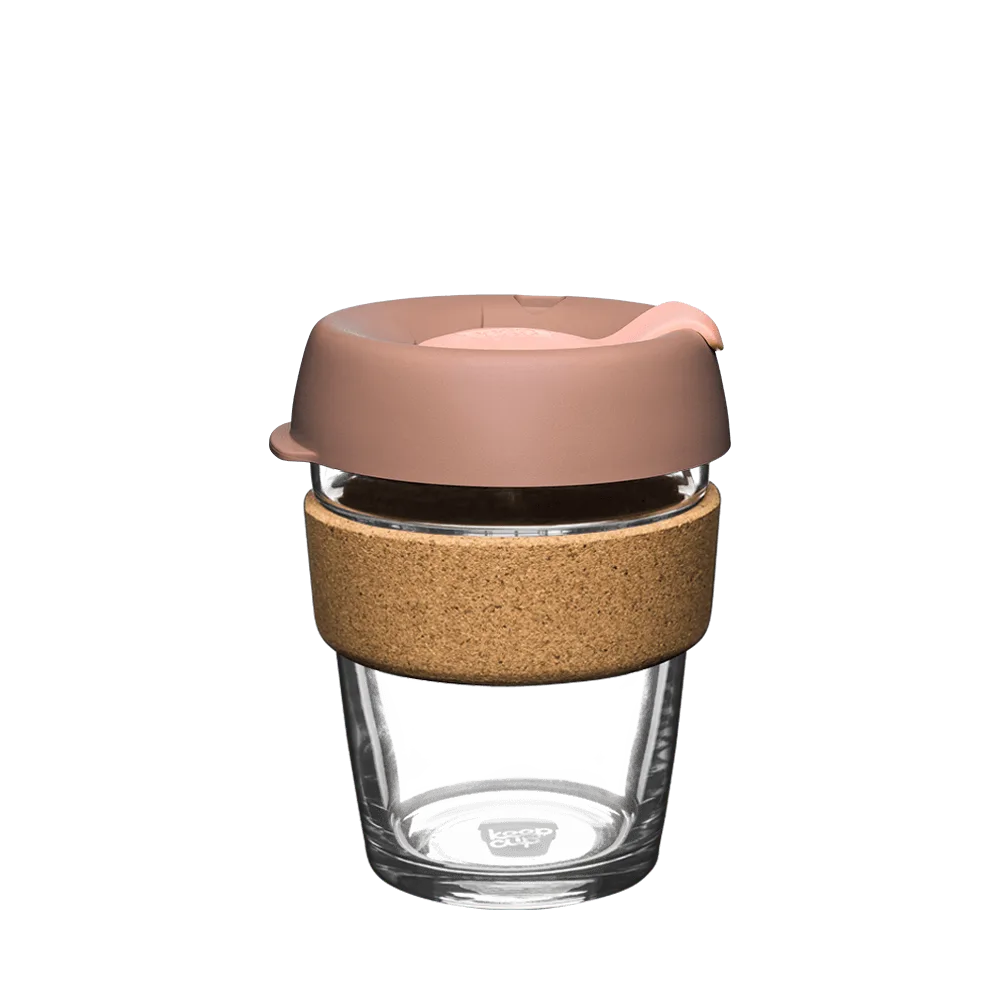
If you are starting fresh, the Brew Cork Glass Cup and the https://keepcupecj.com/products/ace-recycled-cork-glass-cup-305393https://keepcupecj.com/products/ace-recycled-cork-glass-cup-305394https://keepcupecj.com/products/ace-recycled-cork-glass-cup-305395https://keepcupecj.com/products/ace-recycled-cork-glass-cup-305396Ace Recycled Cork Glass Cup both use a cork band over a glass body, so the same care rules apply. A new sleeve will look uniform at first and gradually take on its own character with use.
Myths about cork sleeve discoloration: verdicts
- Discoloration means the cork is defective: Cork is a natural material that darkens as it absorbs skin oils and trace drink residue. This is normal aging, not a manufacturing fault. Verdict: myth. Expect some color shift with regular use.
- You can bleach or boil a cork sleeve back to its original color: Bleach can dry out and weaken cork, and boiling can warp the band so it no longer fits snugly. Neither is a safe restoration method. Verdict: myth. Stick to a damp cloth and mild soap.
- A discolored cork sleeve always needs to be replaced: Replace the sleeve only when it becomes loose, crumbles, or stops giving you a comfortable grip. Color alone is not a reason to replace it. Verdict: myth. Function, not appearance, is the signal to replace.
KeepCup® options with cork bands
- Brew Cork Glass Cup: The Brew Cork Glass Cup has a glass body and a natural cork band for a comfortable, secure hold. The cork band is the part that changes color with use, so knowing it is a distinct component helps you clean it correctly and replace it if needed.
- Ace Recycled Cork Glass Cup: KeepCup® designs premium reusable products with easy replacement of lost or damaged parts. If your cork sleeve becomes loose or worn, you may be able to replace just that part instead of the entire cup.
- Brew Cork Glass Cup: The Brew Cork Glass Cup is a reusable option with a glass body and a cork band that provides insulation and a comfortable hold. The cork band adds grip and a bit of insulation, so caring for it properly keeps the cup comfortable to use every day.