Quick Answer
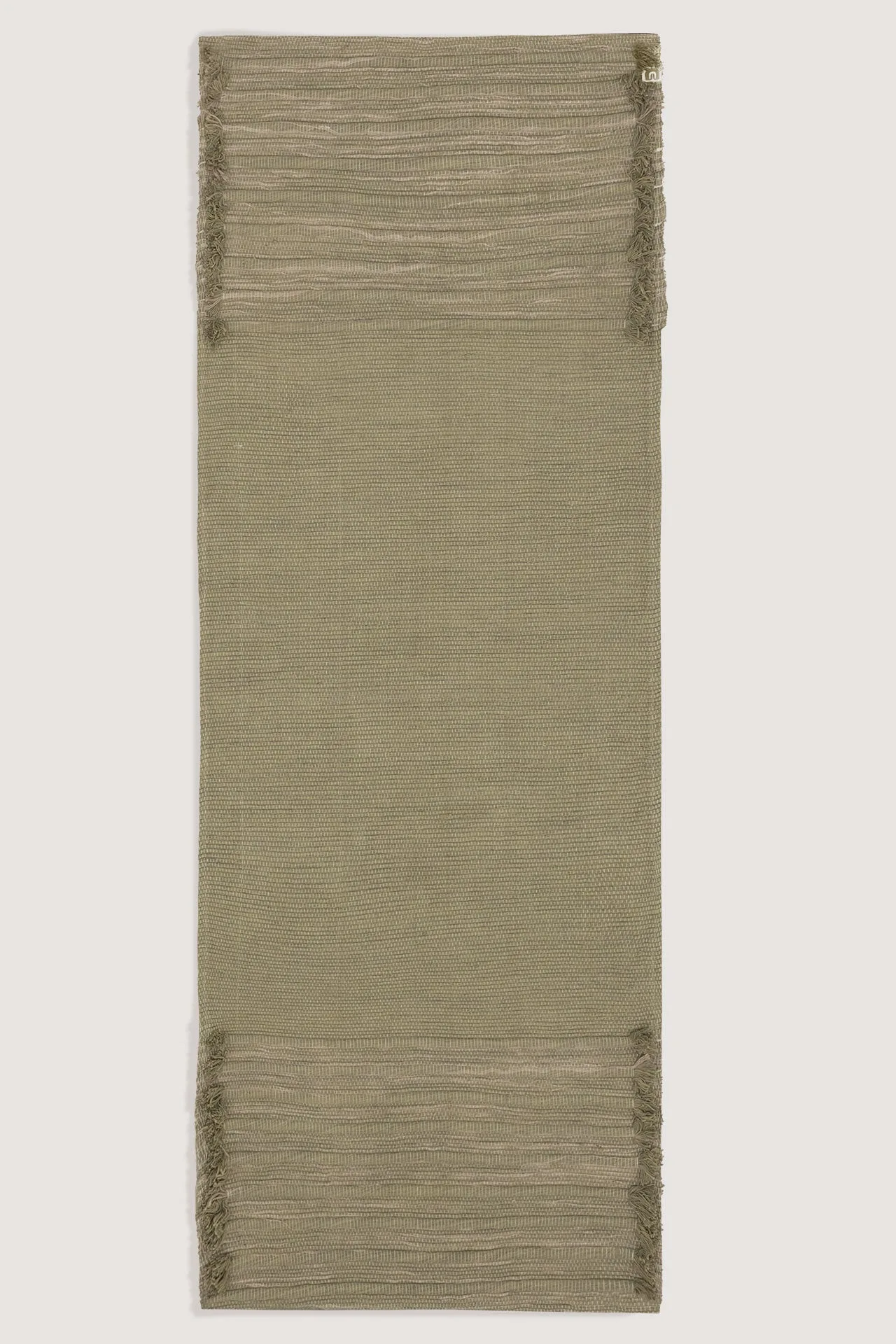
Choose the Jade & Jute - Herbal Yoga Mat if you want a softer, thicker, cotton-and-jute surface with a cushy feel and a naturally dyed finish. Choose cork if you prioritize a dense, firm surface that grips harder as you sweat. Neither is universally better; the deciding factors are how much cushion you want, how much you sweat, and whether you prefer a plush or firm feel underfoot.
How the Two Surfaces Actually Differ
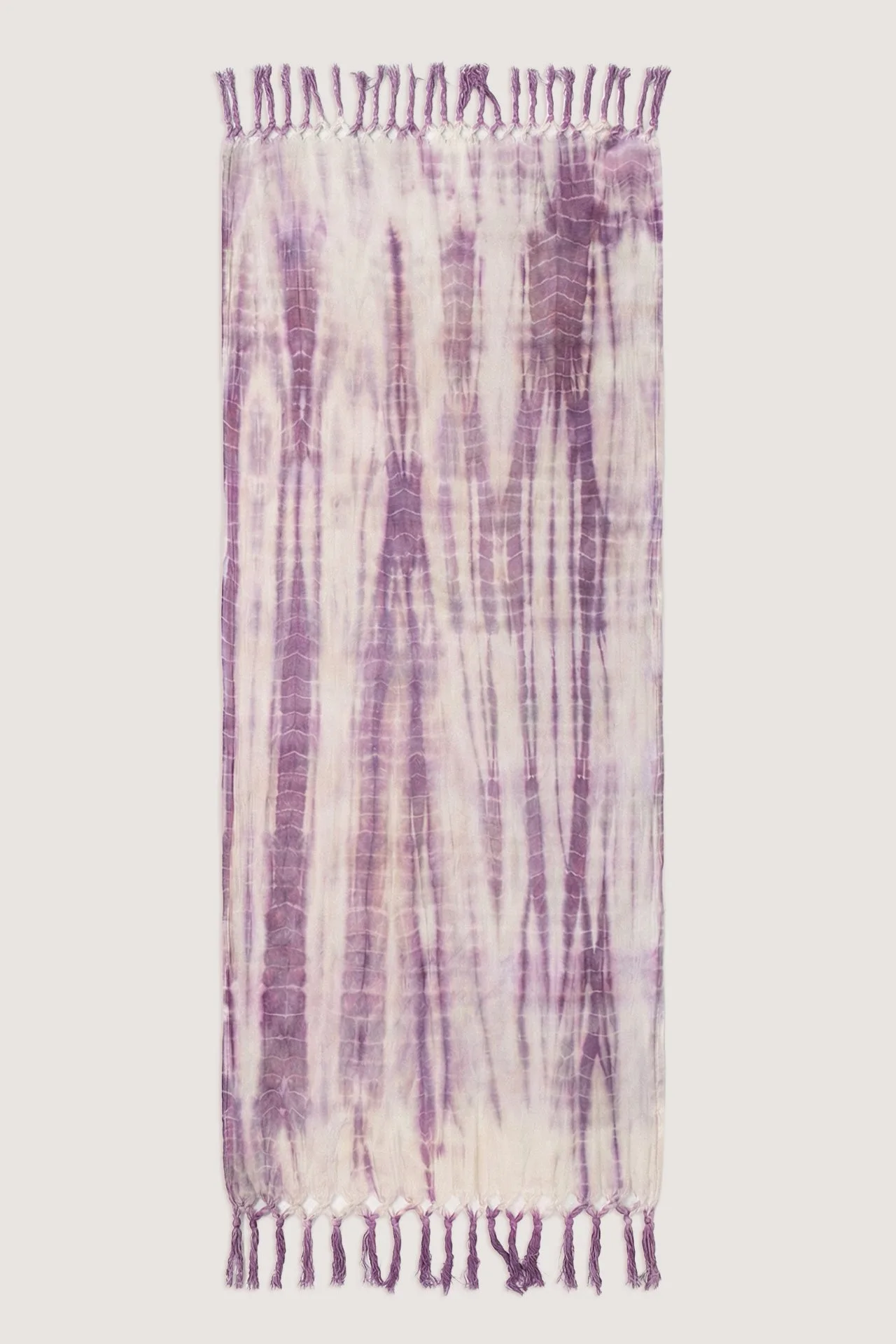
Cork is harvested from tree bark, ground and pressed into a sheet, then usually bonded to a rubber backing. It starts slightly grippy and becomes tackier as moisture builds. Jute is a plant fiber, and in the Jade & Jute mat it is interwoven with GOTS certified cotton and herbal dyed with medicinal Ayurvedic plants, which is why the brand describes it as its only thicker mat built to amplify grip power. That construction produces a woven, textured surface with more give than cork.
The practical difference shows up in two places: cushioning and sweat response. Cork stays firm and thin, so you feel the floor and your balance points clearly. The Jade & Jute mat is thicker and softer, which cushions knees and wrists but gives you slightly less ground feedback. If you sweat heavily, cork's grip tends to improve; a woven cotton-jute surface can feel slick until it absorbs, which is where a towel helps.
Grip, Sweat, and Hot Yoga
For hot yoga, cork has a real edge because moisture activates its grip rather than reducing it. The Jade & Jute mat is not marketed as a hot yoga mat; it is described as a thicker, cushy mat with amplified grip from the jute weave. That makes it strong for vinyasa, yin, restorative, and slower flows where cushion and comfort matter more than sweat-activated traction.
If you practice hot and still want the herbal-dyed option, the Naturally Dyed Herbal Yoga Towels are the practical bridge. They are lightweight and absorbent with just enough grip to hold poses, and they are designed to go over an Öko Living rug to absorb sweat and protect it, or over any mat you choose. That combination gives you cushion underneath and a grippy, washable surface on top.
Care, Longevity, and What Wears First
Cork is low-maintenance: wipe it down, let it dry, and keep it out of direct sun. Its weak point is the bond between cork and its backing, which can fail over time with heat and heavy rolling. A woven cotton-jute mat needs gentler care. Herbal dyes are plant-based, so they fade gradually with UV and harsh cleaners, and the weave can compress in high-wear spots like the hands and feet.
For either surface, skip harsh detergents. A mild, natural cleaner and air drying preserve the material and the dye. If you want to extend the life of a herbal-dyed mat, a towel on top reduces direct sweat and friction on the weave.
Cost and Value in Context
Cork mats span a wide price range depending on backing and thickness, so price alone rarely separates them. The Jade & Jute mat is positioned as a premium herbal-dyed option, and the catalog lists it at USD 133.32 against a comparison price of USD 202.00. If your budget is tighter, adding the Naturally Dyed Herbal Yoga Towels at USD 41.25 to a mat you already own is a lower-cost way to get herbal-dyed grip and sweat protection.
One limitation worth naming: the supplied catalog does not list thickness or weight for the Jade & Jute mat, so if those numbers are decision-critical, confirm them before buying rather than assuming.
Trade-Offs at a Glance
- Cushion vs ground feel: The Jade & Jute mat is the thicker, softer choice, which protects joints but reduces the firm feedback cork gives you for balance work. Pick cushion for restorative and knee-sensitive practice; pick cork for precision and standing balance.
- Sweat response: Cork grips harder as it gets wet, while a woven cotton-jute surface can feel slick until it absorbs moisture. Hot and sweaty practice favors cork or a towel-topped herbal mat.
- Dye and material story: The Jade & Jute mat is herbal dyed with Ayurvedic plants and hand-loomed with GOTS certified cotton; cork is a bark material with no dye narrative. If the herbal-dye and organic-cotton story is the point for you, cork cannot match it.
Product Facts
- Jade & Jute - Herbal Yoga Mat: Described as the only thicker mat interwoven with jute to amplify grip power, herbal dyed with medicinal Ayurvedic plants, and ethically hand-loomed with GOTS certified cotton. This is the cushion-and-grip option: more give under knees and wrists, with a woven surface rather than a dense cork sheet.
- Naturally Dyed Herbal Yoga Towels: Lightweight and absorbent with just enough grip to hold poses, designed to go over an Öko Living rug to absorb sweat and protect it, or over any mat you choose. Lets you keep a cushioned herbal mat for cool practices and add sweat-activated grip for hot sessions without buying a second mat.
Which Should You Choose?
Choose the Jade & Jute mat if
- You want a thicker, cushioned surface for vinyasa, yin, or restorative practice
- You value herbal-dyed, GOTS certified cotton construction and a softer woven feel
- You are willing to add a towel for hot sessions instead of switching mats
Choose cork instead if
- You practice hot yoga and want grip that increases with sweat
- You prefer a thin, firm surface with clear ground feedback for balance work
- You want the simplest possible wipe-and-go care routine