Quick answer
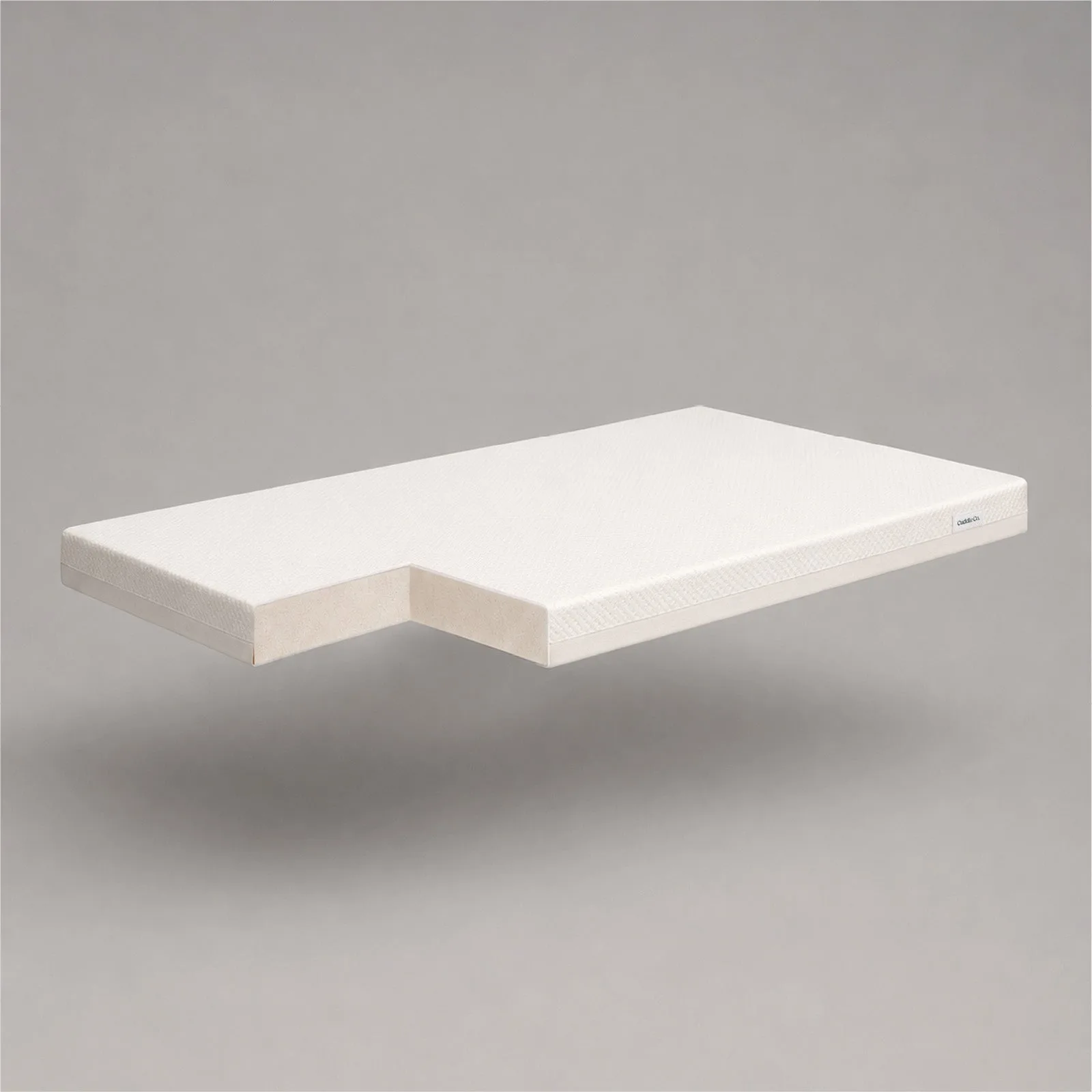
A safe cot mattress must fit snugly with no gaps larger than two fingers between mattress and cot sides, and it should be firm enough that your baby’s face does not sink in. Standard cot mattresses are 120x60cm, but always measure your cot first. Look for breathable materials and certifications that meet your region’s safety standards.
Why size matters for safety
A mattress that is too small creates dangerous gaps where a baby can become trapped. Too large, and it may bulge or not sit flat. The standard UK cot mattress size is 120x60cm, but cot dimensions vary slightly between brands. Always measure the internal width and length of your cot before purchasing. A good rule is that no more than two adult fingers should fit between the mattress and the cot frame.
Firmness: a non-negotiable for infants
Health authorities worldwide recommend a firm sleeping surface for babies to reduce the risk of Sudden Infant Death Syndrome (SIDS). A firm mattress does not conform to your baby’s head or body shape when pressed. To test, press the centre and edges: if your hand leaves an indent, it is too soft. Avoid memory foam or pillow-top layers for infants. A firm cot mattress supports developing spines and keeps airways clear.
Key safety standards to look for
In the UK and EU, look for BS EN 16890 certification, which covers safety, firmness, and flammability. In the US, CPSC and ASTM standards apply. Certifications like Oeko-Tex or GOTS indicate low chemical emissions. Breathable covers and waterproof layers add convenience without compromising safety. Always check that the mattress is labelled for the age and weight of your baby.
Material and breathability considerations
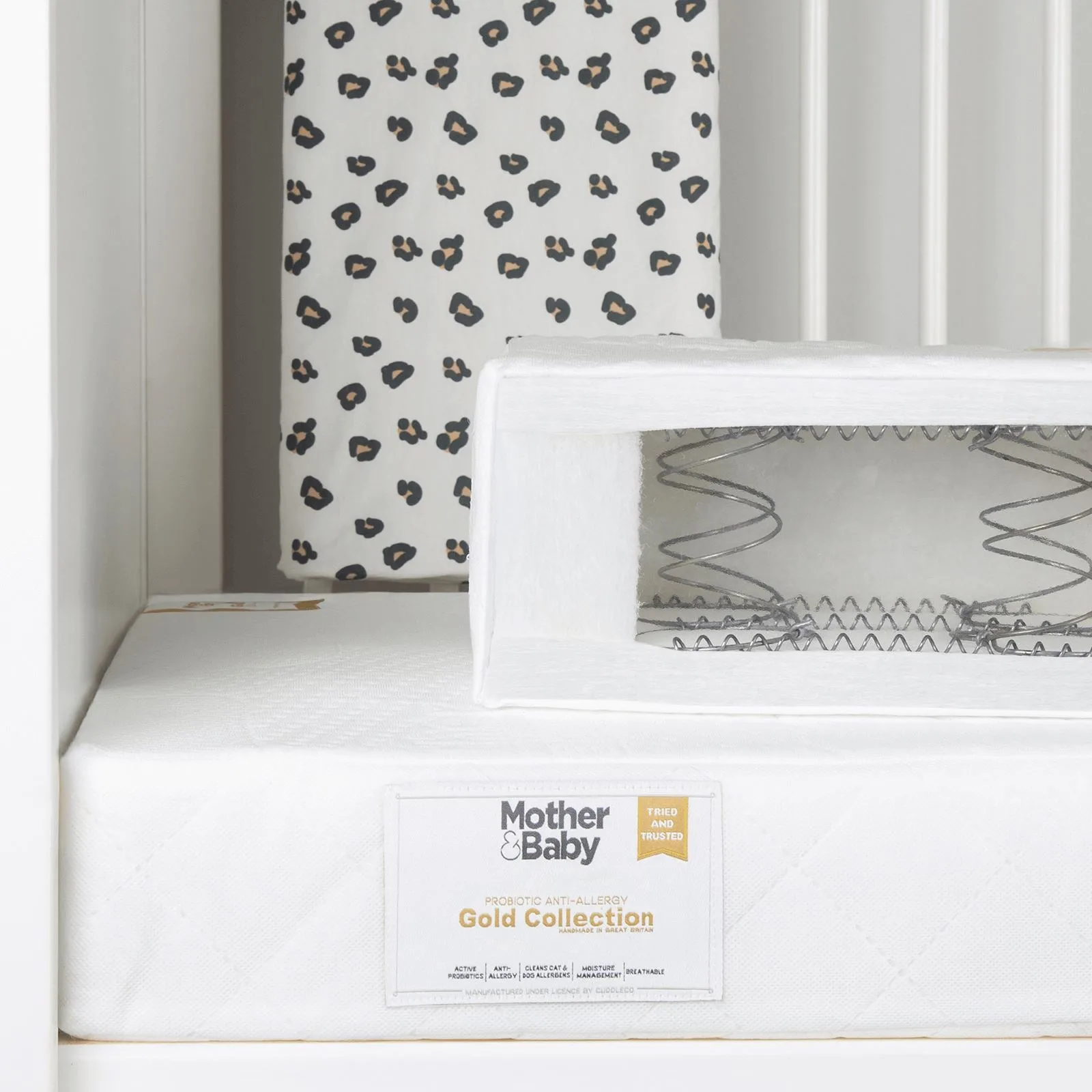
Natural fibres like cotton, wool, or Tencel improve airflow and help regulate temperature. Some mattresses incorporate probiotic treatments to reduce allergens. A breathable mattress cover can help wick moisture and keep the sleeping area fresh. While waterproof protectors are useful, ensure they are not plastic-backed, as they can trap heat.
Decision rules for choosing a cot mattress
- Measure your cot first: Use a tape measure to check the internal width and length. Standard 120x60cm fits most, but variations exist. A gap larger than 3cm is unsafe. Always buy after measuring.
- Firmness test: Press the mattress centre and edges. It should feel hard and not sink under your palm. Avoid soft or memory foam for infants under 12 months. Firm is safe; soft is risky.
- Check safety certifications: Look for BS EN 16890 (UK/EU) or CPSC/ASTM (US). Also check for low-emission labels like Oeko-Tex Standard 100. Certification gives peace of mind.
- Consider breathable materials: Natural fibres and breathable covers help prevent overheating. Waterproof layers should be breathable, not plastic-backed. Breathability aids safe sleep.
Products that meet these criteria
- Mother&Baby Fibre Core Cot Mattress with Purotex 120 x 60cm: This cot mattress unites nature’s finest Tencel fibres and Purotex probiotic, that when combined, enhance breathability and help aid cooling and temperature control from birth. Breathability and temperature regulation are key for safe sleep. Tencel fibres wick moisture, and the probiotic treatment helps maintain a fresh sleep environment, reducing potential allergens.
- Mother&Baby Organic Cotton Feeding and Infant Support Pillow: The Mother&Baby Organic Cotton Baby Feeding Pillow is designed to make yours and your baby’s life more comfortable. Fitting around your body, adapting to your shape and providing a safe, comfortable place for your baby to rest and relax as they feed. While not a mattress, this pillow supports safe feeding and later tummy time. Its organic cotton cover aligns with the preference for natural, low-chemical materials in baby products.
Who this guide is for
Best for
- Parents buying their first cot mattress and needing clear safety criteria
- Anyone upgrading from a Moses basket to a standard cot and unsure about size
Not for
- Parents looking for a travel cot or mini cot mattress (different size standards apply)
- Those seeking a soft, plush mattress for a toddler transitioning to a bed (firmness requirements change after age 1)