Quick answer
Focus on the specific village or sub-region (like Gigondas or Sablet) and the producer's reputation. A Cotes du Rhone red can range from a simple, fruity daily drinker to a structured, age-worthy wine—knowing the label hierarchy helps you pick the right one.
Village-level vs. generic Cotes du Rhone
Generic Cotes du Rhone is the broad appellation, covering wines from across the region. They are typically Grenache-based blends, meant to be drunk young and pair with casual meals. Village-level appellations like Gigondas or Sablet have stricter production rules and often come from older vines or better vineyard sites. They cost more but deliver more complexity and structure.
Producer reputation matters more than price
A well-known producer like Chateau de Saint Cosme or Chateau Pegau can make a generic Cotes du Rhone that over-delivers for the price. Their village-level bottlings are benchmarks for the appellation. Conversely, an obscure producer's Gigondas might not justify the premium. Stick with names you recognize or that are recommended by a trusted retailer.
How to choose your Cotes du Rhone red
- Check the appellation: Generic Cotes du Rhone (bottle just says 'Cotes du Rhone') is for everyday drinking. Village-level names like Gigondas, Sablet, or Vacqueyras indicate higher quality and often a higher price. For a special dinner, reach for a village-level wine.
- Look at the producer: A trusted producer can make a generic Cotes du Rhone that rivals many village-level wines. If you don't know the producer, start with a bottle from a well-regarded house.
- Consider the vintage: Cotes du Rhone reds are generally meant to be drunk within 3-5 years of the vintage. Some village-level wines from great vintages can age 8-10 years, but most are best young. For immediate drinking, buy the current or previous vintage.
- Match the body to the meal: Generic Cotes du Rhone is medium-bodied and fruity, pairing well with pizza, burgers, or grilled chicken. Village-level wines are fuller and more structured, better with lamb, beef stew, or aged cheese. Think about what you're eating before you buy.
Two wines that show the range
-
Chateau Pegau Cuvee Maclura Cotes du Rhone Red: Generous and full of life showing pure blackcurrant and liquorice flavors with an elegant and supple mouthfeel. This is a classic example of a well-made generic Cotes du Rhone that punches above its price point, ideal for grilled meats and casual dinners.
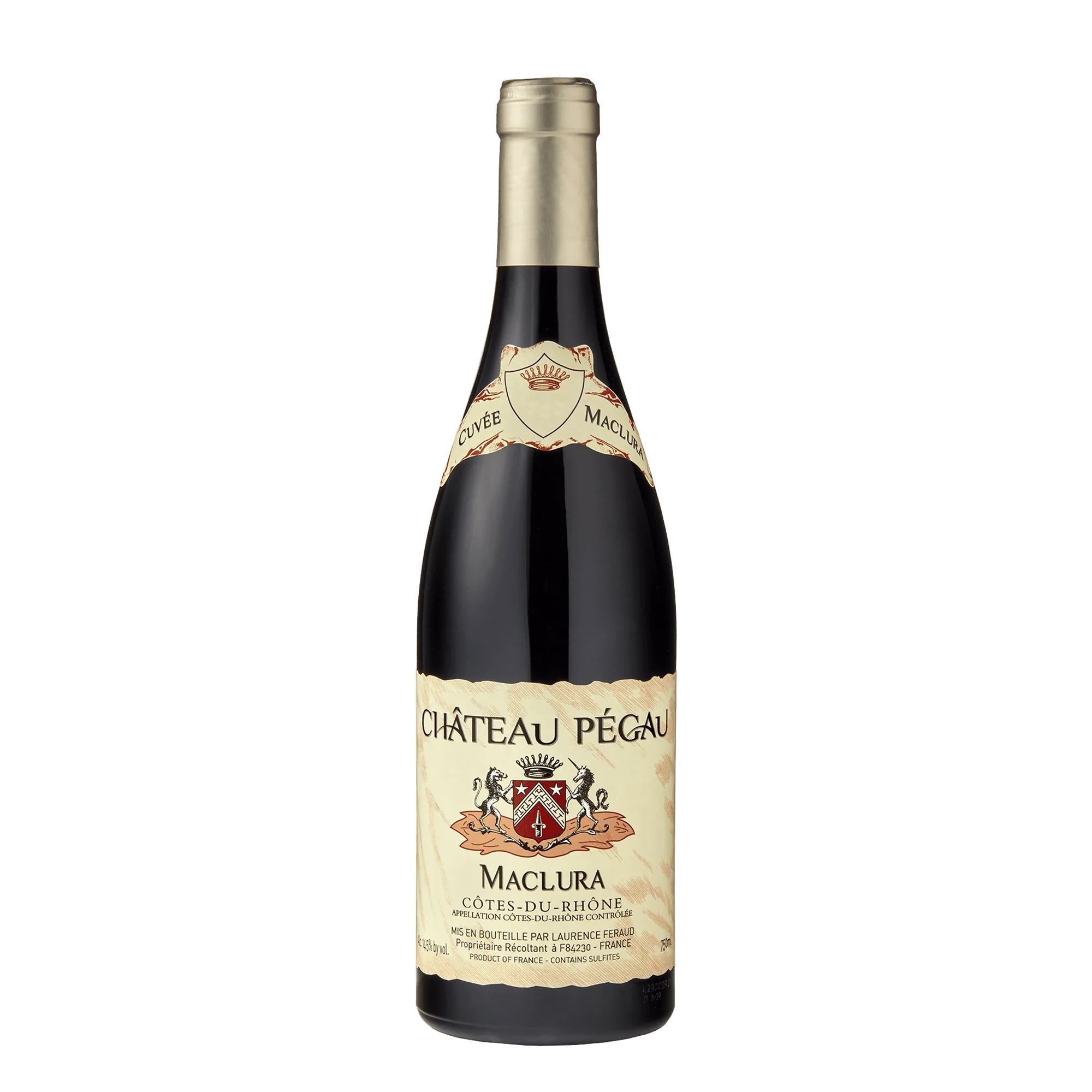
Chateau Pegau Cuvee Maclura Cotes du Rhone Red
-
St Cosme Gigondas: Notes of intense blackberry and fig with licorice, violets, and charcoal on the finish; remarkably fresh given the warmth of the southern Rhone. A benchmark Gigondas from 60-year-old vines, showing how village-level wines deliver more depth and complexity for special occasions.

St Cosme Gigondas
Who should buy which
Best for
- Everyday red wine drinkers who want a reliable, affordable bottle for weeknight meals
- Wine enthusiasts looking for a structured, complex bottle to pair with a special dinner or to cellar for a few years
Not for
- Anyone seeking a sweet or off-dry red wine—Cotes du Rhone is almost always dry
- Drinkers who prefer light-bodied, low-tannin reds—these wines have noticeable structure