Quick answer
For most people, a mid-weight cotton sweater (around 12–14 oz per square yard) in a tight knit is the most versatile choice—warm enough for cool indoor spaces but breathable enough for mild weather. If you run warm or layer often, choose a lightweight, open-weave cotton sweater; if you need real warmth, go for a heavy, dense knit. Always check the actual garment measurements, because cotton sweaters can stretch or shrink with wear and washing.
Cotton sweaters are a wardrobe staple, but not all cotton knits are equal. The weight of the yarn, the density of the knit, and the way the sweater is constructed determine how warm it feels, how it fits, and how well it holds its shape. This guide breaks down those factors so you can choose a cotton sweater that matches your climate, layering habits, and style.
Why cotton weight matters more than you think
Cotton sweaters range from featherweight summer knits to dense, heavy layers. The weight of the yarn—often described as lightweight, mid-weight, or heavyweight—directly affects warmth, drape, and durability. A lightweight cotton sweater (around 8–10 oz per square yard) feels airy and works well in spring or layered under a jacket. A mid-weight option (12–14 oz) is the Goldilocks zone for most people: warm enough for air-conditioned offices or cool evenings, but not so heavy that you overheat indoors. Heavyweight cotton (16 oz and up) provides real insulation and a structured look, but it can feel bulky and takes longer to dry.
When you shop, don't rely on the word 'heavyweight' alone. Look for actual measurements and fabric descriptions. If the product listing doesn't specify weight, check the knit density: hold the sweater up to light. If you can see through it easily, it's likely lightweight. If it blocks light, it's denser and warmer. Also consider the fiber—100% cotton is breathable but inelastic, while blends with a small amount of synthetic fiber can add shape retention.
- Lightweight cotton: best for layering and warm climates.
- Mid-weight cotton: most versatile for year-round wear.
- Heavyweight cotton: best for cold rooms and structured looks.
Knit density and weave: the warmth factor
The way a cotton sweater is knitted changes how air moves through it. A tight, dense knit traps more body heat and feels warmer, while an open, loose knit allows heat to escape and feels cooler. Common cotton knits include jersey (smooth, lightweight), ribbed (stretchy, form-fitting), and cable or textured knits (chunky, warm). For a warm sweater, look for tight gauge and thick yarn; for a cool sweater, choose a loose gauge or an openwork pattern.
Weave also affects stretch and recovery. Cotton has little natural elasticity, so a loose knit can stretch out at the elbows and neckline over time. A denser knit holds its shape better. If you prefer a relaxed, slouchy look, a loose knit is fine—just be aware it may bag out. For a polished fit that lasts, choose a tighter knit or a cotton blend with a touch of elastane.
- Tight knit = warmer, more structured, less stretch.
- Loose knit = cooler, drapier, more prone to stretching.
- Ribbed cuffs and hem help maintain shape.
How to choose the right cotton sweater for your needs
Start with your primary use. If you want a sweater for layering under a blazer or jacket, choose a lightweight, smooth knit that won't add bulk. If you need a standalone sweater for chilly offices, a mid-weight tight knit works best. For outdoor wear in cold weather, a heavyweight cotton sweater can work, but remember that cotton doesn't insulate as well as wool when damp—so for wet or very cold conditions, consider a wool blend instead.
Next, consider fit. Cotton sweaters can shrink slightly after washing, especially if not pre-shrunk. Always check the garment measurements (chest, length, sleeve) rather than relying on tagged size. If you're between sizes, size up for a relaxed fit or if you plan to machine dry. For a fitted look, choose your usual size and wash cold, lay flat to dry. Also think about neckline: crew necks are classic and warm, V-necks elongate and work well with collared shirts, and boat necks offer a wider, more casual look.
- Layering: choose lightweight, smooth knits.
- Standalone warmth: mid-weight or heavyweight tight knits.
- Fit: measure a sweater you already own and compare.
Care and longevity: keep your cotton sweater looking good
Cotton is durable but can pill, stretch, and fade if mistreated. To minimize pilling, turn the sweater inside out before washing and use a gentle cycle with like colors. Avoid hot water and high heat drying, which can cause shrinkage and weaken fibers. Instead, wash cold and lay flat to dry on a towel. This helps the sweater retain its shape and prevents stretching.
Store folded rather than hung to avoid shoulder bumps and stretching. If you need to hang, use a padded hanger and fold the sweater over the bar. For stains, treat promptly with a mild detergent and cold water. With proper care, a quality cotton sweater can last for years, making it a smart addition to any wardrobe.
- Wash cold, lay flat to dry.
- Use a pill shaver to remove fuzz.
- Store folded to maintain shape.
Decision rules for buying a cotton sweater
- If you run warm or live in a mild climate: Choose a lightweight, open-weave cotton sweater (under 10 oz). It will keep you comfortable indoors and layer without bulk. Prioritize breathability over warmth.
- If you need a versatile sweater for work and weekends: Choose a mid-weight, tight-knit cotton sweater (12–14 oz). It balances warmth and breathability and holds its shape well. Mid-weight is the safest bet for most people.
- If you want maximum warmth from cotton: Choose a heavyweight, dense knit (16 oz+). Expect a structured, bulky feel and longer drying time. Consider a wool blend if you need insulation in wet cold.
- If you are between sizes: Size up if you plan to machine dry or prefer a relaxed fit. Cotton can shrink slightly. Always compare garment measurements to a sweater you already own. Measure, don't guess.
Real cotton sweaters from 2nd STREET
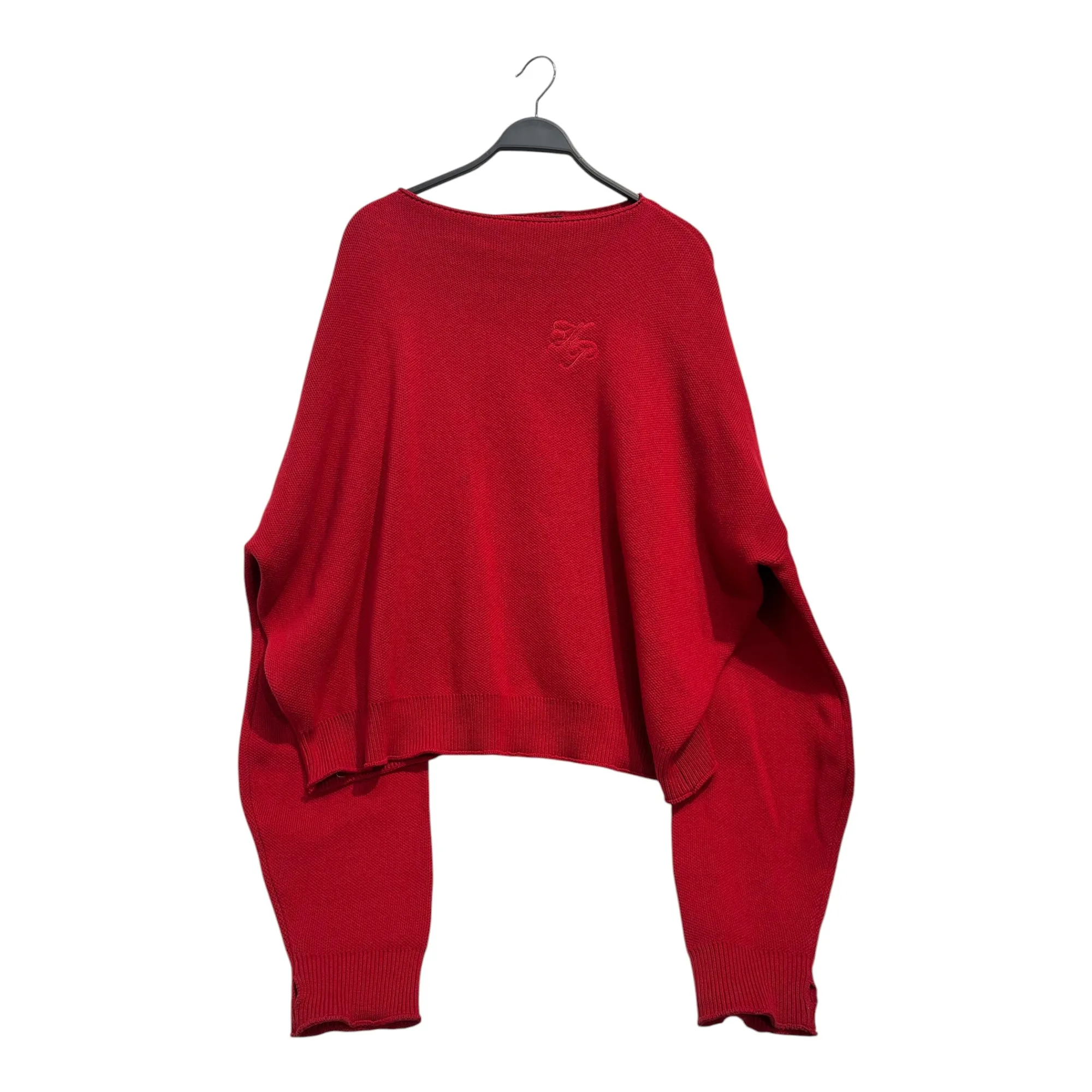
- KODY PHILLIPS/Sweater/XXL/Cotton/RED/kp logo boat neck: Size: Length:25” Chest:60” Color: RED Material: COTTON Condition USED_GOOD The 60-inch chest indicates an oversized, relaxed fit. The boat neck adds a casual, wide neckline that works well over a collared shirt. The 25-inch length is relatively short, so it may pair best with high-rise bottoms or as a layering piece.
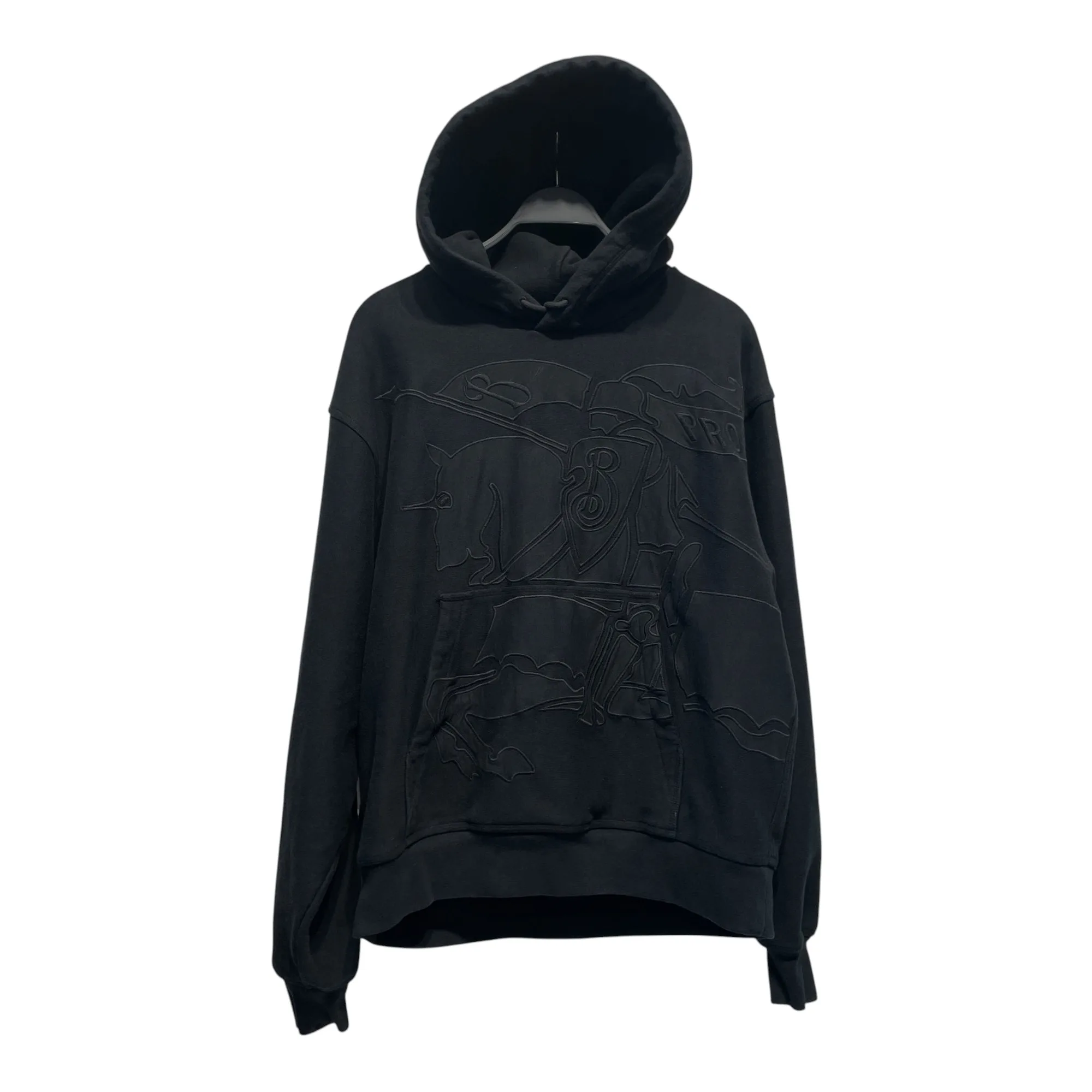
- BURBERRY/Hoodie/L/Cotton/BLK/Oversize/: Size: L Color: Black Material: Cotton Condition: Used This is a cotton hoodie rather than a sweater, but it demonstrates how cotton can be used in different knit structures. The oversized fit and black color make it a versatile layering piece. Since it's used, check the condition notes for any pilling or stretching.
Who this guide is for
Best for
- Shoppers who want a breathable, low-maintenance sweater for layering
- Anyone building a capsule wardrobe with versatile cotton knits
- People who prefer natural fibers and don't mind some wrinkling
Not for
- Those who need high insulation in wet or freezing conditions (choose wool or synthetics)
- Shoppers looking for a stretchy, form-fitting sweater (cotton has limited elasticity)
A cotton sweater can be a year-round staple if you match the weight and knit to your climate and layering needs. Use the decision rules above, check measurements carefully, and care for it properly to enjoy it for years. Browse 2nd STREET's selection of new and used cotton sweaters to find your perfect match.