Quick answer
Cotton thread offers a matte finish and natural feel, ideal for piecing and traditional quilting. Polyester thread provides greater strength and elasticity, making it better for high-stress seams and modern quilts. Your choice depends on fabric type, project durability needs, and desired aesthetic.
Cotton Thread: Natural Sheen and Piecing Precision
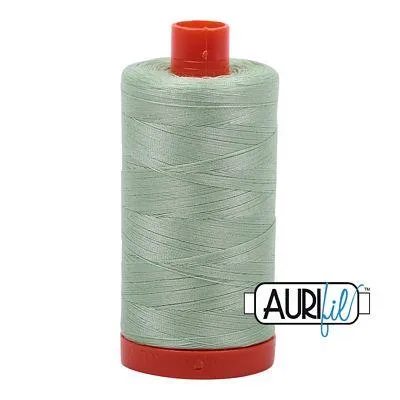
Cotton thread, like the Aurifil Cotton Makó 50wt, is mercerized to increase fiber contraction and drying efficiency, resulting in a high sheen and excellent washing resistance. Quilters love it for piecing and quilting because it presses flat and creates minimal bulk in seams. Its fine 50-weight is fantastic for fine machine work, giving precise stitch definition without overpowering the fabric.
Polyester Thread: Strength and Stretch for Modern Quilting
Polyester thread is known for its high tensile strength and slight stretch, which helps prevent breakage during machine quilting and in high-stress areas like bag straps or clothing. It also resists UV damage and chemicals, making it a durable choice for quilts that will see frequent washing or sunlight. However, it can have a shinier appearance and may not press as flat as cotton in pieced seams.
Key Differences at a Glance
Cotton thread tends to be more absorbent and can shrink slightly with washing, while polyester maintains its length and shape. Cotton gives a traditional, matte look that blends well with natural fibers, whereas polyester offers a subtle gloss. For heirloom or vintage-style quilts, cotton is often preferred; for modern, hard-wearing projects, polyester holds up better over time.
Cotton vs Polyester Thread Tradeoffs
- Strength & Durability: Polyester thread is stronger and more elastic, resisting breakage under tension. Cotton thread is strong enough for most quilting but can snap under extreme stress. Choose polyester for high-stress seams; cotton for standard piecing.
- Appearance & Finish: Cotton thread offers a matte, natural sheen that blends with quilting cottons. Polyester has a glossier look that stands out more on fabric. Cotton for a traditional, subtle look; polyester for a bit of shine.
- Washing & Care: Cotton thread may shrink slightly with washing, giving a soft crinkle. Polyester resists shrinkage and holds its shape. Cotton for a vintage crinkle; polyester for consistent dimensions.
Product Facts
- Cotton Makó 50wt 1422yds 2880 Pale Green Thread: Each spool of Aurifil Cotton Makó is mercerized - this enables fiber's contraction and increases the efficiency during the drying procedure. The result is a high sheen thread with a great washing resistance. The ideal thread for quilting, sewing and embroidery both by hand and machine. The finest of the cotton Makò threads. Quilters love it for piecing and quilting. It's fantastic for fine machine work. Mercerization gives this cotton thread a smooth finish and high sheen, reducing lint and allowing precise piecing. The 50wt fineness means it creates thin, flat seams that press beautifully.
- Shooting Star Socialite Jade Fabric: Inspired by a magical summer on the island of Hydra, Greece—where designer Anna Maria was married and surrounded by family in her ancestral homeland—Shooting Star is a deeply personal collection of illustrative prints. Reflecting the island’s timeless beauty and the creative spirit of the 1960s, when Leonard Cohen lived there, the collection blends nostalgia, vibrant color, and storytelling. Pairing a fine cotton thread like Aurifil 50wt with a vibrant cotton print such as Shooting Star Socialite Jade ensures the thread blends naturally with the fabric, preserving the print's visual impact without adding unwanted shine.
Which Thread Should You Choose?
Best For
- Quilters who want a traditional, matte finish and flat seams for piecing
- Projects made with natural-fiber fabrics like cotton or linen
Not Ideal For
- High-stress seams on bags, clothing, or quilts that get heavy use
- Projects requiring maximum elasticity and UV resistance