Quick Answer
If coyotes keep showing up, stop treating it as one problem. Walk the yard after dark, write down what actually attracts them (food, cover, or a route through your property), remove that cause first, and only then add deterrent gear. If your pet is outside unsupervised in an area with confirmed coyote traffic, physical protection such as the CoyoteVest is the layer that buys you reaction time rather than relying on deterrence alone.
Symptom: Coyotes Seen at the Same Time Every Night
A repeat sighting at dusk or just before dawn usually means your yard sits on a routine travel route, not that a single bold coyote has moved in. Coyotes are creatures of habit and will reuse a path that feels safe and unbothered. The corrective action is to interrupt the routine, not to chase the animal. Vary your outdoor lighting schedule, make noise at inconsistent times, and remove anything that gives a clear sightline or hiding spot along that path. If sightings continue on the same schedule after two weeks of interruptions, the route is likely wider than your property and you should shift focus to protecting your pet rather than trying to redirect the animal.
Symptom: Coyotes Approach Even When You Are Home
This is the clearest sign that the animal has lost its natural fear of people, often because it has found reliable food nearby. Check for unsealed trash, pet food left out, fallen fruit, bird feeders dropping seed, and compost that is not fully enclosed. Fix those first. A loud, sudden sound can still startle an approaching coyote and give you a moment to move your pet inside, which is exactly what the CoyoteWhistle is built for: a police-grade whistle designed to be exceptionally loud enough to startle a predator and also get your dog's immediate attention. Keep it on your person, not in a drawer, because the moment you need it is the moment you cannot go looking for it.
Symptom: You Only Notice Coyotes After Dark
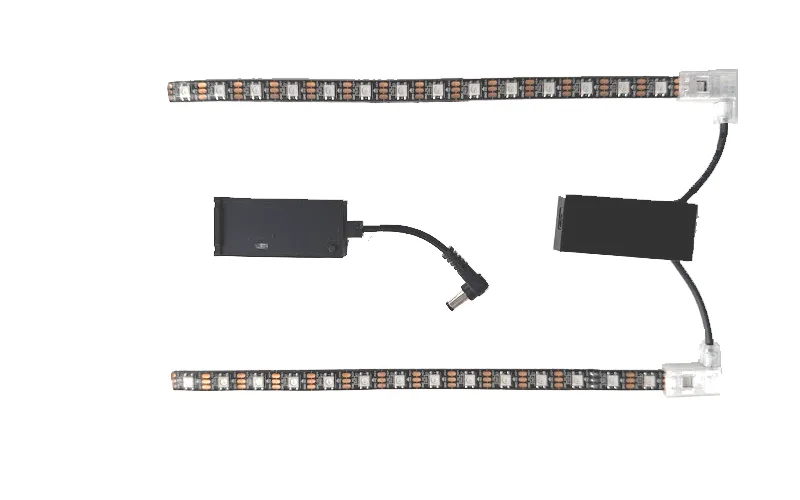
Night activity often means your pet is at the greatest disadvantage, because you cannot see the animal and your dog may not see it either. Bright, unpredictable light on your dog changes that. The CoyoteDazzler uses bright LED lights that emit intense patterns intended to intimidate a predator and make your dog more visible at night. It is a visibility and deterrence layer, not armor, so treat it as something that reduces surprise rather than something that stops contact. Pair it with a leash and a lit route you already know, and check the fit so the light stays oriented where you need it.
Symptom: A Coyote Has Already Made Contact or Killed a Pet Nearby
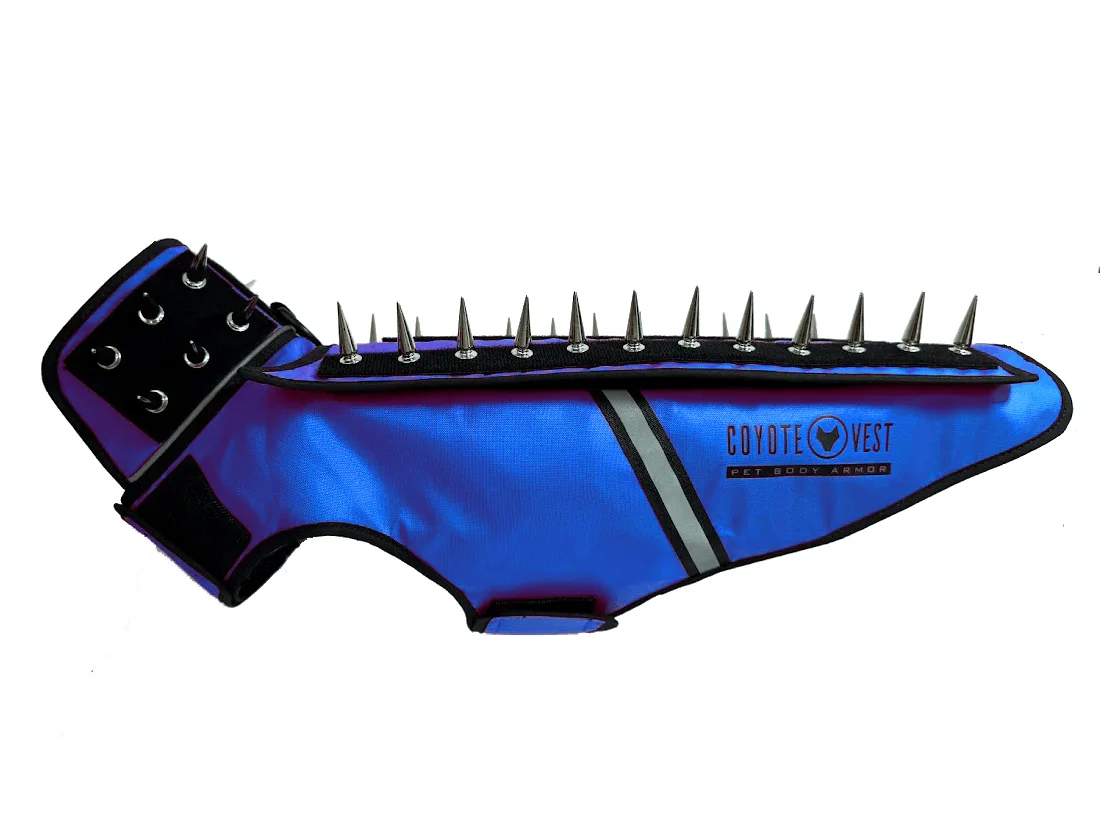
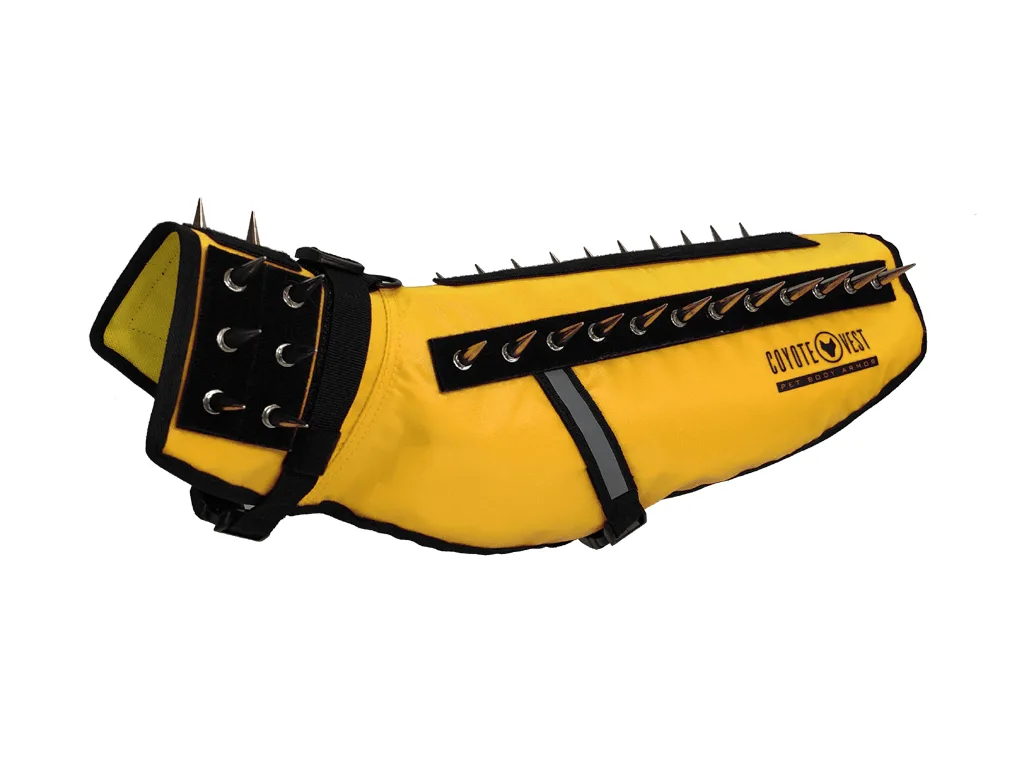
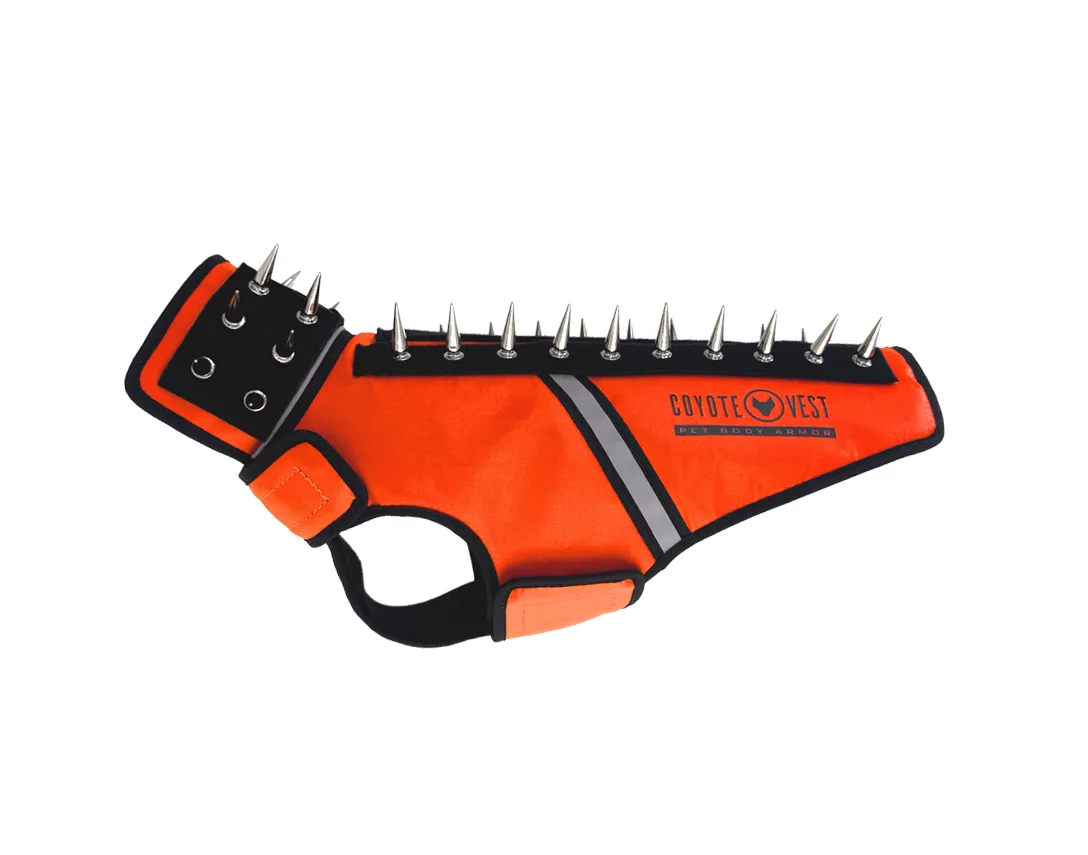
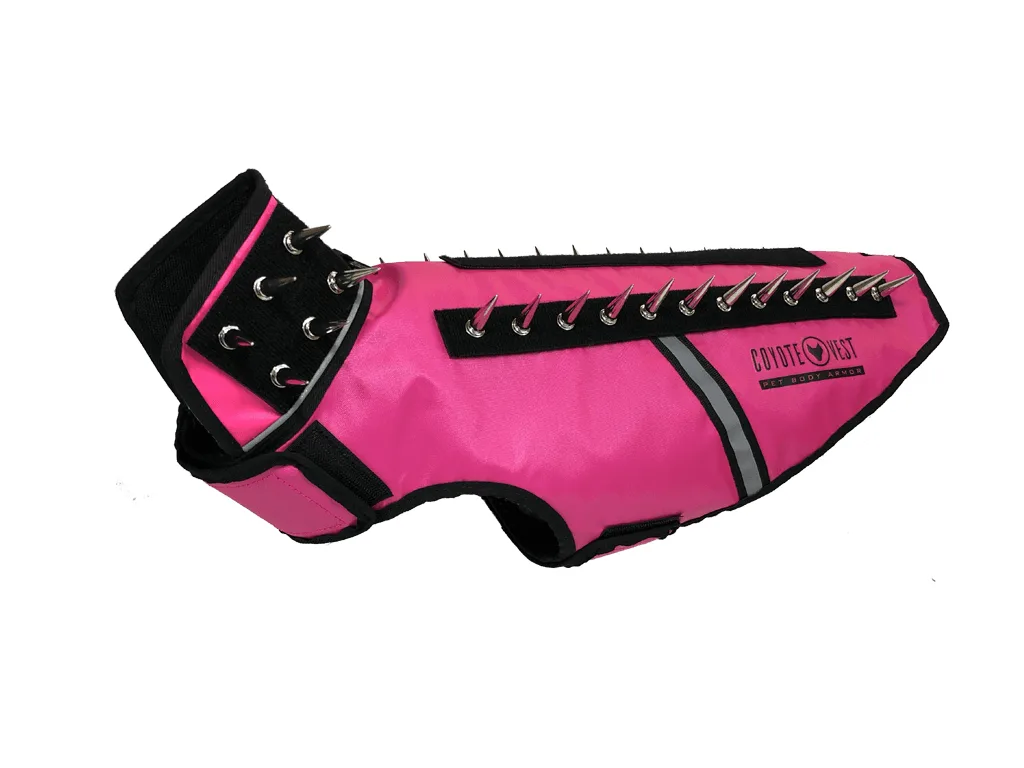
Once a coyote has successfully taken a pet in your area, deterrence alone is no longer a reasonable plan. That animal has learned the behavior works, and it will likely try again. At this point the corrective action is physical protection plus supervision. The CoyoteVest is patented body armor designed to slow down or prevent surprise attacks from coyotes, aggressive dogs, and birds of prey, giving you critical time to react. Its side panels are reinforced with stab-resistant armor. It is not a guarantee, and it does not replace a fence or a leash, but it is the layer that addresses the moment of contact rather than the approach.
Diagnose Before You Buy
- Symptom: coyote passes through but never lingers: Likely cause is a travel route, not a food source. Interrupt the routine with varied lighting and noise, remove cover along the path, and reassess after two weeks. If sightings stop, you fixed the cause. If they continue on schedule, move to protection rather than more deterrence.
- Symptom: coyote approaches while people are present: Likely cause is an accessible food source or deliberate feeding nearby. Remove trash, pet food, fallen fruit, and open compost, then keep a loud whistle on you during every outdoor trip. If the animal still approaches after food is secured, stop treating this as a nuisance and treat it as a safety risk.
- Symptom: pet is outside at night and you cannot see the coyote: Likely cause is a visibility gap. Add light to your dog with an LED accessory, keep the pet leashed on a known route, and stay outside with them rather than watching from a window. If you cannot supervise, bring the pet in. Visibility gear is not a substitute for being present.
- Symptom: a pet has been attacked or killed in your area: Likely cause is a coyote that has learned pets are prey. Deterrence is no longer the primary fix. Use physical protection such as the CoyoteVest, reinforce fencing, and do not leave small pets outside unattended. Choose another option than deterrence-only when contact has already happened. This is the point to add body armor and supervision.
Gear That Matches Each Diagnosis
- CoyoteWhistle: Police-grade whistle engineered to be exceptionally loud, with a quick blow able to startle a potential predator and get your dog's immediate attention. Useful for interrupting an approach and recalling your dog at the same time, but it works only if it is within reach when you step outside.
- CoyoteDazzler: Bright LED lights that emit intense light patterns intended to intimidate a predator and make your dog more visible at night. Best used as a night visibility and surprise-reduction layer; it does not replace supervision or physical protection.
- CoyoteVest: Patented body armor designed to slow down or prevent surprise attacks from coyotes, aggressive dogs, and birds of prey, with side panels reinforced with stab-resistant armor. The right layer when contact is the real risk, such as after a confirmed attack nearby; it buys reaction time but does not replace fencing, leashes, or supervision.