Quick answer
Most CoyoteVest accessory questions come down to sizing, layering, and strap security. Start with the Throat Guard if your dog is submissive or rolls over during conflict, and pair it with a properly fitted body armor piece like the SpikeJacket for cold weather or the HawkVest for aerial threats. Always measure your dog's neck and chest, and check straps weekly for wear.
CoyoteVest
How do I choose the right size for a Throat Guard?
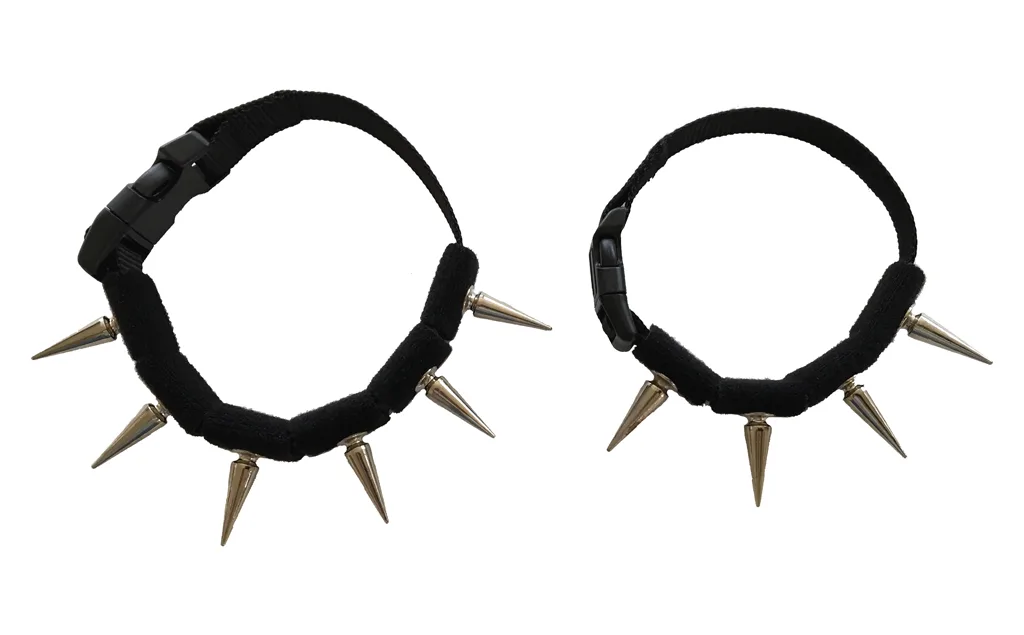
The Throat Guard is sized, so measure your dog's neck circumference at the narrowest point, just behind the ears and above the shoulders. If your dog is between sizes, size up—a slightly loose guard is easier to adjust than one that pinches. Because the Throat Guard is designed for dogs that roll over or expose their neck during a coyote encounter, it should sit snugly but allow a full range of motion. Check that your dog can swallow, turn, and lie down comfortably before heading outside.
Can I use the Throat Guard with any CoyoteVest body armor?
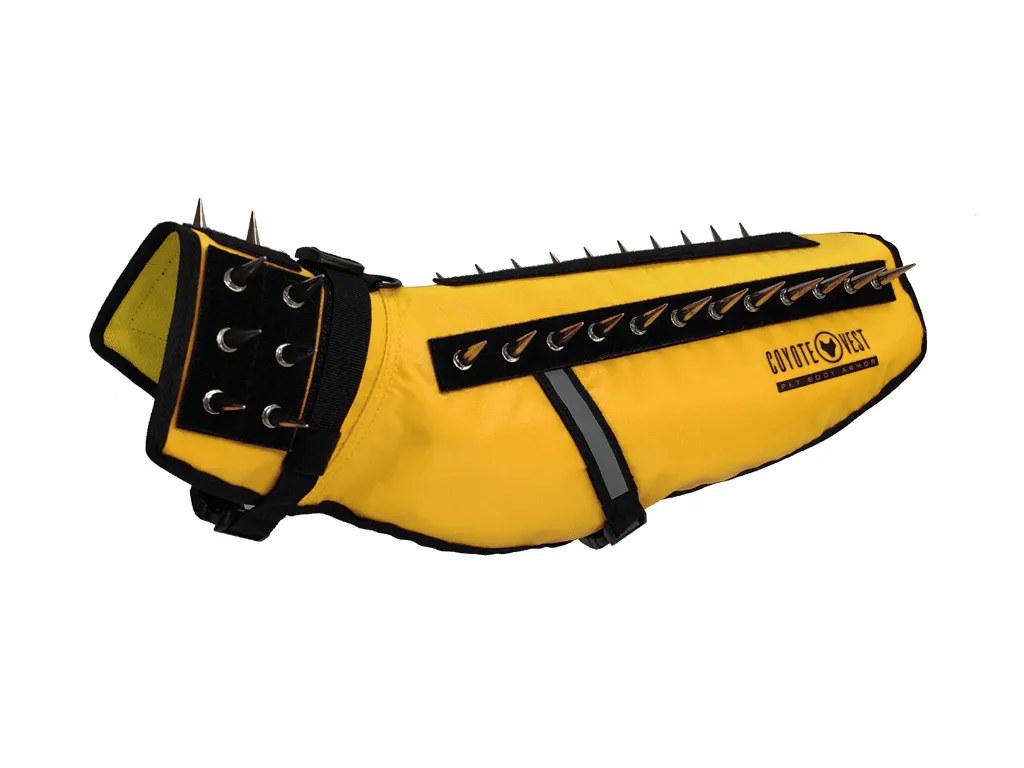
Yes. The Throat Guard is an accessory that works alongside CoyoteVest body armor, including the SpikeJacket and HawkVest. It adds protection for the throat area, which is especially important for submissive dogs that roll onto their back when threatened. The guard attaches independently, so you can use it with or without a vest depending on the situation. Just make sure the vest and guard don't bunch together—adjust each piece separately for a smooth fit.
How do I layer the SpikeJacket in cold weather without overheating my dog?
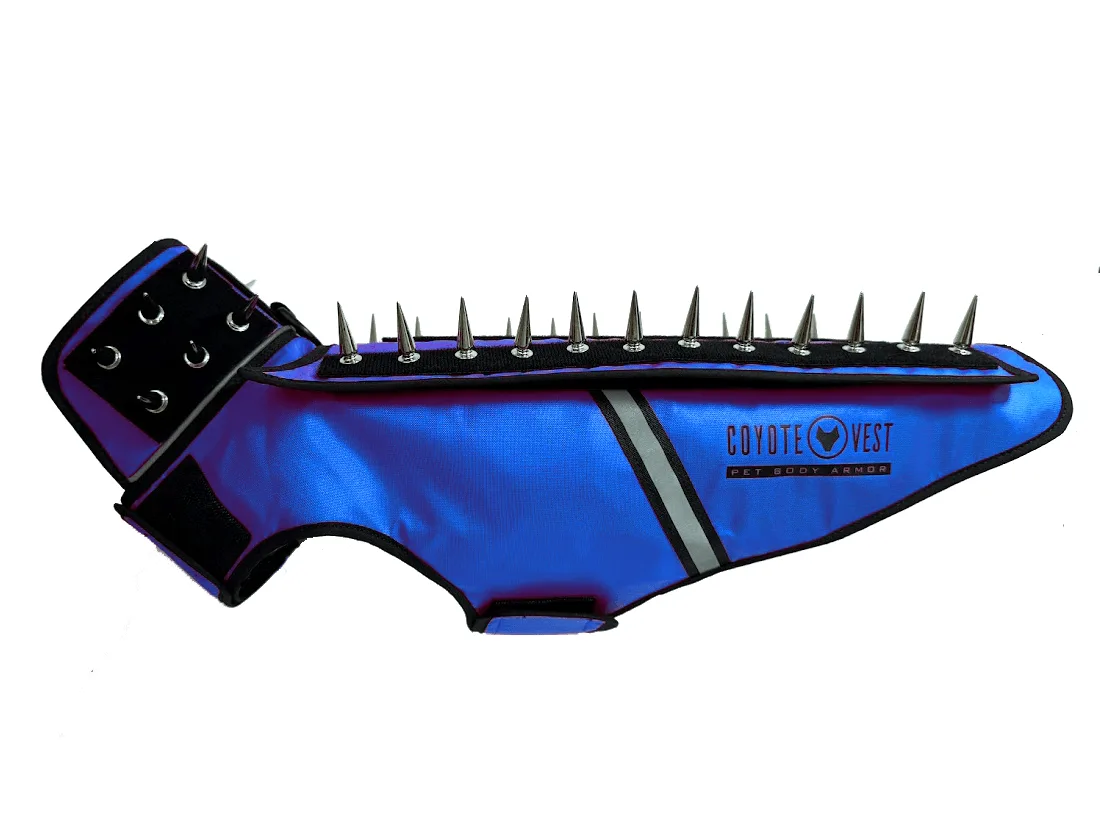
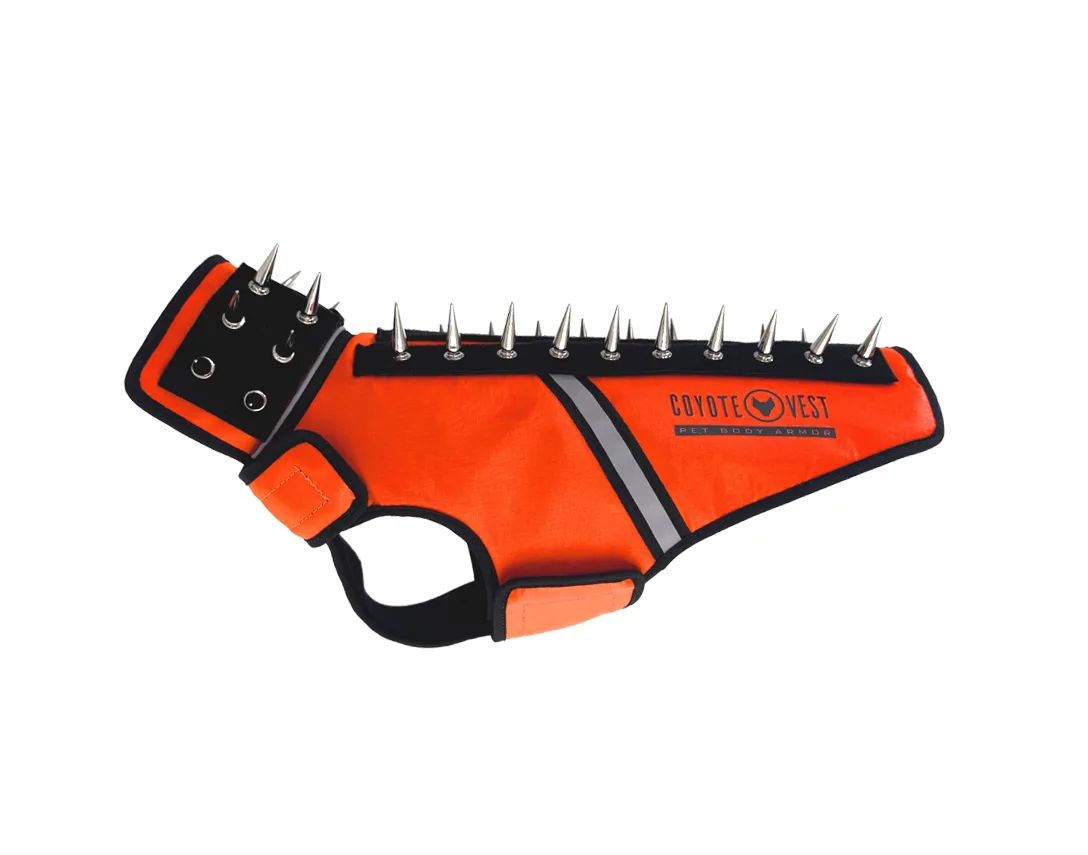
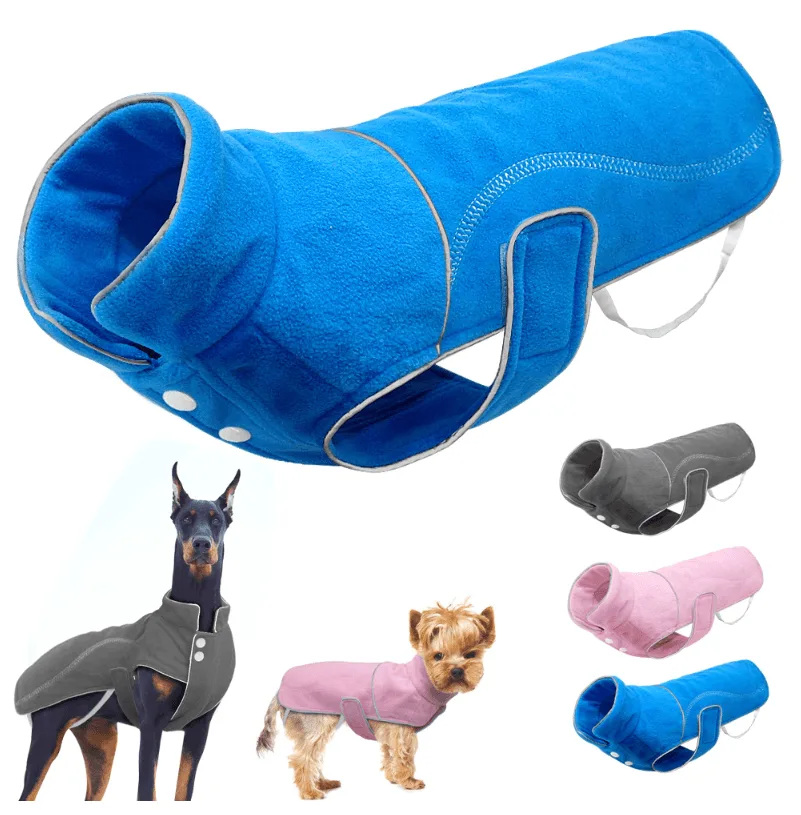
The SpikeJacket already includes a sewn-in polar fleece liner and a chest guard to trap heat. On very cold days, put the SpikeJacket on first, then add the Throat Guard over it if needed. For milder weather, the SpikeJacket alone is usually enough. Watch for signs of overheating—heavy panting, seeking shade, or reluctance to move—and remove the jacket if you see them. The fleece adds warmth, so you may not need a separate sweater underneath.
fleece liner
What's the difference between the SpikeJacket and the HawkVest for accessory pairing?
The SpikeJacket is built for cold-weather protection with its fleece liner and chest guard, while the HawkVest is designed to protect against aerial attacks from large birds of prey. Both accept the Throat Guard. If you face both cold and aerial threats, you can rotate the vests by season—HawkVest for warmer months when raptors are active, SpikeJacket for winter. Neither vest is designed to be worn over the other, so choose based on the primary risk that day.
How do I clean and maintain the Throat Guard and body armor?
Hand wash the Throat Guard and body armor with mild soap and cool water, then air dry away from direct heat. Avoid machine washing or drying, which can damage the materials and stitching. Check the straps and buckles after each wash for fraying or cracks. For the SpikeJacket, pay extra attention to the fleece liner—brush off debris before washing to keep it lofted. Store gear flat or hanging, not crumpled, to hold its shape.
My dog resists wearing the Throat Guard. What can I do?
Start with short, positive sessions: put the guard on for a few seconds, reward, and take it off. Gradually increase time. Make sure the size is correct—if it's too tight or rubs, your dog will resist. You can also pair the guard with a favorite treat or toy to build a positive association. If resistance continues, check that the guard isn't interfering with the vest fit; sometimes adjusting the vest first solves the problem.
CoyoteVest Accessory FAQ Quick Reference
Sizing the Throat Guard
Measure neck circumference at the narrowest point. Size up if between sizes. Ensure full range of motion and comfort. A snug but not tight fit prevents rubbing and resistance.
Pairing with body armor
Throat Guard works with both SpikeJacket and HawkVest. Adjust each piece separately to avoid bunching. Use the guard with any vest for added throat protection.
Cold-weather layering
SpikeJacket has a built-in fleece liner and chest guard. Add Throat Guard over it if needed. Watch for overheating. The SpikeJacket alone often suffices in cold; remove if panting.
Cleaning and care
Hand wash with mild soap, air dry. Check straps and buckles regularly. Store flat or hanging. Proper care extends the life of your gear.
Overcoming resistance
Use short positive sessions with rewards. Ensure correct size and vest fit. Adjust vest first if guard causes issues. Patience and proper fit make a big difference.
Product facts
- Throat Guard: The Throat Guard is designed for the scenario where a coyote grabs a smaller dog from the back of the neck, and it helps protect submissive dogs that roll over and expose their throat. If your dog tends to roll over during conflict, the Throat Guard adds critical protection to an otherwise exposed area.
- SpikeJacket: The SpikeJacket uses a similar design to the SpikeVest but adds a sewn-in polar fleece liner and a chest guard to keep heat in and elements out. This makes the SpikeJacket a better choice for cold-weather walks, while still providing body armor protection.
- HawkVest: The HawkVest is patented and designed to protect small dogs from aerial attacks by large birds of prey, providing a chance to escape. If you live in an area with raptors, the HawkVest addresses a threat that standard coyote vests do not.