Quick answer
Replace your craft blade as soon as it starts tearing instead of slicing, requires extra pressure, or leaves fuzzy edges. For most hobbyists, that means a new blade every few sessions with soft materials like paper, and after a single session with abrasive materials like foam board or leather. Keep a fresh blade on hand and swap it early rather than forcing a dull edge.
A sharp blade is the difference between a clean cut and a ruined project. But there is no single schedule that fits every crafter, because blade longevity depends on what you cut, how much pressure you use, and how well you store your tools. The good news is that your blade tells you when it is done.
This guide answers the most common questions about when to replace a craft blade, how to spot dull blade signs, and how to get the most life from every edge without risking injury or sloppy cuts.
What are the first signs a craft blade is dull?
The earliest sign is usually a change in how the blade feels, not how it looks. A sharp blade glides through paper or cardstock with almost no downward pressure. When you notice yourself pushing harder to make the same cut, the edge has started to round over. You may also see a faint white line on paper instead of a clean slice, or the blade may start pulling the material rather than cutting it.
Another reliable clue is the sound. A sharp blade makes a quiet, consistent hiss as it cuts. A dull blade produces a rougher, scratchier sound and often skips or chatters. If you have to go over the same line twice, stop and replace the blade. Forcing a dull edge is the fastest way to slip and cut yourself.
- Test on scrap: make one cut on scrap material before starting a project. If it tears or drags, change the blade.
- Check the tip: a bent or chipped tip is a sign of damage, not just dullness. Replace it immediately.
How often should I replace a hobby blade?
Think in terms of material, not calendar days. Soft, clean materials like paper, tape, and vinyl are gentle on an edge, so a blade might last several sessions. Abrasive or dense materials like foam board, cork, leather, and cardboard wear a blade much faster. With those, expect to replace the blade after one or two project sessions, sometimes within a single large job.
A practical routine is to start every new project with a fresh blade if the material is abrasive, and to inspect the edge before each session for softer materials. If you cut daily, keep a small dish or magnetic strip for used blades so you always know which edge is fresh. This habit costs very little and prevents the most common cause of ragged cuts.
Does blade material affect how long it lasts?
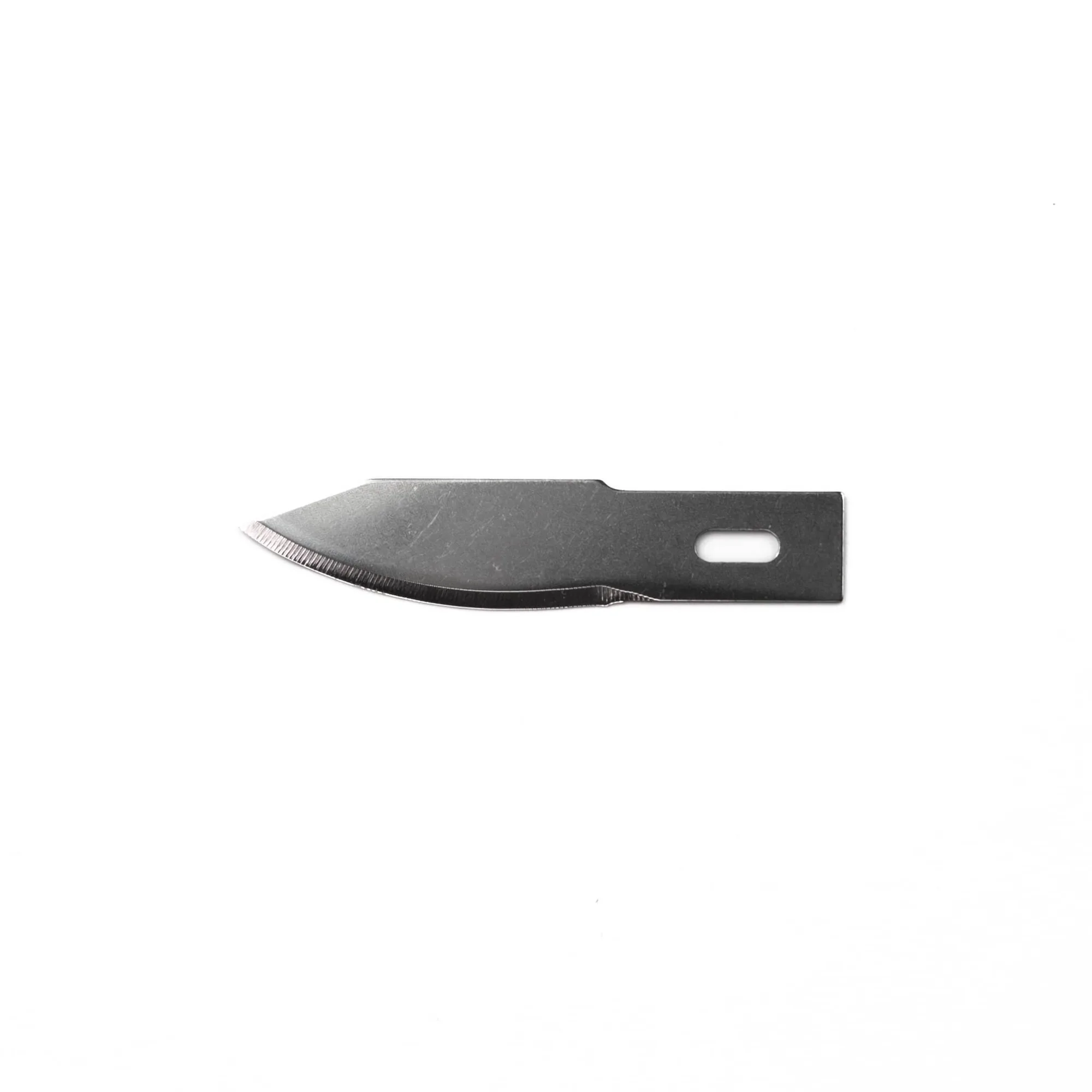
Yes. Carbon steel blades, like the Excel Blades #25 Contoured Blades, take a very keen edge and cut cleanly, but they can dull faster when used on abrasive materials. Titanium nitride coated blades, such as the #92 TiN Coated HD 2-Notch Utility Blade, reduce friction and wear, so they tend to hold an edge longer in tough jobs like drywall or heavy cardboard.
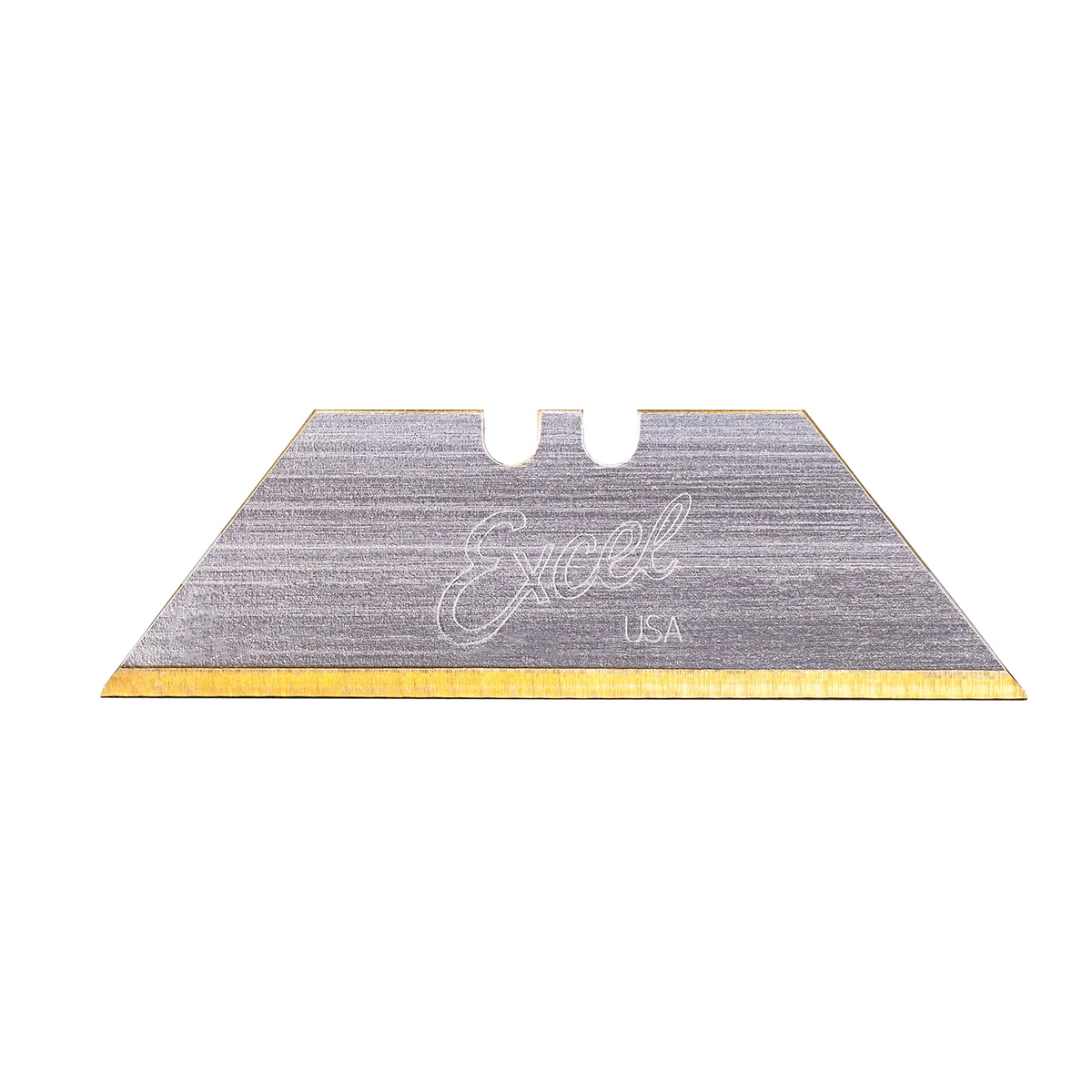
#92 TiN Coated HD 2-Notch Utility Blade
The trade-off is simple: uncoated carbon steel gives you the sharpest possible edge for delicate work, while coated blades trade a little initial bite for longer life in rough materials. Match the blade to the job, and you will replace it less often overall.
Can I sharpen a craft blade instead of replacing it?
For most hobby blades, sharpening is not worth the effort. The edges are thin and precisely honed, and a few strokes on a stone or sharpener often leave an uneven edge that cuts worse than before. Replacement blades are inexpensive, so the time and risk of sharpening rarely pay off.
The exception is a high-quality blade used only on soft materials. If you catch the dullness early, a light stropping on leather or a fine ceramic rod can extend its life for a short while. But once the blade tears paper or requires pressure, retire it. A fresh blade is safer and gives better results.
- Never sharpen a coated blade. You will remove the titanium nitride layer that gives it wear resistance.
- Dispose of used blades in a rigid container, such as a metal tin or a dedicated blade disposal box.
How does the way I cut affect blade life?
Cutting technique matters as much as material. Using a cutting mat protects the edge and keeps the blade from hitting a hard surface. Making multiple light passes instead of one heavy press reduces strain on the edge and gives you more control. Dragging the blade sideways or twisting it while cutting will chip or roll the edge quickly, even in soft materials.
Storing blades properly also extends life. A blade left loose in a drawer can knock against other tools and dull or chip. Keep spare blades in their original packaging or a blade safe, and retract or remove the blade from the handle when you are done. These small habits add up to noticeably longer blade life.
Quick reference: blade replacement checklist
Before every project
Make a test cut on scrap material. If it tears, drags, or requires extra pressure, replace the blade before starting. A 10-second test saves your project.
During long sessions
If you are cutting foam board, leather, or cardboard, swap to a fresh blade halfway through rather than pushing a dull edge. Fresh blade, cleaner cuts, less hand fatigue.
After each use
Retract or remove the blade, wipe it dry, and store it in a blade safe or original packaging. Proper storage prevents chips and accidental cuts.
Blade options that match different replacement needs
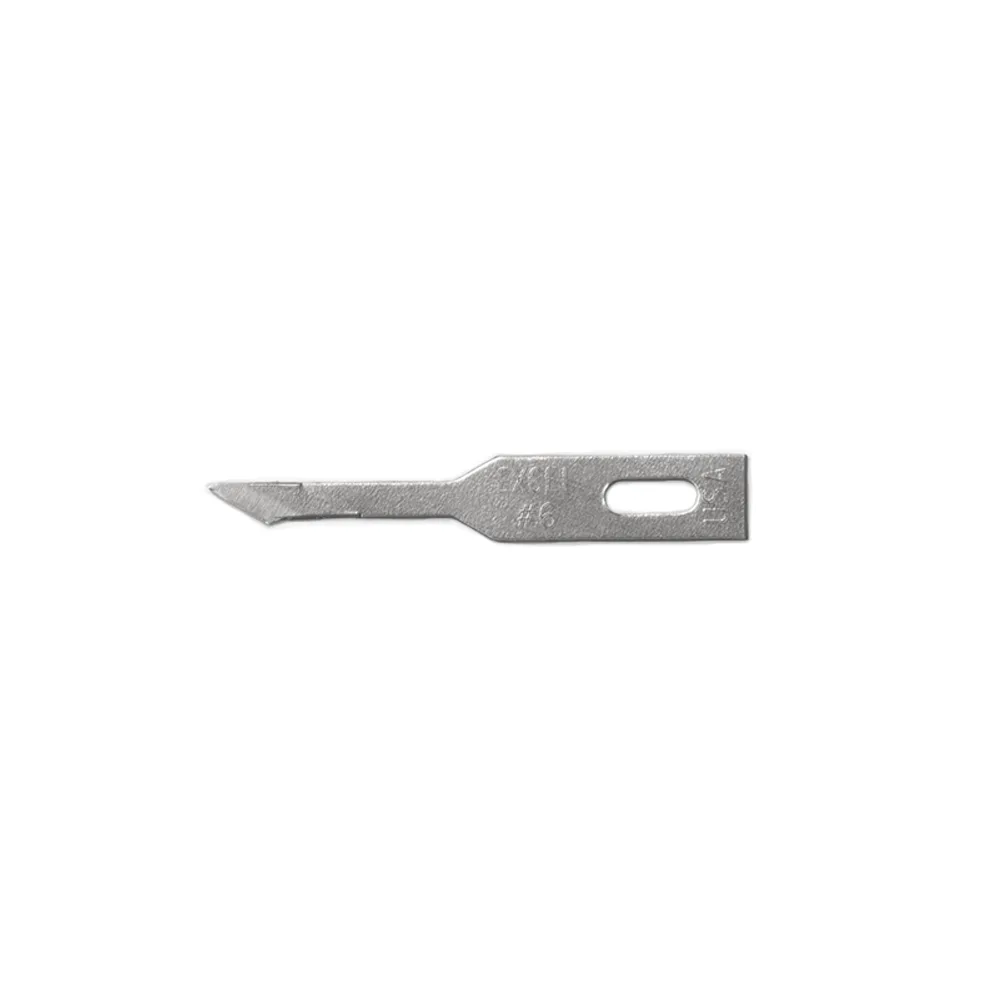
- https://excel-blades.com/products/6-micro-stencil-blade-copy-dfb2f5080ae3996c403cf00a-1634533#6 Micro Stencil Blade (100 pack): Made from carbon steel and available in packs of 100, this blade is designed for scoring and trimming delicate materials like paper, card-stock, stencils, film, photographs, tape, plastic, cork, wood, vinyl, cloth, leather, cardboard, and foam boards. A 100-pack suits crafters who cut delicate materials often and want a fresh, sharp edge without stopping to sharpen. The carbon steel edge is ideal for precision work, but you should still expect to replace it more often when cutting abrasive materials like foam board.
- #25 Curved Contoured Blades: These double-honed carbon steel blades feature a contoured fine point design for smooth, accurate cuts across a wide range of materials. The contoured shape is useful for curved cuts and detail work, but the fine point can dull or bend if you apply too much pressure. Check the tip before each session and replace it when it starts to drag.
- #92 TiN Coated HD 2-Notch Utility Blade: This heavy-duty 2-notch utility blade has a titanium nitride coating that reduces friction and wear, and it is precision-ground for sharpness and longevity. If you cut drywall, heavy cardboard, or other abrasive materials, the TiN coating helps the blade last longer than an uncoated blade. It is a practical choice when you want fewer blade changes during tough jobs.
Replace your craft blade when it stops slicing cleanly, not on a fixed schedule. Keep a small stock of fresh blades matched to your materials, test on scrap before you start, and store used blades safely. A sharp edge is the simplest upgrade you can make to any project.