Quick Answer
A rotary cutter is the better primary tool for most quilting tasks because it cuts long, straight strips and multiple fabric layers quickly. A craft cutting knife is more useful for detailed work like trimming templates, cutting curves, or cleaning up small corners. Many quilters keep both and choose based on the shape and size of the cut.
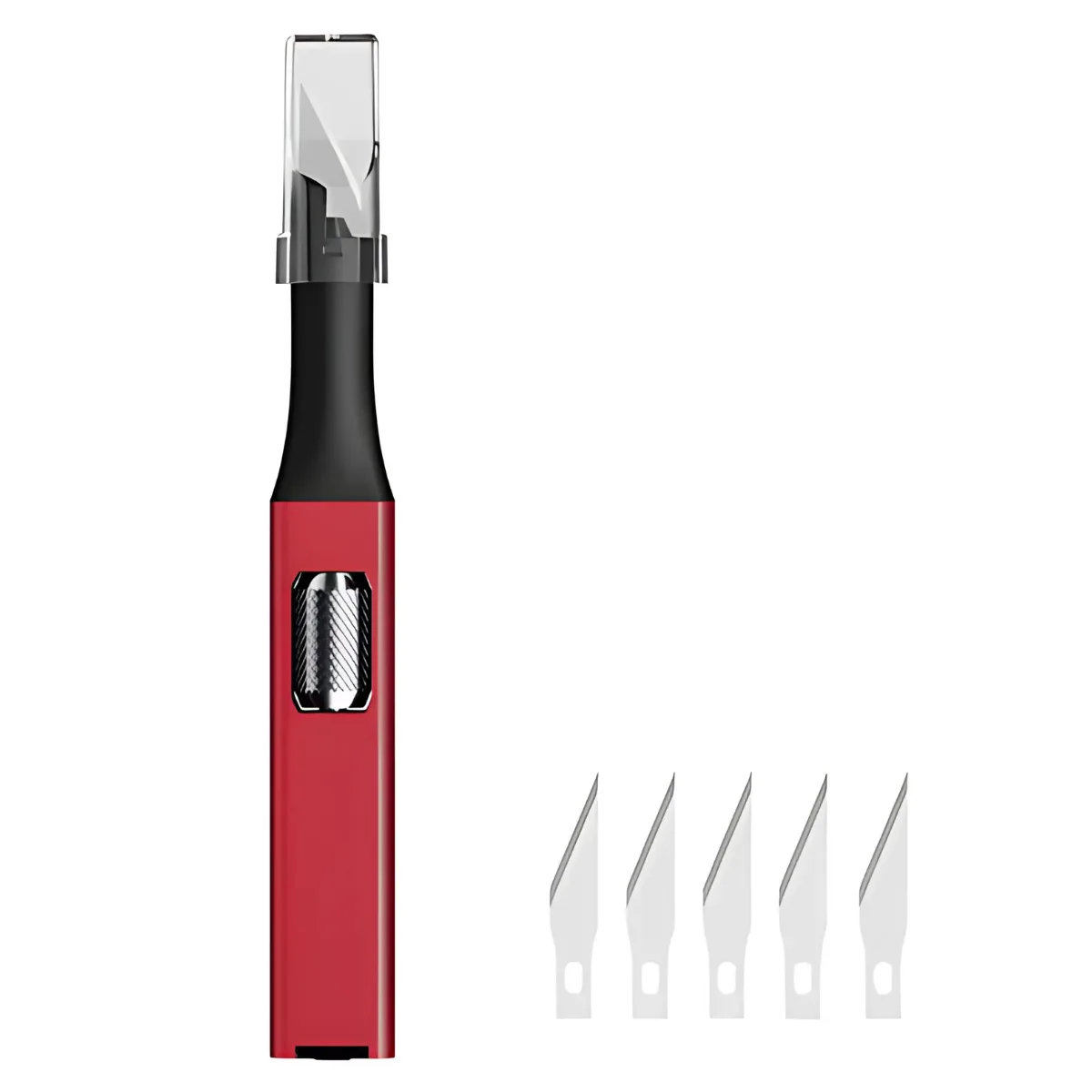
craft cutting knife
If you are setting up your quilting space, you have probably asked whether a craft knife or a rotary cutter deserves the prime spot on your cutting mat. The honest answer is that they solve different problems, and the right choice depends on what you cut most often.
This comparison looks at how each tool handles fabric, what tasks each does well, and where each falls short. You will also see how supporting tools like a 45mm rotary blade set and quilting pins fit into a smooth cutting workflow.
How a Rotary Cutter Works for Quilting
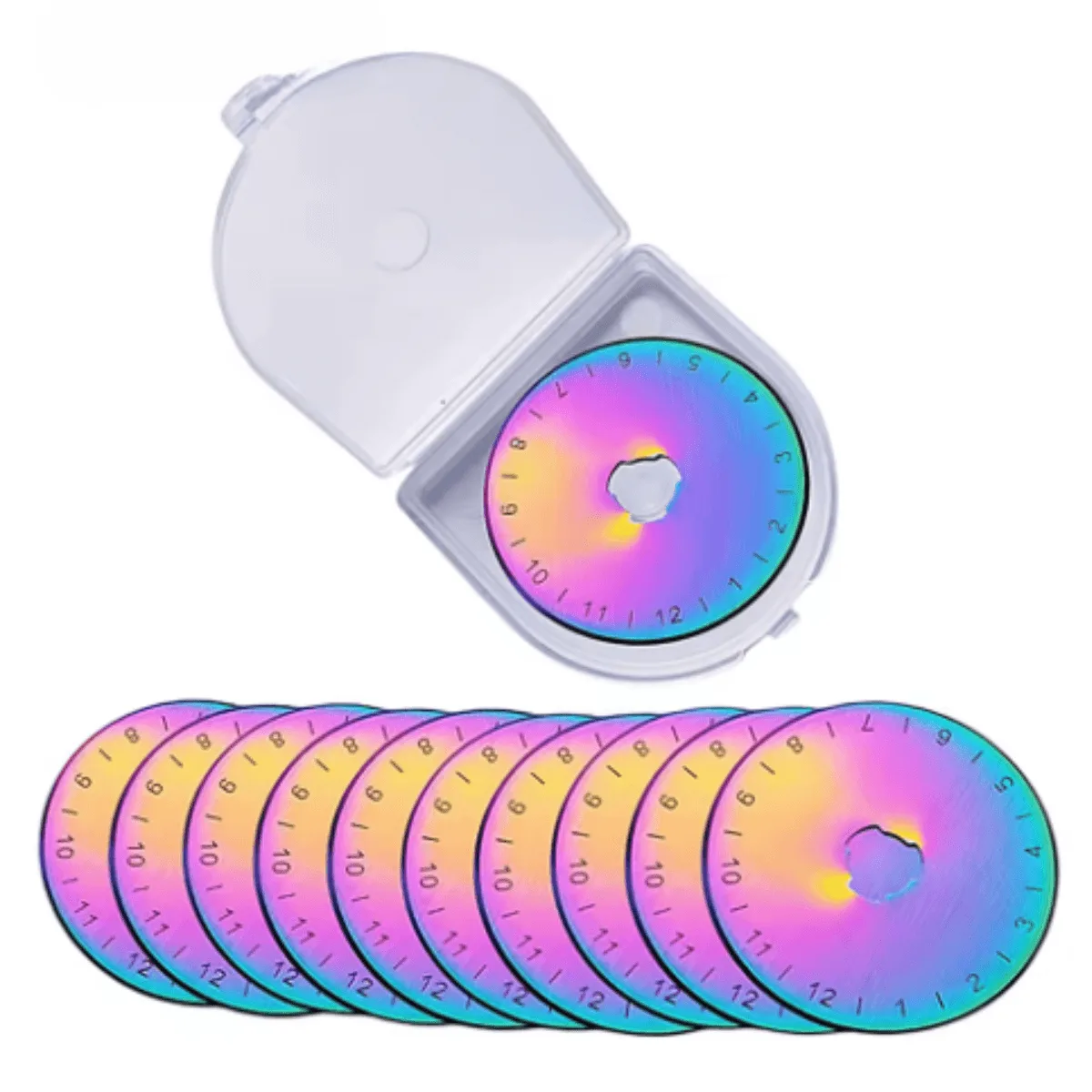
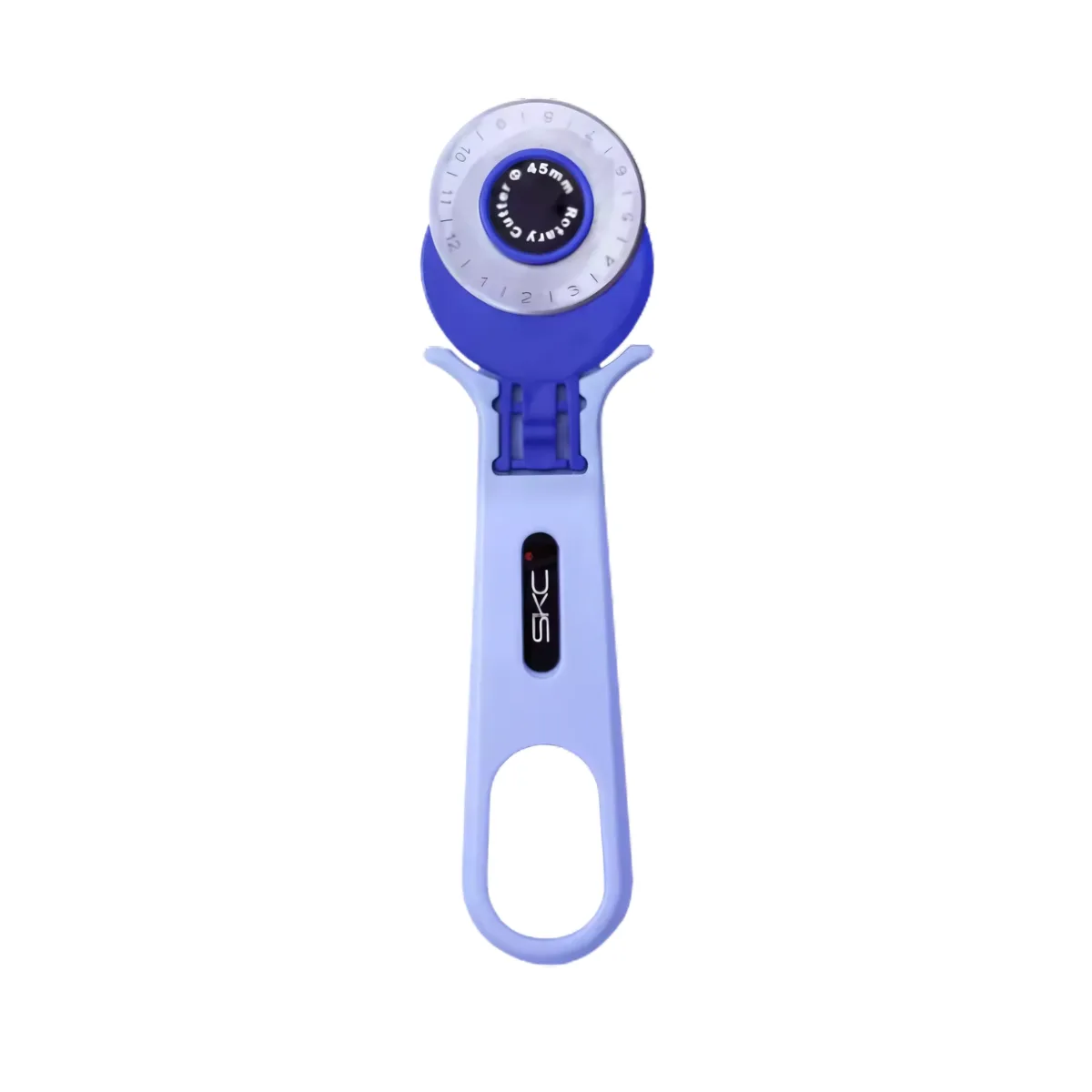
A rotary cutter uses a circular blade that rolls along the fabric as you push it against a ruler. The 45mm size is the most common for quilting because it handles multiple layers and long strips without lifting the fabric. Replacement blades matter more than the handle itself: a sharp blade cuts cleanly, while a dull one skips and drags. The 10-Pack of 45mm Rotary Cutter Blades - Sharp Replacement Blades is a 45mm stainless steel set with a bright rainbow finish, so you can keep a fresh blade ready when the current one slows down.
The main advantage is speed and consistency. Once you line up your ruler, you can cut strip after strip at the same width. The trade-off is that rotary cutters are not designed for tight curves or detailed shapes. They also require a self-healing mat and a steady push, and you must always close the blade guard between cuts.
- Use a rotary cutter for strips, squares, and multiple layers.
- Replace the blade as soon as it starts skipping or leaving threads.
- Always cut away from your body and close the guard after each pass.
How a Craft Cutting Knife Works for Quilting
A craft cutting knife, often called a utility or hobby knife, uses a small pointed blade. That point lets you start a cut inside a shape, follow a curve, or trim a template without lifting the fabric. It is the tool many quilters reach for when a rotary cutter cannot safely make the turn. Because the blade is small, you have more control for short, detailed cuts.
The trade-off is speed and layer capacity. A craft knife is slower for long strips and does not cut through multiple layers as easily as a rotary cutter. It also dulls faster on fabric, so you need to snap off or replace blades often. For most quilt piecing, it is a supporting tool rather than the main cutter.
- Choose a craft knife for curves, corners, and template trimming.
- Change the blade as soon as it starts tearing instead of slicing.
- Use a fresh cutting mat underneath to protect your table and blade.
Cutting Accuracy and Fabric Handling
Accuracy comes down to the cut you are making. A rotary cutter with a ruler gives you repeatable straight cuts, which is why it is the standard for strip piecing and jelly roll projects. The Cherry Blossom Jelly Roll Bundle includes 40 pre-cut cotton strips in red and white florals, polka dots, and stripes, so you can practice straight rotary cuts without cutting yardage first. If your strips are already cut, a rotary cutter still helps you square up the ends.
A craft knife gives you accuracy on shapes a rotary blade cannot follow. If you are cutting around a paper template or trimming a curved applique piece, the pointed blade lets you stay on the line. The trade-off is that freehand knife cuts are harder to keep perfectly straight over long distances, so use a ruler or template as a guide whenever possible.
- Match the tool to the shape: straight lines favor a rotary cutter, curves favor a craft knife.
- Use a ruler with a rotary cutter and a template with a craft knife.
- Test on scrap fabric before cutting into a new bundle.
Blade Cost, Maintenance, and Safety
Both tools need sharp blades, but the cost pattern differs. Rotary blades are larger and usually last longer between changes, while craft knife blades are small and inexpensive but dull faster. The 10-Pack of 45mm Rotary Cutter Blades - Sharp Replacement Blades gives you ten 45mm stainless steel blades, which fits most rotary cutters and keeps a spare on hand. A dull blade of either type is more dangerous because you push harder and lose control.
Safety habits matter more than the tool choice. A rotary cutter should be closed after every cut, even if you plan to cut again in a second. A craft knife should be capped or retracted when not in use. Keep your fingers behind the blade path, and never cut toward your hand. A clean mat and a well-lit surface reduce the chance of slips for both tools.
- Store replacement blades in their original case or a dedicated container.
- Dispose of used blades in a rigid sharps container, not loose in the trash.
- Replace any blade that requires extra pressure to cut.
Marking and Pinning Before You Cut
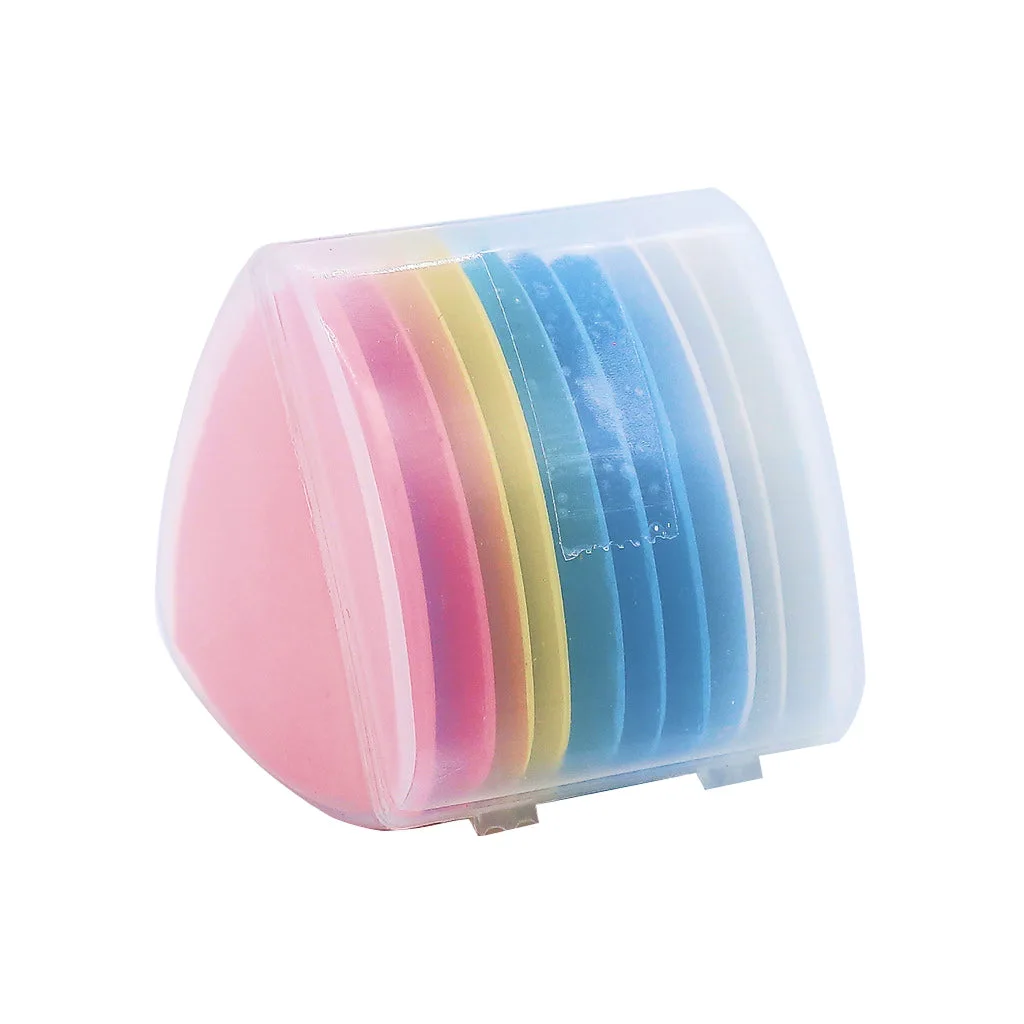
Good cuts start before the blade touches fabric. Marking tools help you see the line, especially on dark or patterned fabric. The Triangle Tailors Chalk (10-pack) leaves crisp, visible marks that glide over fabric, so you can mark seam lines or template edges before cutting. Chalk is easy to brush away, which makes it a practical choice for temporary guides.
Pins hold layers and templates in place so they do not shift while you cut. The Quilting Pins 1.5" 600pcs set gives you 600 glass head pins in a clear plastic box, so you can pin a template or hold a folded edge without running out. The trade-off is that pins add bulk and can catch a rotary blade, so remove them before a rotary pass and use them mainly for craft knife work or basting.
- Mark with chalk before cutting to reduce measuring mistakes.
- Pin templates for craft knife cuts, but keep pins clear of the rotary blade path.
- Store pins in a clear box so you can see when you are running low.
Trade-Offs at a Glance
- Speed vs. Detail: A rotary cutter wins on long straight strips and multiple layers, while a craft knife wins on curves, corners, and template trimming. Keep both if your projects mix strip piecing and shaped pieces.
- Blade Cost vs. Blade Life: Rotary blades are larger and typically last longer between changes, while craft knife blades are small and dull faster on fabric. Buy replacement blades in a pack so you never push a dull blade.
- Mat and Ruler vs. Template and Control: A rotary cutter needs a self-healing mat and a ruler for safe, straight cuts, while a craft knife needs a template or steady hand for detailed shapes. Match the setup to the cut, not to the tool you happen to pick up first.
Cutting Tools and Supplies That Support Both Methods
- 10-Pack of 45mm Rotary Cutter Blades - Sharp Replacement Blades: This set includes ten 45mm stainless steel rotary blades with a bright rainbow finish, designed to fit most rotary cutters. A fresh 45mm blade keeps straight cuts clean and reduces the pressure you need, which is safer and more accurate for strip piecing.
- Triangle Tailors Chalk (10-pack): The soft, smooth chalk glides over fabric and leaves crisp, visible marks that are easy to remove. Clear marks help you line up a ruler for rotary cuts or follow a template with a craft knife, so you cut on the intended line.
- Quilting Pins 1.5" 600pcs: Each glass head pin measures 0.14 inches in diameter and 1.5 inches long, and the 600 pieces come in a clear plastic box. You can pin templates and layers for craft knife cuts without running out, and the clear box keeps pins organized on your cutting table.
Which Cutting Tool Fits Your Quilting?
Best for
- Quilters who cut long strips, squares, and multiple layers for piecing
- Beginners building a first cutting setup with a mat and ruler
- Jelly roll and pre-cut friendly projects that need consistent widths
Not for
- Cutting tight curves or detailed template shapes, where a craft knife gives more control
- Quilters who prefer to avoid a rotary blade and mat setup entirely
A rotary cutter is the better everyday tool for quilting because it handles strips and layers quickly, while a craft knife earns its place for curves and detail work. If you can only buy one, start with a rotary cutter and a 45mm blade set. Add a craft knife when your projects include templates or shaped pieces.