Quick answer
Reach for scissors when you need speed, soft materials, or curved freehand cuts. Reach for a craft knife when the cut must be straight, tight, or repeatable, especially on wood, plastic, or leather. Many crafters keep both within arm's reach and switch per cut rather than committing to one tool.
Scissors and craft knives solve different cutting problems. Scissors shear material between two edges, so they excel at quick snips, curves, and soft stock like paper, fabric, and thin card. A craft knife slices with a single exposed edge, so it holds a line, reaches corners, and handles firmer materials with more control.
The right choice comes down to the cut, not the project. The same paper model may need scissors for a curved canopy and a craft knife for a straight score line. This comparison covers where each tool wins, where it struggles, and which Excel Blades options fit common tasks.
How each tool actually cuts
Scissors cut by shearing: two blades pass each other and pinch material apart. That action is fast and forgiving, which is why scissors are the default for trimming paper, clipping thread, and cutting soft fabric. The trade-off is that the blades lift and curl thin material, and long straight lines tend to wander because your hand steers the whole tool.
A craft knife cuts by slicing with one edge, so the blade follows a ruler or a drawn line with far less drift. That control matters on leather, plastic, and wood, where a clean edge is visible and hard to fix. The trade-off is that a craft knife demands a stable surface, fresh blades, and careful hand position because there is no second blade to guard the cut.
- Use a metal ruler as a straightedge with a craft knife; plastic rulers can be nicked by the blade.
- Keep scrap card under the work so the blade tip does not dull on the table.
Material match: paper, leather, wood, and plastic
On paper and thin card, scissors handle curves and quick trims, while a craft knife handles straight edges, window cutouts, and score lines. If you are cutting many identical shapes, the knife plus a template is more repeatable. For one-off gift tags or quick snips, scissors are simply faster.
On leather, plastic, and thin wood, the balance shifts to the craft knife. These materials resist shearing, so scissors tend to crush or distort the edge. A sharp hobby blade slices cleanly and lets you follow a pattern. The exception is very thin leather or soft plastic sheet, where sharp scissors can still work for rough cuts.
- Test on scrap first: if scissors leave a white stress line or crushed edge, switch to a knife.
- Change blades when you feel drag; a dull blade tears instead of slices.
Control, safety, and cleanup
Scissors keep your fingers away from the cutting edge, so they are the safer default for children and quick tasks. A craft knife exposes a sharp edge and requires attention to hand placement, blade changes, and storage. The reward is precision that scissors cannot match on straight or tight cuts.
Cleanup differs too. Scissors leave offcuts you can sweep; a craft knife can leave fine shavings and scored lines that need a quick wipe. Neither tool is inherently better, but the safety and cleanup habits you build around each one determine how clean your results look over time.
- Cut away from your body and keep the hand holding the material behind the blade path.
- Cap or retract the blade after every cut, and store knives separately from loose tools.
Where Excel Blades fits each side
For knife work, the #21 Stainless Steel Hobby Blades are a straight-edge option for light to medium trimming and scoring on wood, plastic, paper, and leather. They are made in the USA from stainless steel and come in a multi-pack, so you can swap a fresh edge instead of pushing a dull one. Pair them with a handle that holds the blade securely for straight cuts.
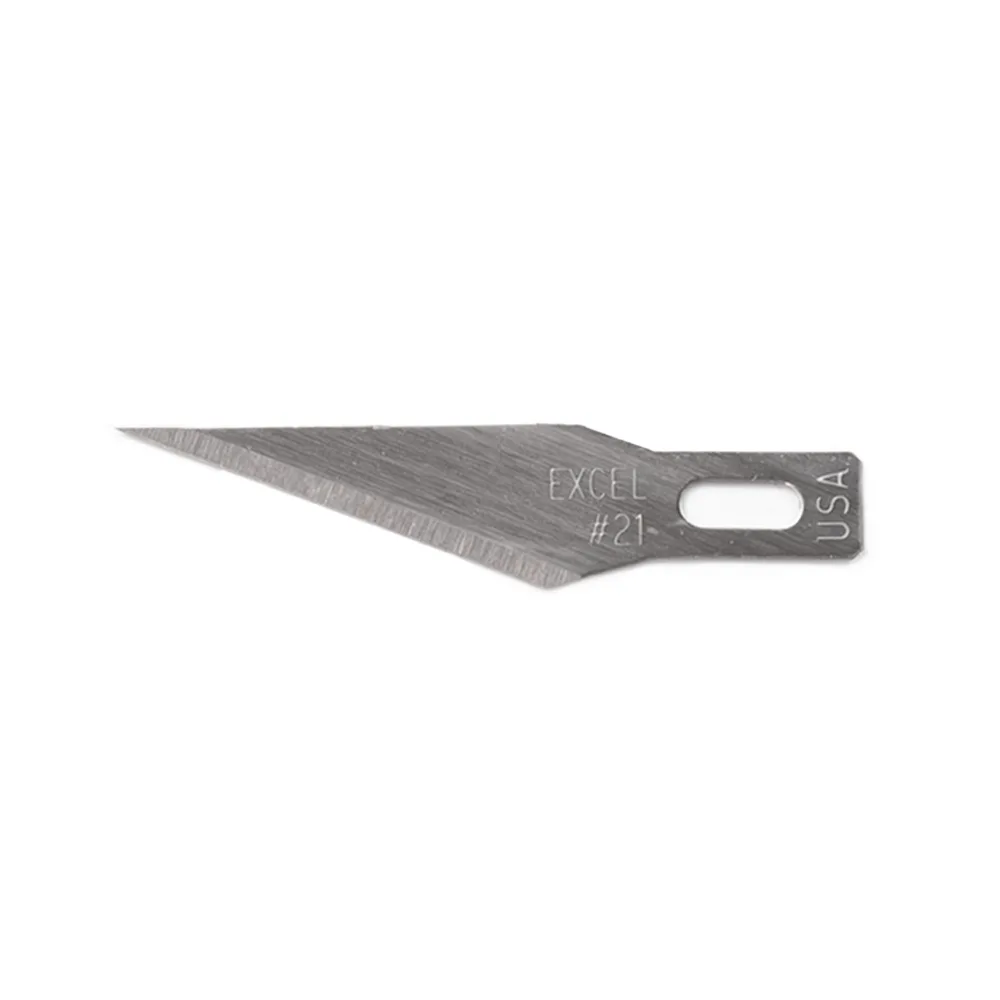
#21 Stainless Steel Hobby Blades
For projects that mix tools, the Deluxe Airplane Tool Set bundles knife handles with a 4-jaw aluminum chuck for more secure blade positioning and hold, housed in a wooden case with a clasp lock. That setup suits artists who switch between slicing and detail work and want the tools organized rather than loose in a drawer.
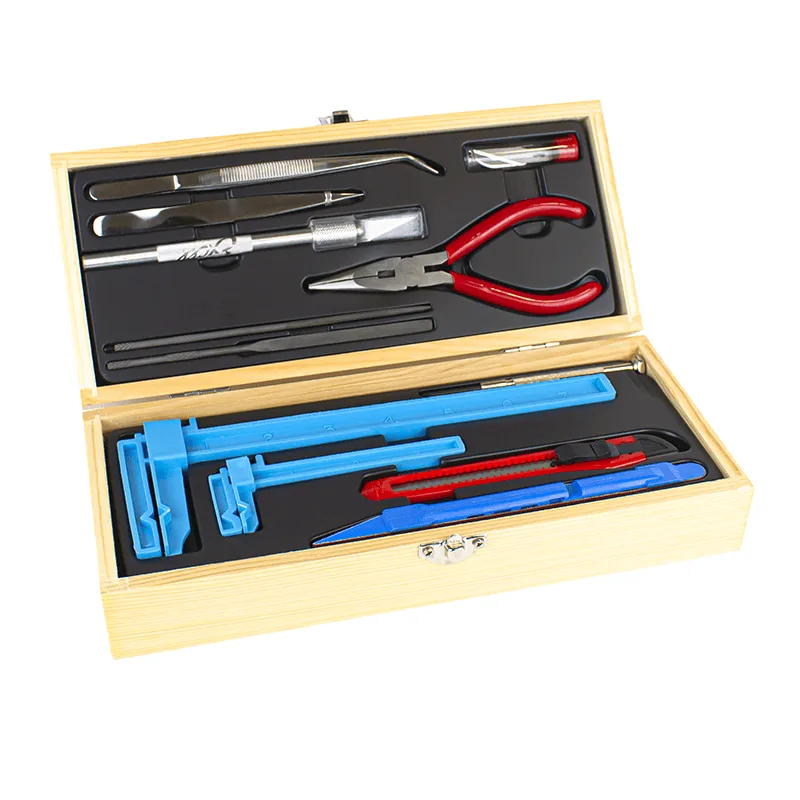
Deluxe Airplane Tool Set
- Match blade shape to task: straight edges for lines, finer profiles for curves and detail.
- Store spare blades in their pack so edges stay protected between changes.
Trade-offs to weigh before you cut
- Speed vs accuracy: Scissors are faster for short, soft cuts, but they drift on long straight lines. A craft knife is slower per cut but holds a line with far less cleanup. Choose scissors for speed, a knife for accuracy.
- Safety vs control: Scissors keep fingers behind the edge, while a craft knife exposes the blade for precision. The knife demands a stable surface, fresh blades, and careful hand placement. Pick the tool that matches the risk you can manage on that cut.
- Blade wear vs material: Soft paper dulls scissors slowly; leather, plastic, and wood wear a knife edge quickly. A multi-pack like the #21 blades lets you swap instead of forcing a dull cut. Budget for blade changes on firm materials.
Product facts that affect the choice
- #21 Stainless Steel Hobby Blades: Classic, super sharp stainless steel straight-edge blades made in the USA, suited to light to medium duty trimming and scoring on wood, plastic, paper, and leather. A straight edge tracks a ruler well, so this is the blade to reach for when scissors would wander on a long cut.
- Deluxe Airplane Tool Set: Includes knife handles that house a 4-jaw aluminum chuck for more secure blade positioning and hold than a standard setup, in a wooden case with a clasp lock. A secure chuck reduces blade wobble, which matters when you are cutting straight lines that scissors cannot hold.
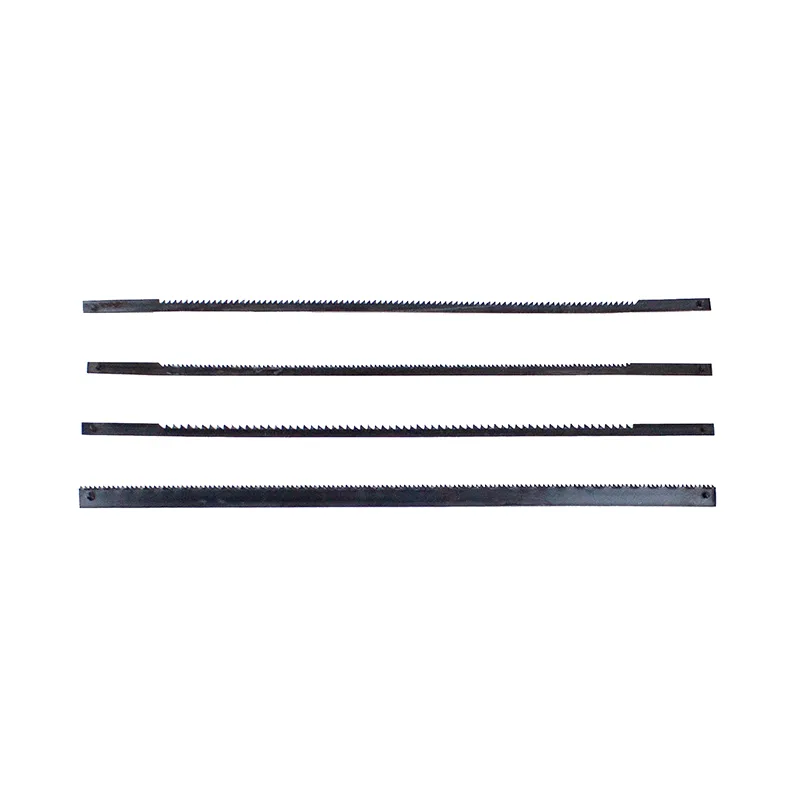
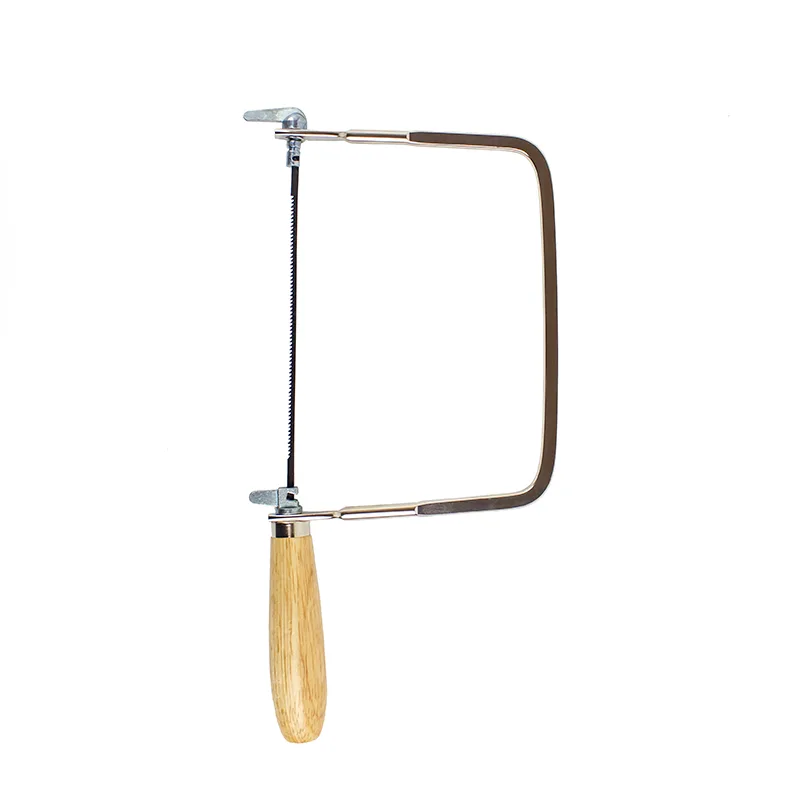
- https://excel-blades.com/products/coping-saw-blades-a81225119e0f28fec043b14f-1634822Coping Saw Blades: 6-9/16 inch replacement blades in a 4-pack with a mix of (2) #1, (1) #2, and (1) #3 blades for different materials and cut depths. When a cut is too thick or curved for both scissors and a craft knife, a coping saw with the right blade number is the better tool.
Which tool fits your cut
Best for
- Quick trims, curves, and soft materials like paper, fabric, and thin card with scissors
- Straight lines, tight corners, and repeatable shapes on leather, plastic, and wood with a craft knife
- Mixed projects where you switch tools per cut rather than committing to one
Not for
- Long straight cuts with scissors, which tend to wander and crush the edge
- Thick stock or deep curves that need a saw rather than a knife or scissors
- Tasks where blade exposure is a safety concern, such as cutting with children
Treat scissors and a craft knife as partners, not rivals. Let the material and the line decide which one you pick, keep a fresh blade on hand for knife work, and your edges will come out cleaner with less rework.