Quick answer
Choose Stash & Store pods when you need to see and reach supplies fast, storage boxes when you need stackable protection for heavier or fragile items, and storage bags when you need to carry tools to a class or crop. Most craft rooms work best with a mix: pods for daily tools, boxes for bulk and backup, bags for travel.
Craft storage is not one product; it is a set of trade-offs between seeing your supplies, protecting them, and carrying them. A box that stacks neatly may hide everything inside. A bag that travels well may crush delicate die cuts. A pod that keeps markers visible may not survive a crowded shelf.
This comparison looks at the three main container types using the storage options available from Crafter's Companion, including Stash & Store, storage boxes, and storage bags. It explains what each format does well, where it falls short, and how to combine them so your craft room organisation actually holds up.
What each storage type is actually good at
Boxes are the protective workhorses. They stack, they shield contents from dust and light, and they suit heavier items such as die cutting machines, cutting plates, and bulk paper. The trade-off is visibility: once a box is closed and stacked, you need a labelling system or you will forget what is inside. Boxes also take up fixed shelf space even when half empty.
Bags are the portability option. A storage bag lets you carry stamps, dies, or an art kit to a workshop without repacking into a tote. The trade-off is protection. Soft-sided bags do not stack well, they offer less crush resistance, and they are easy to overfill until the zip or handle complains. Bags work best as a transfer layer, not as your main archive.
Pods sit between the two. A Stash & Store pod is designed to keep supplies grouped and visible, so you can pull one pod off a shelf and have a project's components together. The trade-off is that pods are usually open or semi-open, so they suit items you use often and protect less against dust than a closed box.
- Label boxes on the short edge so you can read them when stacked.
- Keep one bag packed with your most-used travel tools so class prep takes minutes, not an hour.
Visibility vs protection: the core trade-off
Every storage choice trades visibility against protection. Open pods and clear-front boxes win on visibility: you can see what you have, which reduces duplicate purchases and speeds up project prep. Closed, opaque boxes win on protection: contents stay dust-free and out of direct light, which matters for paper, inkpads, and anything with adhesive.
If you craft weekly, visibility usually matters more because you are constantly pulling items in and out. If you store seasonal or backup supplies, protection matters more because the items sit untouched for months. A practical split is to keep current-project supplies in pods and long-term stock in closed boxes, then use bags only for items that leave the house.
- Photograph the contents of each closed box and keep the images in a phone album for quick reference.
- Rotate seasonal supplies into pods when their season approaches so you are not digging through archive boxes.
How to match storage to supply type
Markers, pens, and small tools suit pods or compartment boxes because you want them upright and visible. Paper and cardstock suit vertical boxes or paper storage so sheets stay flat and unbent. Dies and stamps suit wallets, binders, or slim boxes that keep them sorted by set, because loose dies scratch and loose stamps attract dust.
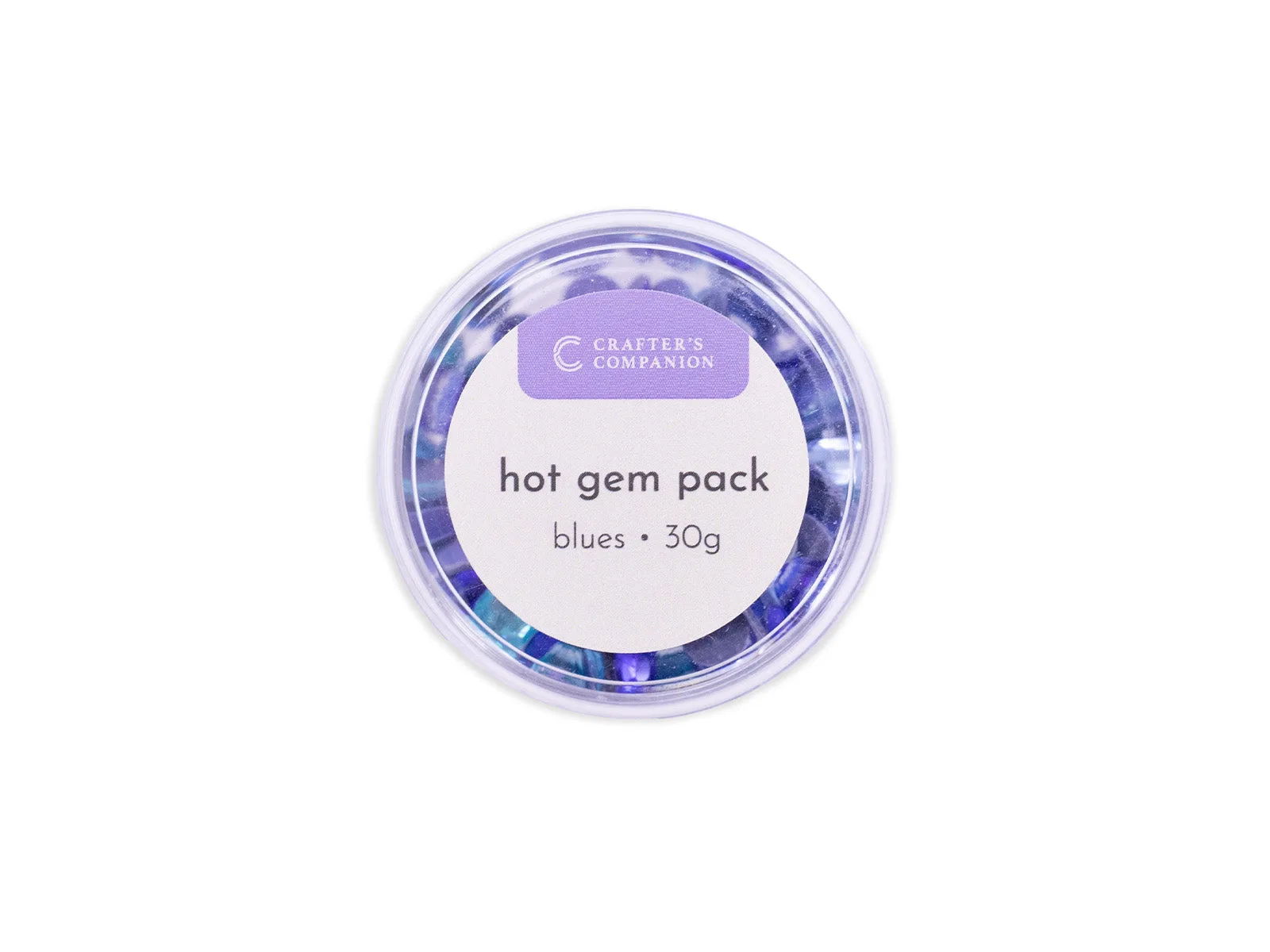
Embellishments such as sequins, gems, and gilding flakes need small, closed containers inside a larger box or pod. If you store them loose in an open pod, you will find glitter in every other supply within a month. Adhesives and inkpads are best kept closed and upright, away from heat and direct sun.
- Group by project type, not by product category, if you usually craft in themed sessions.
- Leave 20 percent empty space in each container so you can add new supplies without reorganising everything.
Portability and craft room organisation
If you craft in more than one room or attend classes, portability changes the ranking. A bag with a handle and a wide opening is easier to pack and unpack than a stack of boxes, but it offers less protection in transit. A pod with a lid can travel short distances, but it is not a substitute for a padded bag if you are carrying glass or metal tools.
For a permanent craft room, prioritise shelf fit and stacking. Measure your shelf height and depth before buying, because a box that is 2 cm too tall will sit on the floor forever. For a shared or temporary space, prioritise containers that nest or fold when empty so you are not storing empty storage.
- Measure shelf height, depth, and the door swing before buying any large storage box.
- Keep a small 'in transit' kit in a bag so you never dismantle your main storage for a single class.
Trade-offs at a glance
- Storage boxes: Best protection and stacking, but contents are hidden and boxes take fixed shelf space even when partly empty. Choose boxes for heavy tools, bulk paper, and long-term backup stock.
- Storage bags: Best portability for classes and crops, but soft sides offer less crush protection and do not stack neatly. Choose bags for travel kits you repack often, not for permanent storage.
- Stash & Store pods: Best visibility and quick access for daily supplies, but open or semi-open designs protect less against dust than a closed box. Choose pods for current projects and tools you reach for every session.
Product facts that affect storage choices
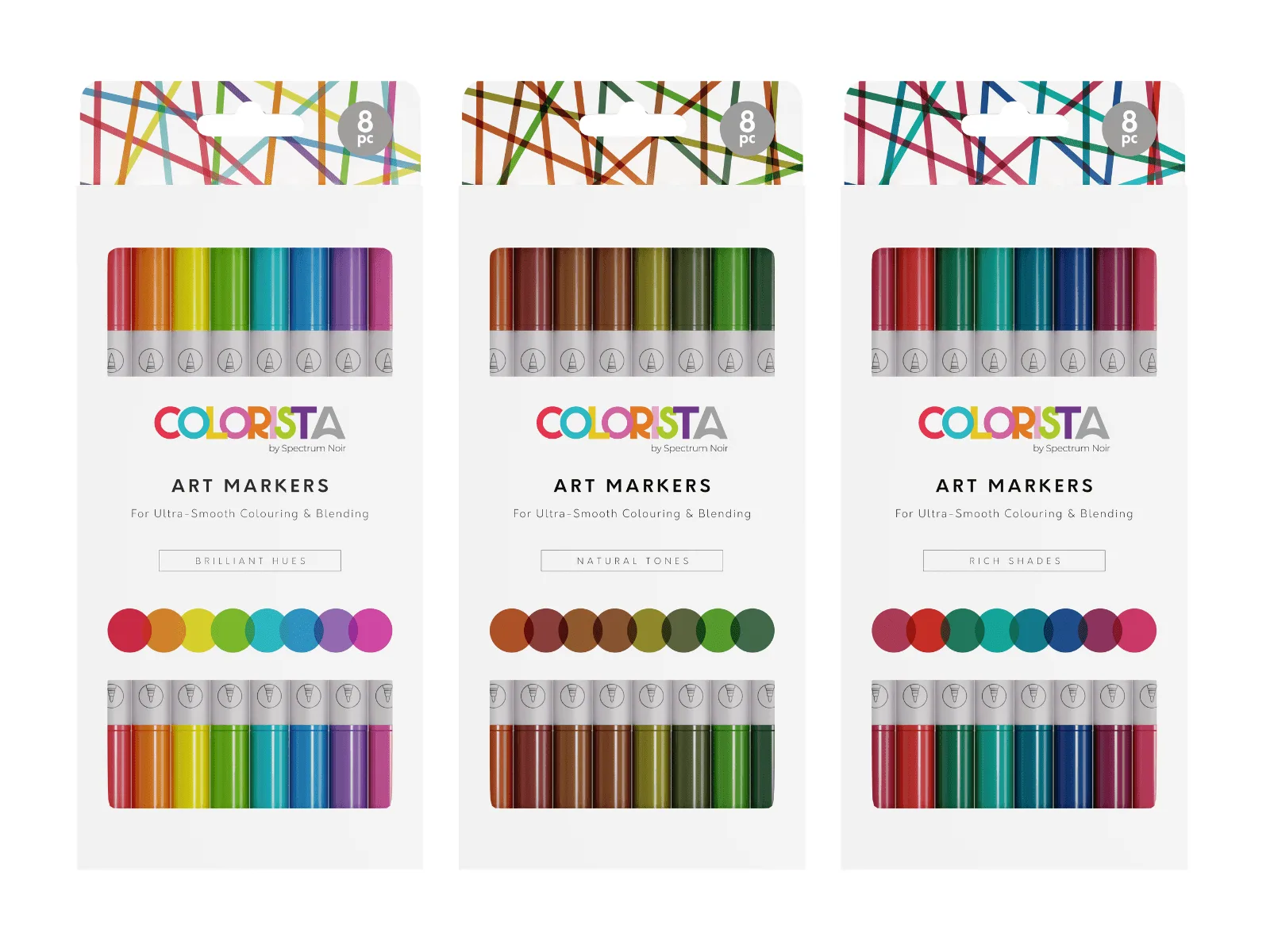
- Colorista Art Marker 3 pk Collection: This collection brings together three art markers in one set, offered as a single Standard option, SKU 270526-KIT-6. A three-marker set is small enough for a pod or a marker wallet, so you can keep it visible on a desk rather than buried in a box.
- Crafter's Companion 6"x4" 3D Embossing Folder - Holly and Candles: Partial 3D embossing folders create a raised design on sections of your card, leaving the rest free to decorate with toppers, stamps, and gems. Embossing folders are flat and rigid, so they store best in a slim box or a divider pocket where they cannot be bent or crushed.
- Crafters Companion Tea & Coffee Collection Photopolymer Stamp Set - Tea for Two: This 21-piece photopolymer stamp set includes tea-inspired sentiments and is transparent so you can line up the sentiment accurately. A 21-piece stamp set needs a labelled pocket or small box; loose stamps in an open pod will scatter and pick up dust.
- Jars, Bottles & Vases Stamp Set: This set features illustrated glass containers and is designed for pairing with pressed flowers, foliage, and delicate embellishments to build floral scenes. If you pair this set with pressed flowers, keep those delicate pieces in a closed box or small pod so they stay flat and dust-free.
Which storage should you choose?
Best for
- Crafters who want a mixed system: pods for daily tools, boxes for bulk and backup, and a bag for classes.
- Small craft rooms where shelf fit and visibility matter more than long-term dust protection.
- Papercrafters who store stamps and dies in sets and need to keep matching pieces together.
Not for
- Crafters who need one container to do everything; a single format will always compromise on either visibility or protection.
- Anyone storing heavy die cutting machines in a soft bag without a rigid base.
- Crafters who never label containers; opaque boxes without labels become a guessing game.
There is no single best craft storage container, only the right mix for how you craft. Start with pods for the supplies you touch every week, add boxes for the items you protect and stack, and keep one bag packed for travel. Measure your shelf first, label everything, and leave room to grow.