Quick answer
Cranberry extract in capsule form delivers a concentrated, low-sugar dose that is easy to take consistently, making it the more practical choice for daily urinary tract support. Cranberry juice can be part of a healthy routine, but many commercial juices are high in sugar and contain less concentrated cranberry compounds. For most people, a standardized cranberry extract supplement is the more reliable option.
If you have ever reached for cranberry juice after a urinary tract infection (UTI) or added cranberry pills to your cart, you are not alone. Cranberry has a long history of use for urinary tract support, but the form you choose matters more than the fruit itself. Extract and juice are not interchangeable, and understanding the differences helps you pick the right option for your daily routine.
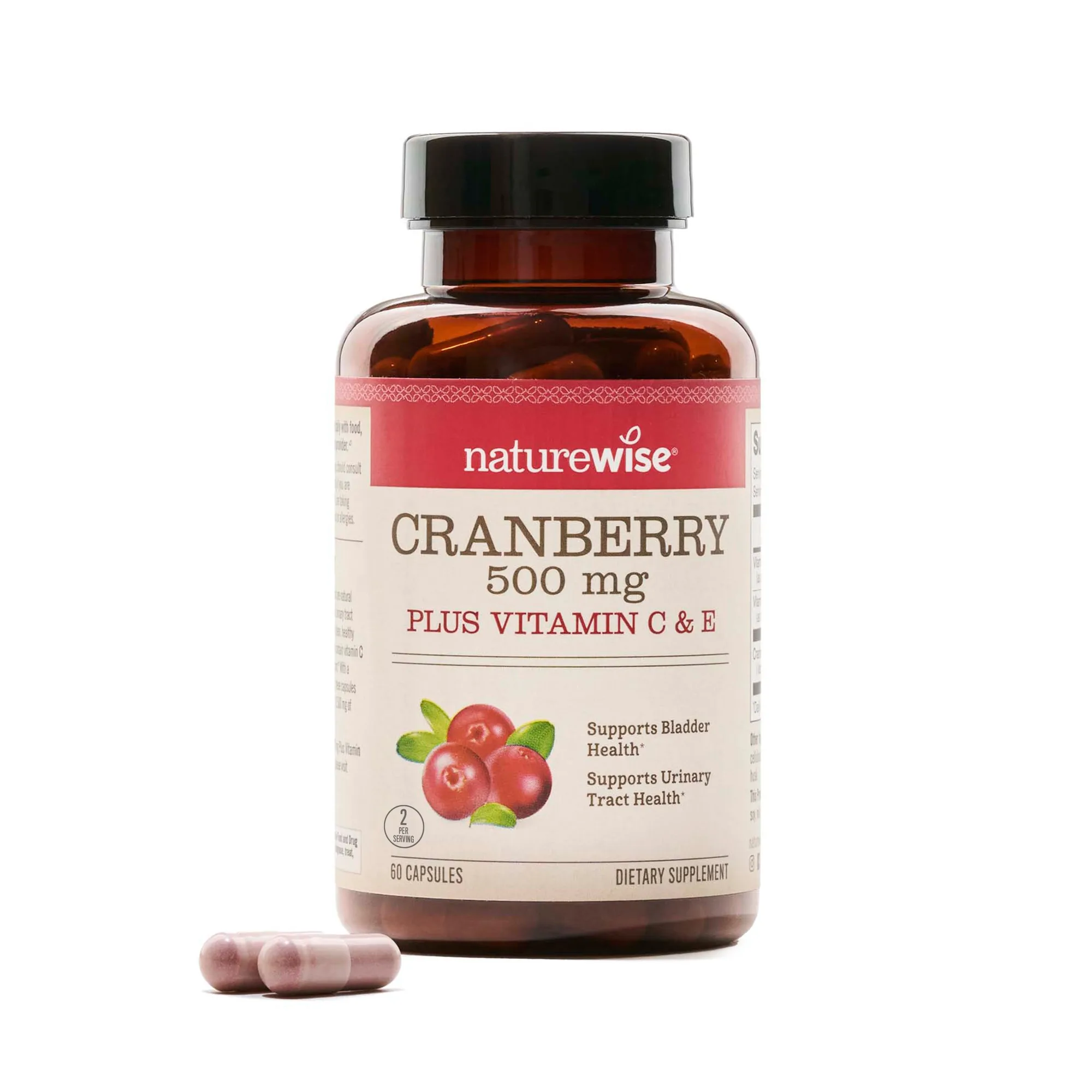
cranberry pills
This comparison breaks down how cranberry extract and cranberry juice differ in concentration, sugar content, convenience, and evidence. You will also find practical guidance on cranberry extract dosage, what to look for on a label, and when a supplement may be a better fit than a glass of juice.
How cranberry supports urinary tract health
Cranberry contains proanthocyanidins (PACs), compounds that help keep bacteria from sticking to the urinary tract lining. This anti-adhesion effect is the main reason cranberry is studied for UTI prevention. The key detail is that PACs are concentrated in the fruit, not the juice, and processing can reduce their activity. A product's PAC content, not just its cranberry content, is what matters most for urinary tract support.
Because PACs are the active compounds, the best form of cranberry is the one that delivers a consistent, meaningful amount of PACs without unnecessary sugar or calories. That is where extract and juice start to diverge.
- Look for the PAC content on the label, not just 'cranberry powder' or 'cranberry juice concentrate.'
Cranberry extract: concentration and consistency
Cranberry extract is made by concentrating the fruit's solid components, including PACs, into a powder or capsule. This allows a small serving to deliver a much higher concentration of active compounds than you would get from drinking juice. For example, a typical cranberry extract capsule may provide the equivalent of several ounces of juice in a single dose, without the sugar or liquid volume.
Extract also offers consistency. A standardized extract lists its PAC content, so you know what you are getting each time. That reliability is why cranberry pills for UTI prevention are a popular choice among people who want a simple daily habit. The trade-off is that you miss the hydration and whole-food experience of drinking juice.
- Standardized extracts list PAC content, making dosing more predictable.
- Capsules are portable and do not require refrigeration.
Cranberry juice: hydration with a sugar caveat
Cranberry juice cocktail is widely available and pleasant to drink, and the extra fluid can support hydration, which is itself helpful for urinary tract health. However, many commercial cranberry juices are blends with added sugar or other fruit juices, and they may contain relatively little actual cranberry. Even 100% cranberry juice is naturally tart and often sweetened to be palatable.
The sugar content is the main trade-off. A typical 8-ounce serving of cranberry juice cocktail can contain 20–30 grams of sugar, which adds up quickly if you drink it daily. For people watching blood sugar or calorie intake, juice is a less efficient way to get cranberry's benefits. If you enjoy juice, choose an unsweetened or lightly sweetened version and treat it as a beverage, not a concentrated supplement.
- Check the label for added sugar and the percentage of real cranberry juice.
- Unsweetened cranberry juice is very tart; you can dilute it with water.
Cranberry extract dosage: what to look for
There is no single official cranberry extract dosage, but research often uses extracts standardized to 36 mg of PACs per day, sometimes split into two doses. Many supplements aim for this range. If a label does not list PAC content, you cannot easily compare it to studied doses. That is a limitation worth noting: without PAC information, you are guessing at the active amount.
When comparing cranberry concentrate vs juice, remember that concentrate is simply a more concentrated form of juice, while extract is standardized for PACs. For UTI prevention supplements, extract with a stated PAC level is generally the more reliable choice. Always follow the serving suggestion on the product and talk with your healthcare provider if you have frequent UTIs or take blood-thinning medication, as cranberry may interact with warfarin.
- Aim for a product that discloses PAC content per serving.
- If you take warfarin, ask your doctor before using cranberry supplements.
Convenience, cost, and daily routine
Cranberry extract capsules win on convenience. You can take them anywhere, they do not require refrigeration, and they add no sugar or liquid calories. Juice requires buying, storing, and drinking a significant volume to approach the PAC content of a single capsule, which makes daily consistency harder. Cost per serving also tends to favor extract, especially when comparing the amount of cranberry needed to reach a meaningful PAC dose.
That said, juice can be a pleasant way to stay hydrated, and some people prefer a food-first approach. If you choose juice, look for 100% cranberry juice with no added sugar and accept that you may need a larger volume to get similar compounds. For most people seeking urinary tract support, extract is the more practical daily habit.
- Capsules are easier to keep consistent than a daily glass of juice.
- If you prefer juice, choose unsweetened 100% cranberry juice.
Trade-offs at a glance
- Concentration: Cranberry extract is standardized for PACs, delivering a concentrated dose in a small serving. Juice is mostly water and sugar, with variable PAC content. Extract wins for predictable active compounds.
- Sugar and calories: Cranberry juice cocktail often contains 20–30 g of sugar per 8 oz. Extract capsules typically contain little to no sugar. Extract is the better choice if you monitor sugar intake.
- Convenience: Capsules are portable and shelf-stable. Juice requires refrigeration and drinking a larger volume daily. Extract fits busy routines more easily.
- Hydration: Juice contributes to fluid intake, which supports urinary tract health. Capsules do not. If you choose extract, drink plenty of water alongside it.
- Evidence and dosing: Research often uses extracts standardized to 36 mg PACs daily. Juice studies are less consistent because PAC content varies. Extract allows you to match studied doses more closely.
Product facts to compare
- NAD+ Support Complex: Vegan, contains clinically tested Quercefit®, serving size of 2 capsules. Supports healthy NAD levels, healthy aging, and cellular renewal. While not a cranberry product, this illustrates how a supplement can target cellular health. If your goal is specifically urinary tract support, cranberry extract remains the relevant choice.
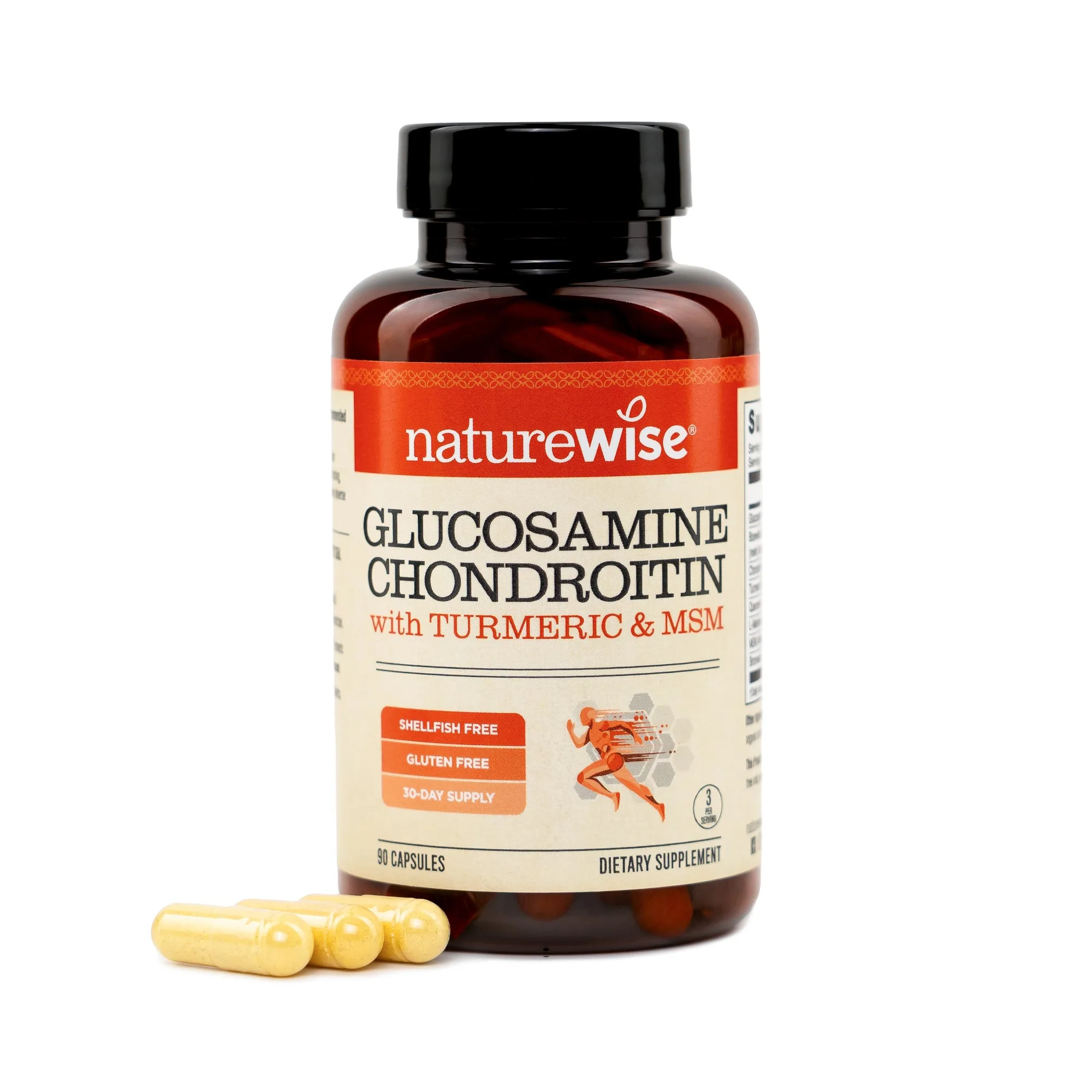
- Glucosamine Chondroitin: 1,500 mg of Glucosamine Sulfate per serving, shellfish free, 3 capsules per serving. Supports joint comfort, cartilage health, and antioxidant levels. This is a joint health formula, not a cranberry supplement. It shows how serving sizes and targeted ingredients differ across products, so always read the label for the active you need.
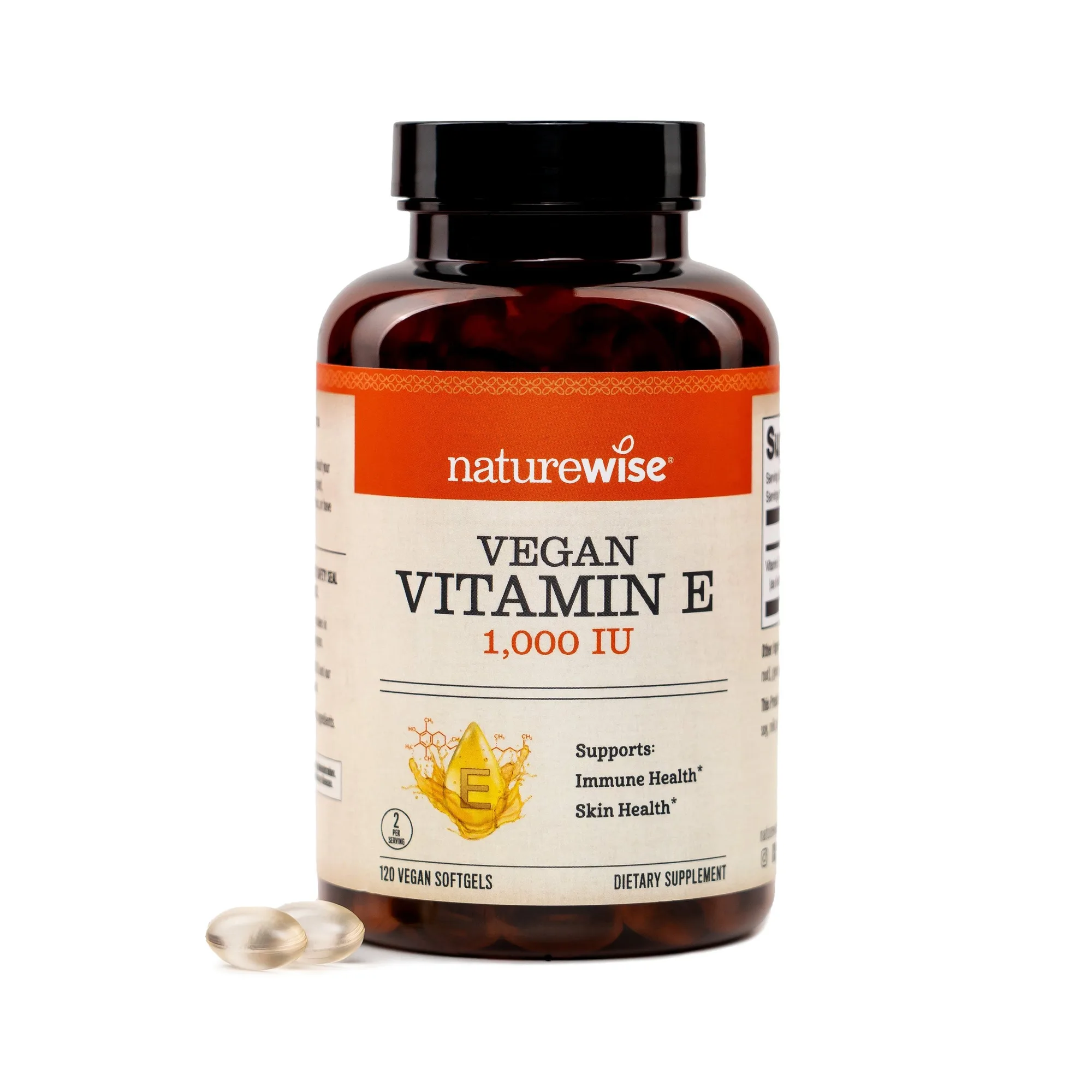
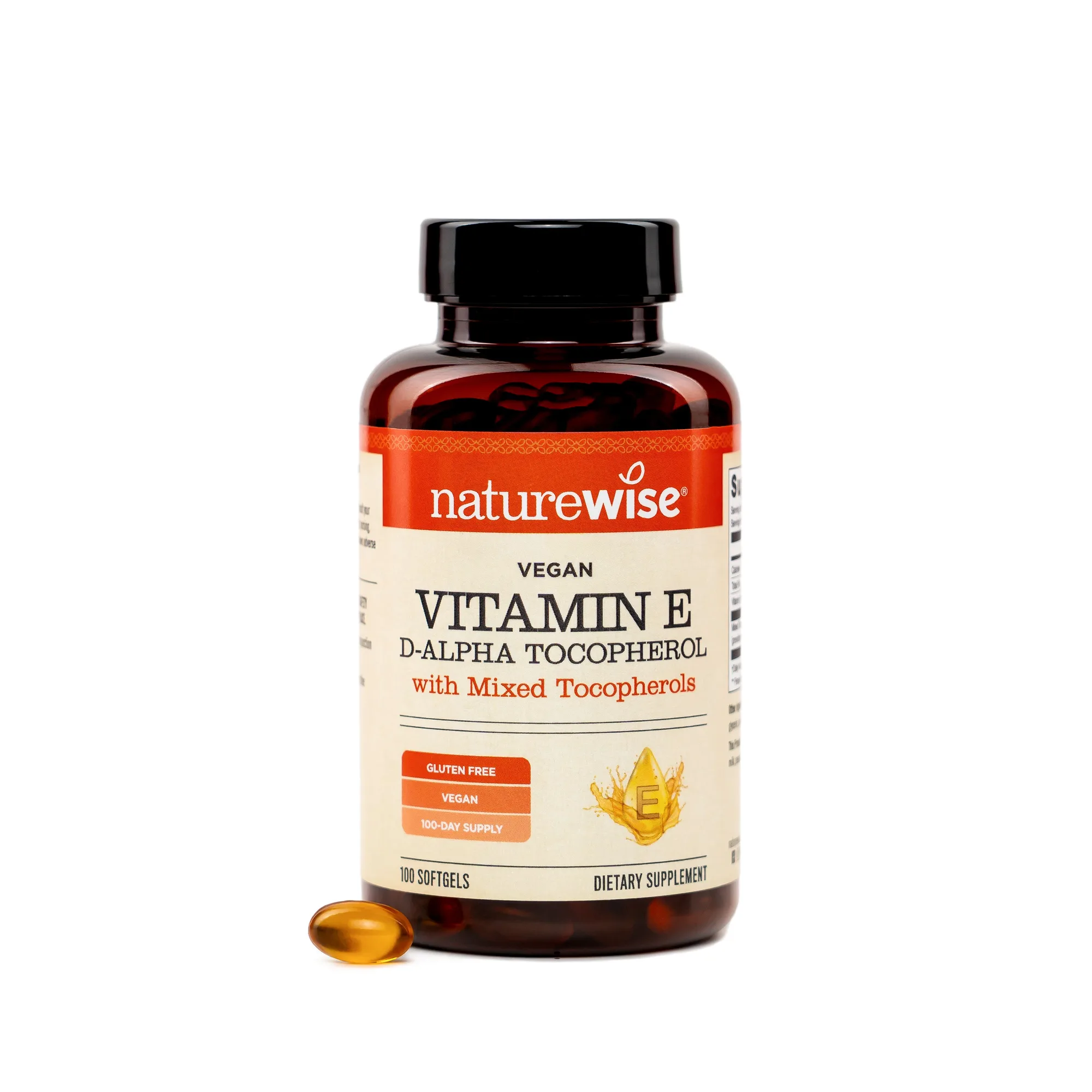
- https://naturewisenmz.com/products/vitamin-e-d-alpha-24b21f553a4962814716f60a-2611051Vegan Vitamin E D-Alpha: 400 IU of Vitamin E as d-Alpha Tocopherol per serving, includes mixed tocopherols, vegan. Supports immune health, eye functions, skin health, and antioxidant activity. Antioxidant support can complement overall wellness, but it does not replace cranberry for urinary tract support. Use targeted products for targeted needs.
Which form fits you?
Best for
- People who want a consistent, low-sugar daily cranberry supplement for urinary tract support.
- Those who have trouble drinking enough juice or want a portable option.
- Anyone who prefers a standardized dose with disclosed PAC content.
Not for
- People who prefer a food-first approach and enjoy drinking cranberry juice regularly.
- Those who need extra hydration and will actually drink unsweetened juice daily.
- Anyone taking warfarin or with a history of kidney stones, who should consult a healthcare provider before using cranberry supplements.
Cranberry extract and cranberry juice both have a place, but they are not equal for urinary tract support. Extract offers concentrated PACs, no sugar, and easy daily consistency. Juice can help with hydration but often comes with added sugar and uncertain PAC levels. For most people, a standardized cranberry extract is the more practical choice. Whichever you pick, pair it with plenty of water and check with your doctor if you have recurrent UTIs or take blood thinners.