Quick Answer
If your main goal is building strength and muscle mass, creatine monohydrate is the clear winner—it's one of the most researched supplements for those outcomes. BCAAs can support recovery and reduce fatigue during workouts, but they're less essential if you already get enough protein. For most people, creatine monohydrate offers more noticeable benefits.
When you're trying to get the most out of your training, the supplement aisle can feel overwhelming. Two names you'll see everywhere are creatine monohydrate and BCAAs (branched-chain amino acids). Both are popular, but they work in very different ways. Understanding that difference is key to picking the right one for your goals.
This guide compares creatine monohydrate and BCAAs on the factors that matter most: muscle growth, recovery, performance, and how they fit into your daily routine. We'll also look at when you might take them together and which one deserves a spot in your gym bag first.
What Creatine Monohydrate Does
Creatine monohydrate is one of the most well-researched supplements available. It works by increasing your muscles' phosphocreatine stores, which helps you produce more energy during short, high-intensity efforts like lifting heavy weights or sprinting. That extra energy can translate to more reps, more sets, and ultimately more muscle growth over time.
The evidence for creatine monohydrate is strong. Studies consistently show it can enhance gains in maximal strength, improve performance under sub-maximal loads, and increase overall training capacity. It's also one of the few supplements with broad consensus among sports nutrition experts.
- Best for strength and power athletes
- Requires consistent daily use for best results
- May cause water retention in some users (monohydrate form)
What BCAAs Do
BCAAs—leucine, isoleucine, and valine—are three essential amino acids that your body can't make on its own. They're often taken before or during workouts to reduce muscle breakdown and fatigue. Leucine, in particular, plays a key role in stimulating muscle protein synthesis, which is why BCAAs are linked to recovery.
However, if you're already consuming enough protein throughout the day, you're likely getting all the BCAAs you need. Whole protein sources like whey or chicken contain BCAAs plus the other essential amino acids your body requires. For that reason, BCAAs are most useful for people training fasted or those who struggle to hit their daily protein targets.
- May help reduce muscle soreness after workouts
- Can be taken intra-workout for a quick energy boost
- Less necessary if you already meet your protein goals
Creatine Monohydrate vs BCAAs: Side-by-Side
When you put them side by side, the differences become clear. Creatine monohydrate is about building long-term strength and muscle mass. BCAAs are more about managing recovery and reducing fatigue during a session. They're not direct competitors—they serve different purposes.
If you had to choose one for muscle growth, creatine monohydrate wins. Its ability to increase training capacity directly supports hypertrophy. BCAAs, on the other hand, are more of a support tool. They can help you feel better during and after workouts, but they won't drive the same kind of strength gains.
- Creatine: performance and muscle mass
- BCAAs: recovery and intra-workout support
- Can be combined, but creatine should be the priority
When to Take Creatine and BCAAs
Timing matters for both, but not in the same way. Creatine monohydrate works best when taken daily, regardless of whether you're training that day. Consistency is more important than the exact time of day. Many people mix it into their post-workout shake or morning smoothie.
BCAAs are typically taken before or during a workout, especially if you're training in a fasted state. They can also be used between meals to help curb cravings and support recovery. If you're combining both, a common approach is BCAAs during your session and creatine at any consistent time each day.
- Creatine: daily, any time
- BCAAs: before or during workouts
- No need to take them at the same time
The Trade-Offs at a Glance
- Muscle growth: Creatine monohydrate has decades of research supporting its ability to increase strength and muscle mass. BCAAs can stimulate muscle protein synthesis, but they're less effective than whole protein sources. Choose creatine for growth.
- Recovery: BCAAs may reduce muscle soreness and fatigue, especially when taken during or after workouts. Creatine's role in recovery is indirect—it helps you train harder, which can lead to better adaptations. Choose BCAAs for recovery support.
- Convenience and cost: Creatine monohydrate is typically more affordable and requires just one serving per day. BCAAs often need multiple doses and can be pricier for the same effect. Choose creatine for value.
Products That Fit These Goals
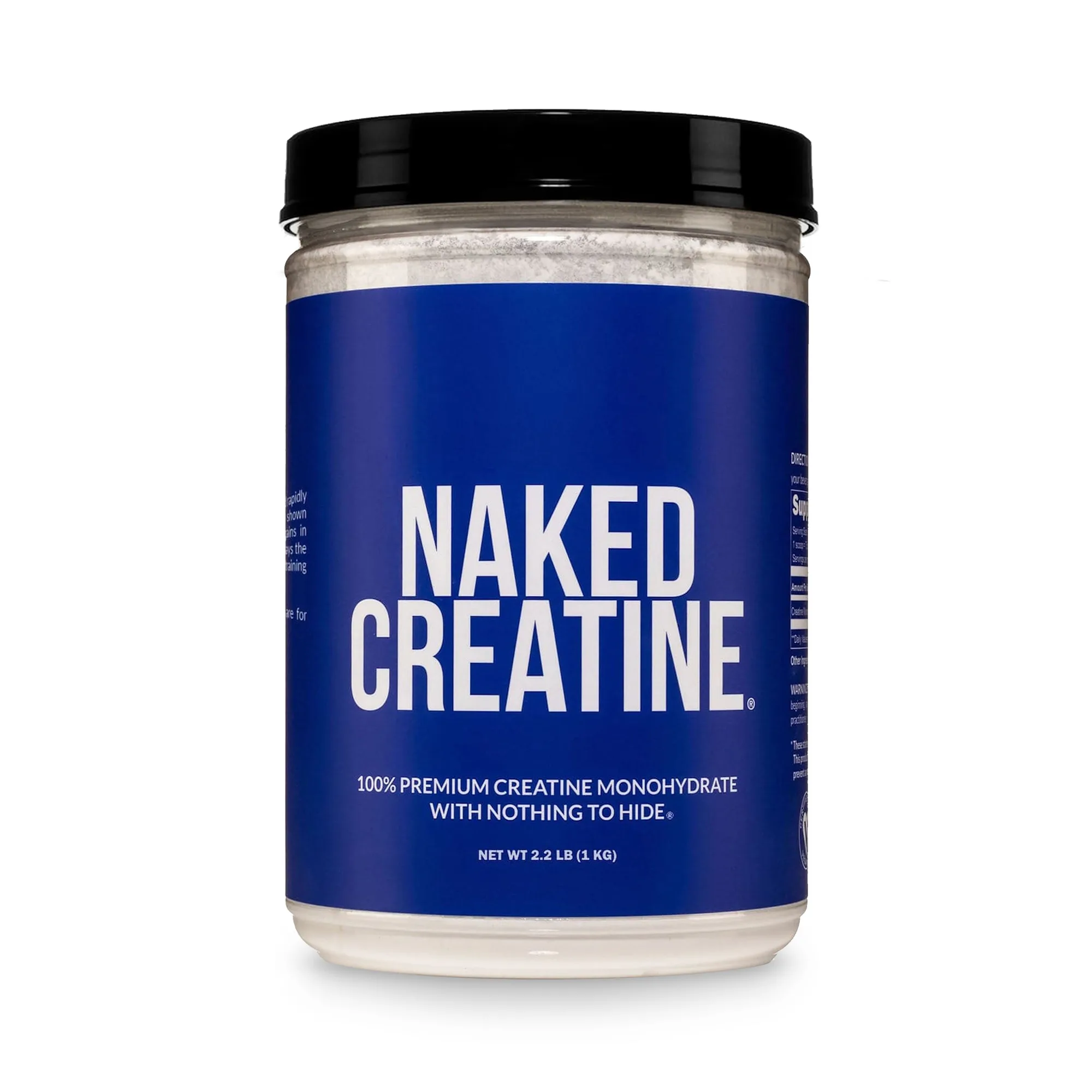
- Creatine Monohydrate Powder | Naked Creatine - 1.1LB: Naked Creatine has only one ingredient: Pure creatine monohydrate, one of the most well-researched supplements shown to promote strength, muscle mass, and improve exercise performance. Our highest grade creatine is fast dissolving and rapidly absorbed. Independent third-party tested for heavy metals. If you want a no-frills creatine monohydrate that's easy to mix and free of additives, this is a straightforward choice. The single-ingredient formula means you know exactly what you're getting.
- Essential Amino Acids Supplement | Naked EAAs - 50 Servings: Naked EAAS is a pharmaceutical-grade, fast-absorbing, leucine-enhanced blend of essential amino acids. Add 2 scoops of fast-dissolving Naked EAAS to 10-12 oz of your favorite drink before or during a workout to enjoy a clean boost in strength and endurance. If you're looking for recovery support without artificial additives, this EAA blend can be taken before or during training. It's a practical option for those who want amino acid support without the extra ingredients found in many BCAA products.
Which One Fits You?
Best for
- Athletes focused on strength, power, or muscle mass gains
- Anyone who wants a well-researched supplement with a clear performance benefit
Not for
- Those who already meet their protein needs and don't train fasted—BCAAs may offer little extra benefit
- Individuals sensitive to water retention who might prefer a creatine HCl option instead of monohydrate
Creatine monohydrate and BCAAs serve different roles in your training. If you're choosing one, creatine monohydrate offers the most proven benefits for strength and muscle growth. BCAAs can be a helpful addition for recovery, especially if you train fasted or struggle with protein intake. Consider your goals, your budget, and your training style to make the call that works for you.