Quick Answer
For most people, creatine monohydrate is the better choice because it is well-researched, affordable, and effective at standard doses. Creatine HCL may be worth trying if you experience stomach discomfort with monohydrate, but it costs more and offers no proven performance advantage. Choose based on your budget and digestive tolerance.
Creatine is one of the most popular supplements for building muscle and improving workout performance. But with so many forms available, it's easy to wonder whether you need creatine HCL or if plain monohydrate is enough.
This comparison breaks down the real differences between creatine monohydrate and creatine HCL—covering cost, dosage, side effects, and what the research actually supports. By the end, you'll know which form fits your goals and budget.
What Is Creatine Monohydrate?
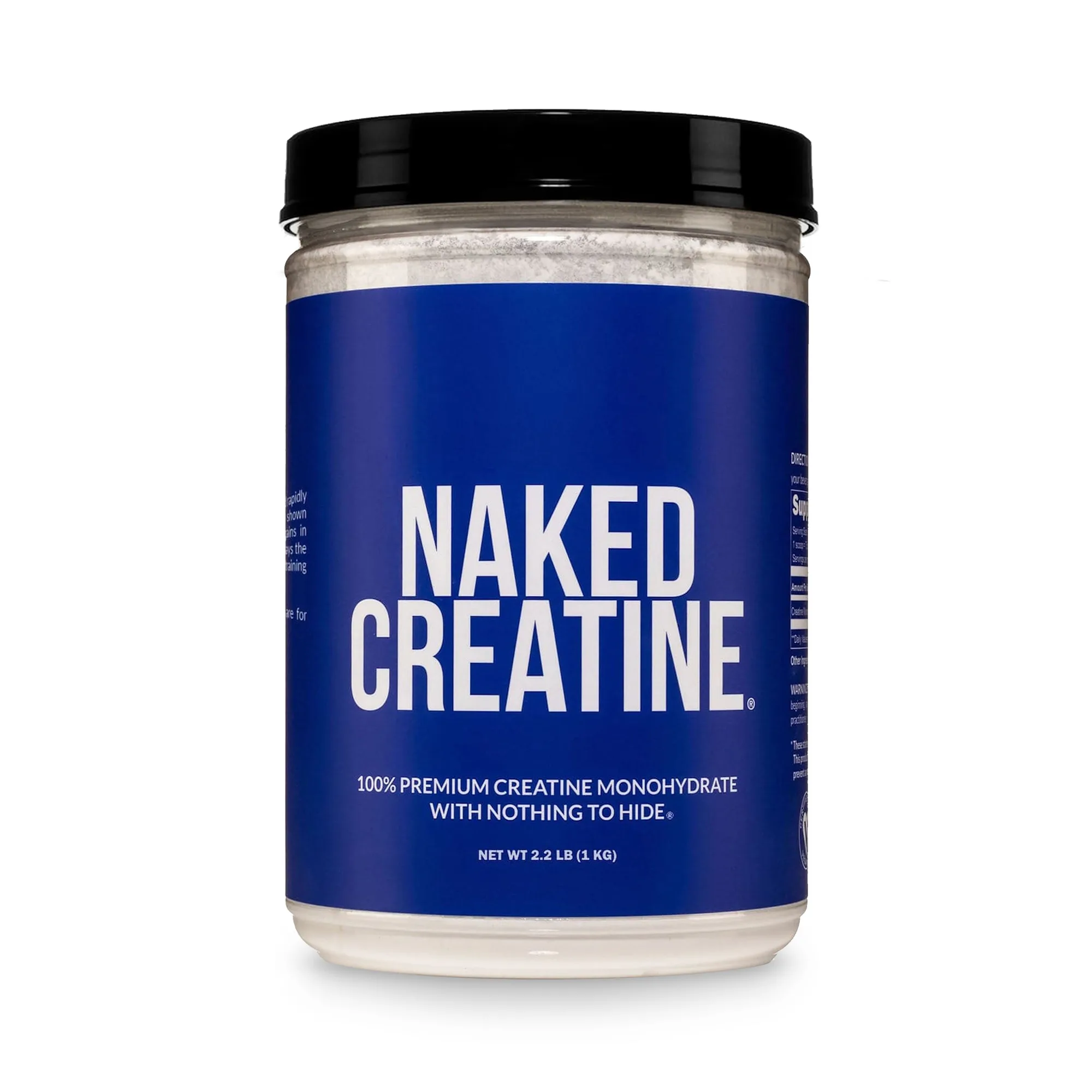
Creatine monohydrate is the most studied form of creatine. It consists of a creatine molecule attached to a water molecule, which helps with absorption. Decades of research show it can increase muscle creatine stores, support strength gains, and improve high-intensity exercise performance.
The standard dosage is 3–5 grams per day. Some people choose to load with 20 grams for 5–7 days, but this is optional. Monohydrate is generally well-tolerated, though some users report mild stomach discomfort or water retention.
- Most research-backed form with proven benefits.
- Typically the most affordable option per serving.
- Standard dose is 3–5 grams daily.
What Is Creatine HCL?
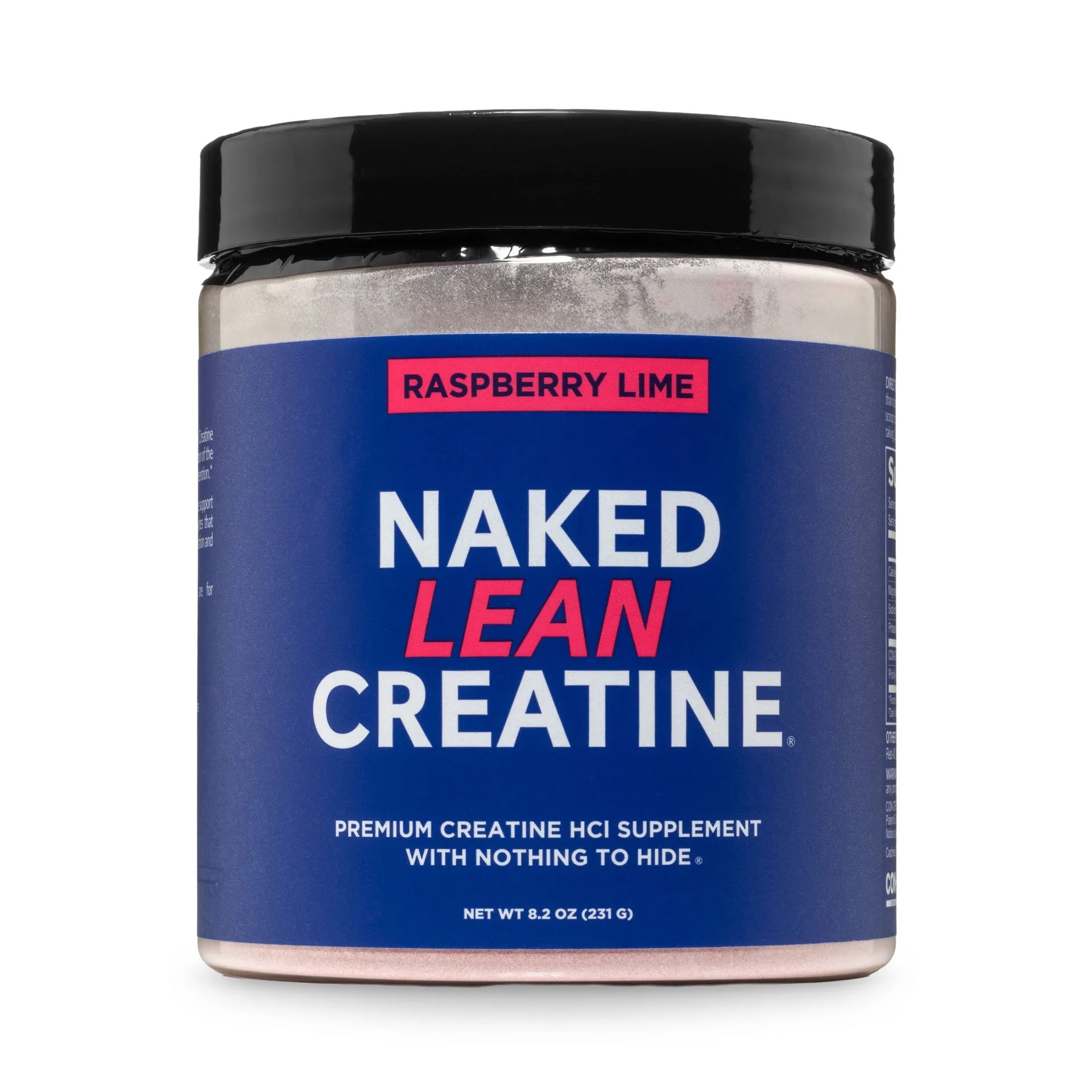
Creatine HCL (hydrochloride) binds creatine to hydrochloric acid. The idea is that this improves solubility and absorption, allowing a smaller dose—often around 1–2 grams—to be effective. Some users report fewer digestive issues compared to monohydrate.
However, there is limited research comparing HCL to monohydrate directly. While HCL may offer a solution for those who experience stomach upset with monohydrate, it is typically more expensive per gram and lacks the same volume of long-term safety and efficacy data.
- May cause fewer digestive issues for some people.
- Requires a smaller dose, which can be convenient.
- Higher cost per serving compared to monohydrate.
Key Differences at a Glance
The main differences come down to dose, cost, and research. Monohydrate has decades of studies supporting its use, while HCL has less evidence but may be gentler on the stomach. Both can increase muscle creatine levels, but the effective dose differs.
If you're on a budget, monohydrate is clearly the winner. If you've tried monohydrate and experienced bloating or cramps, HCL might be worth a try—but be prepared to pay more and expect similar results.
- Monohydrate: 3–5 grams daily, low cost, strong research.
- HCL: 1–2 grams daily, higher cost, less research.
- Choose based on digestive tolerance and budget.
The Trade-Off: Budget vs. Digestive Comfort
- Budget-conscious lifters: Creatine monohydrate is typically much cheaper per serving. You can get a high-quality monohydrate product for a fraction of the cost of HCL, and the research supports its effectiveness. Choose monohydrate if price is your main concern.
- Sensitive stomachs: If monohydrate causes bloating or cramps, creatine HCL may be easier on your gut. The smaller dose might also be more convenient for travel or mixing. Try HCL if you've had digestive issues with monohydrate.
- Research-backed confidence: Monohydrate has decades of studies showing it works. HCL has less evidence, so you're relying more on anecdotal reports and theoretical benefits. Stick with monohydrate if you want proven results.
Products to Consider
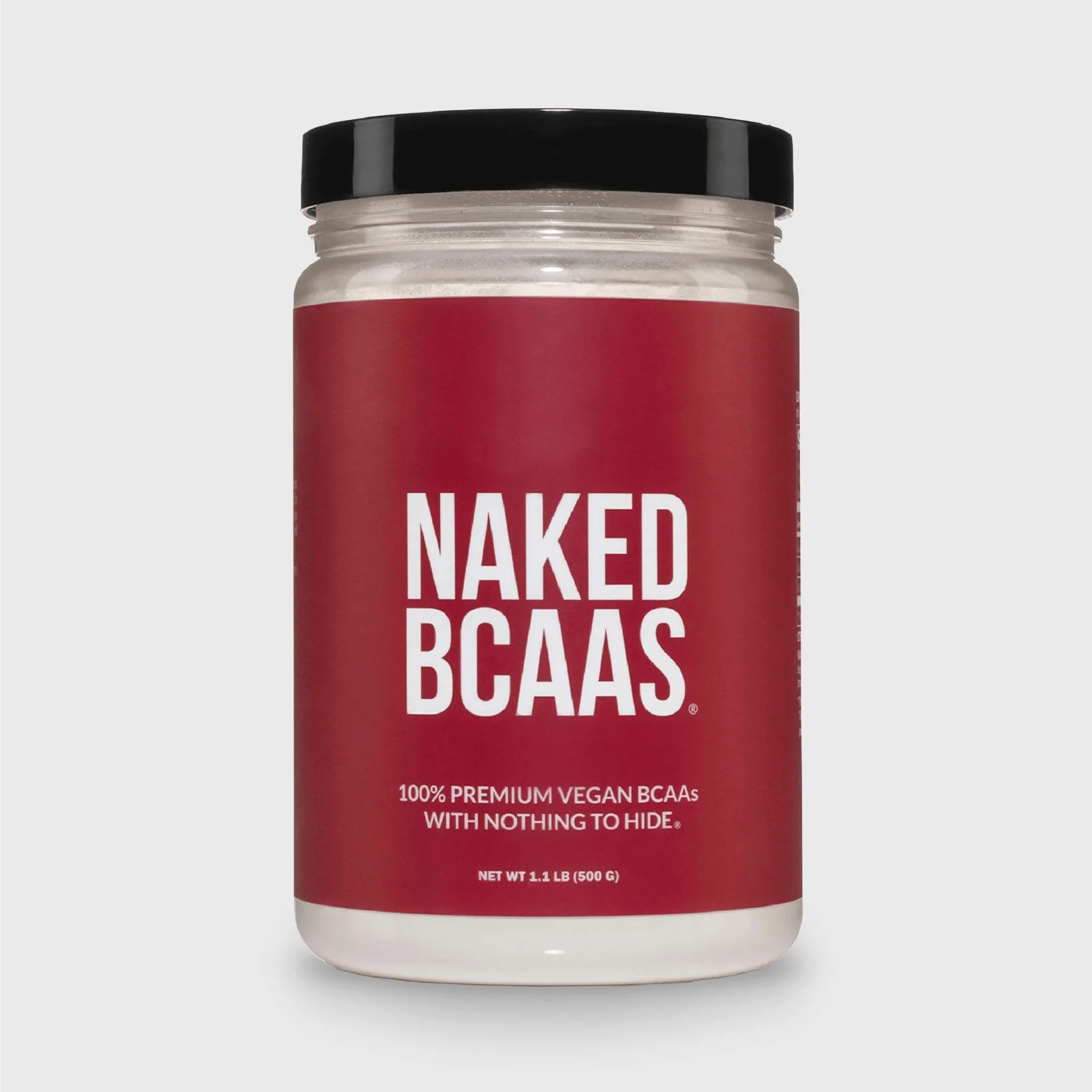
- Branched Chain Amino Acids | Naked BCAAs - 100 Servings: Naked BCAAs are the highest pharmaceutical grade, fast dissolving, and rapidly absorbed Branch Chain Amino Acids available.* BCAAs promote muscle development, improved exercise performance, and faster recovery after workouts.* Naked BCAAs is free of any artificial additives. If you're comparing creatine forms, you might also consider BCAAs for recovery. This product offers a clean, additive-free option if you want to support muscle development alongside your creatine routine.
- Glutamine Powder | Naked Glutamine - 1000g: Naked Glutamine has only one ingredient: L-Glutamine naturally fermented from plant sources. Glutamine is the most abundant amino acid found in your muscles and blood, but it may be depleted during prolonged exercise. Glutamine can support endurance and muscle preservation during intense training. If you're already investing in creatine, adding glutamine may help your recovery, especially if you train frequently.
Which Creatine Should You Choose?
Best for
- Lifters on a budget who want proven, research-backed results.
- Anyone who doesn't experience digestive issues with standard creatine monohydrate.
Not for
- People who have tried monohydrate and experienced persistent stomach discomfort.
- Those willing to pay a premium for a potentially gentler option with less research.
In the end, creatine monohydrate remains the smart default for most people—it's affordable, effective, and backed by science. Creatine HCL can be a useful alternative if you have digestive issues, but be prepared to pay more. Assess your budget and tolerance, and pick the form that lets you train consistently.