Quick Answer
If you want immediate energy and focus for a workout, a pre-workout is the better choice. If you're looking for long-term strength and power gains, creatine is more effective. Many women take both—creatine daily and pre-workout only on training days—but timing and tolerance matter.
Walking into the supplement aisle, you'll see tubs promising explosive energy and others promising strength gains. Creatine and pre-workout are two of the most popular training supplements, but they work differently. Understanding the tradeoffs helps you decide which one fits your routine—or if you should use both.
For women, the decision often comes down to goals, sensitivity to stimulants, and consistency. This guide compares the two based on how they work, when to take them, and what to expect.
What Each Supplement Does
Creatine is a compound your body naturally produces and uses for quick energy during high-intensity exercise. Supplementing with creatine increases your muscles' phosphocreatine stores, helping you push harder and recover between sets. It's not a stimulant—it doesn't give you a sudden rush, but it supports strength and power over weeks of consistent use.
Pre-workout formulas typically contain caffeine, beta-alanine, and other ingredients designed to boost energy, focus, and blood flow. The effects are immediate but temporary. You feel the kick within 30 minutes, and it fades after a few hours. Pre-workouts are often used on training days only, while creatine is usually taken daily to maintain saturation.
- Creatine: daily, long-term, no immediate energy spike
- Pre-workout: on training days, short-term energy and focus
Key Differences at a Glance
The core difference is timing and purpose. Creatine is a building block—it helps you perform better over time. Pre-workout is a performance enhancer—it helps you feel ready now. If you're training for strength or power, creatine is the foundational choice. If you struggle with morning workouts or need extra motivation, a pre-workout might be more useful.
Another difference is how they feel. Creatine is subtle; you might not notice it until weeks later when you're lifting heavier. Pre-workout is obvious—your heart rate rises, and you feel alert. Some women prefer the steady approach of creatine, while others enjoy the ritual of a pre-workout.
Can You Take Both?
Yes, many athletes combine creatine and pre-workout. Creatine is taken daily, while pre-workout is used before training. This approach gives you the long-term benefits of creatine plus the immediate energy boost of a pre-workout. The key is to check for overlapping ingredients—some pre-workouts already contain creatine, so you might not need extra.
If you're sensitive to caffeine, start with a low-stimulant pre-workout or take creatine alone. Also, consider your training time: if you train late in the evening, a pre-workout might disrupt sleep. In that case, creatine alone is a better choice.
- Check if your pre-workout already includes creatine to avoid double dosing
- If training late, skip the pre-workout to protect sleep
The Tradeoffs: Creatine vs. Pre-Workout
- Immediate energy: Pre-workout wins for instant energy and focus. Creatine offers no acute boost. Choose pre-workout if you need a kick before training.
- Long-term strength: Creatine is proven to enhance strength and power over time. Pre-workout's effects are temporary. Choose creatine for progressive strength gains.
- Stimulant sensitivity: Pre-workouts often contain caffeine, which can cause jitters or sleep issues. Creatine is stimulant-free. If you're caffeine-sensitive, creatine is safer.
- Consistency: Creatine requires daily use to maintain saturation. Pre-workout is used only on training days. Pick the one you'll stick with consistently.
Supplements to Support Your Training
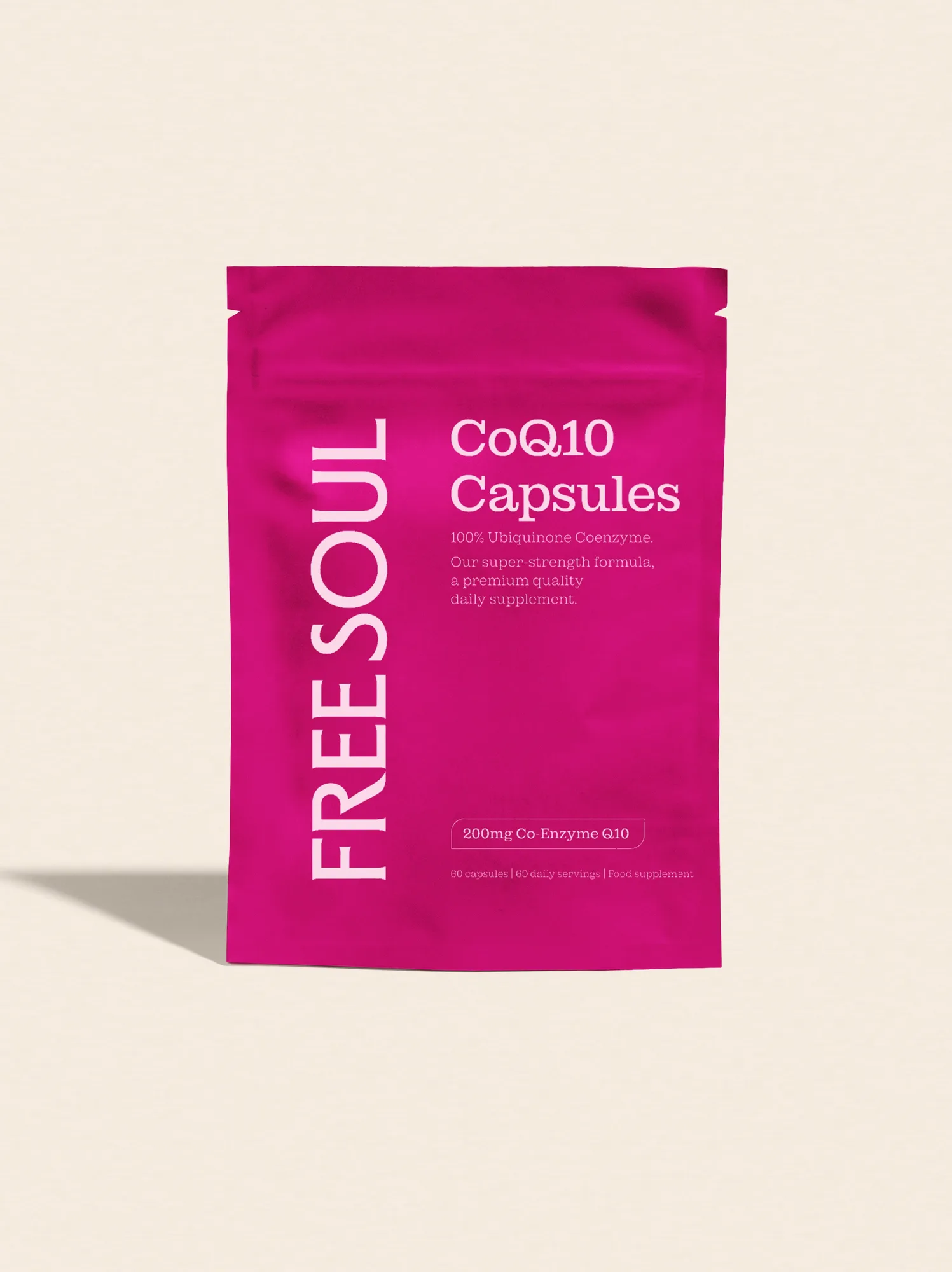
- CoQ10 Capsules: CoQ10 Capsules deliver a super-strength 200mg dose of Co-Enzyme Q10 - a naturally occurring antioxidant. Co-Enzyme Q10 is one of the most widely studied antioxidant compounds available, making it one of the most popular supplements in the world. Our vegan formula delivers 200mg per capsule, a super-strength daily dose in one simple, easy-to-swallow capsule. Each pack contains 60 capsules, giving you a full two-month supply. If you're not using a stimulant pre-workout, CoQ10 can support cellular energy production. It's a non-stimulant option to consider for daily energy support, though it won't give you the same acute boost as caffeine.
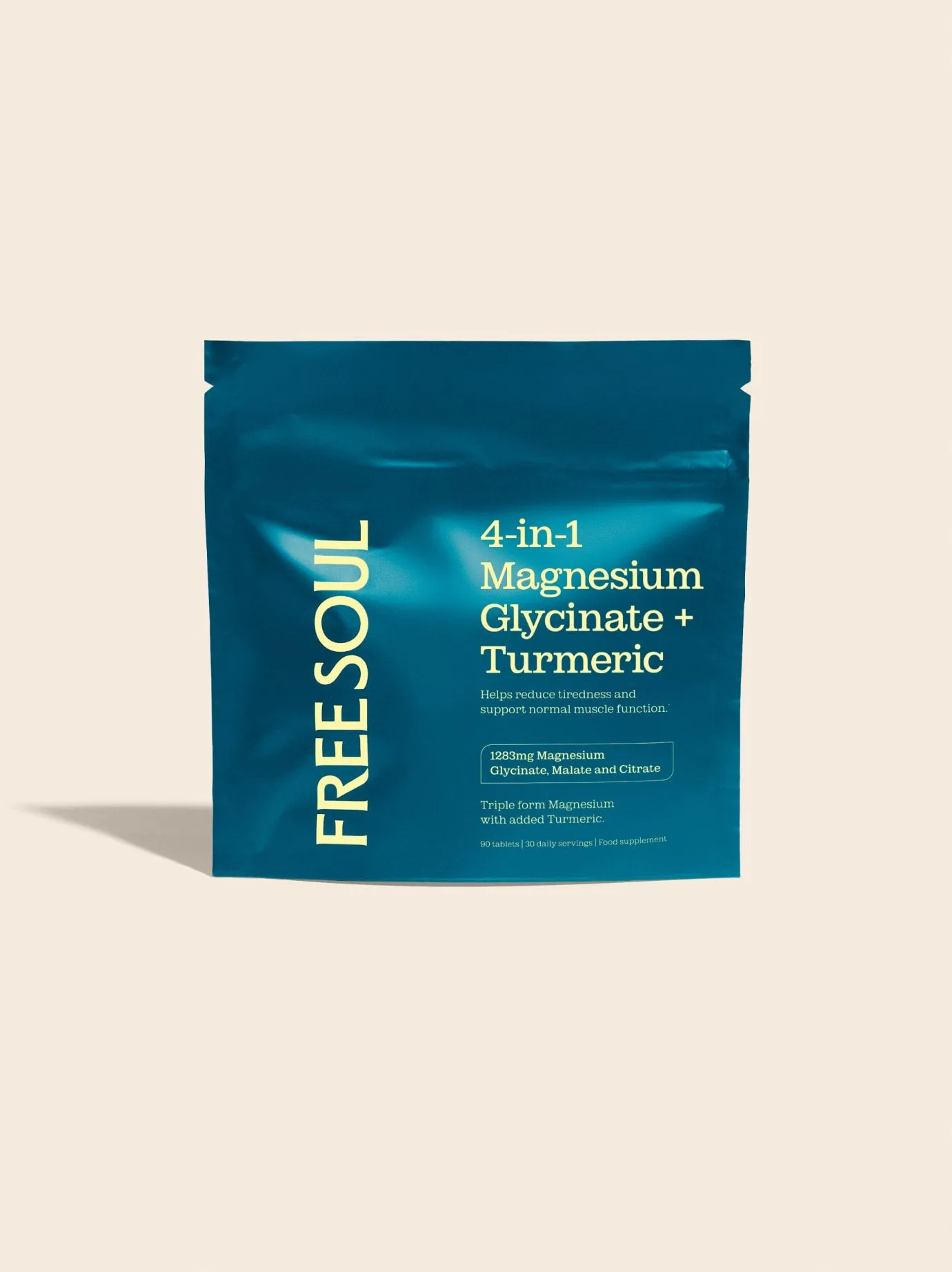
- 4-in-1 Magnesium + Turmeric: Between back-to-back schedules, hormonal fluctuations and the general busyness of life, most women aren't getting enough Magnesium - and your body can feel it. Free Soul's 4-in-1 Magnesium + Turmeric blends three highly bioavailable forms of Magnesium (Glycinate, Malate and Citrate) with antioxidant-rich Turmeric to support energy production, hormone balance, nervous system health, and recovery - all in one easy-to-take supplement. Magnesium plays a role in muscle function and recovery. If you're taking creatine or pre-workout, adding magnesium can support overall training recovery and energy metabolism, especially for women with busy schedules.
Which Should You Choose?
Best for
- Women who want long-term strength and power gains without stimulants
- Those who train consistently and can take a supplement daily
Not for
- Women who need an immediate energy boost before early morning workouts
- Those who are sensitive to caffeine and prefer a stimulant-free approach
Both creatine and pre-workout have a place in a training routine. For most women, creatine is the foundation for strength, while pre-workout is a tool for those days when you need extra drive. Start with one, assess how your body responds, and consider combining them if your goals and tolerance allow.