Quick answer
Choose crew socks for work shoes, boots, and any day you want full ankle and calf coverage; choose ankle socks for sneakers, warm weather, and a no-show look. If you split your week between both, keep a few pairs of each and match the sock to the shoe rather than the outfit.
How sock height changes the way a shoe fits
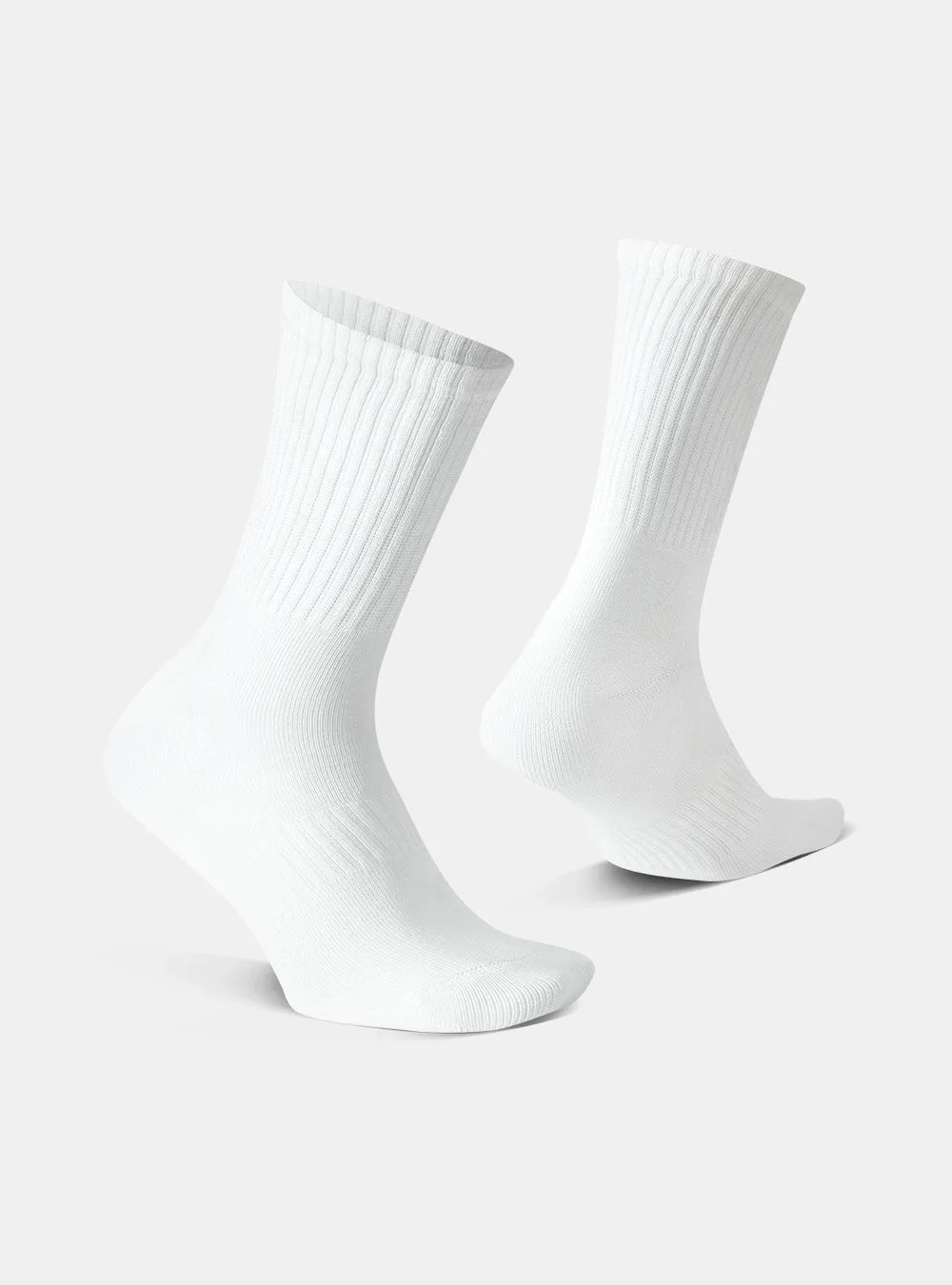
Crew socks rise above the ankle and typically sit mid-calf, so they add a layer between your skin and the shoe collar. That extra fabric prevents the top edge of a leather shoe or boot from rubbing directly on your ankle. Ankle socks stop at or just below the ankle bone, which keeps them invisible in low-cut sneakers but leaves more skin exposed to the shoe's edge.
The trade-off is airflow versus protection. Ankle socks feel cooler and less restrictive, while crew socks feel more secure and reduce direct contact with stiff shoe materials. Neither is universally better; the right pick depends on how high the shoe collar sits and how much walking you do.
Work shoes: when crew socks earn their place
For lace-up dress shoes, loafers, and work boots, crew socks are usually the safer choice. The taller height stays put when you sit, stand, and climb stairs, so you are not tugging at your socks between meetings. If your workplace is business casual and you wear low-profile sneakers, ankle socks can work, but check that the shoe collar does not press on bare skin.
Sock material matters as much as height. A breathable, moisture-wicking fabric helps keep feet fresh through a long shift, and a seamless or low-pressure waistband-style top reduces the ring mark some people get from tight elastic. Look for flat toe seams if you are prone to toe irritation.
Weekends and sneakers: ankle socks win on invisibility
With low-top sneakers, ankle socks give you a clean line and more airflow. They are the practical pick for gym sessions, errands, and warm-weather walks where you want less fabric against your leg. The main risk is slippage: a loose ankle sock can slide down under the heel, so choose a pair with a snug but not tight fit.
If you wear high-top sneakers or trail shoes, crew socks often feel better because they cushion the ankle collar. For casual wear, crew socks also work with shorts if you like the athletic look; ankle socks simply keep the focus on the shoe.
A simple sock height guide for your drawer
Sort by shoe first, then by season. Keep crew socks with boots, dress shoes, and high-tops. Keep ankle socks with low-top sneakers, boat shoes, and warm-weather outfits. If you commute in dress shoes but change into sneakers at lunch, pack a spare pair in your bag rather than wearing one height for both.
Buying multi-packs in one height and color makes laundry easier, but a mixed drawer of both heights gives you more flexibility. Replace socks when the heel thins or the elastic stops holding; a sock that slides down is a fit problem, not a style problem.
Trade-offs to weigh before you buy
- Coverage vs breathability: Crew socks protect the ankle and calf from shoe rub but trap more heat. Ankle socks feel cooler and less bulky but leave more skin exposed. Pick crew for boots and dress shoes; pick ankle for sneakers in warm weather.
- Stay-put vs no-show: Crew socks stay up through sitting, standing, and walking. Ankle socks can slide under the heel if the fit is loose. If you hate pulling up socks, crew height is the lower-maintenance choice.
- Dress code vs casual: Crew socks read as traditional and work-appropriate with trousers. Ankle socks read as casual and are often hidden in sneakers. Match the sock to the shoe and the setting, not just the outfit.
Underwear that pairs well with either sock height
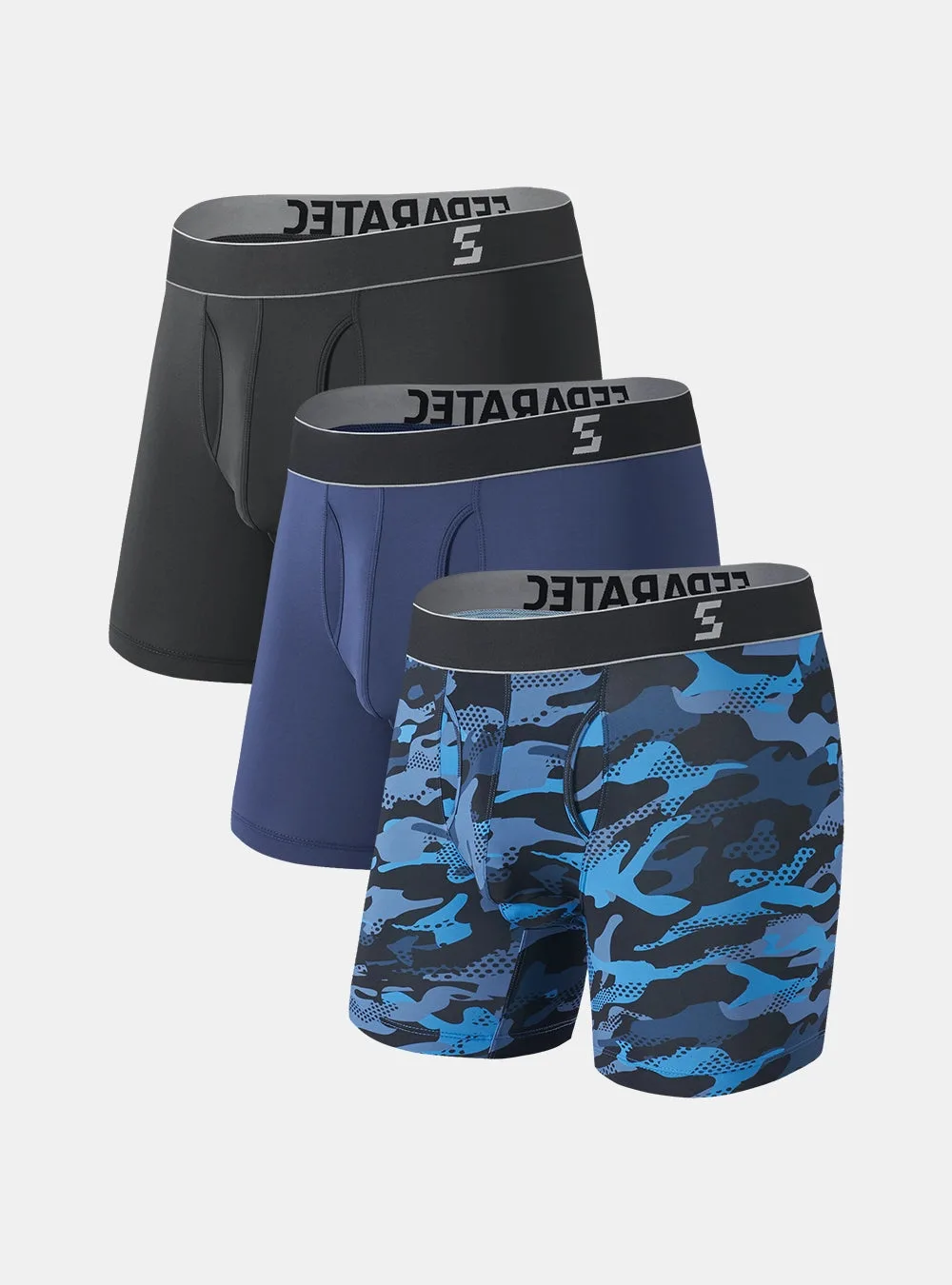
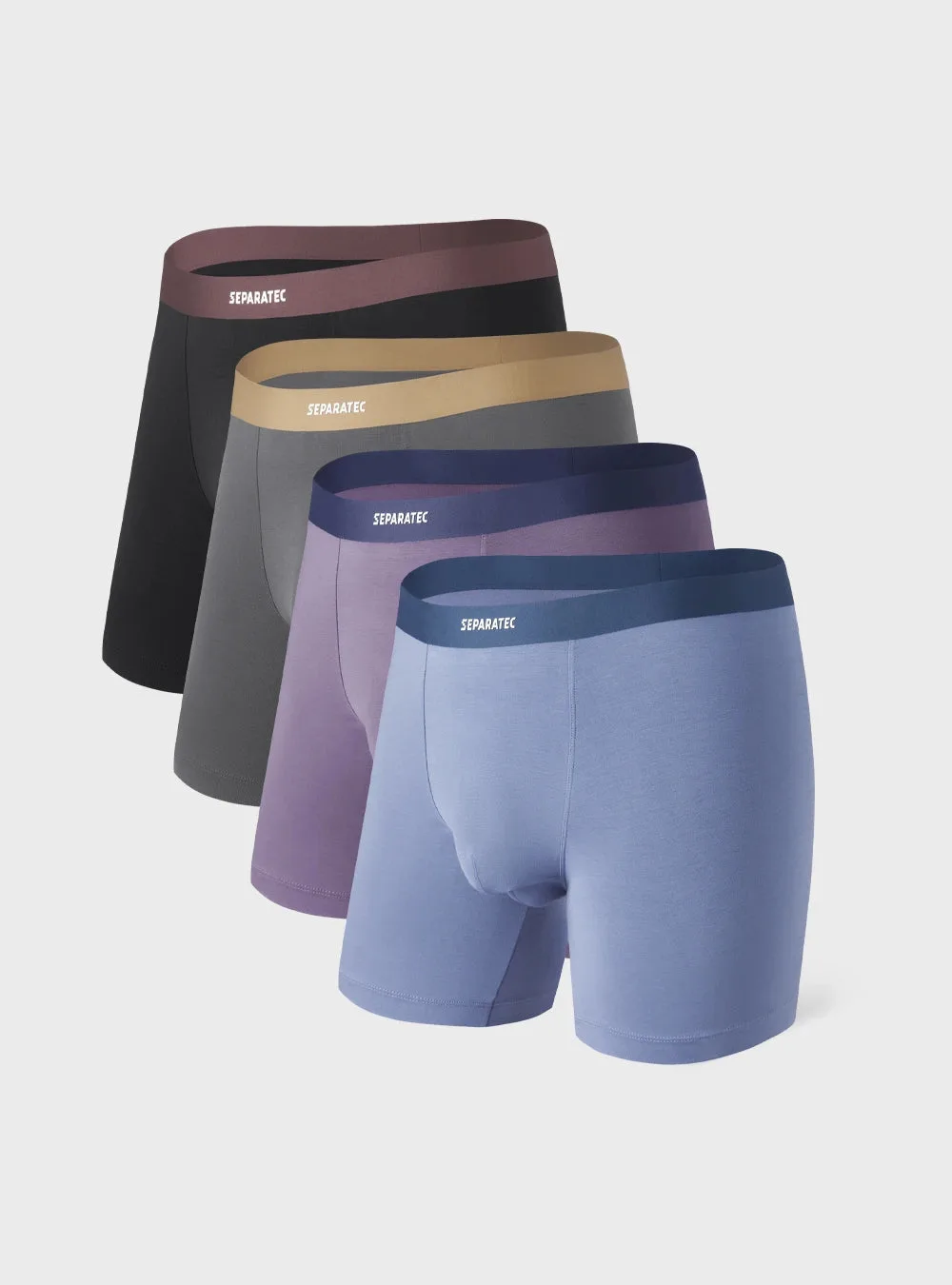
- Waistfree™ Seamless Bamboo Rayon Boxer Briefs 4 Pack: Patented Dual Pouch design keeps your anatomy separate and reduces stickiness. Less shifting and chafing during long workdays or weekend activity, so you are not adjusting your underwear when you change socks.
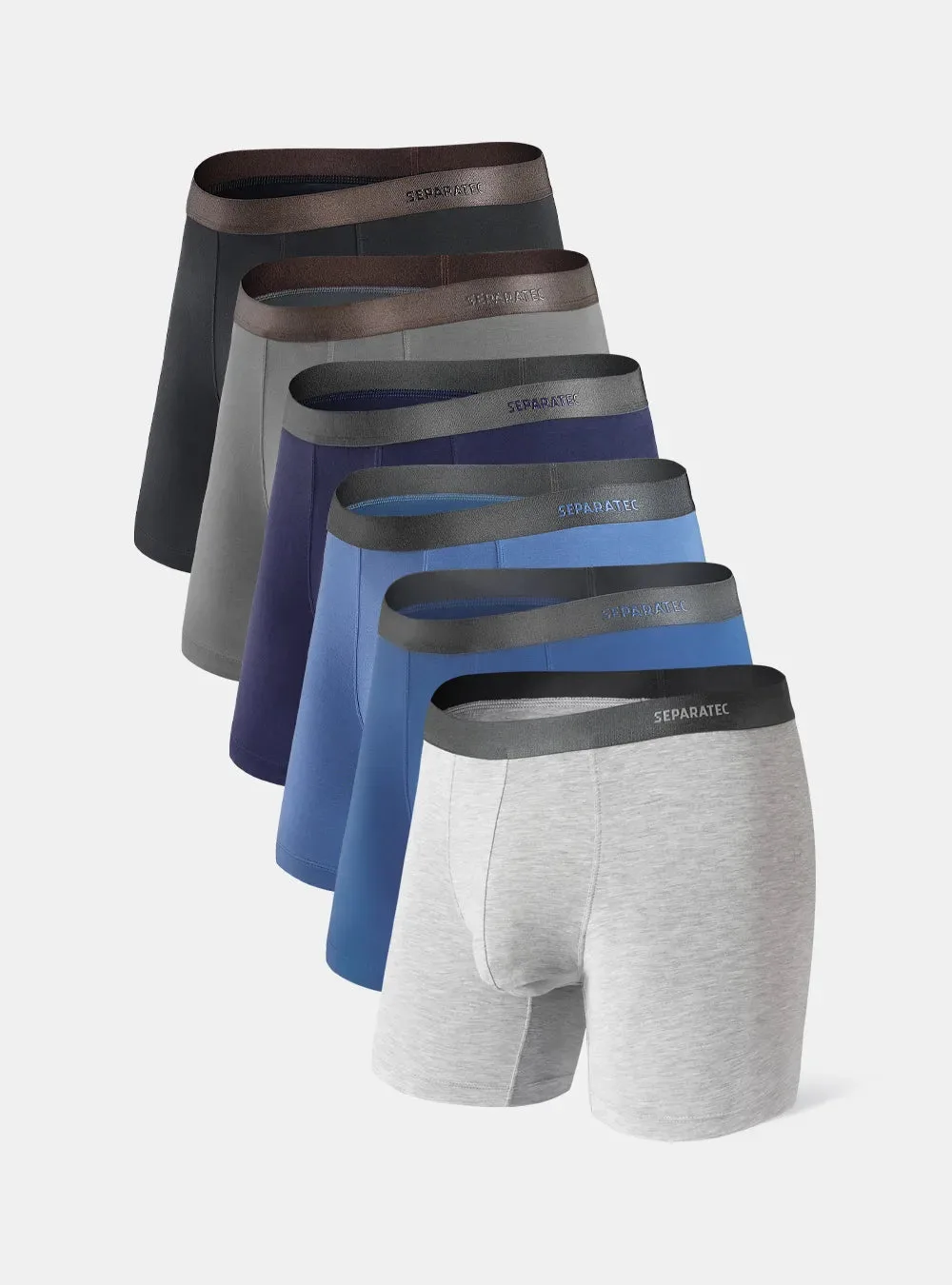
- Waistfree™ Seamless Bamboo Rayon Briefs 4 Pack: Waistfree seamless waistband with no traditional belt seams, plus a tagless design. Reduces waist pressure and skin irritation, which matters if you sit or stand for hours in work shoes and crew socks.
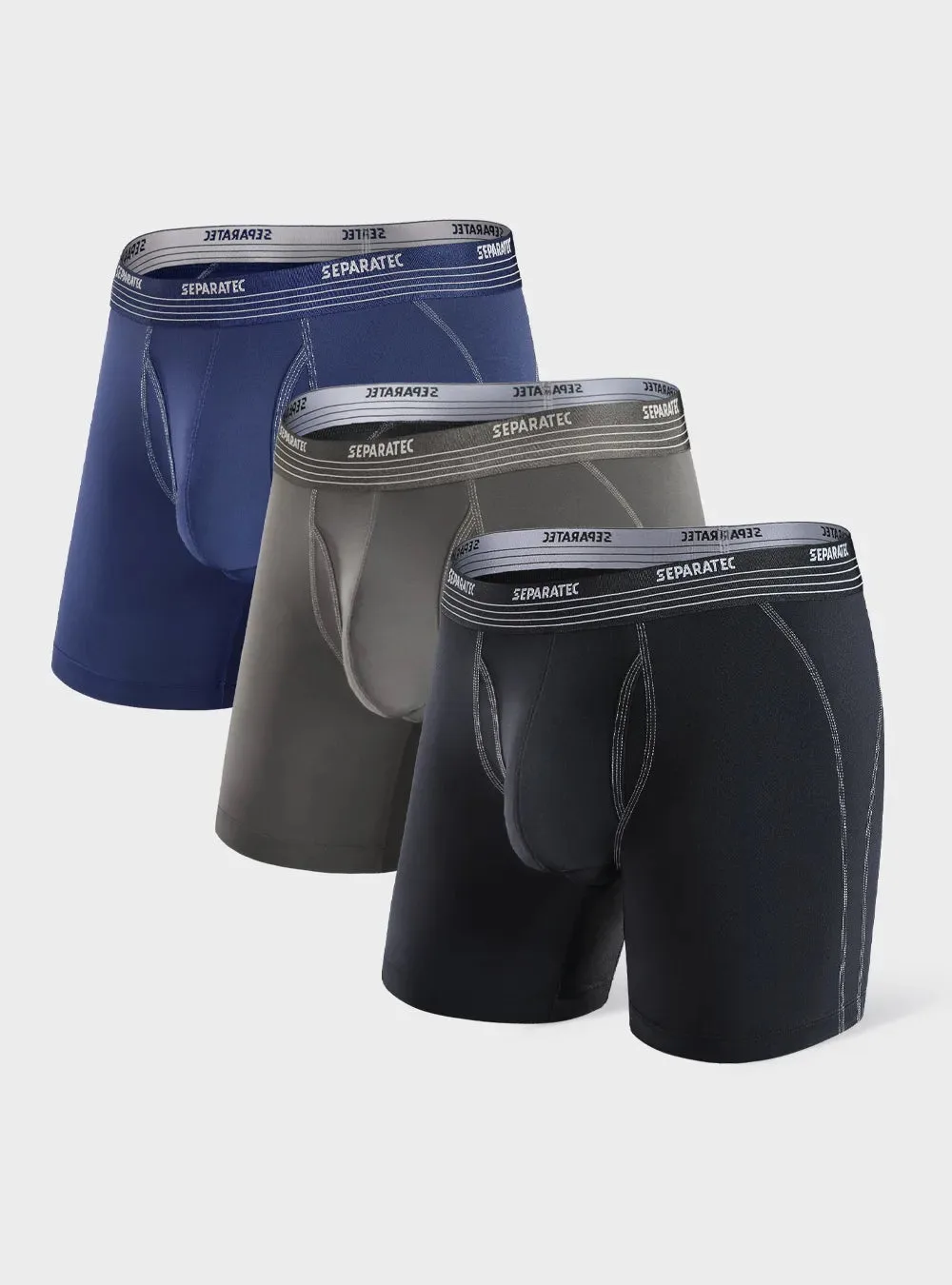
- CradleFit Pouch 60S Modal WaistFree™ Seamless Open Fly Boxer Briefs 4 Pack: CradleFit pouch keeps everything separated from thighs and supported, with a 6.5-inch inseam and a 1.2-inch WaistFree waistband. The longer inseam stays put under pants, making it a good match for crew socks and dress shoes or boots.
Which should you choose?
Best for
- Work shoes, boots, and high-top sneakers
- Cold weather and long days on your feet
- Anyone who wants socks that stay put without tugging
Not for
- Low-top sneakers when you want a no-show look
- Hot-weather casual wear where you want maximum airflow
- People who dislike fabric above the ankle