The first few months with a newborn are a whirlwind of feedings, diaper changes, and precious moments. One of the most important decisions you'll make is where your baby will sleep. With so many options available, it can be overwhelming to choose between a crib, a bassinet, or a co-sleeper. Each has its own benefits and drawbacks, and the right choice depends on your lifestyle, space, and safety priorities.
In this guide, we'll break down the differences between cribs, bassinets, and co-sleepers, covering safety standards, longevity, and convenience. Whether you're preparing a nursery or planning to keep your baby close in your bedroom, this article will help you make an informed decision for your family.
Crib: The Classic Choice for Long-Term Use
A crib is the most traditional and long-lasting sleep solution for your baby. Designed for infants and toddlers, cribs meet strict safety standards and can often be converted into toddler beds. They offer a spacious, secure environment that promotes independent sleep from the start.
One major advantage of a crib is its longevity. While a bassinet is used for only a few months, a crib can serve your child for several years. Many modern cribs, like those from Oeuf NYC, are made from sustainable materials and feature minimalist designs that blend with any nursery decor. If you have the space and plan to use the crib for multiple children, it's a worthwhile investment.
- Look for cribs with adjustable mattress heights to make it easier to lift your newborn in and out.
- Ensure the crib meets current safety standards, with slats no more than 2 3/8 inches apart.
Bassinet: Portable and Convenient for Newborns
A bassinet is a small, portable sleep space designed specifically for newborns. It's often placed next to the parents' bed for easy nighttime feedings and comforting. Bassinets are lightweight, easy to move, and take up minimal floor space, making them ideal for small nurseries or shared bedrooms.
The main downside is that babies outgrow bassinets quickly—usually by the time they can roll over or push up on their hands, around 4-6 months. However, their convenience and coziness make them a popular choice for the first few months. Some bassinets also feature rocking or vibration settings to soothe your baby.
- Choose a bassinet with a firm, flat mattress and breathable mesh sides for airflow.
- Avoid adding pillows, blankets, or bumpers to reduce the risk of suffocation.
Co-Sleeper: Keeping Baby Close While Maintaining Your Space
A co-sleeper, also known as a bedside sleeper, attaches securely to the side of your adult bed. This allows your baby to have their own separate sleep surface while staying within arm's reach for feedings and comfort. Co-sleepers are designed to promote safe sleep while making nighttime parenting easier.
The key benefit is that you don't have to get out of bed to tend to your baby, which can be a game-changer for exhausted new parents. However, co-sleepers are typically smaller than cribs and have a shorter usage window. It's crucial to follow the manufacturer's instructions for proper attachment to prevent gaps or hazards.
- Verify that the co-sleeper is securely attached to your bed and has no gaps where your baby could become trapped.
- Use a firm mattress and keep the sleep surface clear of loose bedding.
Safety Considerations for Newborn Sleep
No matter which sleep option you choose, safety should be your top priority. The American Academy of Pediatrics recommends that babies sleep on their backs on a firm, flat surface without any soft objects, loose bedding, or toys. This applies to cribs, bassinets, and co-sleepers alike.
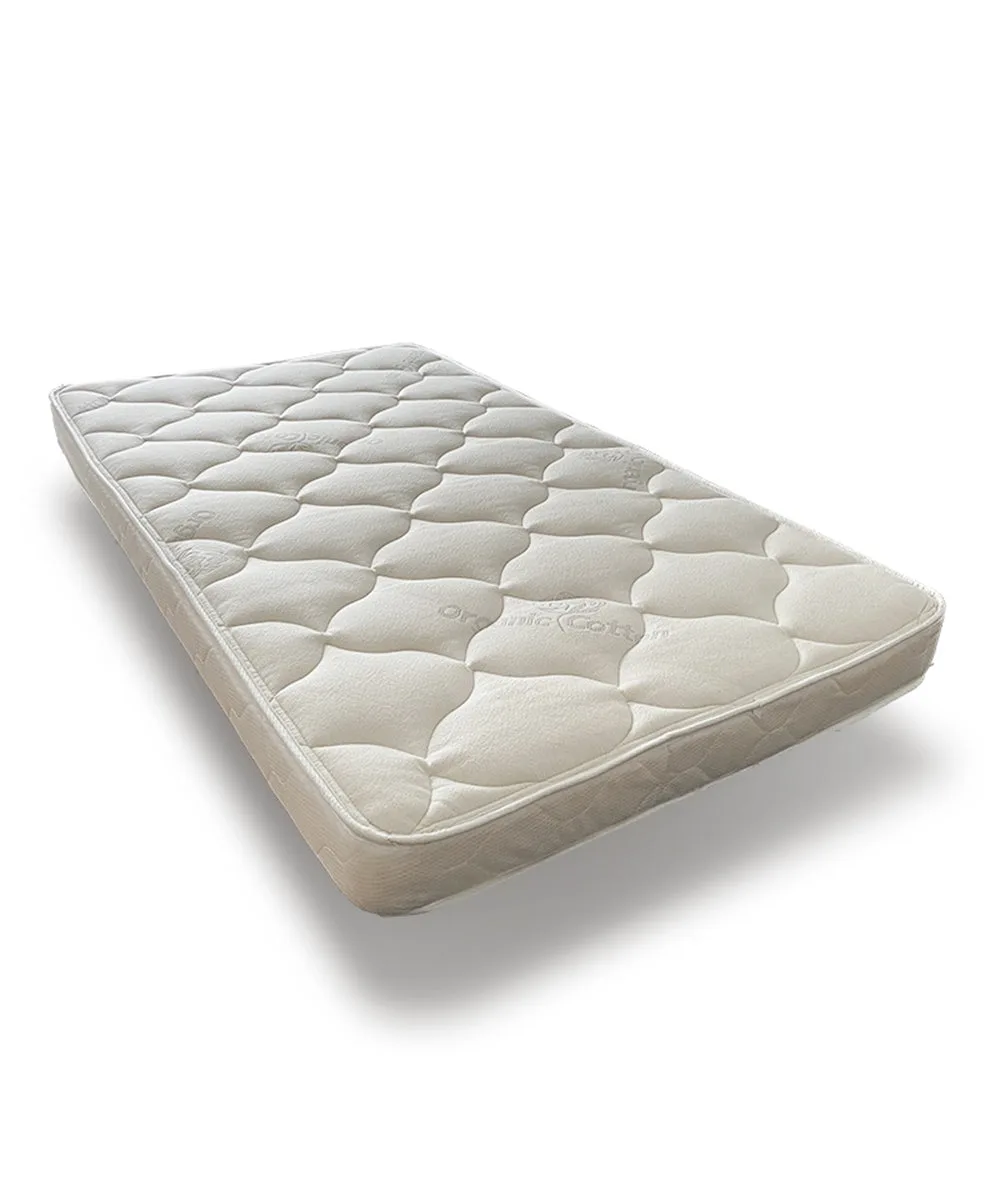
Always use a fitted sheet designed for the specific sleep surface. Avoid sleep positioners, wedges, or bumper pads, as they increase the risk of suffocation and SIDS. Ensure the product meets current safety standards and has not been recalled. For cribs, check that the mattress fits snugly with no gaps around the edges.
- Place your baby's sleep space in the same room as you for at least the first six months.
- Keep the room at a comfortable temperature and dress your baby in a sleep sack or wearable blanket.
Space and Lifestyle Factors
Your home's layout and your daily routine play a big role in this decision. If you have a spacious nursery, a full-sized crib might be the best choice. For small apartments or shared bedrooms, a bassinet or co-sleeper can save valuable floor space while keeping your baby close.
Consider how often you travel or move around the house. Bassinets are easy to transport from room to room, while cribs are stationary. If you plan to have your baby sleep in your bedroom for the first few months, a co-sleeper offers the best of both worlds: closeness and a dedicated sleep area.
- Measure your bedroom or nursery to ensure the chosen sleep space fits comfortably.
- Think about whether you'll need to move the sleep space frequently, such as for daytime naps in different rooms.
Longevity and Value: Which Option Saves You Money?
While a bassinet or co-sleeper may be less expensive upfront, a crib often provides better value over time. A high-quality crib can last through multiple children and convert into a toddler bed, saving you from buying separate furniture later. Some cribs also offer adjustable mattress heights, adapting to your growing child.
If you're on a tight budget, consider starting with a bassinet or co-sleeper for the first few months and then transitioning to a crib. Alternatively, look for convertible cribs that grow with your child. Oeuf NYC offers a range of sustainable, durable cribs that combine style with function, making them a smart long-term investment.
- Check if the crib can convert into a toddler bed, daybed, or full-size bed to extend its use.
- Factor in the cost of a separate mattress, which is often required for cribs but included with some bassinets.
Ultimately, the best sleep arrangement for your newborn depends on your family's unique needs. Whether you choose a crib for its longevity, a bassinet for portability, or a co-sleeper for closeness, prioritize safety and comfort. As your baby grows, you may find that a versatile piece like the Perch Nest Bed offers a smooth transition from co-sleeping to independent sleeping, combining the benefits of multiple options in one beautiful design.
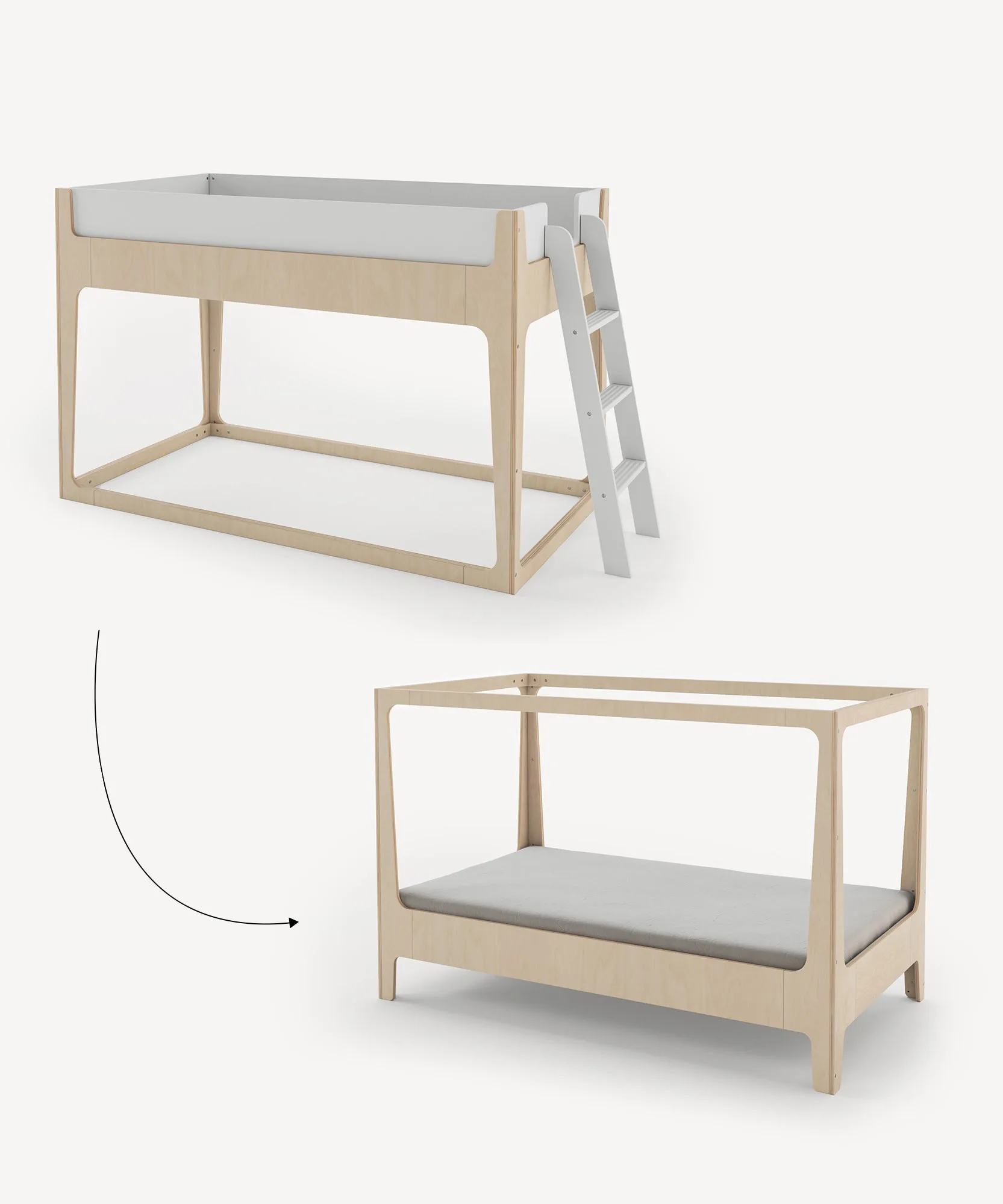
Perch Nest Bed