Quick Answer
Critical Role: NPCs of Exandria - Set 1 is a versatile RPG accessory that helps Game Masters bring non-player characters to life. Use the cards as quick-reference sheets, inspiration prompts, or player handouts, but remember they are optional tools—your improvisation and notes still matter.
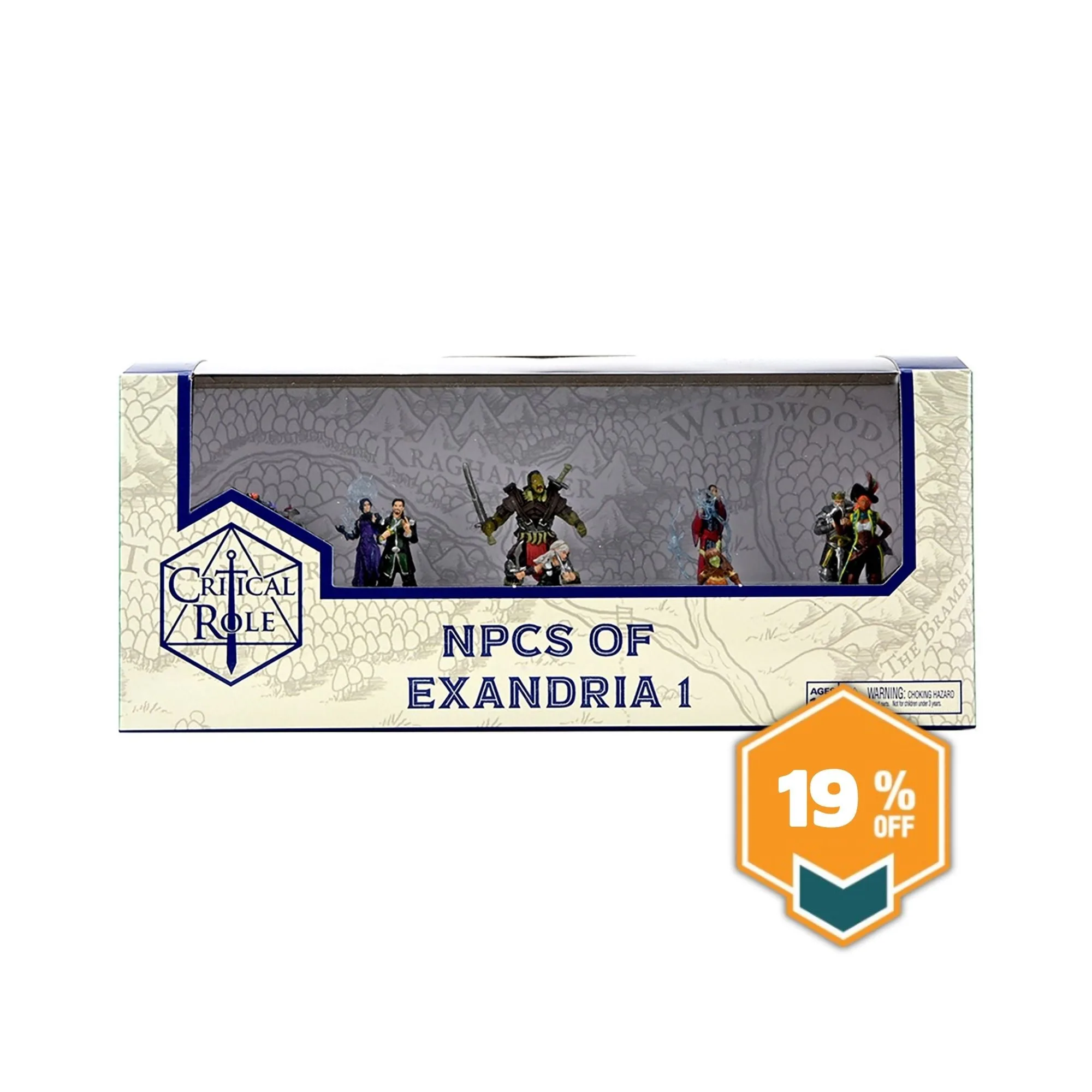
Critical Role: NPCs of Exandria - Set 1
Running a tabletop RPG often means juggling multiple NPCs, each with their own voice, motives, and secrets. Critical Role: NPCs of Exandria - Set 1 offers a deck of cards designed to ease that burden, giving you at-a-glance details and hooks you can drop into any campaign.
In this guide, we'll break down what these cards are, how to use them effectively, and who will get the most value from them. We'll also discuss honest trade-offs, so you can decide if this accessory fits your game style.
What Are the NPC Cards?
Critical Role: NPCs of Exandria - Set 1 is a card deck from the popular actual-play series. Each card typically features an NPC from the world of Exandria, including their name, appearance, personality traits, and role-playing hooks. While we don't have the full card list, the general idea is to provide Game Masters with a ready-made cast of characters to insert into their adventures.
The cards are a physical accessory, meaning they don't require batteries or screens. You can shuffle them, hand them out, or keep them behind your screen. They work with any RPG system that uses NPCs, though they're especially suited for Dungeons & Dragons and other fantasy games.
- Use the cards as inspiration when you need an NPC on the spot.
- Lend a card to a player whose character is talking to that NPC.
- Keep them in your GM binder for quick reference during sessions.
How to Use the Cards in Your Game
The most straightforward use is as a quick-reference tool. Before a session, flip through the deck and pick an NPC that fits your story. Place the card in your notes so you can glance at it during play. This saves time and keeps your descriptions consistent.
You can also use the cards as a random generator. When players go somewhere unexpected, draw a card and adapt the NPC to your world. This works well for sandbox campaigns, but be prepared to re-skin details like names or locations if you're not playing in Exandria.
For player-facing moments, consider handing the card to the player who is interacting with the NPC. This gives them a visual reference and can improve engagement. However, if your players prefer not to see mechanical or secret info, keep the card hidden and just describe the NPC.
- Pair the cards with a notebook to jot down how you've customized each NPC.
- If you're playing in your own world, treat the cards as archetypes, not canon.
Who Should Buy This Deck?
This deck is ideal for Game Masters who want to add depth to their NPCs without spending hours writing backstories. It's also great for fans of Critical Role who want to bring familiar faces into their games. The cards serve as a springboard for creativity, not a replacement for it.
If you're a player who rarely runs games, you might still enjoy the cards for inspiration when creating your own character's contacts or rivals. But if you're a GM who prefers to build everything from scratch, you might find the cards limiting—they give you a starting point, but you'll often want to customize them heavily.
- Consider the deck as a tool for brainstorming, not a script to follow.
- Check if the deck includes NPCs you already know from the show; that can be a bonus or a spoiler risk.
Decision Rules for Buying
- Your prep style: If you like to improvise and need quick inspiration, the cards are a great fit. If you prefer fully original NPCs, you might find them too prescriptive. Choose based on how much structure you want.
- Your campaign setting: If you play in Exandria or a similar high-fantasy world, the cards slot in easily. For other settings, you'll need to adapt names and details. Be ready to reskin if needed.
- Your table's preferences: If your players enjoy rich NPC interactions, the cards help you deliver. If your group prefers combat-focused sessions, you might use them less. Match the tool to your group's playstyle.
Related Products to Consider
- King of Tokyo: Hug Season Cards: Three cards given by the Devir staff to every participant of the King of Tokyo tournament during the Mega XP 2022 event held in Mexico. Shuffle them with the base game cards to add variety to the game. If you enjoy adding promo cards to your games, this set shows how a small addition can refresh a familiar game—similar to how NPC cards can refresh your RPG sessions.
- Vampire: The Masquerade - Vendetta: Vampire: The Masquerade-Vendetta is an asymmetrical competitive card game of strategy, bluff, and deduction, designed by renowned game designers Charlie Cleveland (Subnautica) and Bruno Faidutti (Citadels). For players who like card-driven storytelling, this game offers a different take on character abilities, which might appeal if you enjoy using cards to define roles.
- Godtear: Maxen, The Artificer & Gearhawks: Inside this box is everything you need to add the Slayer champion Maxen, the Artificer, to your Godtear warband. Use this expansion with any Godtear starter set. If you're a miniatures gamer, this expansion shows how adding a new character can change tactics—similar to how NPC cards introduce new story elements.
Is This Deck Right for You?
Best for
- Game Masters who want to quickly add memorable NPCs to their campaigns
- Fans of Critical Role who enjoy using official lore in their games
Not for
- GMs who prefer to create every NPC from scratch without external prompts
- Players who don't run games and have no interest in GM tools
Critical Role: NPCs of Exandria - Set 1 is a handy resource for GMs who want to enrich their storytelling without extra prep. While it won't replace your creativity, it can spark new ideas and save time at the table. Consider your prep style, setting, and group to decide if it's a worthy addition to your RPG toolkit.