Quick answer
Cross back bras offer a more open neckline and even shoulder load, making them ideal for low-impact activities like yoga and daily wear. Racerback bras pull straps closer to the neck, providing greater shoulder blade freedom and a secure fit for upper-body workouts. Your choice depends on your primary activity and shoulder comfort.
Understanding the strap designs
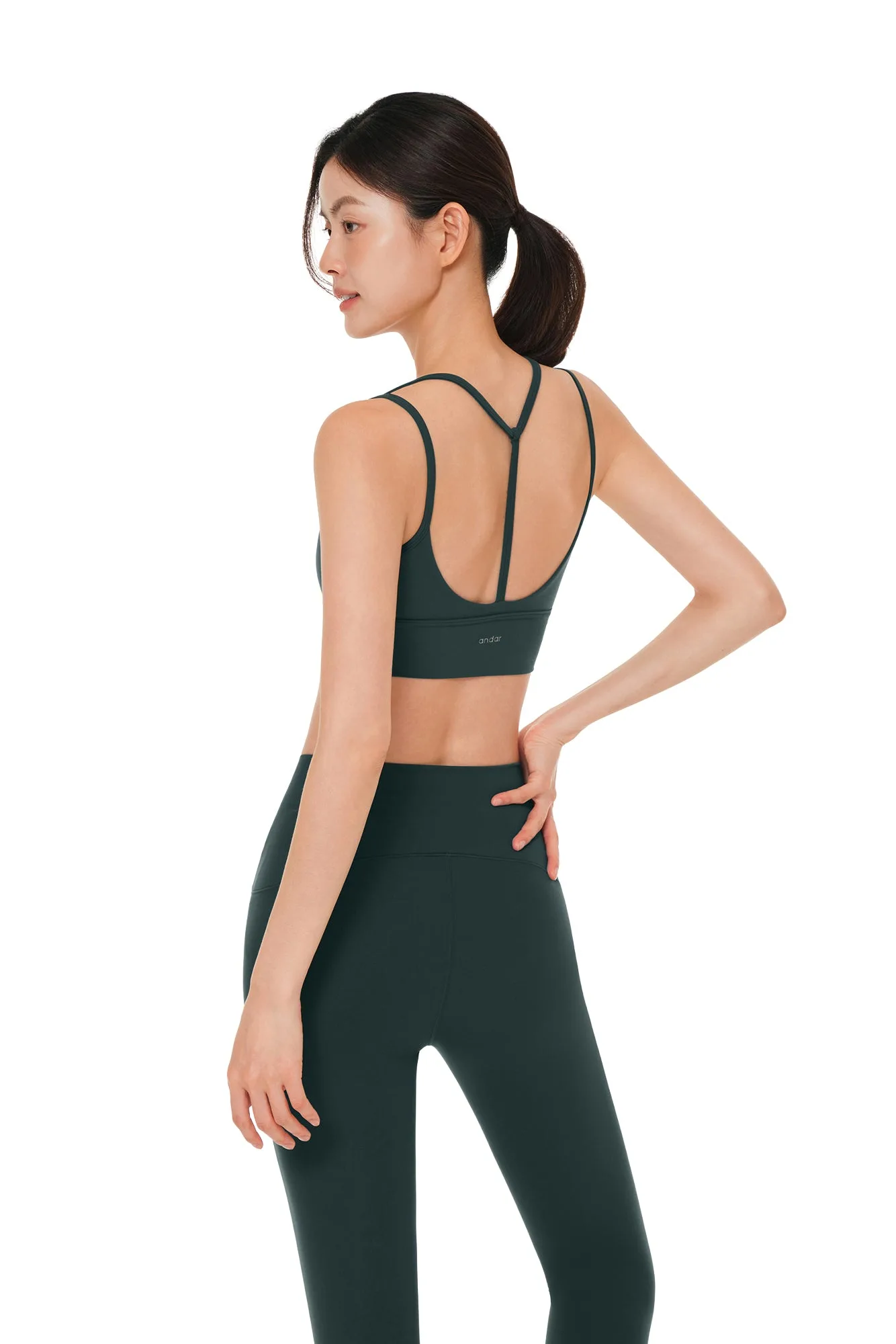
A cross back bra features straps that form an X shape between the shoulder blades, often with a halter or racerback-inspired connection. This design distributes tension across both shoulders evenly and creates a lower back cutout, which helps keep straps in place during lateral movements. Racerback bras, by contrast, bring the straps together in a Y or V shape high on the back, leaving the shoulder blades fully exposed. This layout maximizes arm and shoulder mobility, which is why racerback styles are common in training tops and performance wear.
The key functional difference lies in how each design interacts with your shoulder blades. Cross back styles sit lower on the back, so they can sometimes press against the shoulder blades during overhead movements. Racerback styles sit higher and closer to the neck, which frees the shoulder blades completely but can put more pressure on the trapezius muscles. Neither design is inherently better — the right choice depends on your workout and personal comfort.
Support level and activity fit
Cross back bras like the andar Australia Relair Cross Back Halter Bra are designed for yoga, Pilates, and daily wear. The cross back halter style provides a body-shaping fit with removable pads, and you can choose between Performance or Push-Up bra pads to adjust support and shape. For low-impact activities where you bend, twist, and stretch, the cross back keeps straps off your shoulders and reduces the chance of slipping.
Racerback bras are generally preferred for upper-body strength training, rowing, or any movement that requires full shoulder blade rotation. The strap placement keeps the bra secure during dynamic arm movements and prevents the straps from sliding off the shoulders. If your workout involves a lot of pulling, pressing, or overhead work, a racerback design will feel more stable.
Cross back vs racerback: tradeoffs at a glance
- Shoulder pressure: Cross back spreads pressure across both shoulders; racerback concentrates load near the neck. If you have sensitive trapezius muscles, a cross back may feel more comfortable for all-day wear.
- Shoulder blade freedom: Racerback leaves shoulder blades fully exposed; cross back sits lower, which can limit overhead range. Choose racerback for rowing, pull-ups, or any back-focused exercise.
- Strap security: Both designs resist slipping, but cross back can slide on narrow shoulders if the band is loose. Ensure a snug band fit regardless of strap style.
Featured products at a glance
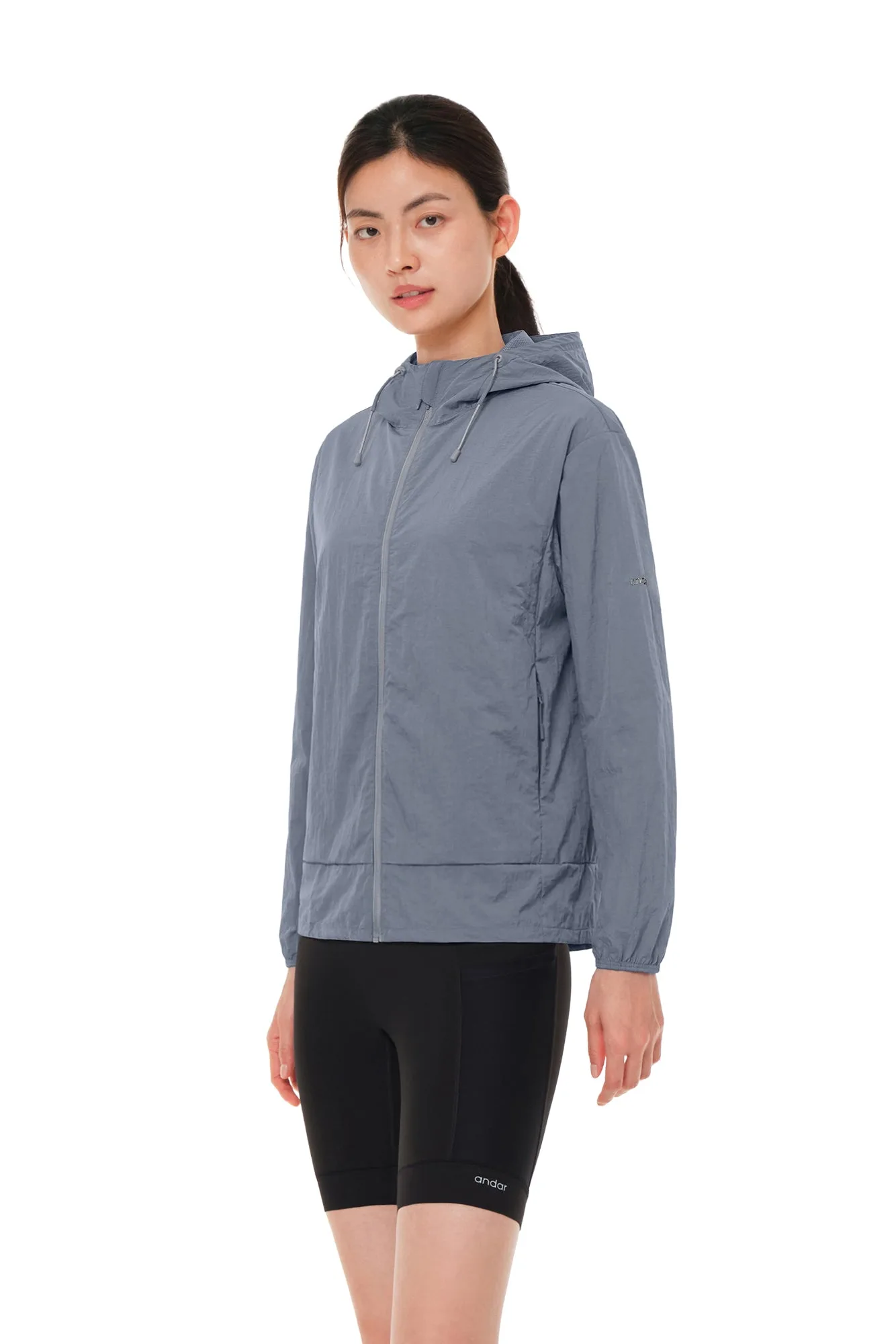
- Relair Cross Back Halter Bra: The Relair Cross Back Halter Bra from andar Australia is a women's sports bra designed for yoga, Pilates, and daily wear. It features a cross back halter design and is available in Black and Night Navy, with sizes from XS to XL. Choose from Performance or Push-Up bra pads. If you want a bra that stays put during floor poses and daily errands without digging into your shoulders, the cross back design with adjustable pad options gives you both comfort and customisable shape.
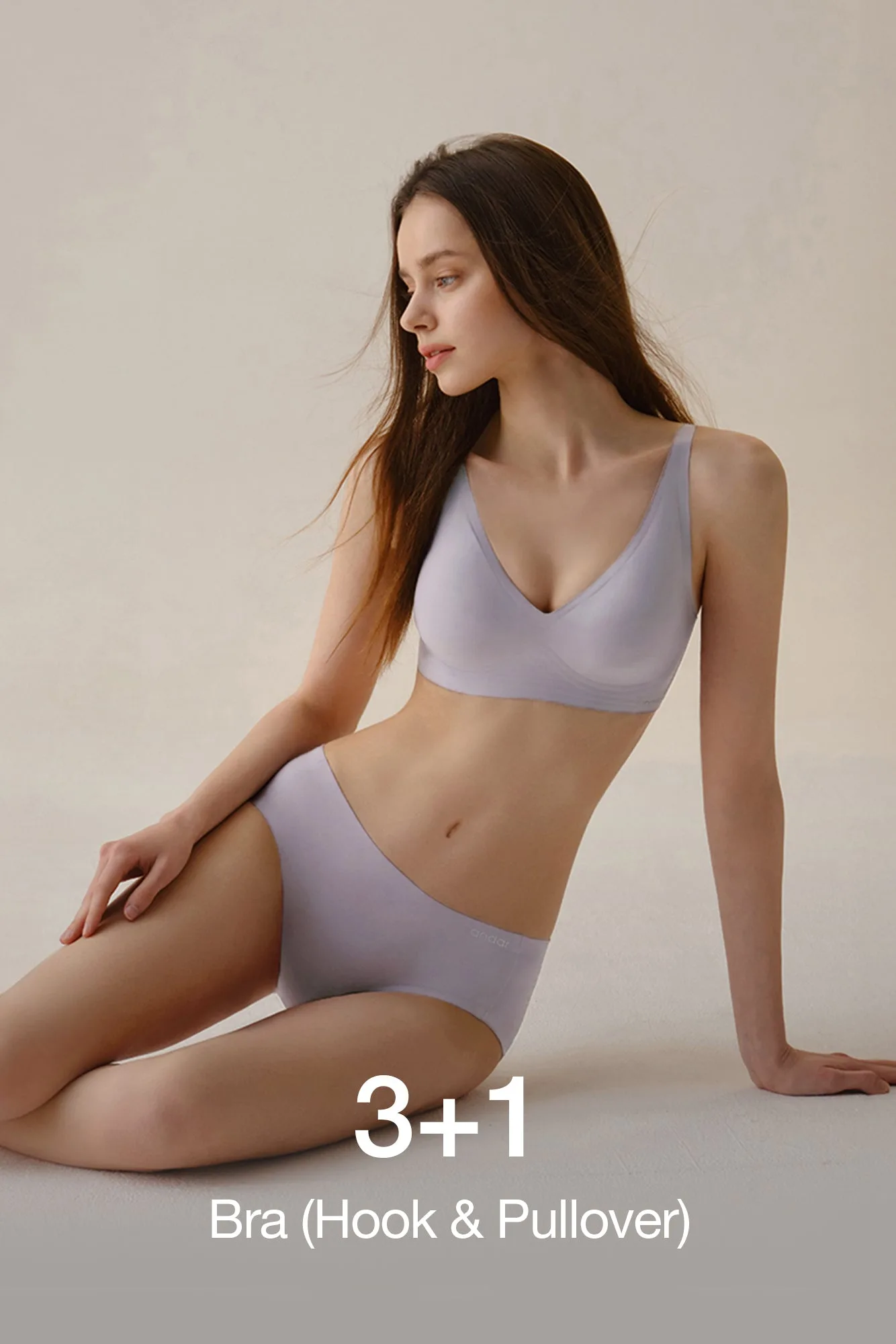
- [3+1] All-Day Fit Bra (Built-In Pads): The [3+1] All-Day Fit Bra from andar Australia is designed for everyday wear, with built-in pads for a smooth, ready-to-wear fit. It is available in a range of colors and sizes to suit your daily rotation, with hook and no-hook options. For a racerback-inspired all-day bra that you can wear under any top, the built-in pads and multiple closure choices mean you get a smooth look without extra straps showing, and the wire-free design keeps you comfortable from morning to night.
Which strap style should you choose?
Best for
- Yoga and Pilates practitioners who want an open neckline and even shoulder support
- Daily wear under tops with lower backs or racerback cutouts
Not ideal for
- High-intensity interval training or running where maximum strap stability is needed
- People with very broad shoulders who find racerback straps dig into the neck