Quick answer
Start by measuring what you carry every day, then choose the smallest bag that fits it. A cross body bag works best when the strap sits high enough that the bag rests at your hip or lower back, not swinging at your thigh. If you carry a laptop or need to attach the bag to a rolling case, look for a structured carry-on style instead of a soft everyday cross body.
Match bag size to your daily carry, not to a label
Cross body bag sizes are usually described as mini, small, medium or large, but those words mean different things to different brands. A more reliable method is to measure your three bulkiest everyday items: phone, wallet and keys. Add a fourth item if you never leave home without it, such as a water bottle, a compact umbrella or a tablet. Then compare that stack against the bag's stated dimensions.
If your essentials fit with a little room to spare, you have the right size. If you have to rearrange items every time you open the bag, size up. If the bag looks half empty, size down. A cross body bag that is too large will bounce against your hip when you walk, while one that is too small forces you to carry a second bag, which defeats the purpose.
Strap adjustment: the fit detail most people skip
Cross body strap adjustment decides whether the bag feels stable or annoying. The bag should sit at hip level or slightly above, with the strap resting flat across your body without twisting. If the bag hangs near your thigh, shorten the strap; if it presses into your neck or shoulder, lengthen it. A padded strap section helps when you carry heavier items, but padding adds bulk and can make the strap harder to slide over a coat.
Check whether the strap is adjustable on both sides or only one. Single-side adjustment is usually faster, while two-sided adjustment lets you center the buckle. If you plan to wear the bag over a thick winter jacket, leave enough adjustment range to lengthen it in cold weather. For travel, a strap that detaches or tucks away makes it easier to store the bag inside a larger carry-on.
Features that earn their place, and features that do not
The most useful cross body bag features are a main compartment with a secure closure, at least one quick-access pocket for your phone or transit card, and a strap that stays adjusted while you move. A water bottle pocket is genuinely useful if you carry a bottle daily; if you never do, it adds bulk for no benefit. Interior organization panels help only if you actually use them, because they take up space that a simple open compartment would give back.
For commuting and travel, a trolley loop or luggage attachment is a small feature with a big payoff: it lets you slide the bag onto a rolling case handle instead of carrying it through a station. If you often carry a laptop, check the stated laptop sleeve size rather than assuming a bag will fit your device. If the catalog does not list a sleeve dimension, treat that as a limitation and plan to measure your laptop against the bag's internal dimensions before buying.
Everyday cross body bag vs. travel cross body bag
An everyday cross body bag prioritizes quick access and light weight. It usually has a softer structure so it molds to your body, and it may have fewer security features because you are not moving through crowds or transit hubs all day. A travel cross body bag leans toward security and organization: zippered main compartments, a place for a passport or boarding pass, and sometimes a lockable or hidden pocket.
You can use one bag for both, but the trade-off is real. A travel-oriented bag often has more pockets and a sturdier build, which adds weight and stiffness for daily errands. An everyday bag is lighter and easier to wear, but it may not keep items organized enough for a trip. Decide which use happens more often, then let that use drive the purchase.
Decision rules for choosing a cross body bag
- Rule 1: Carry list first, size label second: Write down your daily essentials and measure the bulkiest three. Choose the smallest bag that fits them with a little spare room. Ignore mini, small or medium labels until you have checked the stated dimensions. If two sizes both fit, pick the smaller one for less bounce and lighter weight.
- Rule 2: Set strap length while wearing your heaviest layer: Adjust the strap over the jacket or coat you wear most in cold weather. The bag should rest at hip level, and the strap should lie flat without twisting. Recheck the length once the bag is loaded, because weight changes how it hangs. If the strap cannot be adjusted long enough for your winter layer, the bag will be uncomfortable for half the year.
- Rule 3: Pay for the features you will use weekly: A water bottle pocket, laptop sleeve or trolley loop is worth the extra bulk only if you use it regularly. If you never carry a bottle or laptop, choose a simpler bag and keep the weight down. Every added feature takes space or adds weight, so treat each one as a trade-off rather than a bonus.
- Rule 4: Separate everyday use from travel use: For daily errands, prioritize light weight and quick access. For travel, prioritize secure closures, organized pockets and a way to attach the bag to rolling luggage. If you need both, accept that the bag will be slightly heavier and more structured than a pure everyday option. If most of your trips involve a rolling case, a bag with a trolley loop will earn its place faster than extra interior pockets.
Product facts that matter for cross body and carry choices
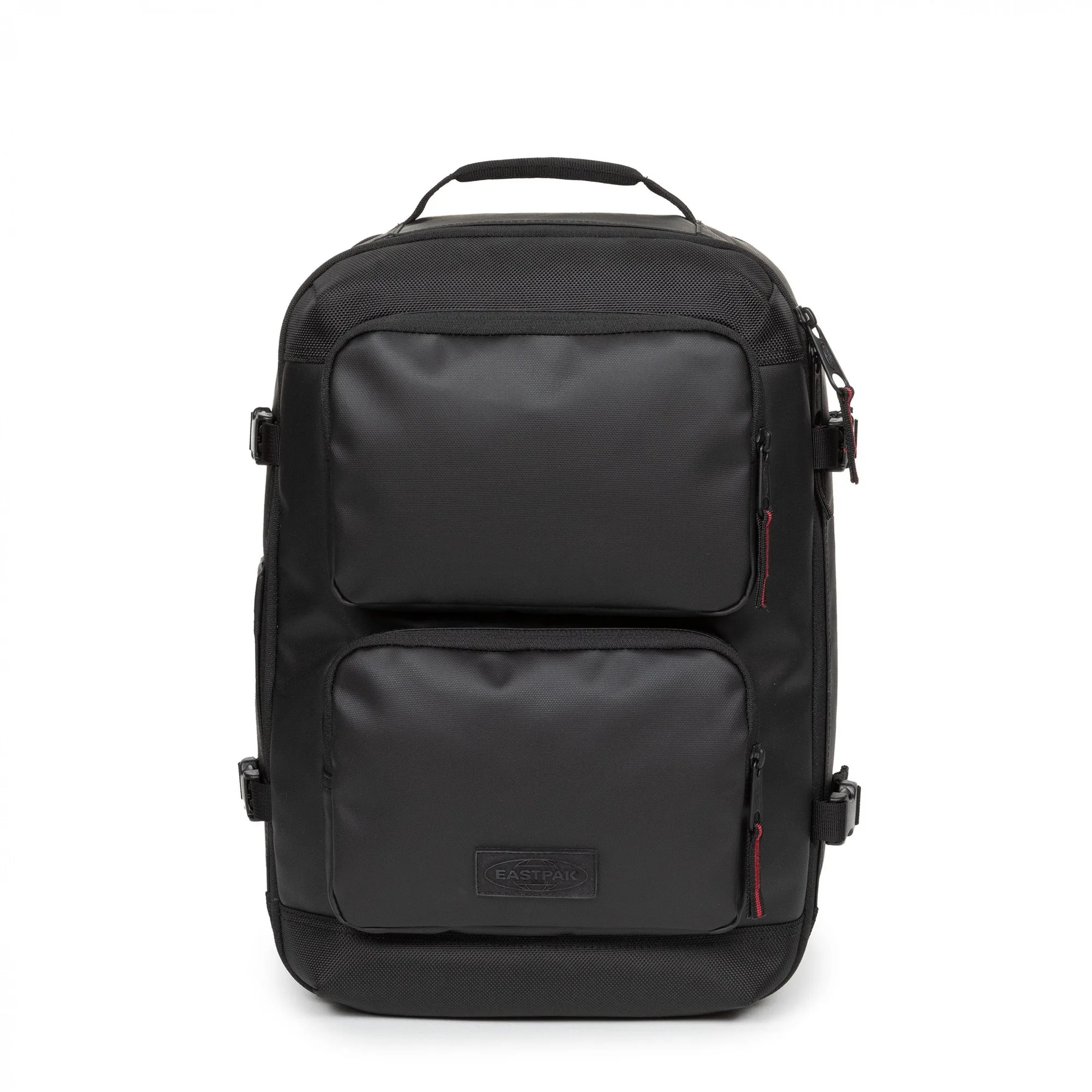
- TECUM CABIN CNNCT TOP BLACK: TECUM CABIN CNNCT TOP BLACK is a rectangular carry-on bag with multiple pockets, a built-in laptop sleeve, a water bottle pocket, ergonomic neoprene panels and a trolley loop. If your everyday carry includes a laptop and a bottle, this style covers both without a second bag, and the trolley loop lets you attach it to rolling luggage for travel days.
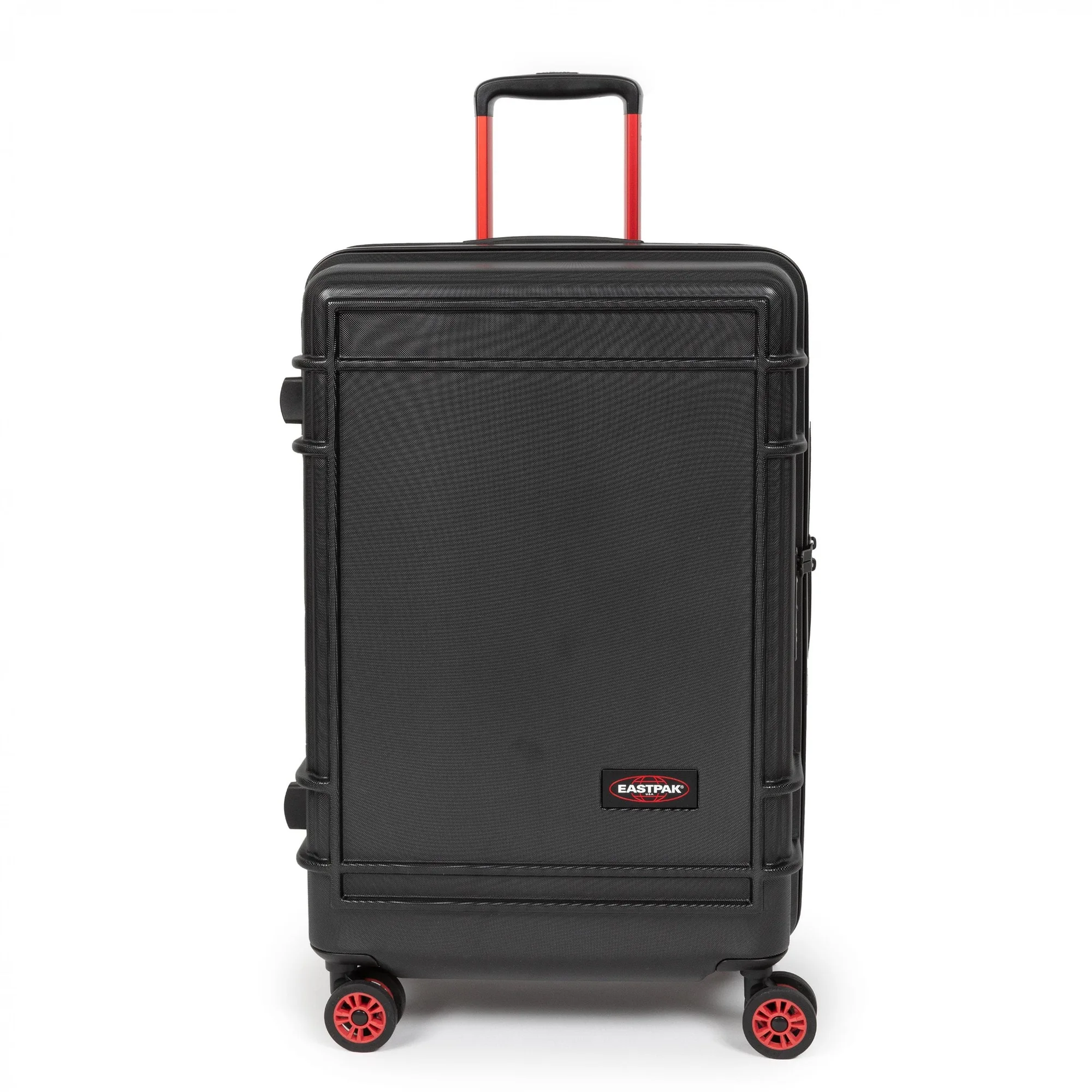
- RESIST'R ZIP M BLACK: RESIST'R ZIP M BLACK is a medium durable hardshell luggage with two zippered compartments, a 360° wheeling system, a telescopic handle and an integrated TSA lock. This is the opposite end of the carry spectrum: when you need to move a larger load through an airport, a wheeled case with a TSA lock removes the weight from your shoulder entirely.
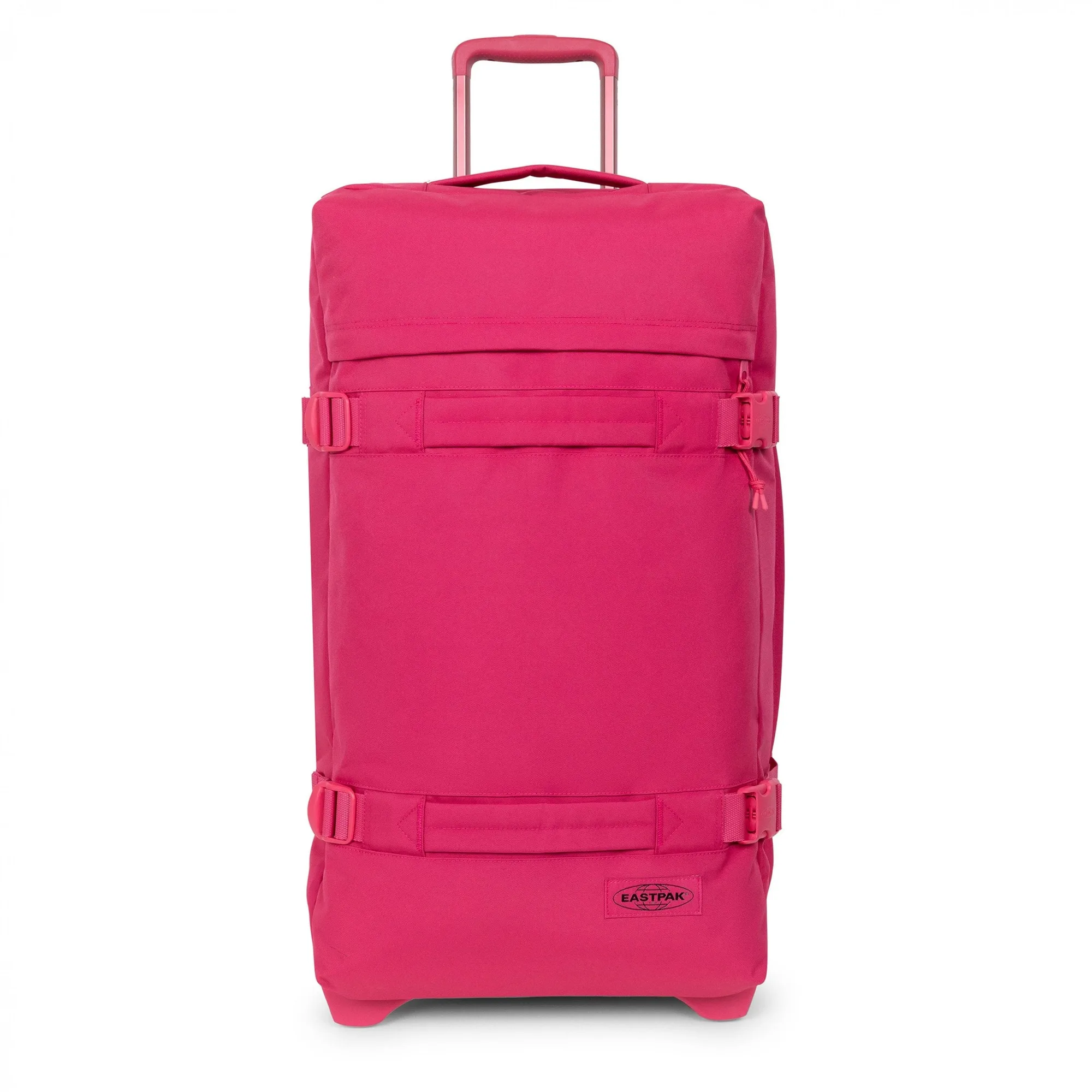
- TRANSIT'R L MONOTONE PINK: TRANSIT'R L MONOTONE PINK is a large travel trolley with two main compartments, a zip-fastening front pocket, an integrated TSA lock, aluminum tubes, protective skids and diamond embossing on the handle. The front zip pocket gives you a place for items you need during a trip without opening the main compartments, which is the same quick-access logic you want in a cross body bag.
Who should choose which cross body setup
Best for
- Commuters who carry a laptop, a water bottle and a few small essentials and want one bag for the train or office
- Travelers who want a quick-access bag they can attach to a rolling case instead of carrying it through a station
- Everyday users who carry a phone, wallet and keys and want the lightest possible bag that still closes securely
Not for
- Anyone who needs to carry a full week of clothing, who should choose wheeled luggage with two compartments and a TSA lock instead
- People who dislike straps across the chest or shoulder and prefer a handheld or backpack carry
- Buyers who need a bag for heavy, bulky gear such as camera bodies with long lenses, which usually requires a dedicated camera bag with its own support