Quick answer
Clean your crossbody bag with a soft cloth, lukewarm water, and a drop of mild soap, working in small sections and letting it air dry away from heat. Do this every few weeks, or sooner after sweat, rain, or spills. Then store it stuffed, buckled, and out of direct sun so the strap keeps its shape and the water repellent finish keeps working.
A crossbody bag takes more daily abuse than almost anything else you carry. It rubs against your hip, sits under a jacket, catches crumbs and sweat, and still has to look presentable on a commute or a night out. The good news: cross body bag care is a short routine, not a project. Fifteen minutes every few weeks keeps the fabric, strap, and hardware in shape.
The steps below cover the full cycle, from a routine wipe-down to spot-treating a stain, drying the bag without warping it, and putting it away for a season. Each step includes the mistake that causes most of the damage, so you can skip the guesswork.
Start with an empty, shaken-out bag
Before any water touches the fabric, empty every pocket. Turn the bag upside down over a bin and shake it out, then run your hand along the seams and the base where grit collects. Crumbs and sand act like sandpaper inside the lining, and a stray pen cap can scratch the interior on the next step.
Check the care label or the product page for the finish on your bag. Many crossbody bags, including The One Sunday Grey, use a water repellent fabric, which changes how much water you should use. If the label says wipe clean only, stop at a damp cloth.
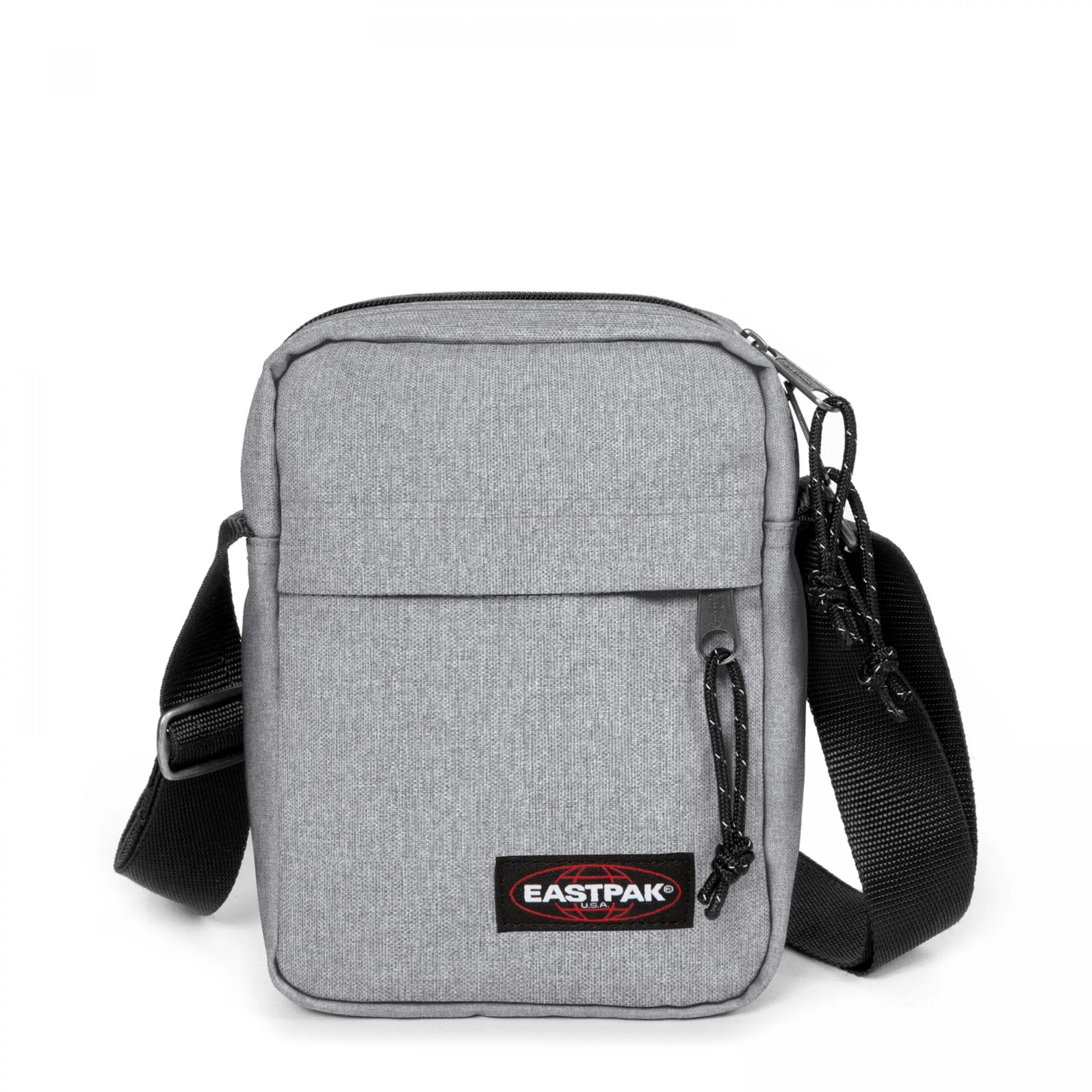
The One Sunday Grey
- Remove the strap if it detaches, so it does not soak up water while you clean the body.
- Empty the bag over a surface you can wipe, not over carpet.
Wipe the exterior with mild soap and lukewarm water
Mix a few drops of mild liquid soap into a bowl of lukewarm water. Dip a soft microfiber cloth, wring it out until it is barely damp, and wipe the fabric in small circles. Work one panel at a time and rinse the cloth in clean water as it picks up dirt, so you are not smearing grime back onto the bag.
Pay attention to the high-contact zones: the flap edge, the base, and the area where the strap meets the body. These collect the most oil and sweat. For the strap itself, wipe along its length rather than scrubbing across it, which can stretch the webbing.
- Never soak the bag or put it in a washing machine unless the care label explicitly allows it.
- Skip harsh detergents, bleach, and solvent cleaners, which can strip a water repellent finish.
Spot-treat stains before they set
For a fresh stain, blot, do not rub. Press a clean cloth onto the mark to lift what you can, then apply a small amount of mild soap with a damp cloth and work from the outside of the stain toward the center. This stops the stain from spreading into a ring. Rinse by wiping with a clean damp cloth.
Greasy marks respond better to a drop of dish soap on a cloth than to more water. Ink and dye transfer are harder; treat them the same day, and if the mark does not lift after two gentle attempts, stop rather than abrade the fabric. Some finishes, like the water repellent material on The One Sunday Grey, are easier to clean when you act fast because liquid sits on the surface instead of soaking in.
- Test any cleaner on a hidden area, such as the inside of the flap, before using it on the front.
- Blotting beats scrubbing every time: scrubbing fades color and roughens the weave.
Clean the interior and the hardware
Wipe the lining with a barely damp cloth, then dry it immediately with a towel. If the bag has an interior zippered pocket, open it and wipe the teeth and the pull so grit does not grind the zipper shut. A dry toothbrush is useful for clearing dust from the corners of the lining without adding moisture.
For the zipper, wipe the teeth with a dry cloth and work the pull back and forth a few times. If it feels rough, a tiny amount of zipper lubricant or a rub of paraffin wax on the teeth helps. Wipe metal hardware with a dry cloth to remove fingerprints and moisture, which is what causes dulling over time.
- Do not spray lubricant directly onto the fabric; apply it to the zipper teeth only.
- Leave the main compartment open while the lining dries so air can circulate.
Air dry in the right place
Stuff the bag loosely with clean, dry towels or crumpled paper to hold its shape, then let it air dry at room temperature. Keep it out of direct sun, off radiators, and away from hair dryers. Heat is the fastest way to shrink webbing, warp a coated fabric, or crack a water repellent finish.
Most bags are dry within a few hours. If the bag is still damp at the seams after that, give it more time before you use it. Putting a damp bag into a closet is how mildew starts, and mildew smell is very hard to remove once it settles into a lining.
- Hang the bag by the strap only if the strap is dry and sturdy; otherwise lay it flat.
- Never dry a crossbody bag in a tumble dryer.
Store it stuffed, buckled, and out of the sun
For everyday storage, keep the bag in a cool, dry spot, buckled or zipped so the flap does not crease in the wrong position. If you rotate bags, stuff the one you are not using with a soft cloth or bubble wrap so the body holds its shape, and lay the strap loosely over the top rather than folding it tightly. Sharp folds in webbing become permanent creases.
For longer storage, a breathable cotton dust bag is better than a plastic bag, which traps moisture. Avoid hanging a loaded crossbody bag by its strap for months, since the weight can stretch the attachment points. A shelf is kinder than a hook.
- Keep stored bags out of direct sunlight, which fades fabric over time.
- Do not stack heavy items on top of a soft crossbody bag.
Your crossbody bag care routine, step by step
- Empty and shake out: Remove everything, turn the bag upside down over a bin, and run your hand along the seams and base to clear grit. Checkpoint: if you find crumbs or sand, keep shaking before you add water.
- Wipe the exterior: Use a barely damp microfiber cloth with a few drops of mild soap in lukewarm water, working one panel at a time. Common mistake: a soaking wet cloth, which pushes water into seams and lining.
- Spot-treat stains: Blot first, then work mild soap from the outside of the stain toward the center and rinse with a clean damp cloth. Checkpoint: if the mark has not lifted after two gentle tries, stop and let it dry.
- Wipe the lining and zippers: Damp-wipe the interior, dry it right away, and clear the zipper teeth with a dry cloth or soft brush. Common mistake: leaving the lining damp, which invites mildew.
- Air dry with the shape held: Stuff the bag lightly with towels or paper and dry at room temperature, away from sun, radiators, and hair dryers. Checkpoint: seams should feel completely dry before the bag goes back into use.
- Store it properly: Keep the bag buckled or zipped, stuffed to hold its shape, in a breathable dust bag on a shelf rather than hanging by the strap. Next step: repeat the wipe-down every few weeks, or after any heavy rain or sweat exposure.
How two compact carry styles handle care
- THE ONE SUNDAY GREY: Water repellent fabric protects your belongings from light rain, plus an interior zippered pocket helps organize small items. The repellent finish means you can wipe most marks off the surface instead of soaking the bag, and the interior pocket keeps small items from rattling around and scratching the lining during cleaning.
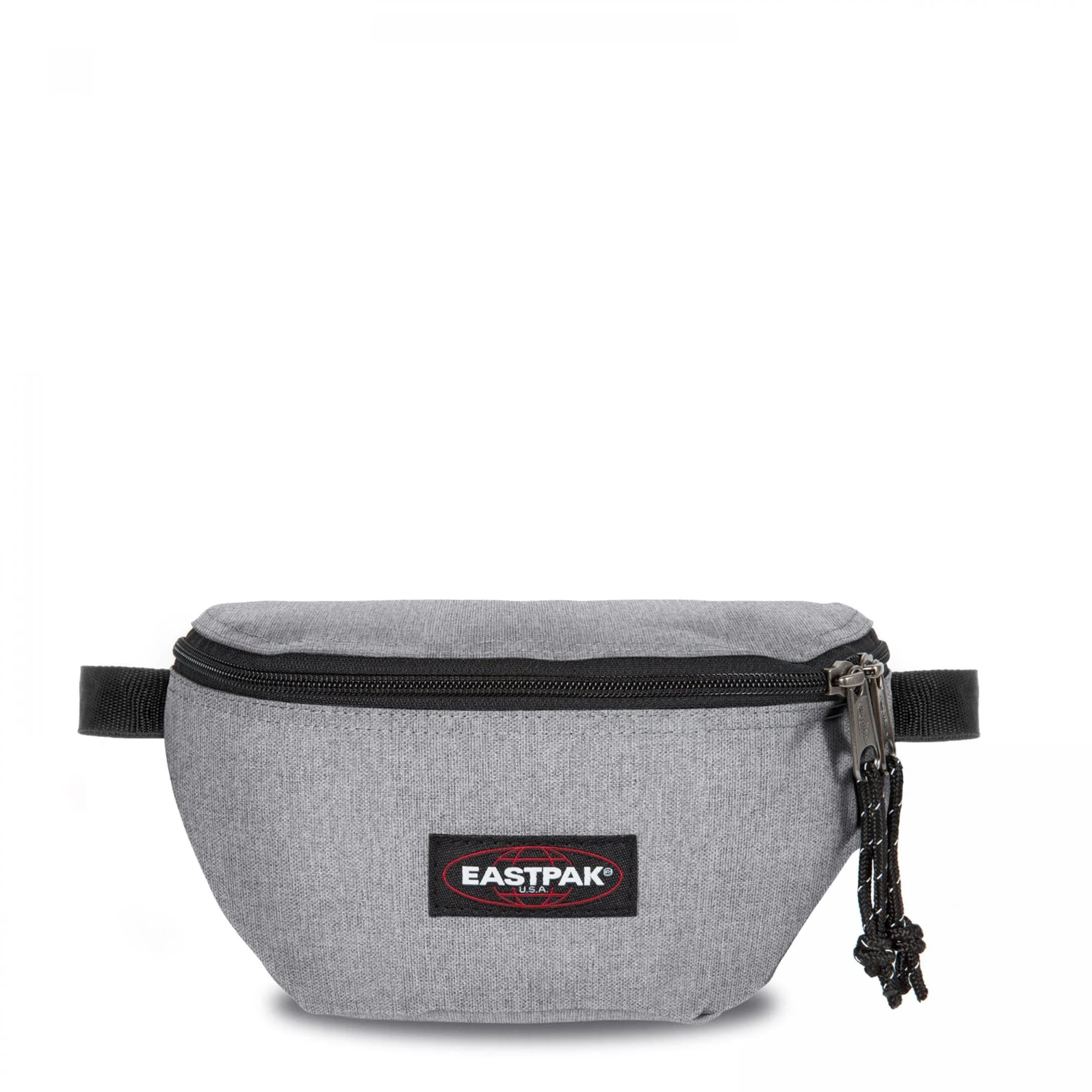
- SPRINGER SUNDAY GREY: Water repellent material protects your belongings, with a zippered main compartment and drawcord pullers for easy opening and closing. The same wipe-clean approach works here, and the drawcord pullers are worth wiping dry after rain so they keep running smoothly.
Cross body bag care comes down to four habits: wipe it down regularly, blot stains early, dry it away from heat, and store it stuffed and out of the sun. Do that, and a compact bag like The One Sunday Grey or the Springer Sunday Grey stays presentable through daily use and keeps earning its place on your shoulder. Both come with a 30 year warranty, so the care you put in now protects a bag you plan to keep.