Quick Answer
Choose a Crosscut kit if you want a curated, project-ready set of pre-cut fabrics and notions that saves time and decision fatigue. Buy individual fabrics if you need specific yardage, want to build a stash, or have a pattern that requires exact cuts. Neither is universally better—your project and preferences decide.
You're ready to start a new sewing project, but the first decision is how to buy your materials. Crosscut kits bundle pre-cut fabrics and sometimes notions into one convenient package, while buying individual fabrics lets you choose every piece yourself. This comparison breaks down the trade-offs so you can pick the right path for your next make.
We'll look at cost, time, flexibility, and fabric selection, using real product examples from Crosscut Sewing Co. By the end, you'll know which option fits your sewing style and project needs.
What You Get: Crosscut Kits vs. Individual Fabrics
Crosscut kits are designed to take the guesswork out of fabric selection. They typically include pre-cut fabrics coordinated for a specific project, and may also include patterns or notions. The main appeal is convenience: you open the box and start sewing, without worrying about whether your prints and colors work together. Kits are especially helpful for beginners or anyone short on time.
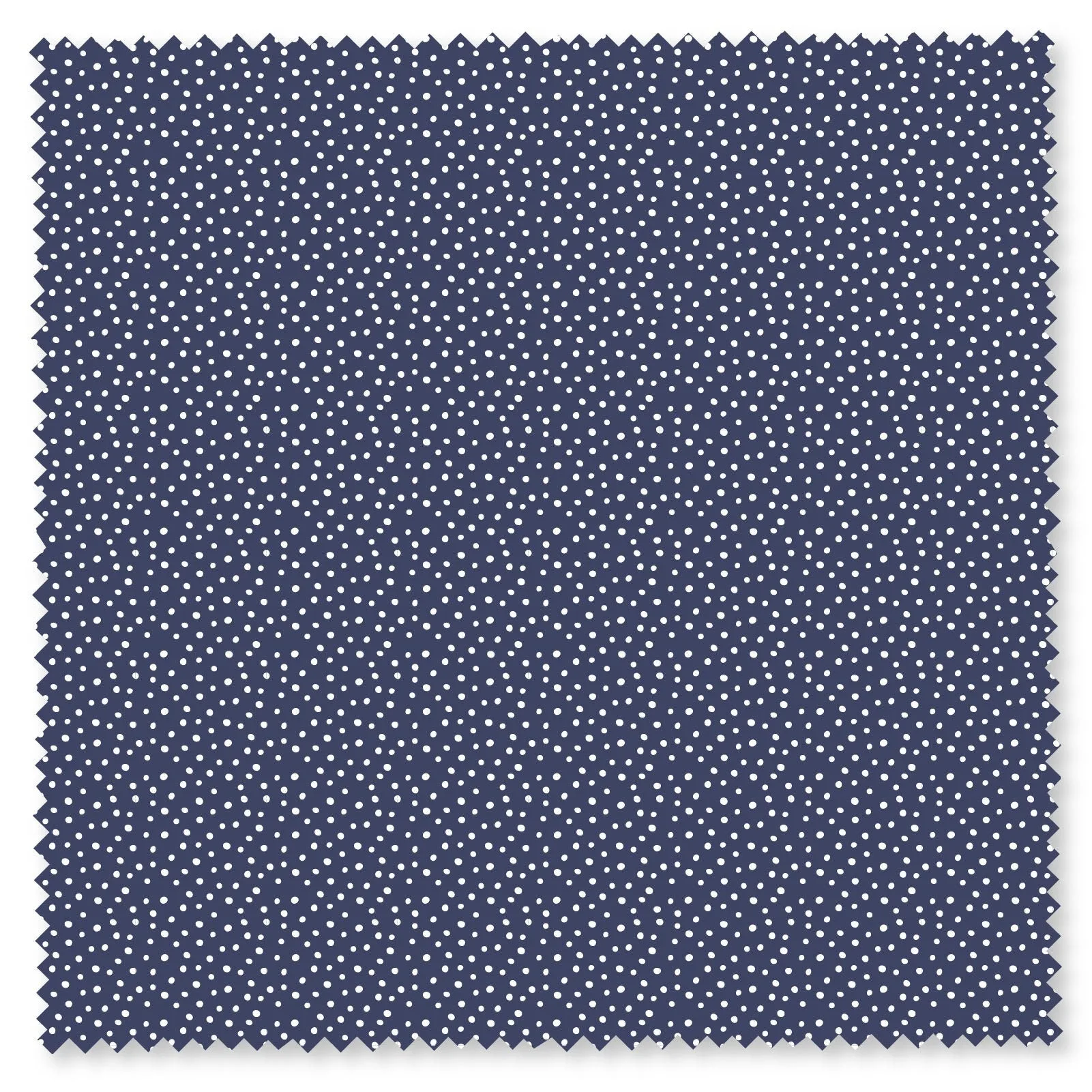
Buying individual fabrics means purchasing yardage or pre-cuts separately. You can choose any fabric from the store, like Navy from Speckles by Felicity Fabrics or Time for Tea and Cake from Garden Party by Sue Gibbins for Felicity Fabrics. This route gives you total control over fiber content, width, and quantity, but you'll need to plan your project and calculate yardage yourself.
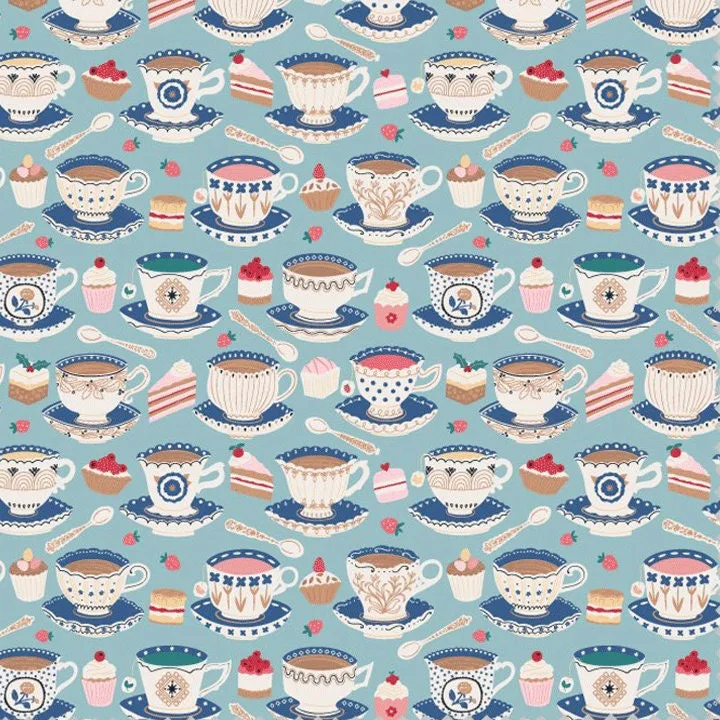
Time for Tea and Cake from Garden Party by Sue Gibbins for Felicity Fabrics
- Kits save time on planning and shopping; individual fabrics require more upfront decisions.
- Kits guarantee coordinating fabrics; individual buying lets you mix collections.
Cost Considerations: Bundle Pricing vs. Per-Yard
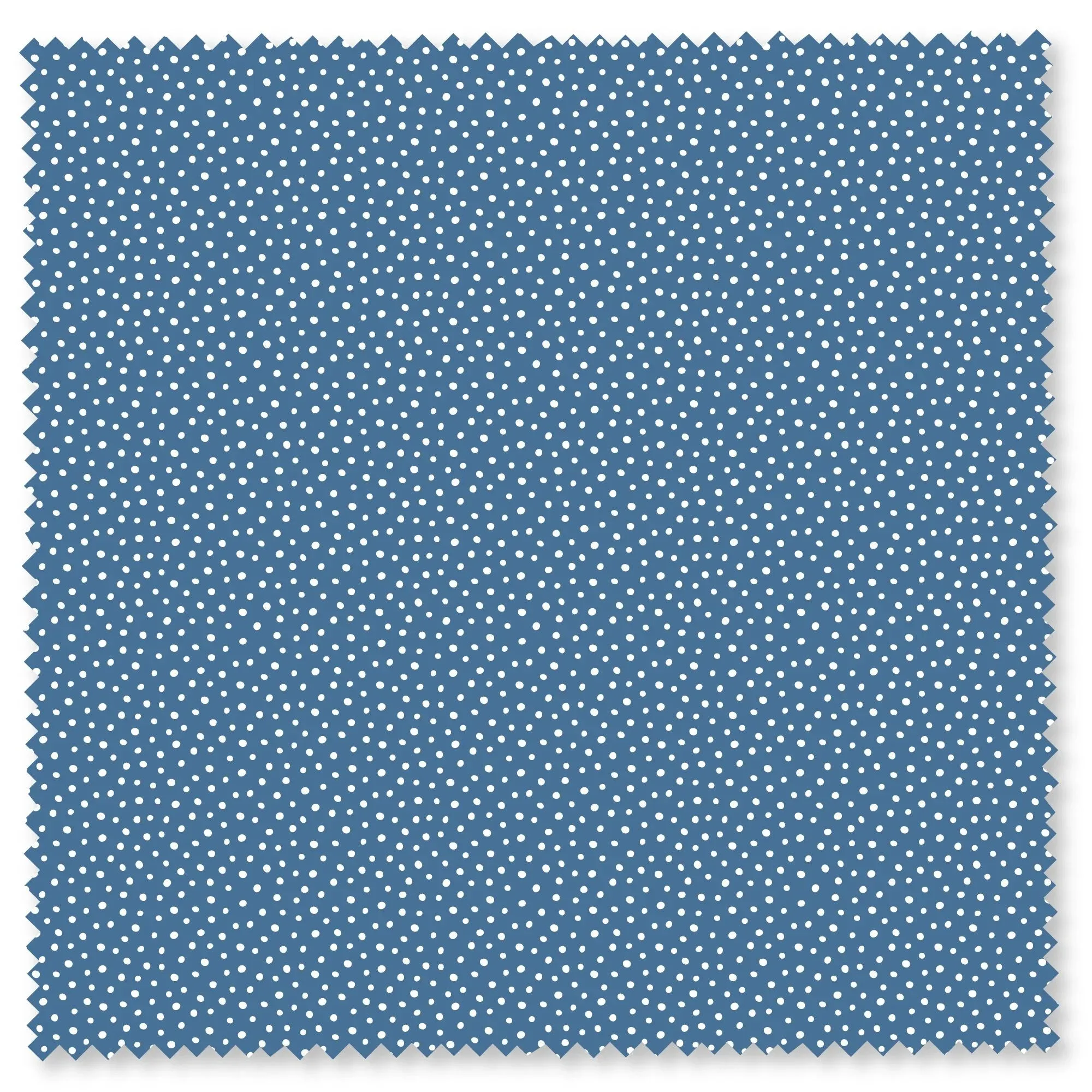
Crosscut kits are often priced as a bundle, which can be more economical than buying each piece separately. However, the value depends on whether you'll use every item in the kit. If you only need a small amount of one fabric, buying individual cuts might be cheaper. For example, Navy from Speckles by Felicity Fabrics is $3.00 per unit (compared to $5.99), and Blue from Speckles is $3.00 (compared to $6.00), so you can buy exactly what you need.
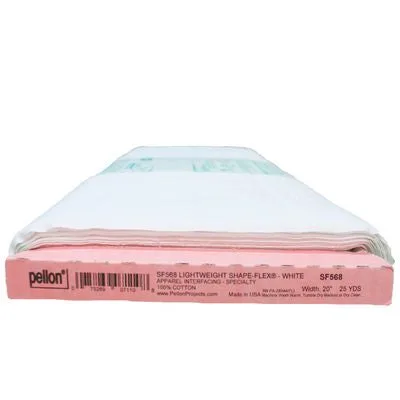
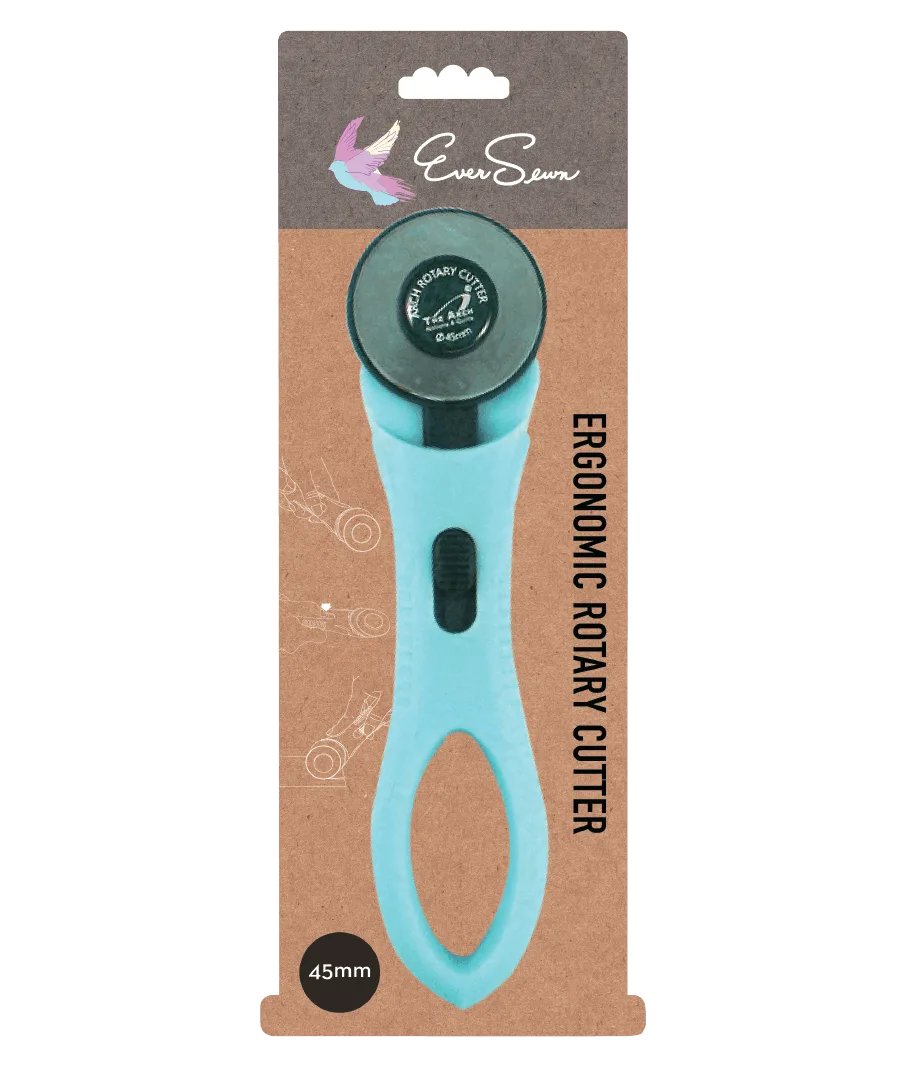
When comparing costs, factor in notions and patterns. A kit that includes interfacing like Pellon SF101 Shape-Flex® (priced at $1.72, compared to $3.45) or a rotary cutter like the EverSewn 45mm Ergonomic Rotary Cutter ($5.50, compared to $10.99) can offer significant savings if you need those items. But if you already own them, buying fabric alone is more cost-effective.
- Calculate the total cost of kit contents vs. buying only what you need.
- Check if you already own the notions included in a kit to avoid duplicates.
Time and Convenience: Which Saves You More?
Kits win on time savings. You skip the research, color matching, and yardage math. This is a big advantage if you have a busy schedule or want to start a project immediately. Kits also reduce the risk of buying the wrong amount or incompatible fabrics.
Individual fabric shopping takes more time, but it can be a enjoyable part of the creative process. You might discover new fabrics, like the OEKO-TEX certified Speckles collection, and tailor your project exactly to your taste. If you enjoy browsing and planning, this route can be more satisfying.
- Kits are ideal for spontaneous sewing sessions; individual buying suits planners.
- If you're short on time, a kit removes decision fatigue.
Flexibility and Customization: Which Offers More Control?
Individual fabrics give you maximum flexibility. You can choose any combination of colors, prints, and substrates. For example, you could pair Navy from Speckles with Time for Tea and Cake from Garden Party for a unique look. You also control the exact yardage, which is crucial for garments that require specific lengths.
Kits are less flexible because the fabric selection is predetermined. However, they often include fabrics that coordinate well, which can push you out of your comfort zone in a good way. If you struggle with color choices, a kit provides a ready-made palette.
- Individual buying is better for pattern-specific yardage requirements.
- Kits can introduce you to new designers and collections you might not pick yourself.
Fabric Quality and Certification: What to Look For
When buying individual fabrics, you can check certifications and fiber content. For instance, Navy from Speckles by Felicity Fabrics is 100% cotton, 43"/44" wide, and OEKO-TEX certified. Time for Tea and Cake is also OEKO-TEX certified and made in Korea. These details matter if you have sensitive skin or prefer eco-friendly options.
Kits may or may not disclose the same level of detail. If certification is important to you, check the kit description or buy individual fabrics where you can verify each piece. Crosscut Sewing Co. provides detailed product pages for individual fabrics, making it easier to make informed choices.
- Look for OEKO-TEX or similar certifications if you care about low-impact dyes.
- Kits might not list every fabric's origin; individual listings usually do.
Trade-Offs at a Glance
- Convenience vs. Control: Kits offer convenience with pre-selected fabrics, but you sacrifice control over exact prints and yardage. Individual buying gives full control but requires more planning. Choose kits for speed, individual fabrics for customization.
- Cost Predictability vs. Flexibility: Kits bundle costs, which can be cheaper if you need everything included. Individual fabrics let you buy only what you need, but you might miss bundle savings. Compare kit price against the sum of items you'll actually use.
- Time Investment vs. Creative Exploration: Kits save time on shopping and coordination. Individual fabric shopping takes longer but can be a creative outlet and lead to unique combinations. Decide based on how much time you want to spend planning.
Key Product Facts
- Navy from Speckles by Felicity Fabrics: 100% Cotton, 43"/44" wide, OEKO-Tex certified, machine wash cold/tumble dry low. A versatile blender fabric that's safe for sensitive skin and easy to care for.
- Blue from Speckles by Felicity Fabrics: 100% Cotton, 43"/44" wide, OEKO-Tex certified, machine wash cold/tumble dry low. Coordinates with other Speckles colors, giving you flexibility in mixing and matching.
- Time for Tea and Cake from Garden Party by Sue Gibbins for Felicity Fabrics: 100% Cotton, 44"-45" wide, OEKO-TEX certified, made in Korea. A designer print that adds character to projects and meets eco-friendly standards.
- Pellon SF101 Shape-Flex®: All-purpose woven fusible interfacing for light to medium woven and knit fabrics. Essential for adding crisp support to collars, cuffs, and other garment details.
Which Option Fits You?
Best for
- Beginners who want a curated, no-guesswork start to a project.
- Sewists with limited time who want to skip planning and shopping.
- Gift-givers looking for a complete, ready-to-start present.
Not for
- Sewists who need specific yardage for a pattern and prefer to choose every fabric.
- Those who already own the notions included in a kit and want to avoid duplicates.
- People who enjoy the process of browsing and selecting fabrics as part of their creative flow.
There's no single right answer—your project, budget, and personality decide. If you value time and convenience, a Crosscut kit is a smart pick. If you crave control and love the hunt for the perfect fabric, buying individual fabrics is the way to go. Either path can lead to a satisfying sewing experience.