Quick answer
Choose a curcumin turmeric formula that states the actual curcuminoid amount per serving, not just "turmeric extract" or "turmeric powder." If the label pairs curcumin with black pepper or piperine, it is using absorption support, but that only matters when the curcumin dose is realistic. For most shoppers, a standardized extract with a clear curcuminoid percentage and a per-serving dose is easier to compare than a proprietary blend.
Why plain turmeric powder is not the same as curcumin
Turmeric root contains curcumin, but the amount is small. A teaspoon of culinary turmeric is not a reliable way to get a concentrated curcumin dose, and it is not standardized. Curcumin supplements usually use an extract that has been concentrated and standardized to a percentage of curcuminoids. That percentage is the first number to look for, because it tells you how much of the extract is actually the active compound.
- Look for the words "standardized to" followed by a percentage, such as 95% curcuminoids.
- Check whether the label lists curcuminoids in milligrams per serving, not just the total extract weight.
- Treat "turmeric powder" or "turmeric root" listings as food-level ingredients, not concentrated curcumin.
How black pepper and piperine change absorption
Curcumin is poorly absorbed on its own, which is why many formulas add black pepper extract or piperine. Piperine is not a curcumin source; it is an absorption aid. A label that says "curcumin with black pepper" is telling you the manufacturer expects poor natural absorption and has added a helper. That can be useful, but it does not fix an underdosed product. If a formula has 50 mg of curcuminoids and a pinch of black pepper, the pepper is not the main event.
- Piperine may improve curcumin absorption, but it can also increase the absorption of some medications, so check with a clinician if you take prescription drugs.
- Black pepper fruit extract is not the same as ground table pepper; look for a standardized piperine amount if the label provides one.
- If the label does not state the curcuminoid dose, piperine alone is not enough to judge the formula.
Compare curcumin dosage without guessing
Curcumin dosage in supplements varies widely, and there is no single official daily dose for general wellness. That means you should compare products on a per-serving basis and match the serving size to your routine. A capsule that requires two or three servings a day is different from a once-daily option, even if the bottle looks similar. Check the serving size, the curcuminoid amount per serving, and the total curcuminoid amount per container.
- Write down the curcuminoid milligrams per serving, not per capsule, if the serving is more than one capsule.
- Divide the total curcuminoids in the bottle by your daily target to estimate how long the bottle lasts.
- If a label only gives a proprietary blend weight, you cannot verify the curcuminoid amount; treat that as a limitation.
Formulation details that affect daily use
Bioavailability is not only about absorption enhancers. The form of curcumin, the capsule or tablet format, and the number of servings per day all affect whether you actually stick with it. Some people prefer a smaller capsule count; others want a formula with added ingredients that support a specific goal. Read the "other ingredients" line for allergens and check whether the product is vegan, gluten free, or third-party tested if those matter to you.
- Count the total capsules or tablets per day before buying a large bottle.
- Look for third-party testing statements if you want independent verification of purity.
- If you take blood thinners or have a bleeding disorder, talk to your clinician before using concentrated curcumin.
When a bundle or paired formula makes sense
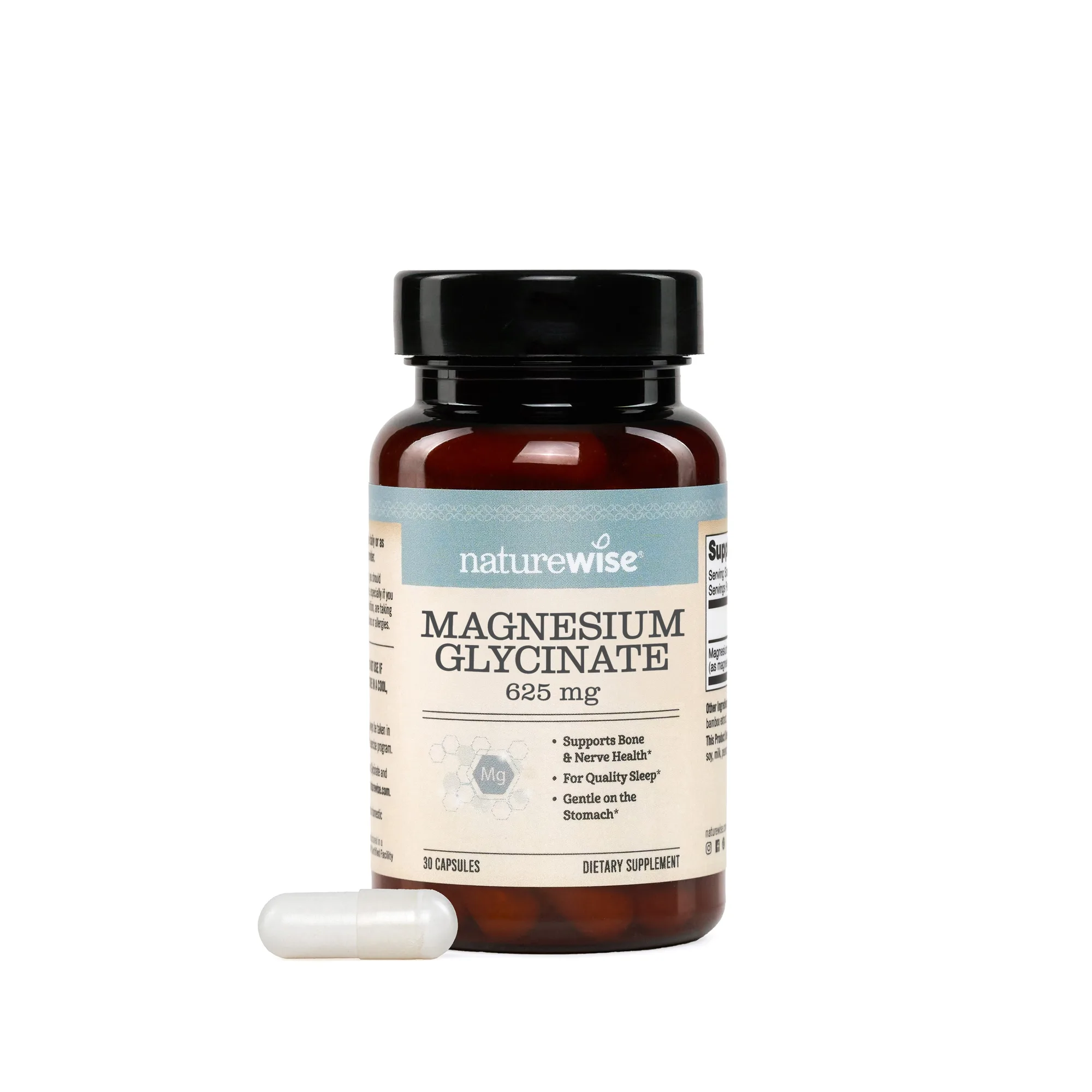
Some shoppers pair curcumin with other targeted supplements, such as magnesium for relaxation or vitamin C for immune support. That can simplify a routine, but it also makes it harder to tell which product is doing what. If you are new to curcumin, start with a single curcumin product so you can judge tolerance and timing. If you already have a stable routine, a bundle can reduce the number of separate bottles you manage.
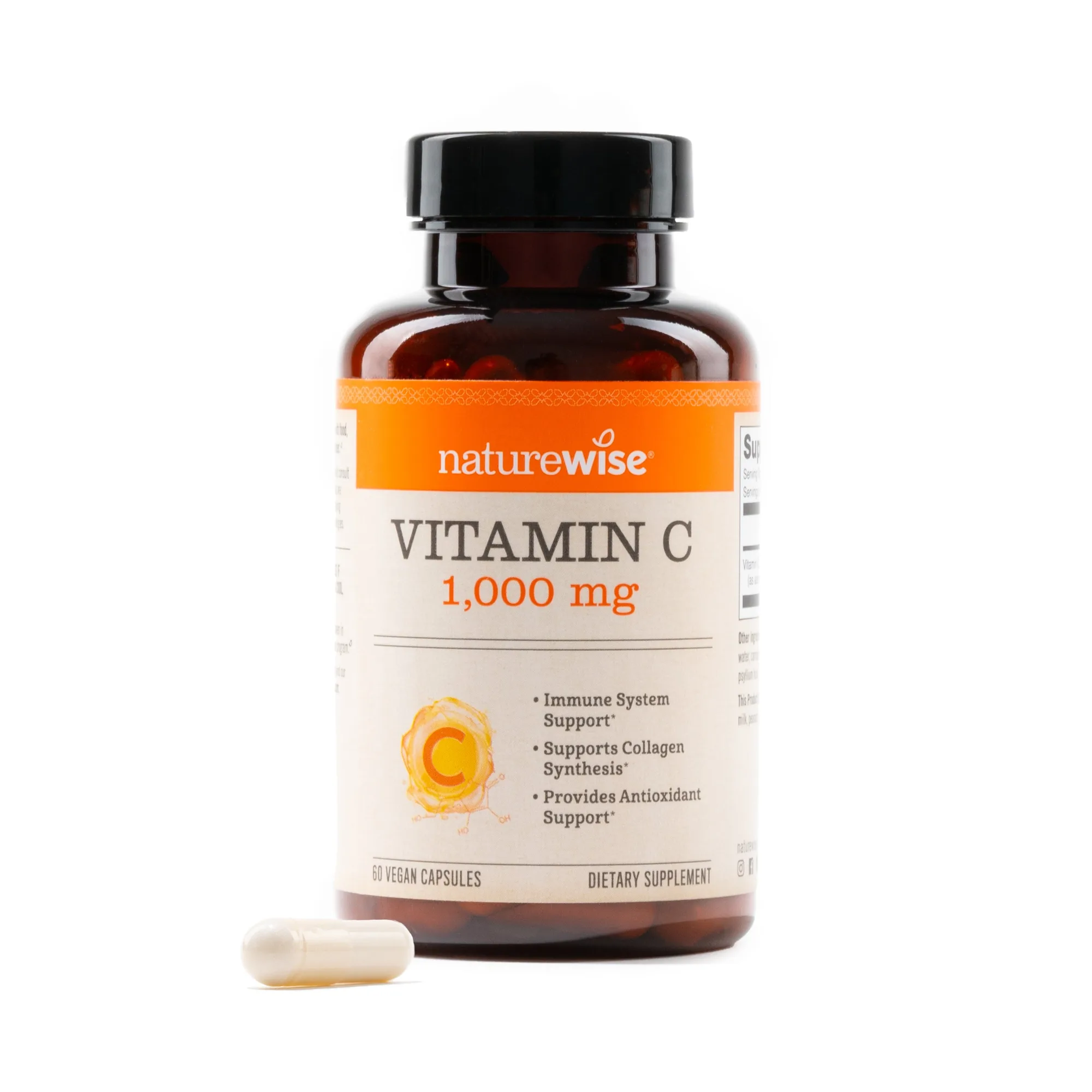
vitamin C
- Start one new supplement at a time when possible.
- Check for overlapping ingredients if you combine curcumin with a multivitamin or other blend.
- Use the product facts below to compare what is actually in each option.
Decision rules for choosing a bioavailable curcumin
- Rule 1: Require a curcuminoid number: If the label does not state curcuminoids in milligrams per serving, skip it. You cannot compare bioavailability or dose without that number. No curcuminoid number, no purchase.
- Rule 2: Treat piperine as a helper, not a headline: Curcumin with black pepper can support absorption, but only if the curcuminoid dose is meaningful. A large piperine claim on a low-curcumin product is a red flag. Check the curcumin dose first, then the absorption aid.
- Rule 3: Match the serving size to your day: A formula that needs three servings daily may cost more and be harder to sustain than a once-daily option. Compare cost per day, not just bottle price. Calculate cost per curcuminoid serving before you buy.
- Rule 4: Decide if you need a single product or a bundle: If you are new to curcumin, choose a standalone product. If you already take magnesium or vitamin C, a bundle can reduce bottle count but check for overlap. Start simple, then combine once you know your tolerance.
Product facts to compare
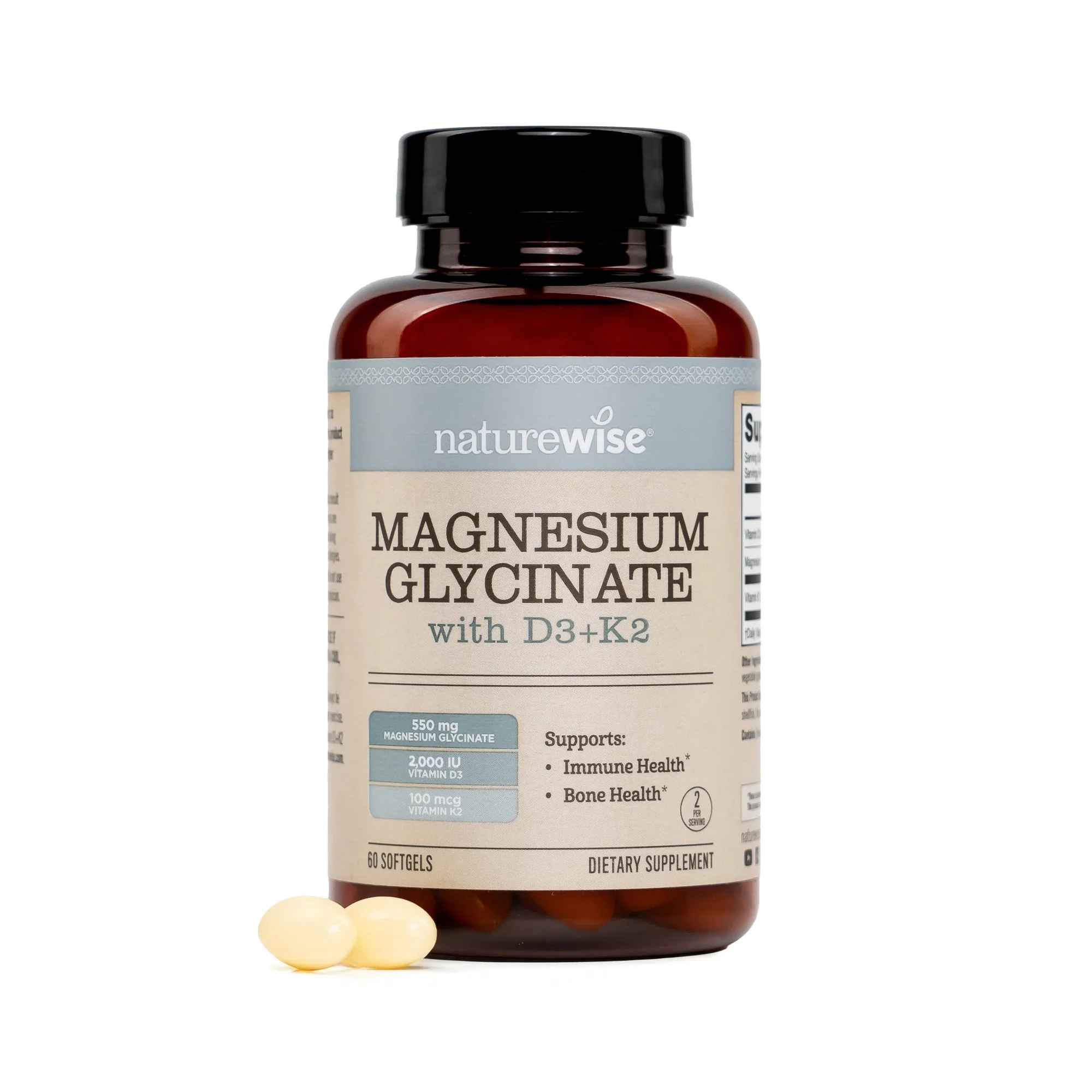
- Magnesium Glycinate with D3 + K2: 550 mg non-buffered Magnesium Glycinate in 2,000 IU, 4,000 IU, and 10,000 IU strengths, plus 100 mcg Vitamin K2 as MK-7. If you are building a daily routine around curcumin, this magnesium option gives you a clear per-serving mineral dose and a choice of strengths, which makes it easier to pair without guessing.
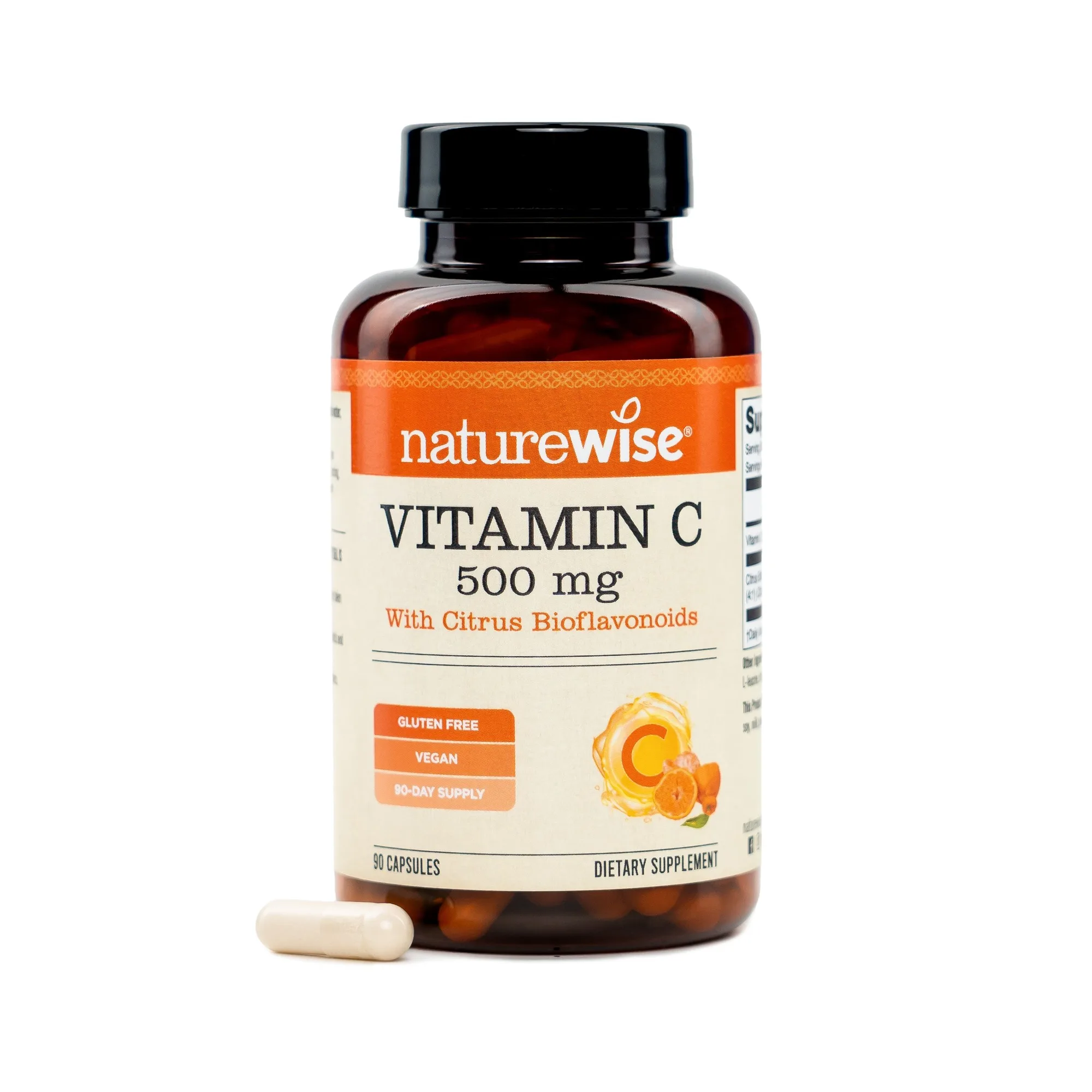
- Vitamin C with Citrus Bioflavonoids: 500 mg Vitamin C with 75 mg Citrus Bioflavonoids, 90-day supply, gluten free and vegan. A 90-day supply and a stated vitamin C dose make this a practical add-on if you want immune and collagen support alongside a curcumin product, without adding a second underdosed blend.
Who this buying guide is for
Best for
- Shoppers comparing turmeric supplements who want to read labels by curcuminoid dose and serving size
- People who want to know whether curcumin with black pepper is enough or whether they need a different absorption form
- Anyone building a daily routine with magnesium or vitamin C who wants to avoid overlapping or underdosed products
Not for
- Anyone looking for a treatment for a diagnosed inflammatory condition; that requires a clinician
- Shoppers who want culinary turmeric powder for cooking rather than a concentrated curcumin supplement
- People taking blood thinners or with bleeding disorders who have not checked with their prescriber