Quick Answer
If your dog shows increased thirst, appetite, and urination along with a pot-bellied appearance and hair loss, talk to your vet about testing for Cushing’s disease. Early diagnosis and treatment can manage symptoms and improve your dog’s quality of life.
Why Early Recognition Matters
Cushing’s disease (hyperadrenocorticism) is a common endocrine disorder in middle-aged and older dogs. It occurs when the adrenal glands produce too much cortisol, a hormone that helps regulate stress, metabolism, and immune response. Over time, excess cortisol can lead to serious health issues, including diabetes, infections, and high blood pressure.
The challenge is that early signs—like increased thirst and urination—are easy to dismiss as normal aging. However, catching Cushing’s early can make treatment more effective and prevent complications. If you notice a combination of the classic signs, it’s worth discussing with your veterinarian.
Treatment Options: What to Expect
Treatment depends on the type of Cushing’s disease. The most common form is pituitary-dependent (about 85% of cases), where a benign tumor on the pituitary gland stimulates the adrenal glands. The other form is adrenal-dependent, caused by a tumor on the adrenal gland itself.
Medications like trilostane (Vetoryl) or mitotane (Lysodren) are commonly used to control cortisol production. Surgery may be an option for adrenal tumors, but it’s riskier. Your vet will recommend a plan based on your dog’s specific condition, age, and overall health.
While treatment can greatly improve symptoms, it requires regular monitoring and possible dose adjustments. Some dogs experience side effects, so close communication with your vet is essential.
The Role of Diet and Supportive Care
In addition to medical treatment, a balanced diet and supportive care can help manage Cushing’s disease. Some owners find that reducing stress, providing consistent exercise, and feeding a high-quality diet supports their dog’s overall well-being.
Alternative therapies, such as supplements or herbal remedies, are sometimes used, but always discuss them with your vet first. Online support groups can also offer practical tips and emotional support from others managing the condition.
Recognizing and Responding to Cushing’s Disease
- Symptom: Watch for increased thirst and urination, increased appetite, a pot-bellied appearance, hair loss, lethargy, and panting. These signs often appear gradually. If you notice two or more of these signs, schedule a vet appointment.
- Likely Cause: Cushing’s disease is caused by overproduction of cortisol, usually due to a pituitary tumor (pituitary-dependent) or an adrenal tumor (adrenal-dependent). Your vet will need to run blood tests to determine the type.
- Corrective Action: Treatment typically involves medication to control cortisol levels, such as trilostane or mitotane. For adrenal tumors, surgery may be an option. Follow your vet’s dosing instructions and attend regular check-ups. Monitor your dog’s response to medication and report any side effects immediately.
- Stop and Seek Veterinary Help: If your dog shows signs of an Addisonian crisis—such as vomiting, diarrhea, weakness, or collapse—seek emergency veterinary care. Also, do not start or stop any medication without your vet’s guidance. Keep emergency contact numbers handy and know the signs of a crisis.
Learn More with The Whole Dog Journal
-
Cushing’s Disease: This guide covers susceptible breeds, warning signs, and how treatment has improved—including which medications to stop using immediately. Having a reliable resource helps you recognize symptoms early and have informed conversations with your vet about the best treatment path.
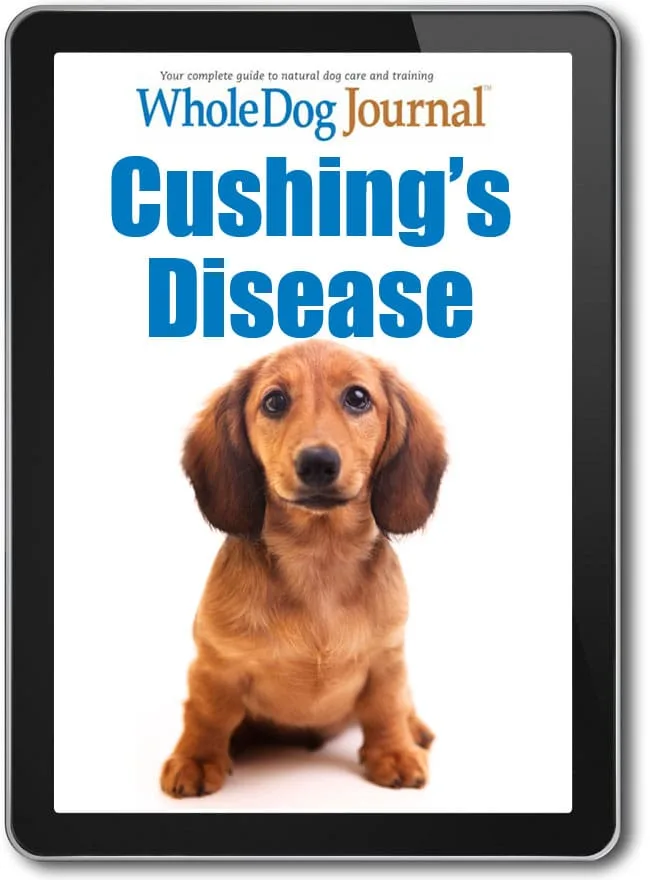
Cushing’s Disease