Quick answer
Custom Crosscut kits are complete sewing project kits that arrive with the pattern, fabric, and hardware already matched, so you skip the sourcing step and go straight to cutting and stitching. You pick the project and the color option, and the kit supplies the rest. They suit beginners who want a guided first finish and experienced sewists who want a fast, low-decision make.
Most sewing projects stall before the first stitch. You find a pattern, then hunt for the right fabric weight, then realize you need cording or a zipper in a matching color, and the project slides to the bottom of the pile. Custom Crosscut kits exist to remove that scavenger hunt.
This FAQ covers what actually arrives, how the color options work, and how to tell whether a kit is the right call for your next project. If you have ever bought a pattern and then abandoned it, the answers below are for you.
What are Crosscut kits, exactly?
A Crosscut kit is a single purchase that bundles a specific project's pattern, fabric, and required notions. Instead of buying four or five items separately and hoping they work together, you get one box where the components were chosen to fit the same project. That matters most with hardware and trim, where a quarter inch of width or the wrong color can stall a build.
The kits are project-specific rather than generic. A tote kit and a drawstring backpack kit share a philosophy but not a parts list, so you are never guessing whether the cording you bought will fit the casing you sewed.
- Buy a kit when you want to finish something this month rather than plan something this month.
- Buy individual fabrics when you already have a stash that covers the project.
What is the Crosscut kit process, start to finish?
The process is deliberately short. You choose the project, select the available color option, and the kit ships with the materials and instructions. From there the work is ordinary sewing: cut, sew, press, finish. Kits with a video tutorial add a walkthrough you can pause at each step, which is the closest thing to having someone sit beside you.
Because the materials are pre-matched, the usual mid-project interruptions disappear. You are not waiting on a notion order or re-cutting a piece because the fabric you substituted behaved differently than expected.
- Read the full instruction set once before cutting anything.
- Keep the kit bag or box until the project is done so small pieces do not wander off.
How do fabric and color options work?
Kits list available option types, and color is the common one. That means the project is fixed but the fabric or hardware colorway is your choice, which is how two people can make the same kit and end up with very different finished objects. Choose based on where the item will live, not just what looks good on a screen.
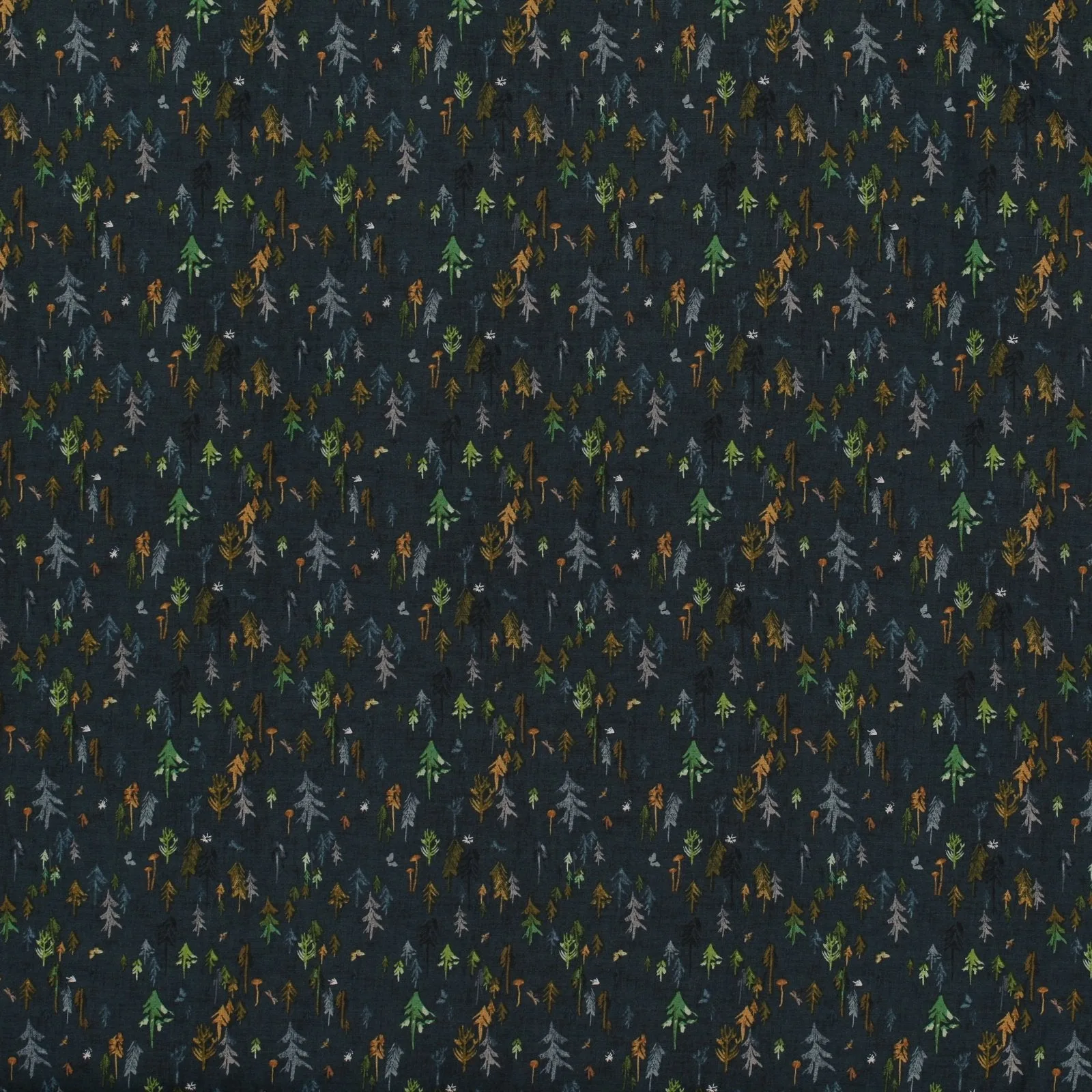
If a specification is not listed on a product page, treat that as a decision limitation rather than a hidden feature. Contact the shop before ordering if an exact weight, width, or fiber content is critical to your plan. For example, the Forest Glade Dark Teal from Clothworks Fabric is listed as 100% cotton shirting/lawn at 44/45 inches wide, which is lighter than traditional quilting cotton, while Big Sur Canvas in Grayish from Robert Kaufman is listed at 9.6 oz per square yard and 44 inches wide. Those are different animals, and the kit you pick should match the hand you want.
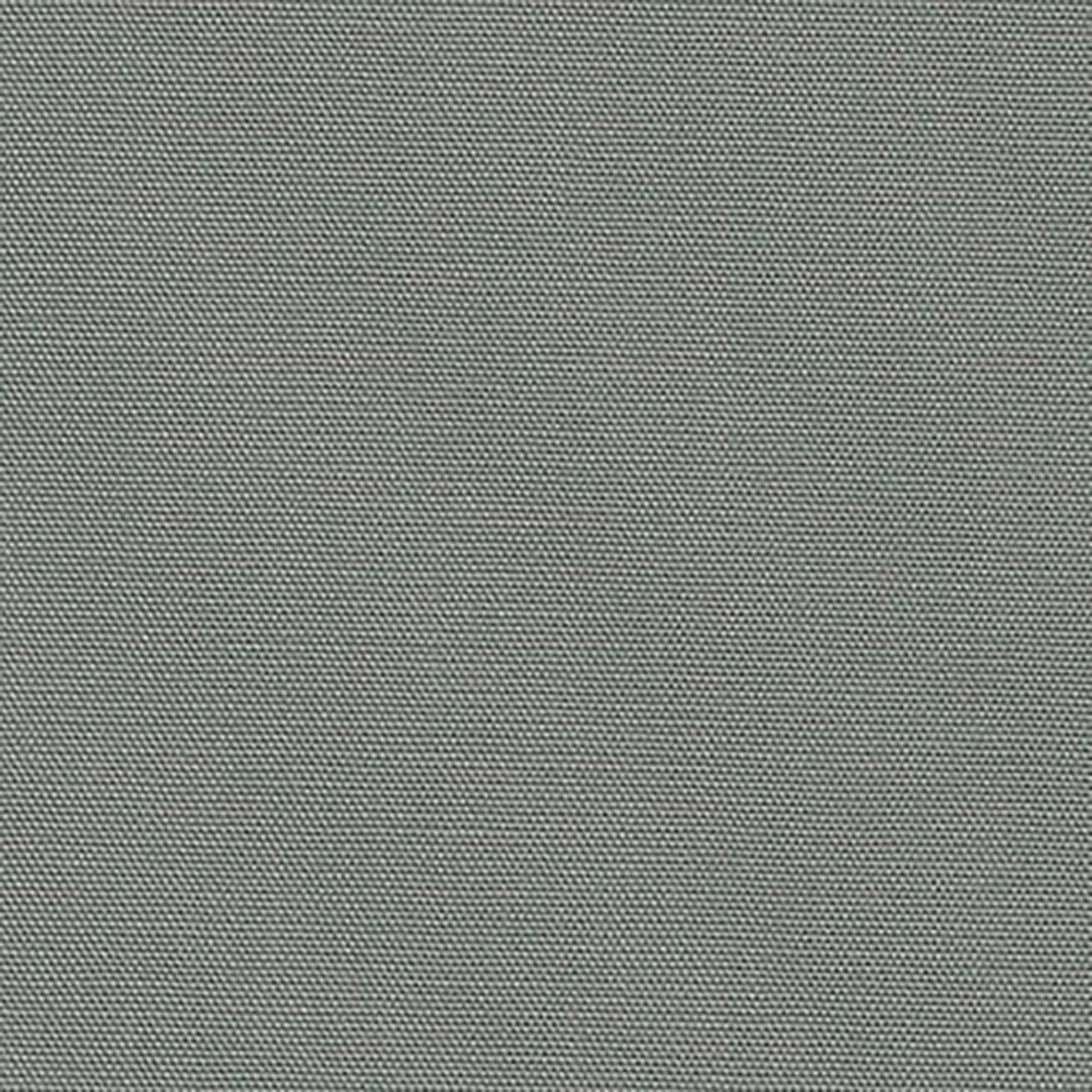
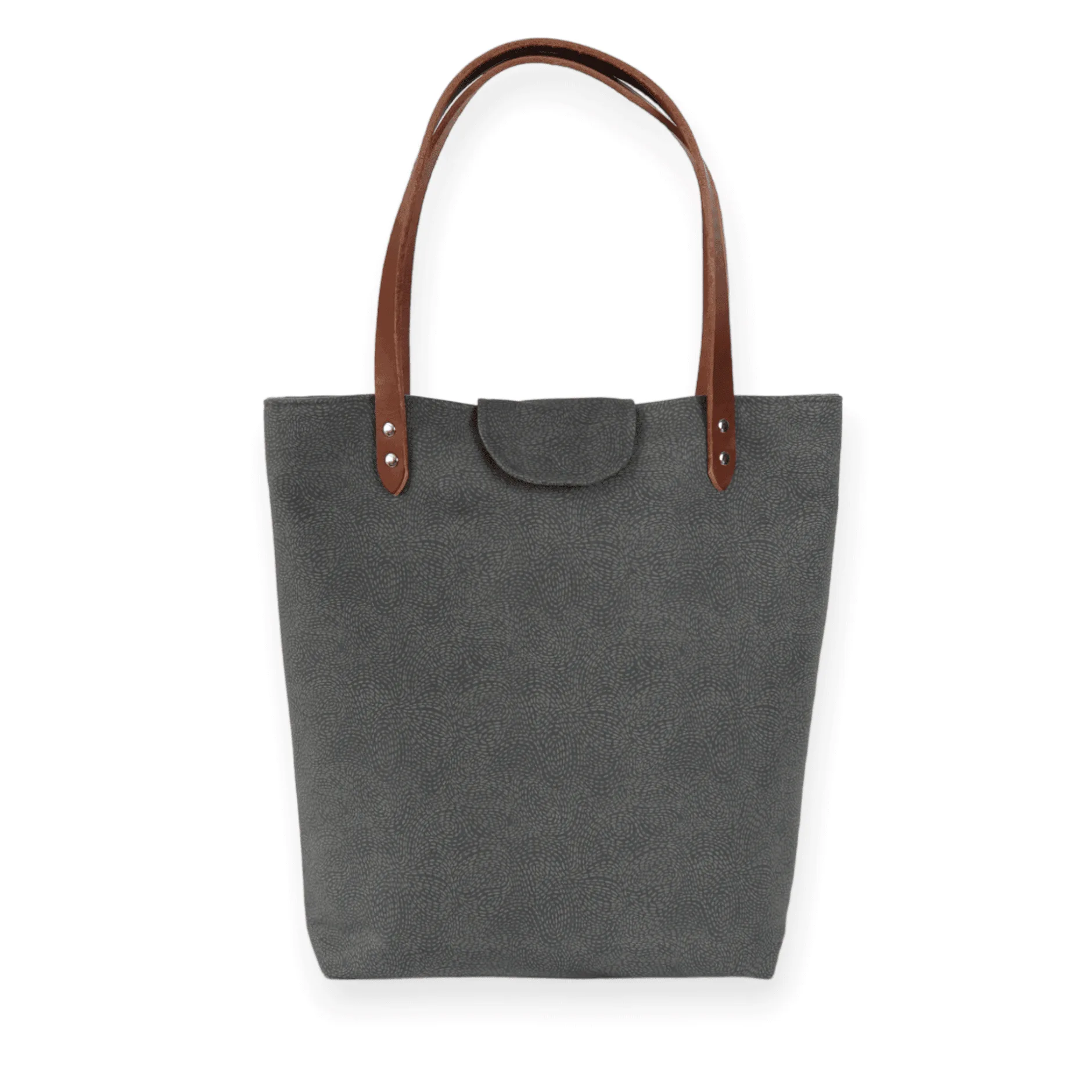
Big Sur Canvas in Grayish from Robert Kaufman
- Lighter fabrics drape and press crisply; heavier canvas holds structure and shape.
- When a kit offers colors, order one at a time until you know how the fabric behaves.
Are Crosscut kits good for beginners?
Yes, and that is largely the point. A beginner-friendly kit removes the two things that sink first projects: choosing materials without experience and discovering halfway through that a component does not fit. The Bookmark Sewing Kit is built around exactly this idea, described as a confidence-building project that practices corners and essential skills for kids, new sewists, and classrooms.
The Lincoln Tote Bag Sewing Project Kit is also described as beginner-friendly, with leather handles and a shape designed to sit comfortably under the arm or on the shoulder. Both are guided projects rather than open-ended pattern purchases, which is the difference between learning a skill and researching one.
- Start with a small kit if you have never finished a sewn object before.
- Move to a bag or tote kit once corners and seam allowances feel routine.
What should I check before ordering a custom sewing kit?
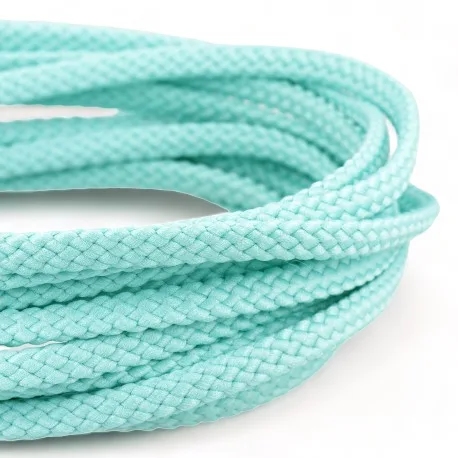
Check three things: the skill level stated on the page, the color options available, and whether the listing names the specific components. A kit that tells you the cording is 6 mm polyester and sold in 3.5-yard pieces, like the Polyester Drawstring Cording for the Crosscut Sewing Drawstring Backpack, is easier to plan around than one that says only that trim is included.
Also check whether the kit is a complete project or a supplement. Some listings are add-ons for a kit you already own, and ordering one expecting a full project leads to a frustrating unpacking. The product page wording is your best signal here.
- Confirm the kit is complete, not an accessory for another kit.
- Note the fabric width and fiber content if you plan to substitute or add your own fabric.
Crosscut kit FAQ at a glance
What comes in a kit?
Pattern, fabric, and the notions the project requires, pre-matched so you are not sourcing trim separately. Check the listing wording to confirm it is a complete kit, not an add-on.
Can I choose my own fabric?
Kits list available option types, usually color. The project is fixed; the colorway is yours to pick. Pick based on where the finished item will live, not just the screen preview.
Is a kit cheaper than buying separately?
Kits bundle matched materials in one purchase, which removes the cost of wrong guesses and leftover yardage you will not use. Compare against your stash first; if you already own suitable fabric, buy the pattern alone.
How long does a kit take?
Small projects like the Bookmark Sewing Kit are single-session makes. A tote or backpack kit takes longer because of handles, casings, and topstitching. Match the kit to the time you actually have this week, not the time you wish you had.
Kit details worth knowing
- Bookmark Sewing Kit: Described as a beginner-friendly sewing kit for kids, new sewists, and classrooms, with detailed instructions and access to a full video tutorial walking through every step. A guided first project with video support is the fastest way to build confidence in corners and basic construction.
- Lincoln Tote Bag Sewing Project Kit: A beginner-friendly kit for a leather-handle tote, with handles designed to sit on the shoulder or carry in hand without dragging. A structured bag teaches seam allowances and handle attachment while producing something you will actually use daily.
- Polyester Drawstring Cording - For the Crosscut Sewing Drawstring Backpack: 6 mm (1/4 inch) polyester cording, sold in 3.5-yard pieces for the Crosscut Sewing Co. Drawstring Backpack Kit. Exact width and yardage mean you can plan the casing and drawstring channel before you cut, and reorder the same trim if you make a second bag.
- Big Sur Canvas in Grayish from Robert Kaufman: 100% cotton, 9.6 oz per square yard, 44 inches wide, described as medium to heavy weight and suitable for totes, aprons, and home decor accents. If you want a tote that stands up on its own, this is the weight class to look for in a kit or as a substitute fabric.
Custom Crosscut kits work best when you want a finished object more than a sourcing project. Pick a kit that matches your current skill level, confirm the color and components on the listing, and you will spend your time at the machine instead of at a shopping cart.