Quick answer
For most small-batch custom game merch with detailed, full-color art, sublimation is the more practical choice because it prints edge-to-edge without extra cutting or sewing. Cut-and-sew apparel wins when you need structured garments, mixed fabrics, or a premium stitched feel that sublimation cannot replicate on cotton. Choose based on your artwork, fabric, and run size rather than on which method sounds more professional.
How the two methods actually differ
Sublimation printing uses heat to turn solid dye into gas that bonds with polyester fibers. The design becomes part of the fabric rather than sitting on top of it. This allows all-over prints, gradients, and photographic detail without a separate cutting or sewing step for the graphic itself. The trade-off is that sublimation needs a high-polyester surface; on cotton, the ink does not bond well and the print looks faded or washed out.
Cut-and-sew starts with flat fabric, cuts pattern pieces, prints or applies the graphic, then sews the garment together. You can use cotton, fleece, or blends, and add stitched panels, zippers, or linings. The trade-off is cost and lead time: cutting and sewing adds labor, and small runs are less efficient because setup is repeated per size and style.
Where each method fits in a game merch line
Sublimation is strongest for all-over patterned apparel, gaming mats, and lightweight polyester items where the art is the main event. It handles complex, multi-color designs without per-color fees, so a detailed character illustration or a busy pattern costs the same to print as a simple logo. That makes it a good match for merch tied to visually rich games, like the ghost-cat chaos of BOOoop or the explosive tank battles of Boom Patrol.
Cut-and-sew is better for structured pieces: a fleece hoodie, a lined jacket, or a knit hat with a folded brim. These items need fabric that holds shape and stitching that survives daily wear. If your design relies on a small embroidered logo, a woven label, or a stitched patch, cut-and-sew gives you that construction. The trade-off is that full-color, edge-to-edge art is harder and more expensive to achieve.
Cost, run size, and durability trade-offs
Sublimation has low setup for digital designs and no cutting or sewing labor, so small runs are affordable. The print will not crack or peel because it is in the fiber, but it can fade with abrasive wear over years. Cut-and-sew has higher per-unit labor and usually higher minimums, but a well-sewn garment can be repaired and tends to hold structure longer.
For a first merch drop, sublimation lets you test multiple designs without committing to large inventory. For a premium flagship item, cut-and-sew signals quality through weight, stitching, and hardware. Neither is universally better; the right choice depends on whether your priority is art coverage, garment structure, or upfront cost.
Trade-offs at a glance
- Artwork complexity: Sublimation handles unlimited colors and photographic detail with no per-color cost. Cut-and-sew can print complex art too, but applying it to cut pieces adds handling and alignment steps. Choose sublimation for all-over, high-detail art.
- Fabric choice: Sublimation requires high-polyester fabric for the dye to bond. Cut-and-sew works with cotton, fleece, and blends, and can combine different fabrics in one garment. Choose cut-and-sew if cotton or mixed materials are non-negotiable.
- Run size and cost: Sublimation has low setup and no sewing labor, so small runs are economical. Cut-and-sew adds cutting and sewing time, which raises per-unit cost and usually requires larger minimums. Choose sublimation for a low-risk first drop; cut-and-sew for a premium, higher-volume item.
- Durability and feel: Sublimated prints are part of the fabric and resist cracking, but can fade with heavy abrasion. Cut-and-sew garments can be repaired and often feel more structured and substantial. Choose based on whether you want a print that never peels or a garment that holds its shape.
Game merch examples and what they show
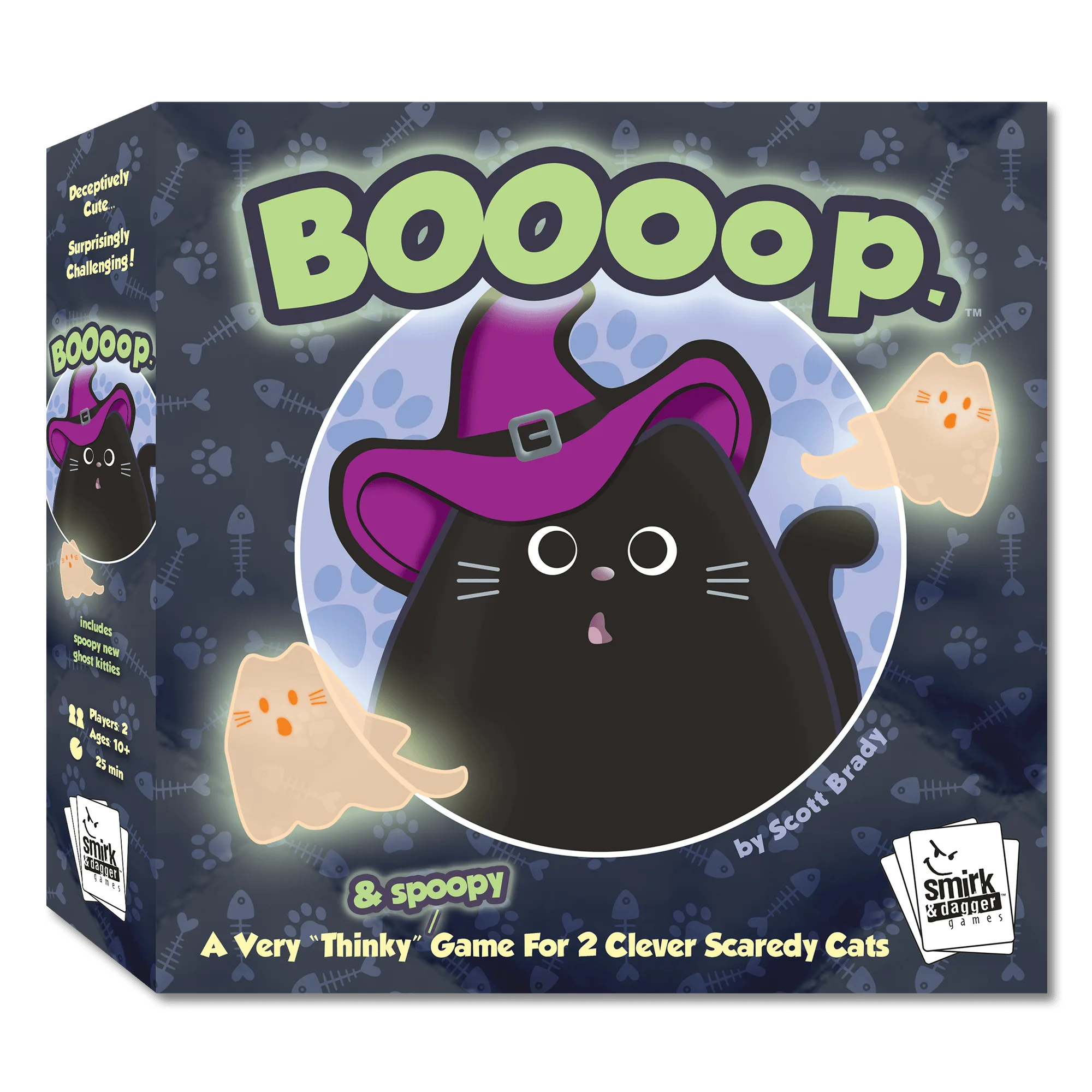
- BOOoop: a deceptively cute but thinky strategy game - now with Ghost Cats!: BOOoop is a Halloween edition of boop with Ghost Cats that float between spaces. Its playful ghost-cat art suits sublimation, which can reproduce detailed, multi-color illustrations across an all-over print without per-color fees.
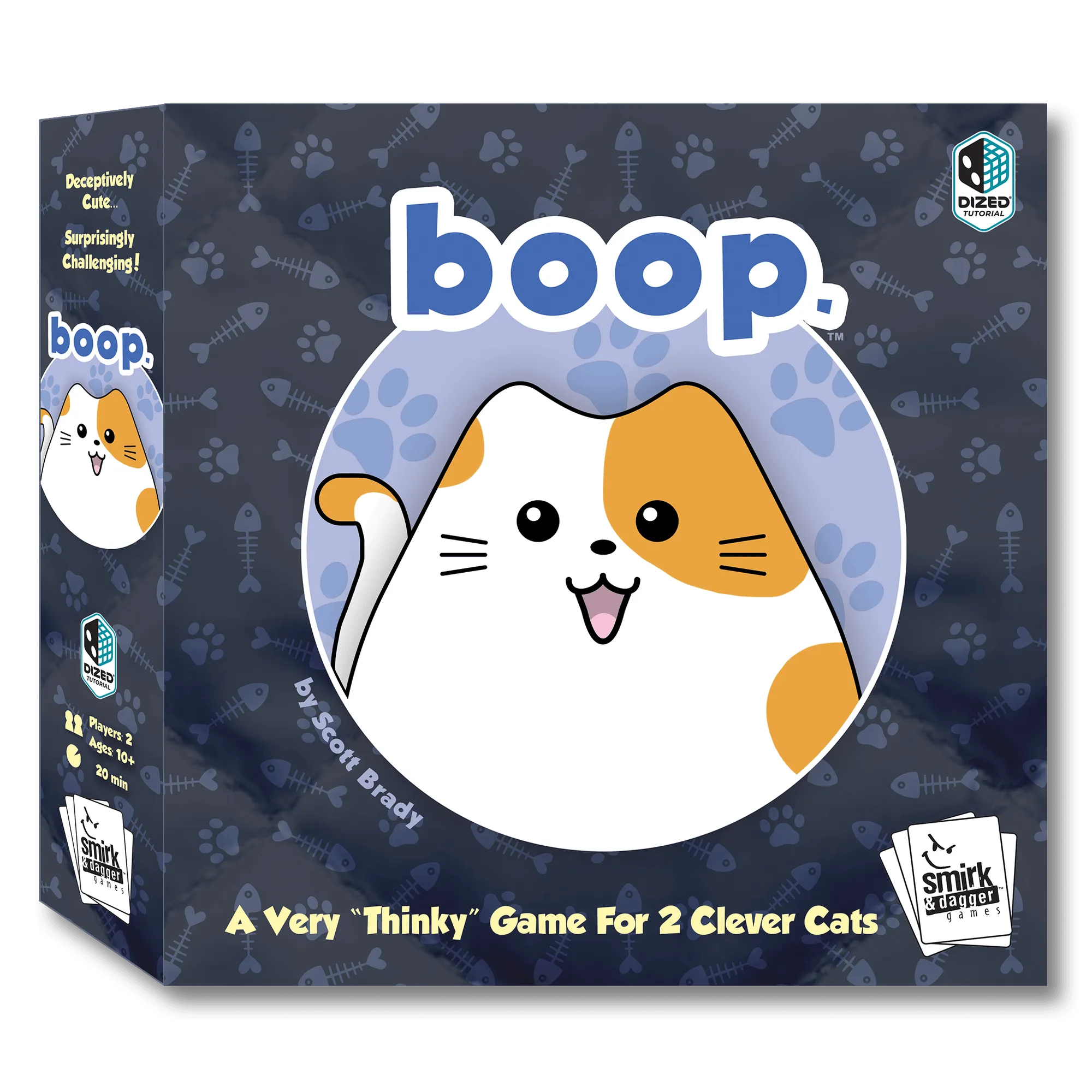
boop
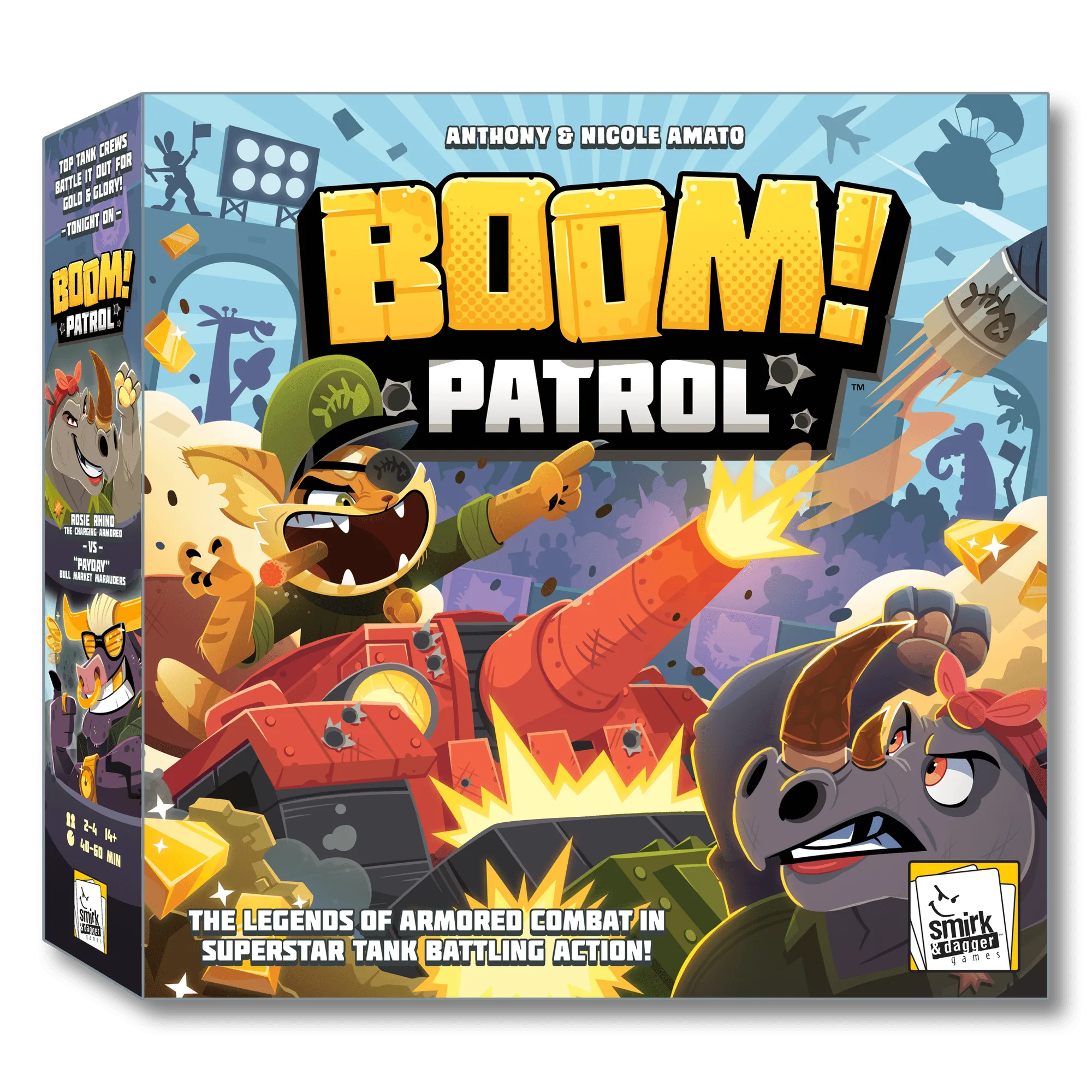
- Boom Patrol - Superstar Tank Battling Action!: Boom Patrol features animal tank commanders and a movement system with programmed command cards. The game's bold character art and action theme translate well to sublimated apparel or mats where the graphic covers the whole surface.
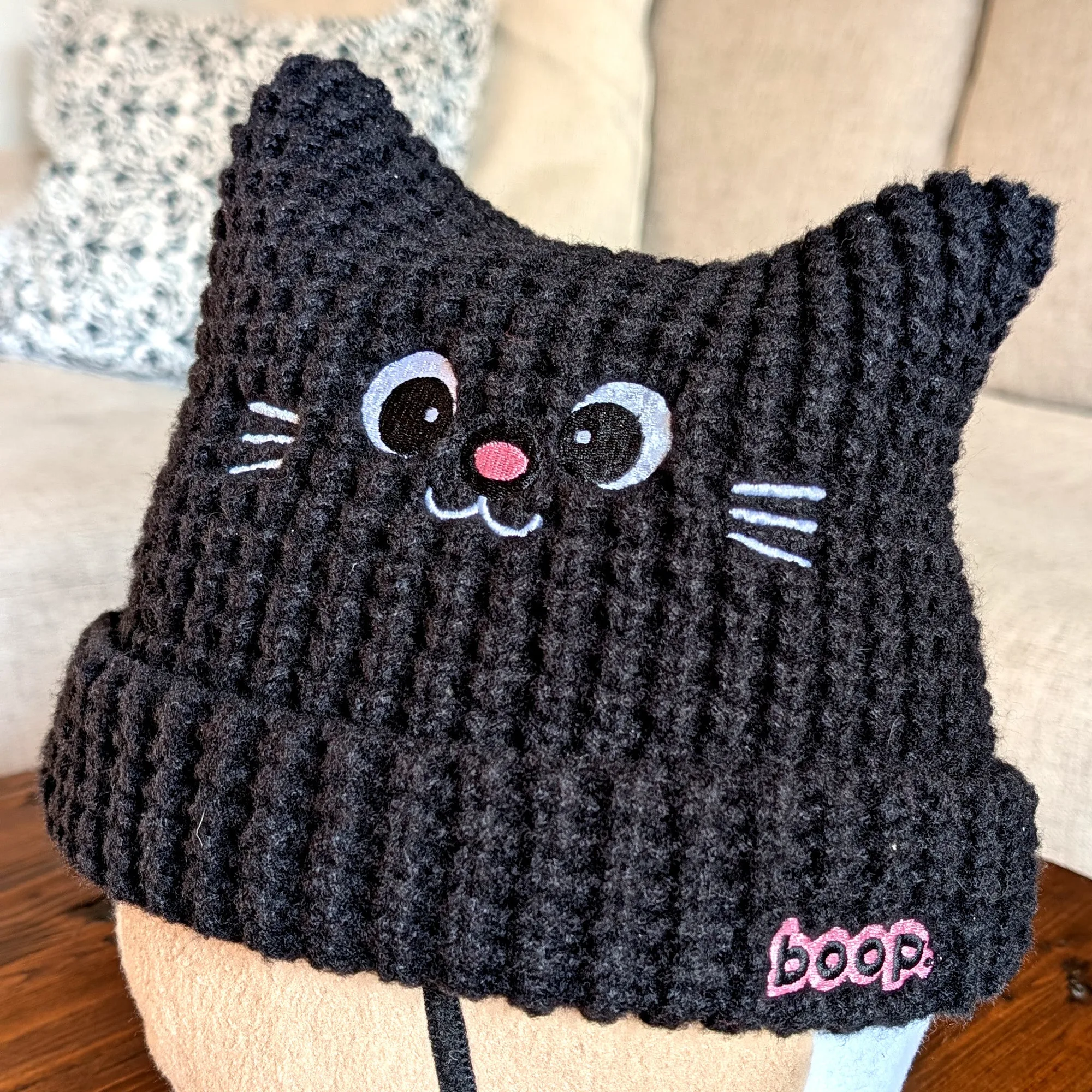
- Boop Black Knit Hat: The Boop Black Knit Hat is a stitched, woven accessory for cool-weather outfits. This is a cut-and-sew style item: its structure and warmth come from knitting and sewing, not from a printed surface, so sublimation is not the right method here.
Which method fits your project?
Best for
- Small-batch apparel with full-color, edge-to-edge art
- Polyester performance wear, gaming mats, and all-over patterns
- Testing multiple designs without large inventory commitments
Not for
- Cotton-heavy garments where the print must bond to natural fibers
- Structured items like fleece hoodies or knit hats that need cut-and-sew construction
- Buyers who need stitched panels, zippers, or mixed-fabric details