Quick answer
Cuticle oil benefits your nails in three ways: it restores moisture to the skin around the nail, keeps the nail plate flexible so it flexes instead of cracking, and slows the lifting and peeling that ruins a fresh set. Apply it once or twice daily for the first week after a manicure, then maintain with one application a day.
A manicure looks best in the first 48 hours and slowly loses that edge every day after. The usual culprit isn't the polish or the acrylic — it's dry skin at the cuticle line, which pulls, cracks, and eventually lifts the product off the nail plate.
Cuticle oil is the least expensive fix in your kit and the one most people skip. Below are the questions clients and DIY manicurists ask most, answered without the fluff.
What does cuticle oil actually do for nail health?
Cuticle oil benefits the nail in two places at once. The skin around the nail — the cuticle and the proximal fold — loses water faster than almost any other skin on your body, because it's thin and constantly exposed to water, soap, and acetone. Oil replaces some of that lost moisture and slows further water loss.
The nail plate itself also responds to oil. A flexible nail bends under pressure; a dry nail cracks. Regular oiling keeps the plate supple, which is why people who oil consistently see fewer splits and less peeling at the free edge.
- Oil sits on top of the skin and slows moisture loss — it doesn't add water, so apply it to slightly damp skin after washing for the best effect.
- The nail plate absorbs oil slowly, so consistency matters more than the amount you use.
How often should you apply cuticle oil?
For dry nails or a fresh set, apply twice a day — morning and before bed. The overnight application does most of the work, because nothing rubs it off while you sleep.
Once your cuticles look calm and the skin isn't flaking, one application a day is enough to maintain. If you work with your hands in water or sanitizer all day, add a third application mid-shift.
- One drop per nail is plenty; more just means greasy fingers.
- Massage it into the cuticle and the sidewalls, not just the top of the nail.
Cuticle oil vs cuticle cream: which should you use?
Cuticle oil is thin and absorbs quickly, which makes it the better choice for daily use and for nails that are already dry or peeling. It penetrates faster and won't leave a residue that interferes with polish adhesion if you apply it well before your next service.
Cuticle cream is thicker and often includes waxes or butters, so it stays on the surface longer. That makes it useful for very cracked skin or for overnight wear, but it's slower to absorb and can leave a film.
- Choose oil for maintenance and daily use; choose cream for damaged, cracked skin that needs a heavier barrier.
- You can use both — oil during the day, cream at night — but most people don't need to.
Does cuticle oil help acrylics and gel manicures last longer?
Yes, indirectly. The most common reason a set lifts is that the natural nail flexes while the enhancement stays rigid, and dry, brittle nails flex less predictably. Keeping the nail and surrounding skin conditioned reduces the stress at the cuticle line where lifting starts.
Oil won't rescue a set that was applied over wet or unclean nails, and it won't fix lifting that's already begun. What it does is slow the process so you get closer to your full wear time.
- Apply oil around the cuticle, not under a lifted edge — oil trapped underneath can worsen lifting.
- Skip oil for two hours before a fill or new set so the nail plate is clean and dry.
Can you use too much cuticle oil?
You can't really overdose on oil, but you can over-apply it. Using more than a drop per nail leaves a slick layer that collects lint and makes it hard to grip anything for the next ten minutes.
The bigger issue is timing. Oil applied right before a manicure or a gel application can contaminate the nail plate and cause premature lifting. If you oil daily, just plan your last application at least two hours before your appointment.
- If your hands feel greasy after five minutes, you used too much.
- Wipe excess from the fingertips before typing or handling paperwork.
What should you look for in a cuticle oil?
Look for a short ingredient list built around a carrier oil — jojoba, sweet almond, and grapeseed are common because they're light and absorb well. Jojoba is especially close to the skin's own sebum, which is why it shows up in so many formulas.
Fragrance and added vitamins are optional, not essential. If your skin is sensitive or you're prone to contact dermatitis, start with an unscented formula and patch-test on one finger.
- A dropper or brush applicator keeps the product clean and makes one-drop dosing easy.
- Store it away from direct sun; oils go rancid faster in heat and light.
Cuticle oil quick-reference
How often to apply cuticle oil
Twice daily for dry nails or a new set; once daily for maintenance. The bedtime application does the most work.
Cuticle oil vs cuticle cream
Oil absorbs fast and suits daily use; cream is heavier and better for cracked skin or overnight wear. Most people only need one, not both.
When to stop oiling before a manicure
At least two hours before a fill or new set so the nail plate stays clean and dry. Oil under a fresh enhancement causes lifting.
Signs you're using too much
Greasy fingertips five minutes after application, or lint sticking to the nail. One drop per nail is the target.
Products that support a cuticle oil routine
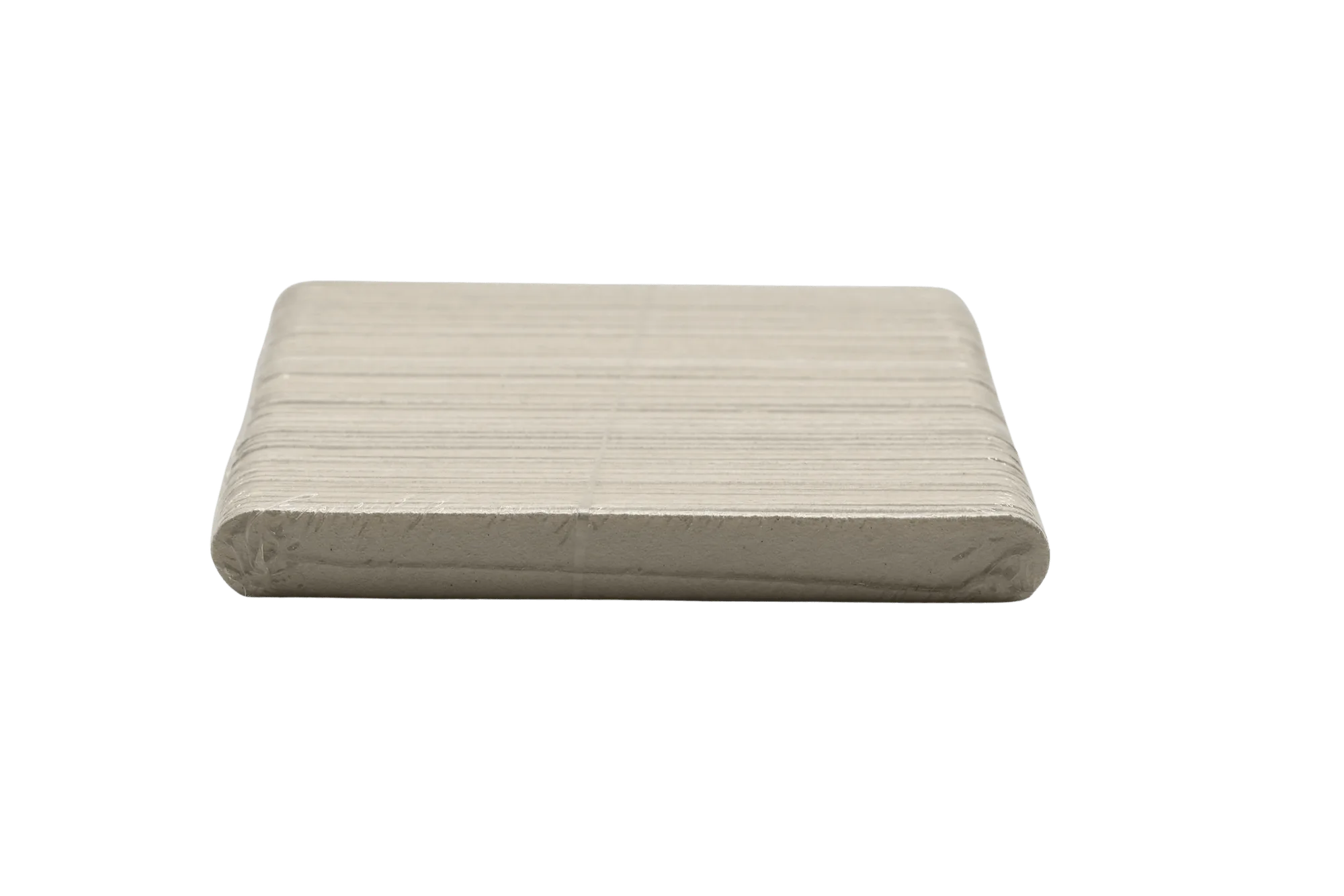
- Manicure/ Pedicure Nail Files 100/100 Grit (50pk): 100/100 grit, 5 inches long and 0.5 inches wide, sold in a 50-pack. A fine 100-grit file smooths rough edges and snags around the cuticle without removing too much nail, so oiling afterward actually helps instead of just coating a rough surface.
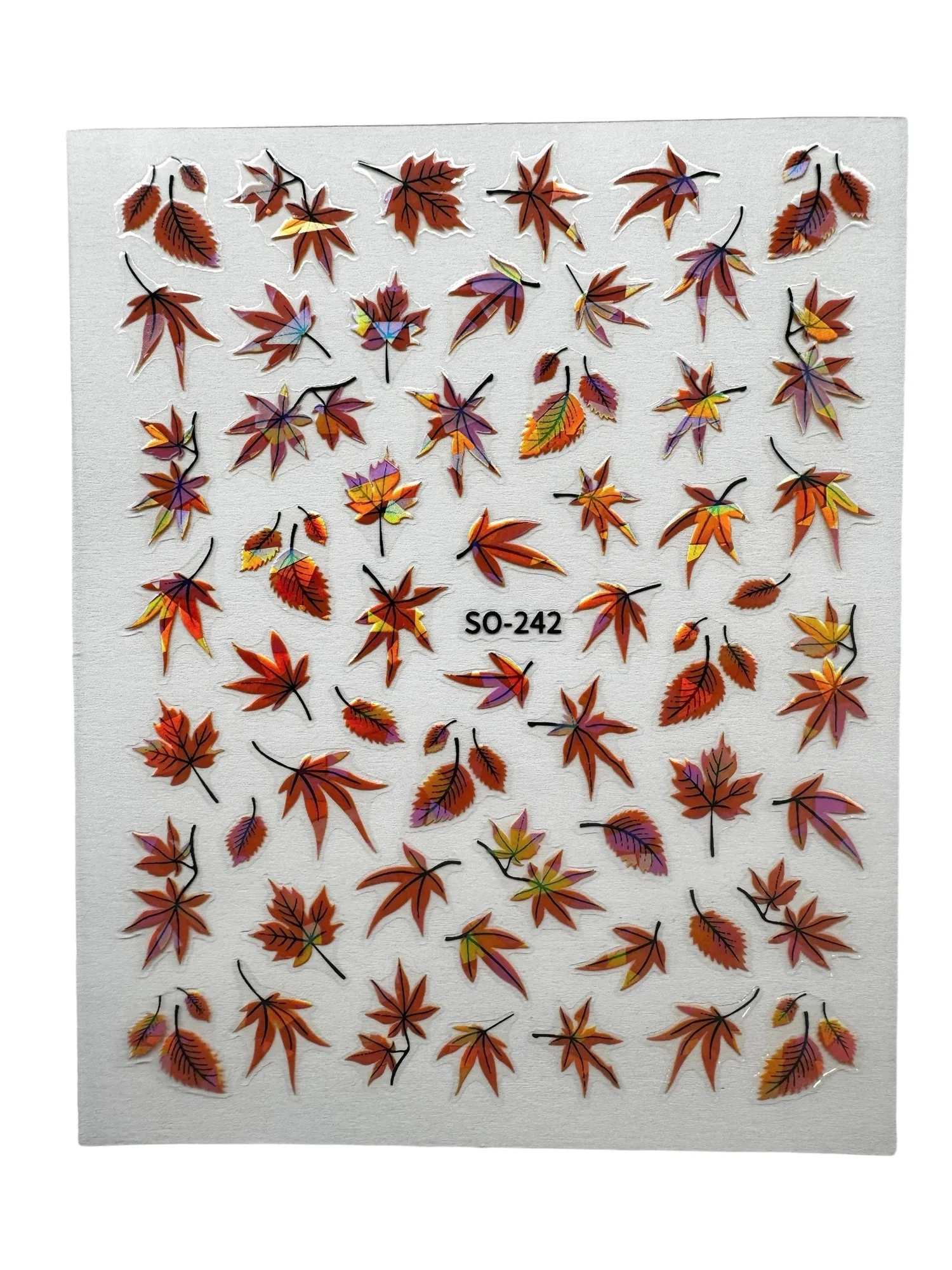
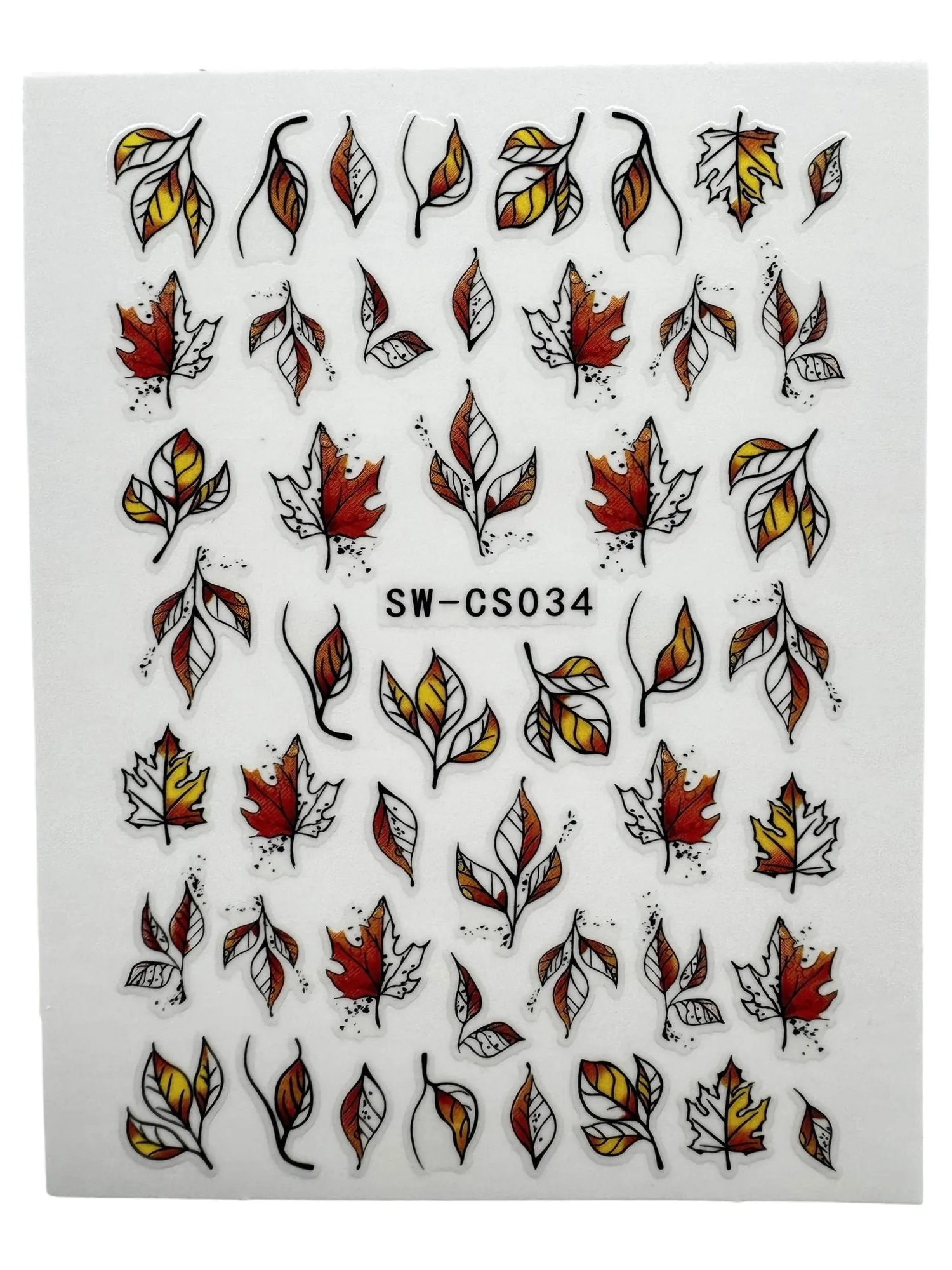
- Holographic Fall Leaf Nail Stickers: Peel-and-apply stickers finished with an ultra-shine gel topcoat. Stickers are a low-commitment way to test whether a daily oil routine fits your schedule before you invest in a full salon habit.
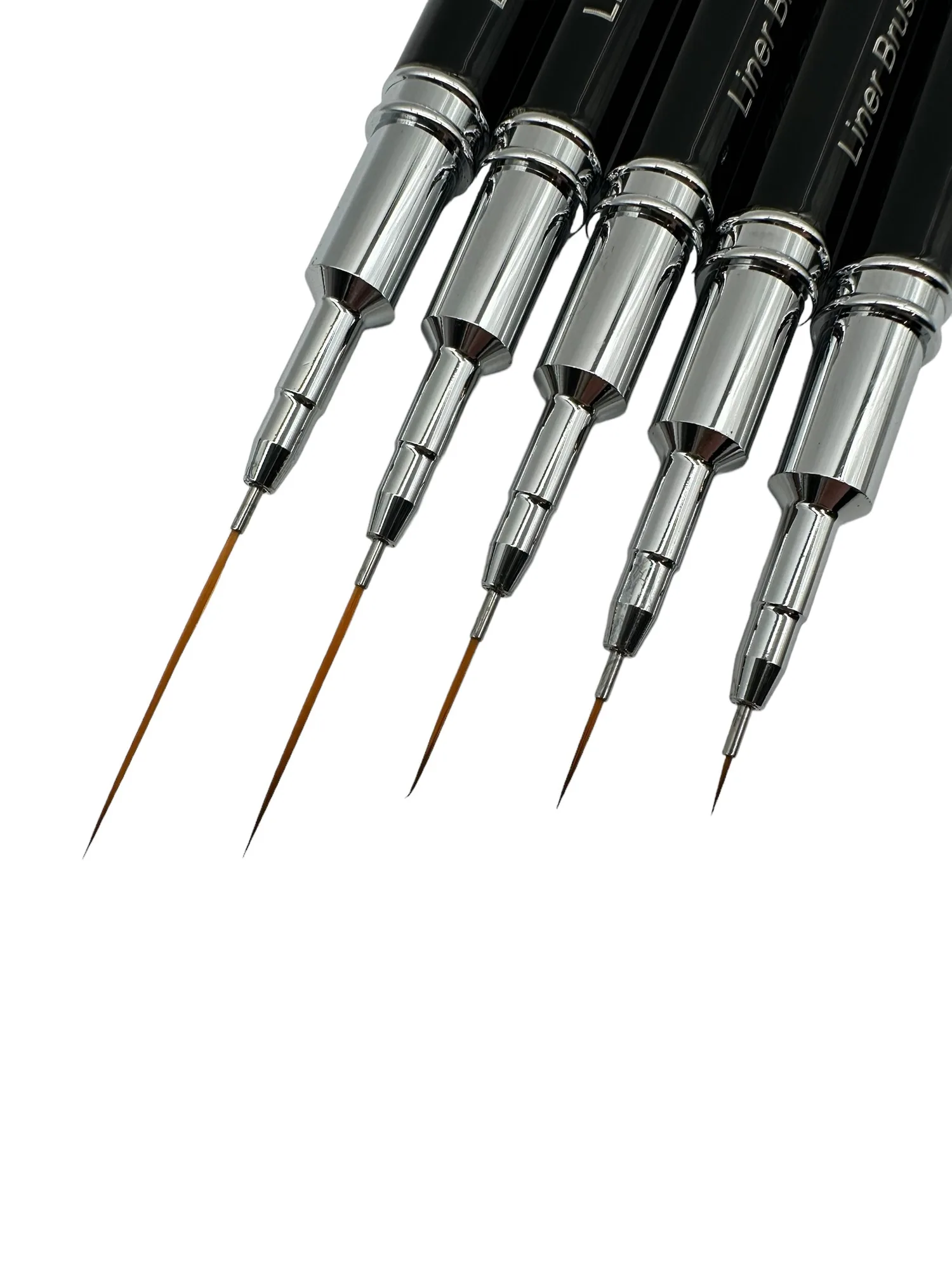
- Liner Brushes (5 piece set): Five brushes in 4mm, 8mm, 12mm, 20mm, and 25mm sizes with ultra-fine bristles. If you do your own nail art, precise line work depends on a steady hand and healthy cuticles — dry, cracked skin makes fine detail harder to control.
Cuticle oil isn't a luxury step — it's the maintenance that makes every other manicure last longer. Pick a light carrier-oil formula, apply one drop per nail twice a day for a week, and judge the difference for yourself.