Quick Answer
Most people need cuticle oil far more often than they need a cuticle nipper. Oil keeps the cuticle and surrounding skin flexible, which is your best defense against dryness, hangnails, and lifting acrylic. A nipper is a precision cleanup tool for the few bits of dead skin that oil cannot soften, not a daily step. If you are deciding between the two, buy the oil first and add a nipper only if you regularly deal with visible hangnails or ragged edges.
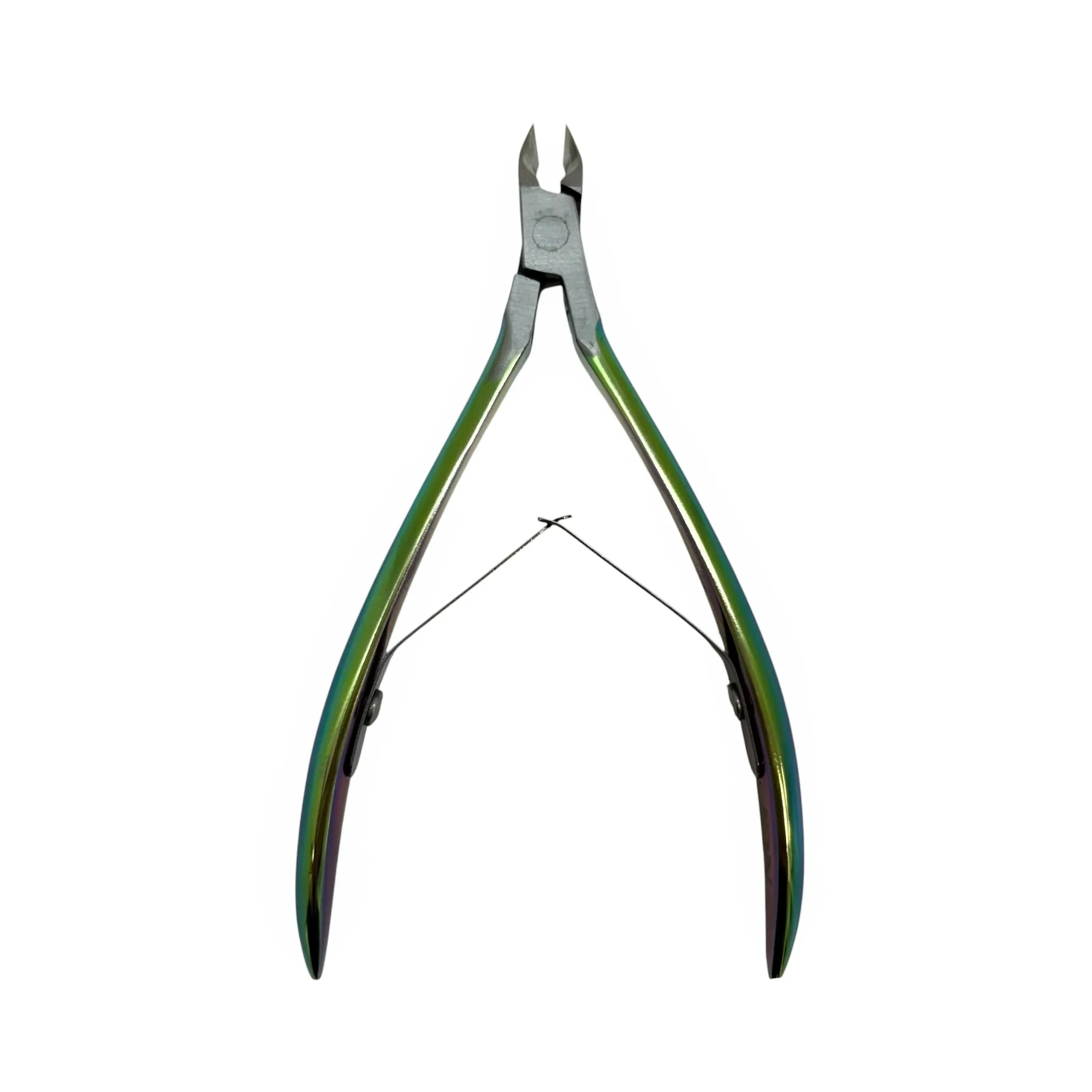
cuticle nipper
What Each Tool Actually Does
Cuticle oil is a leave-on product. You apply it to the nail fold and surrounding skin, and it works by improving flexibility and reducing moisture loss over the following hours. It does not remove anything, which is why it pairs well with every manicure system, including acrylic and gel.
A cuticle nipper is a cutting tool with two sharp jaws. Its only job is to remove a specific piece of dead skin or a hangnail in one clean cut. It cannot soften skin, prevent dryness, or improve adhesion, and using it on live skin is the fastest way to cause soreness and infection risk. Think of it as a spot treatment, not a routine.
Why Oil Belongs in Almost Every Routine
The cuticle area is skin, and skin that stays flexible is less likely to crack, split, or lift at the edge of an enhancement. A consistent oil habit supports that flexibility between appointments. It also gives you a reason to look at your nails daily, so you notice a small snag before it becomes a torn nail bed.
Timing matters more than quantity. Apply oil after washing hands and before bed, when it has hours to absorb without being wiped away. If you wear acrylic, focus on the nail fold and sidewalls rather than the top surface, and pair it with a proper prep step so the oil does not interfere with adhesion.
When a Nipper Is the Right Call
Reach for a nipper only when you can see a distinct flap of dead skin or a hangnail that catches on fabric. Clean the tool, work on dry skin so the edge is visible, and cut only the dead portion, never down into the live nail fold. If the area is red, swollen, or painful, stop and let a professional or a doctor look at it.
A nipper is also useful for tidying a single ragged edge after a fill or repair. It is not the tool for pushing back or removing the entire cuticle, and it should never be used to dig under the nail fold. If you find yourself trimming the same spot every week, the real problem is dryness, and oil is the better answer.
How They Work Together in a Cuticle Care Routine
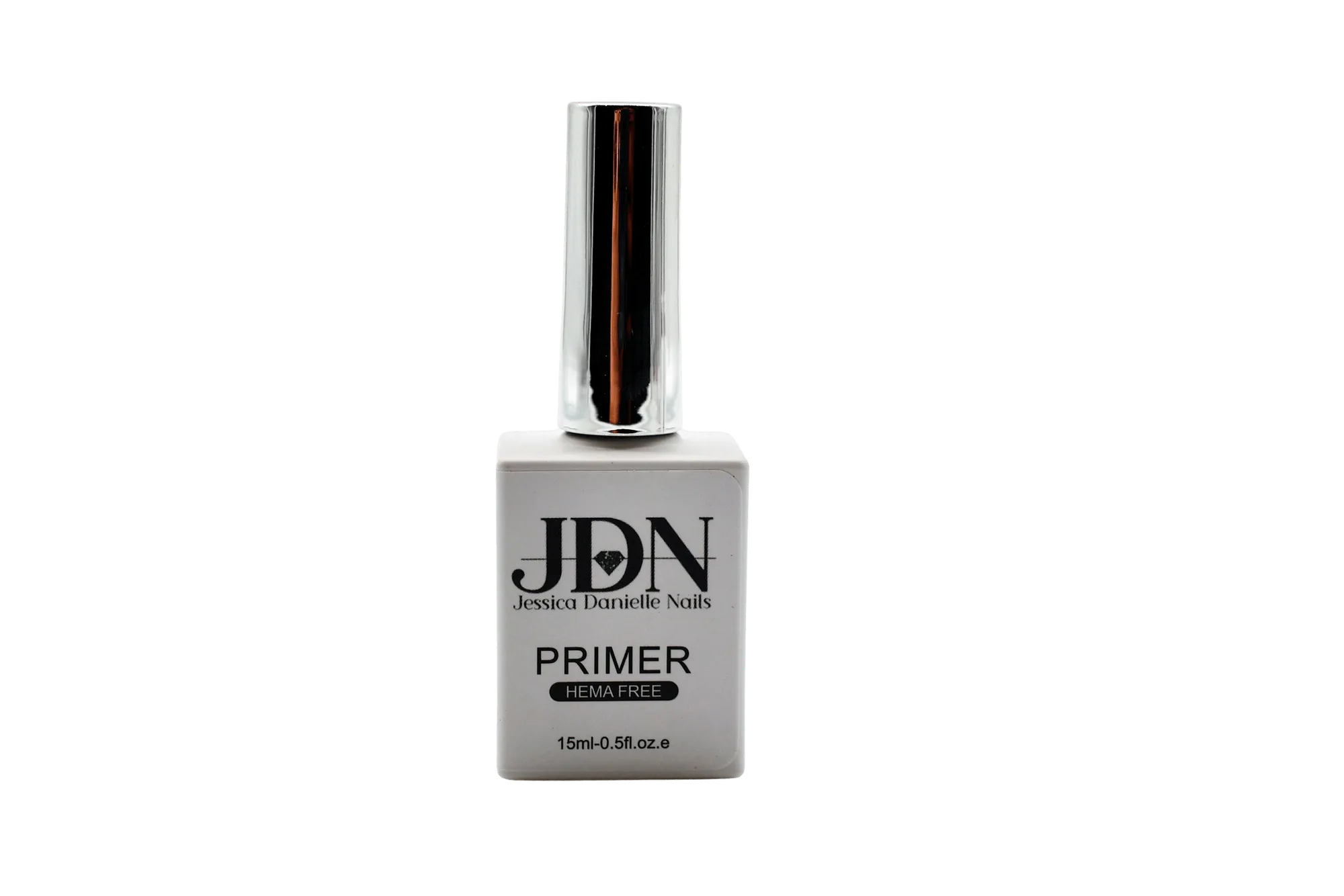
A practical sequence is prep, enhance, then maintain. During a manicure, use a low-odor primer on the prepared natural nail to improve adhesion for acrylic and gel systems, apply your enhancement, then finish with oil once the product has fully set. Between appointments, oil daily and keep the nipper in a drawer for occasional cleanup.
If you are building a full set, the products you choose affect how much cuticle maintenance you need. A powder with a butter-like consistency is easier to control around the cuticle line, which means less cleanup with a nipper later. That is a workflow decision as much as a color decision.
Common Mistakes That Make Either Tool Backfire
The most common oil mistake is applying it right before a fill or a new set. Oil left on the natural nail can reduce adhesion, so prep the nail and use primer as directed before applying acrylic or gel. The most common nipper mistake is over-cutting: removing live skin creates a wound, and the healed edge often looks rougher than what you started with.
Another mistake is treating oil as a fix for a structural problem. If your acrylic is lifting at the cuticle, the cause is usually prep, not dryness. Oil maintains skin; it does not replace proper nail preparation.
Trade-Offs at a Glance
- Cuticle oil: Prevents dryness and improves flexibility with daily use, but it does nothing for an existing hangnail and must be kept away from fresh prep areas. Buy this first if your cuticles feel tight, dry, or prone to splitting.
- Cuticle nipper: Removes a specific dead flap or hangnail in one clean cut, but it is easy to over-trim and it can cause soreness if used on live skin. Add this only if you get visible hangnails or ragged edges that oil cannot soften.
- Doing both: Oil handles daily maintenance while the nipper handles occasional cleanup, but the combination only works if you keep oil away from the nail during prep. Prep with primer, enhance, then oil once the product has set.
Products That Support This Routine
- Nail Primer: Low-odor primer formulated to improve adhesion for all acrylic and gel systems and help prevent lifting. Use it on the prepared natural nail before acrylic or gel, and keep oil for after the product has set so adhesion is not compromised.
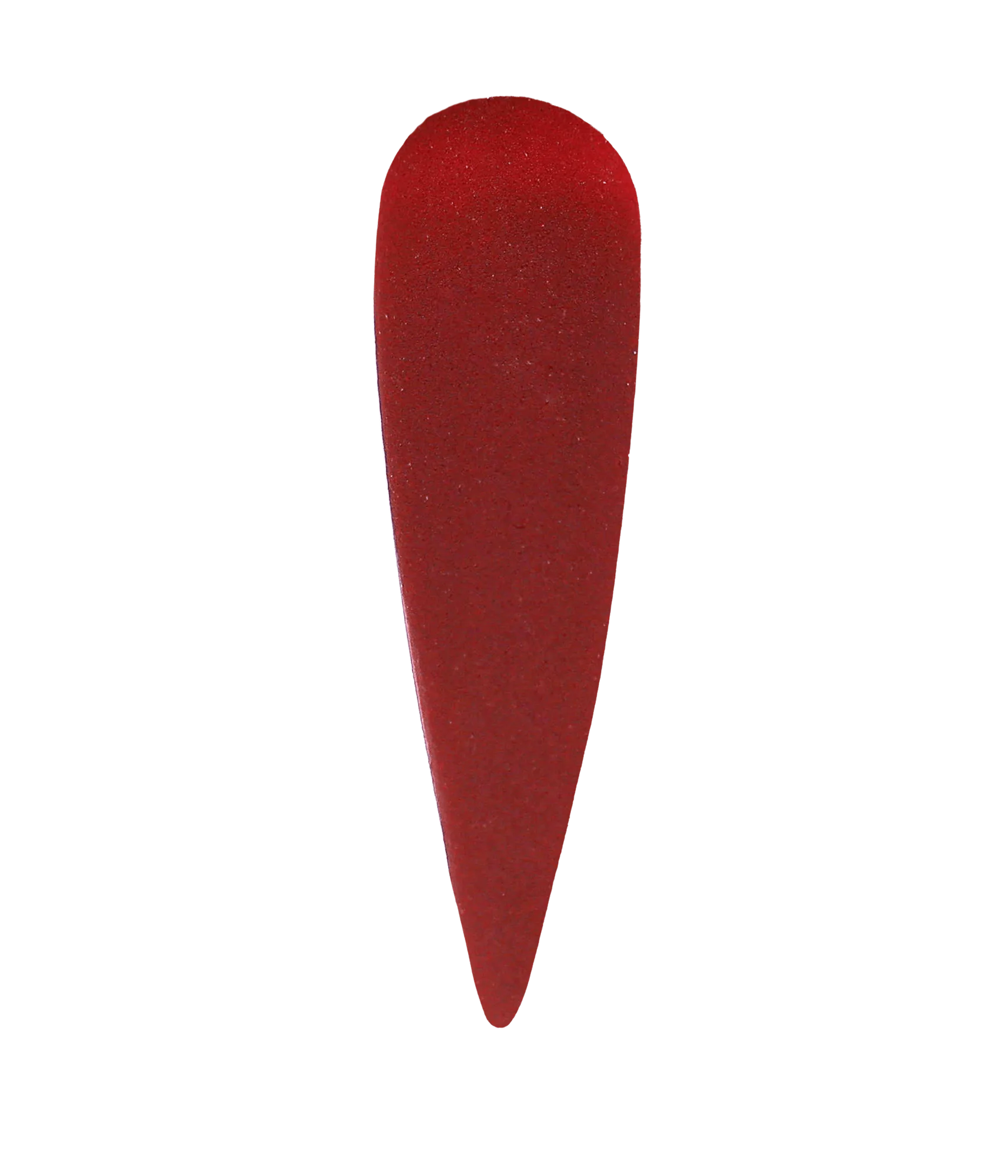
- #74 Burgundy Spritz Acrylic Nail Powder: Burgundy Spritz acrylic powder with a butter-like consistency designed for precision and ease, available in multiple sizes. A controllable powder makes it easier to work cleanly near the cuticle line, which means fewer ragged edges to trim later.
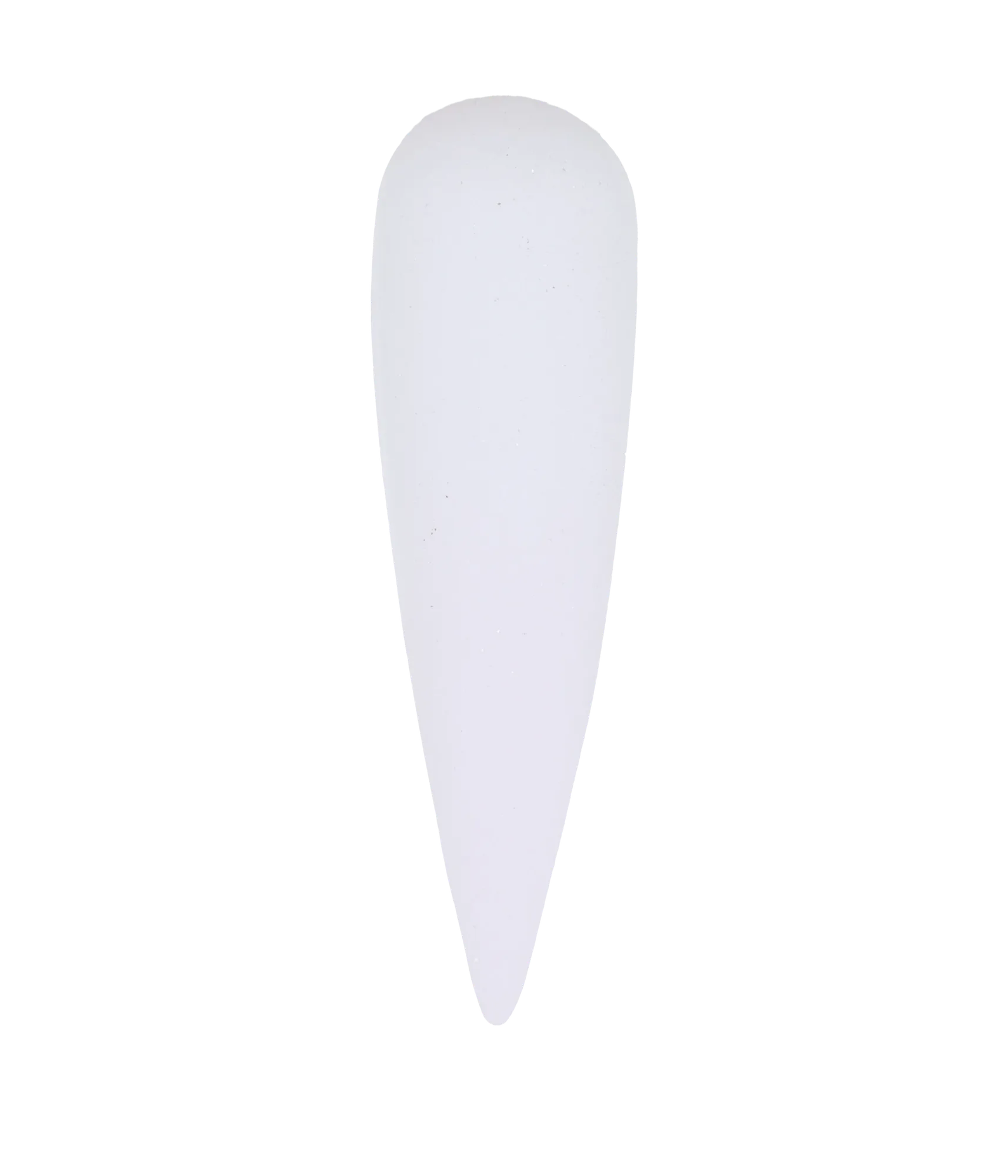
- Pina Colada #14 Acrylic Nail Powder: Pina Colada (Milky White) acrylic powder with the same butter-like consistency, available in multiple sizes. A sheer milky white is a practical choice when you want a clean cuticle line without heavy cleanup around the nail fold.
Which One Fits Your Nails?
Best for
- Anyone with dry, tight, or splitting cuticles who wants a daily maintenance habit
- Acrylic and gel wearers who want to reduce lifting and keep the nail fold flexible between appointments
- Beginners who want one low-risk product to start a healthy cuticle routine
Not for
- Someone dealing with a painful, red, or swollen cuticle area, which needs professional or medical attention rather than either tool
- Anyone looking for a quick fix for a single hangnail, since oil will not remove it
- People who trim the same spot weekly, because the underlying issue is usually dryness rather than excess skin