Quick answer
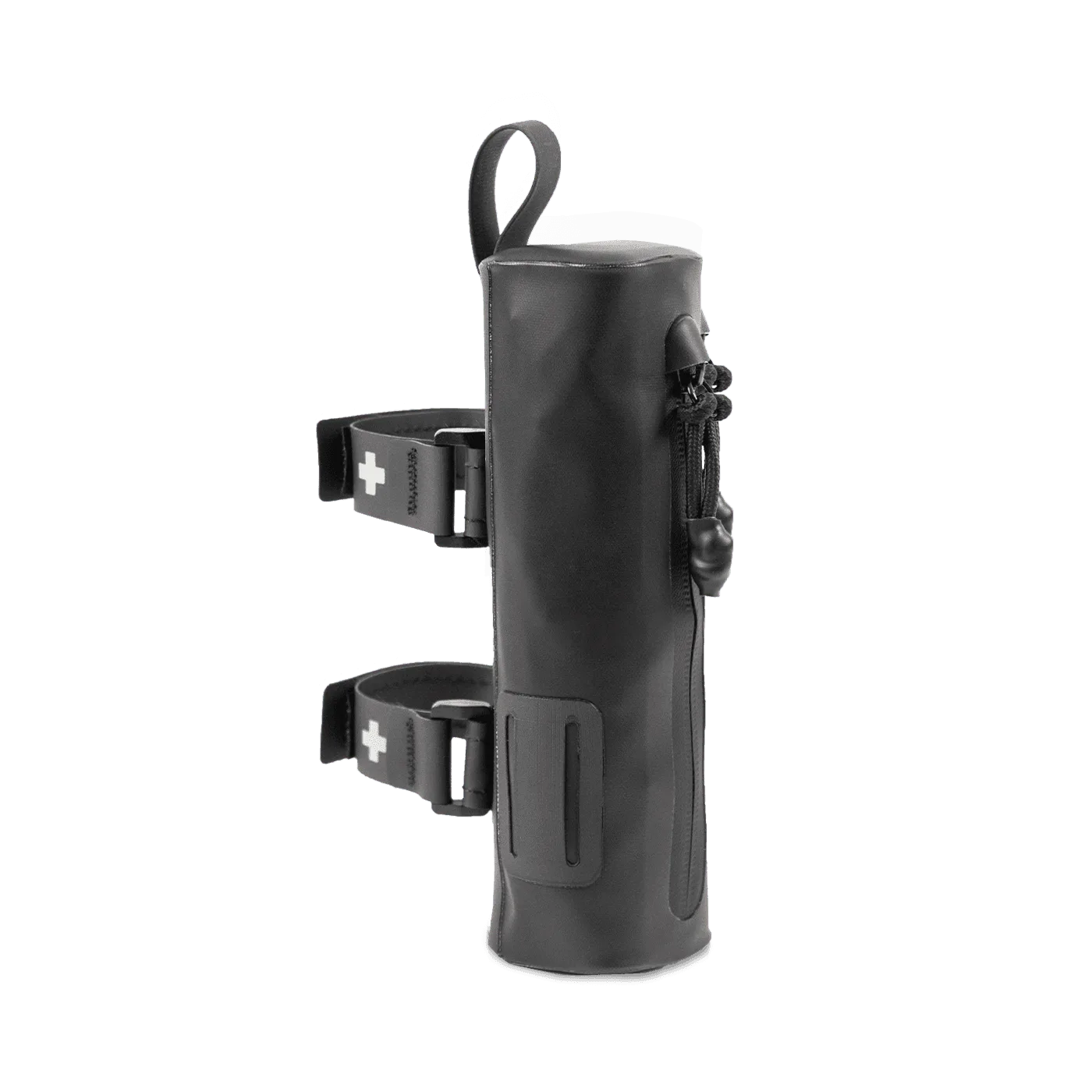
For most road, gravel, and commuter cyclists, the Cycle Medic is the right first kit because it is built by riders and attaches to most bikes, covering cuts, scrapes, blisters, and rashes. If you ride in areas with higher crash or traffic risk, or you already own a larger kit and want a grab-and-go pouch, the Sidekick IFAK adds severe-bleeding supplies and can work as a stand-alone or as an addition to a MyFAK. Match the kit to your terrain and to how far you ride from help.
Medic
Start with where and how you ride, not the kit label
The useful question is not "which kit is best" but "what can go wrong before I can get help." A short city commute has different needs than a 60-mile gravel ride. Cuts and scrapes from a low-speed fall, blisters from a new pair of shoes, and skin irritation from sweat and friction are the most common cycling problems. Those are exactly the injuries the Cycle Medic is designed around: cuts, scrapes, blisters, rashes, and everything in between, with supplies selected by riders and medical professionals. If your rides take you far from a pharmacy or a hospital, add a kit that also addresses severe bleeding rather than assuming a basic kit covers it.
What a bike-specific kit solves that a general kit does not
A general first aid kit is usually designed to sit in a car or a cabinet. A bike kit has to survive vibration, sweat, and weather, and it has to attach to a frame or bag so you actually carry it. The Cycle Medic is built for that job and attaches easily to most bikes. That attachment matters more than the number of items: a kit left at home treats nothing. When you compare kits, check how it mounts, whether the pouch stays closed on rough surfaces, and whether you can reach it without unpacking your whole saddlebag. If a kit cannot be mounted or stowed securely, it is the wrong kit no matter what is inside.
Decide by distance from help and by terrain
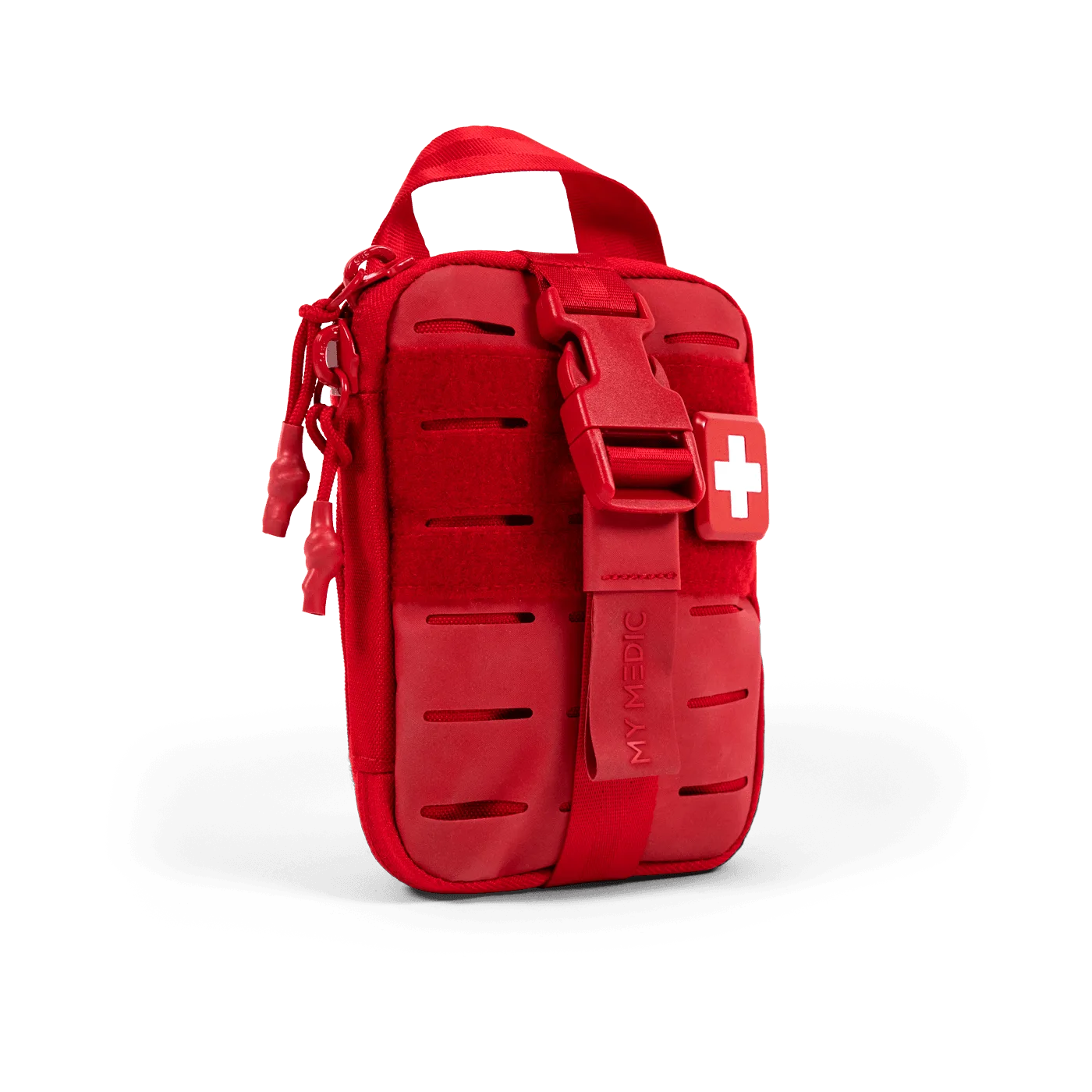
Use distance from help as your main filter. On a short urban commute, you are rarely more than a few minutes from a store or a clinic, so a compact kit focused on road rash, blisters, and minor cuts is enough. On long rural or gravel rides, the time to help stretches, and the consequences of bleeding or a burn change. That is when a kit with bleeding control supplies earns its space. The Sidekick is described as an IFAK pouch for everyday minor injuries and severe bleeding, with over 60 life-saving supplies in the Pro kit. It can be used stand-alone or added to a MyFAK, which makes it a reasonable upgrade path if you already own a base kit. Terrain matters too: gravel and mountain biking produce more abrasion and impact injuries than smooth pavement, so plan for more skin damage.
Refill and customize instead of replacing the whole kit
A first aid kit is consumable. You use gauze, ointment, and medication, and then the kit is incomplete until you restock. The MOD system is designed for that: the Medication MOD is an assortment of medication for common ailments, and the Burn MOD is an assortment of burn relief supplies for burn-related injuries. Both are meant to re-stock or upgrade a My Medic first aid kit. If you carry a kit on the bike, check it after every use and at the start of each season. Replace anything you opened, and add items specific to your rides, such as extra blister care for long days or additional gauze for gravel. Refilling a kit you already trust is usually cheaper and faster than buying a new one.
Fit and mounting guidance before you buy
Measure before you buy. Check the open space on your frame, the volume of your saddlebag or handlebar bag, and whether the kit will rub against your leg or a cable. The Cycle Medic is designed to attach to most bikes, but "most" is not "all," so confirm your mounting points. If you plan to carry the kit on your body, a pouch like the Sidekick is easier to move between a jersey pocket, a hip pack, or a larger bag. Also decide whether you want one kit that does everything or two kits with different jobs: a small one on the bike and a larger one in your vehicle or at home. Two focused kits often work better than one overloaded kit.
Decision rules for choosing your cycling kit
- If you ride short urban commutes: Prioritize a compact, mountable kit for road rash, blisters, and minor cuts. The Cycle Medic is built for this use and attaches to most bikes. Choose the Cycle Medic unless you have a specific reason to carry bleeding-control supplies.
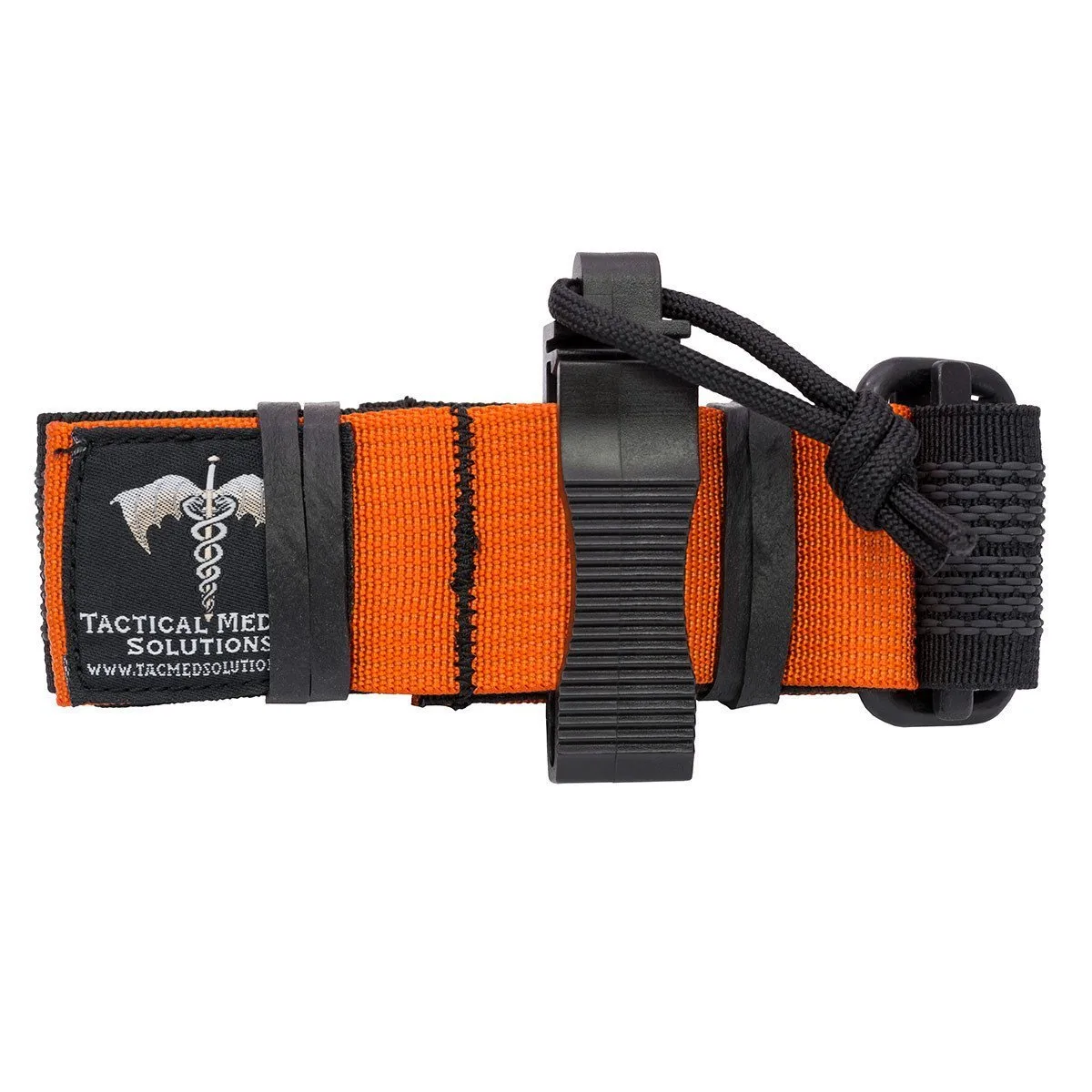
- If you ride long, rural, or gravel routes: Add a kit with severe-bleeding capability. The Sidekick is an IFAK pouch for minor injuries and severe bleeding, with over 60 supplies in the Pro kit, and can be used stand-alone or added to a MyFAK. Carry the Sidekick in addition to, or instead of, a basic kit when help is far away.
- If you already own a My Medic kit: Do not replace it. Use the MOD system: the Medication MOD restocks common-ailment medication, and the Burn MOD restocks burn relief supplies. Refill and customize before you buy a second full kit.
- If mounting space is tight: Measure your frame, saddlebag, or handlebar bag first. A kit that does not mount securely will be left behind. Fit and attachment are non-negotiable; confirm them before purchase.
Products that fit this decision
- Cycle Medic: Bicycle first aid kit with supplies selected by riders and medical professionals to treat cuts, scrapes, blisters, rashes, and everything in between; easily attaches to most bikes. This is the most direct match for cyclists who want a kit that mounts on the bike and covers the most common ride injuries without extra bulk.
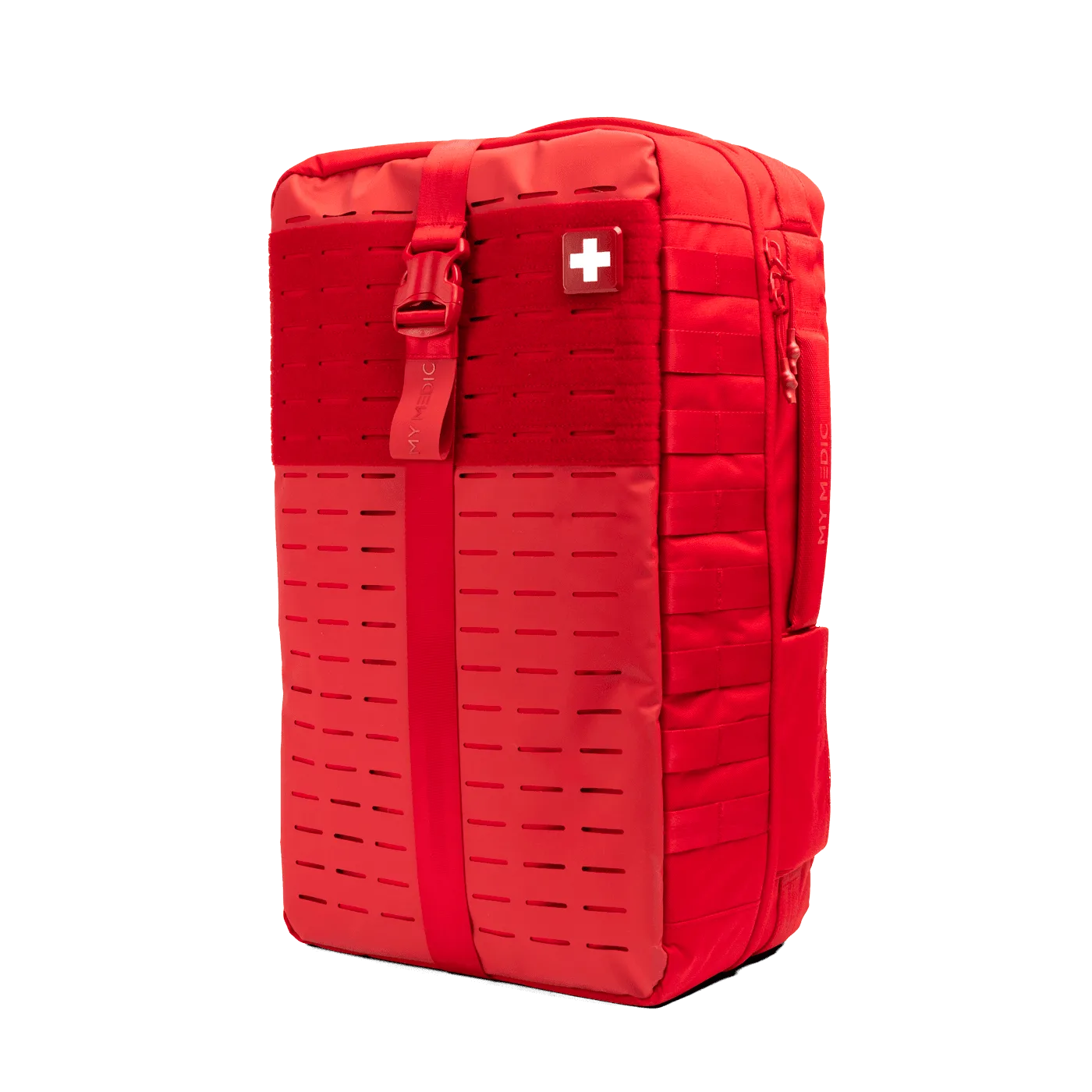
- Sidekick: IFAK pouch for everyday minor injuries and severe bleeding; over 60 life-saving supplies in the Pro kit; can be used stand-alone or as an on-the-go addition to a MyFAK; has extra space to organize and customize. Choose this if your rides take you far from help, if you want severe-bleeding capability, or if you already own a base kit and want a portable upgrade you can move between bags.
- Medication MOD: Assortment of medication for common ailments; part of the MOD system to re-stock or upgrade a My Medic first aid kit. Useful for keeping a bike kit current, especially for headaches, allergic reactions, or other common issues that can end a ride early.
- Burn MOD: Assortment of burn relief supplies to treat burn-related injuries; part of the MOD system to re-stock or upgrade a My Medic first aid kit. Worth adding if you ride in strong sun, cook at camp, or handle hot components, since burns are easy to overlook in a standard bike kit.
Who should choose which kit
Best for
- Road, gravel, and commuter cyclists who want a mountable kit for cuts, scrapes, blisters, and rashes
- Riders who want supplies selected by riders and medical professionals
- Cyclists who already own a My Medic kit and want to restock with the Medication MOD or Burn MOD
Not for
- Riders who need severe-bleeding control as a primary requirement; choose the Sidekick instead
- Cyclists who cannot mount a kit securely and need a pouch carried on the body
- Anyone looking for a general household first aid kit rather than a bike-specific kit