Quick answer
Most jersey zip problems come from fabric caught in the slider or a dry, dirty zip track. Stop pulling, back the slider off the snag, clear the teeth, then lubricate with a wax-based product. If the slider is cracked, the pull is missing, or teeth are bent, replace the zip or pull rather than forcing it.
Why a jersey zip snags in the first place
A jersey zip snags when soft fabric, usually a base layer or the jersey's own hem, gets pulled into the slider as it closes. That is more likely when the zip is under tension, when the slider is worn, or when the fabric is loose. A zip that jams mid-track usually has a dry or contaminated rail, or a tooth that has been bent by a previous forceful pull. Once you know which of these you are dealing with, the fix is quick and you avoid making it worse.
Freeing a snag without wrecking the teeth
Do not yank the slider. Pull it back a few millimetres to release tension, then use your fingers or a blunt plastic tool to ease the trapped fabric out sideways. If the fabric is caught in the teeth rather than the slider, walk the slider back past the snag before trying to close it again. Work slowly: the goal is to separate fabric from metal, not to force the zip through. Once free, inspect the teeth for bends or burrs before you zip it again.
Cleaning and lubricating the zip track
Grit and dried sports drink are common causes of a rough-running zip. Wipe the teeth with a damp cloth, let them dry, then apply a wax-based lubricant or a dedicated zip wax along the track. Run the slider up and down a few times to spread it, then wipe off any excess so it does not stain the jersey. Avoid oil-based products, which attract dirt and can mark light-coloured fabrics. Reapply when the zip starts to feel draggy again, usually every few washes or after a wet, gritty ride.
Replacing a zip pull or slider
If the pull has snapped off but the slider body is intact, you can often fit a replacement pull that matches the slider type. If the slider itself is cracked, spreading, or no longer locking, the zip needs a new slider or a full replacement. This is a job for a tailor or a repair service if the jersey has a concealed zip or a bonded hem, because unpicking the seam can damage the fabric. On a simple exposed zip, a repair service can usually replace the slider without touching the jersey panels.
Zip symptom diagnosis
- Fabric caught in the slider: The zip stops partway and you can see base layer or jersey fabric pinched between the teeth. Back the slider off, ease the fabric out sideways with a blunt tool, then realign the zip before closing. If fabric keeps getting caught in the same spot, check that your base layer is sitting flat and not bunched at the collar.
- Dry or gritty zip track: The slider moves but feels rough or stiff along the whole length. Clean the teeth with a damp cloth, dry them, then apply a wax-based lubricant and run the slider up and down to distribute it. If the zip still drags after cleaning and waxing, the slider may be worn and need replacing.
- Bent or missing teeth: You can see a tooth out of line, or the zip splits open behind the slider. Do not force it closed. A bent tooth usually means the zip needs a new slider or full replacement by a repair service. Stop here and use a repair service rather than risk tearing the jersey fabric.
Kit that reduces zip stress
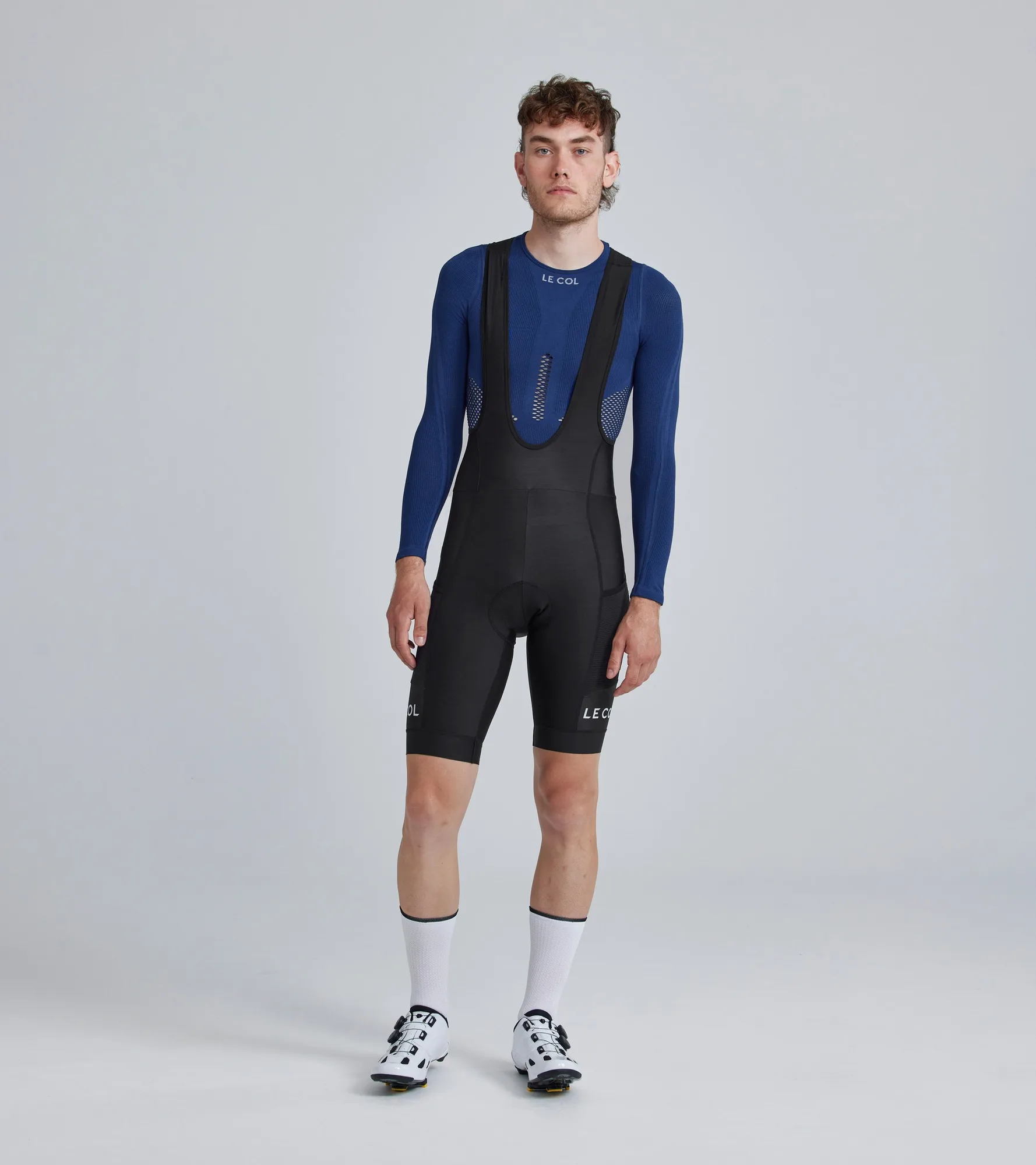
- Unisex Pro Mesh Long Sleeve Base Layer: The Unisex Pro Mesh Long Sleeve Base Layer is woven in one complete piece to avoid seaming, so it sits smoothly under jerseys and jackets without causing irritation. A seamed or bulky base layer is more likely to feed fabric into the slider; a smooth, low-profile layer reduces the chance of a snag.
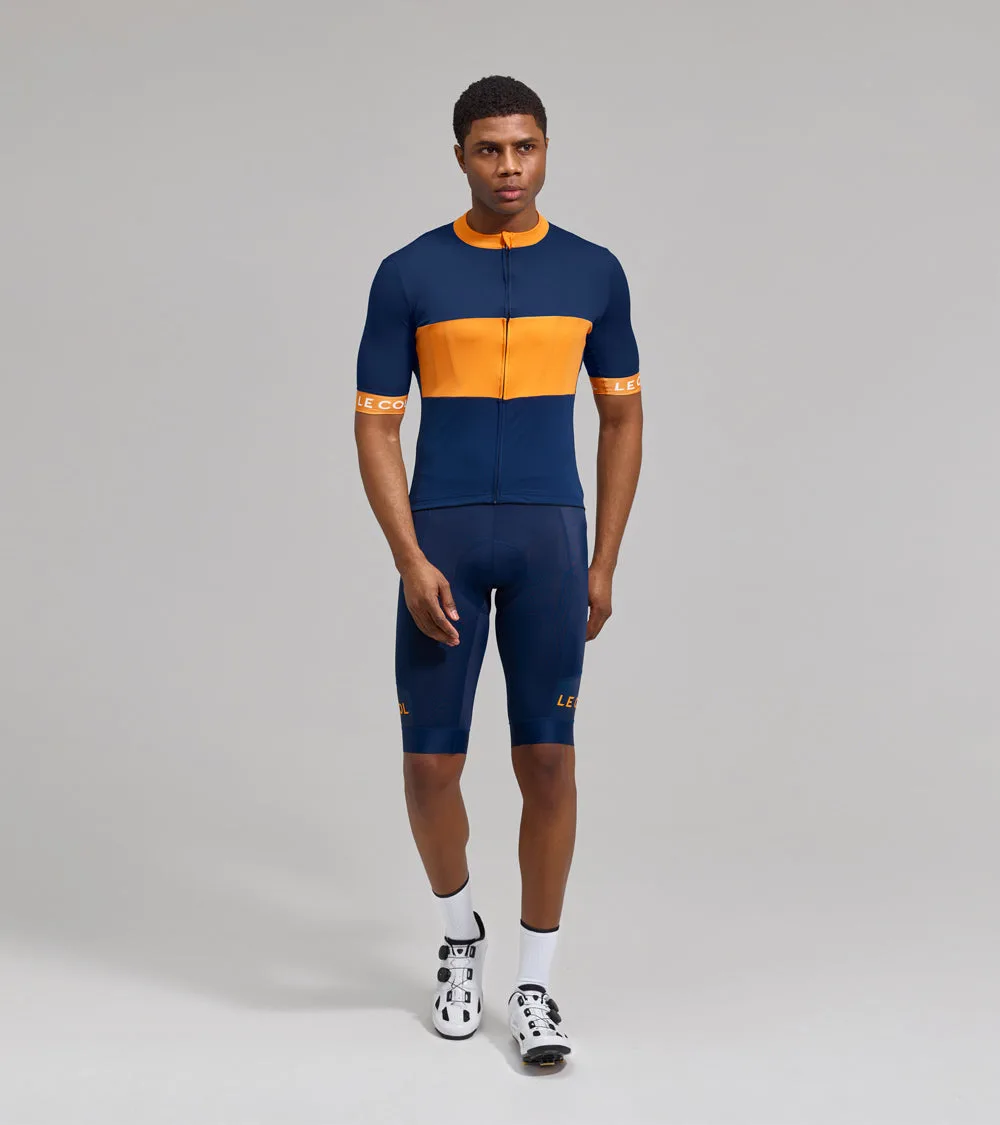
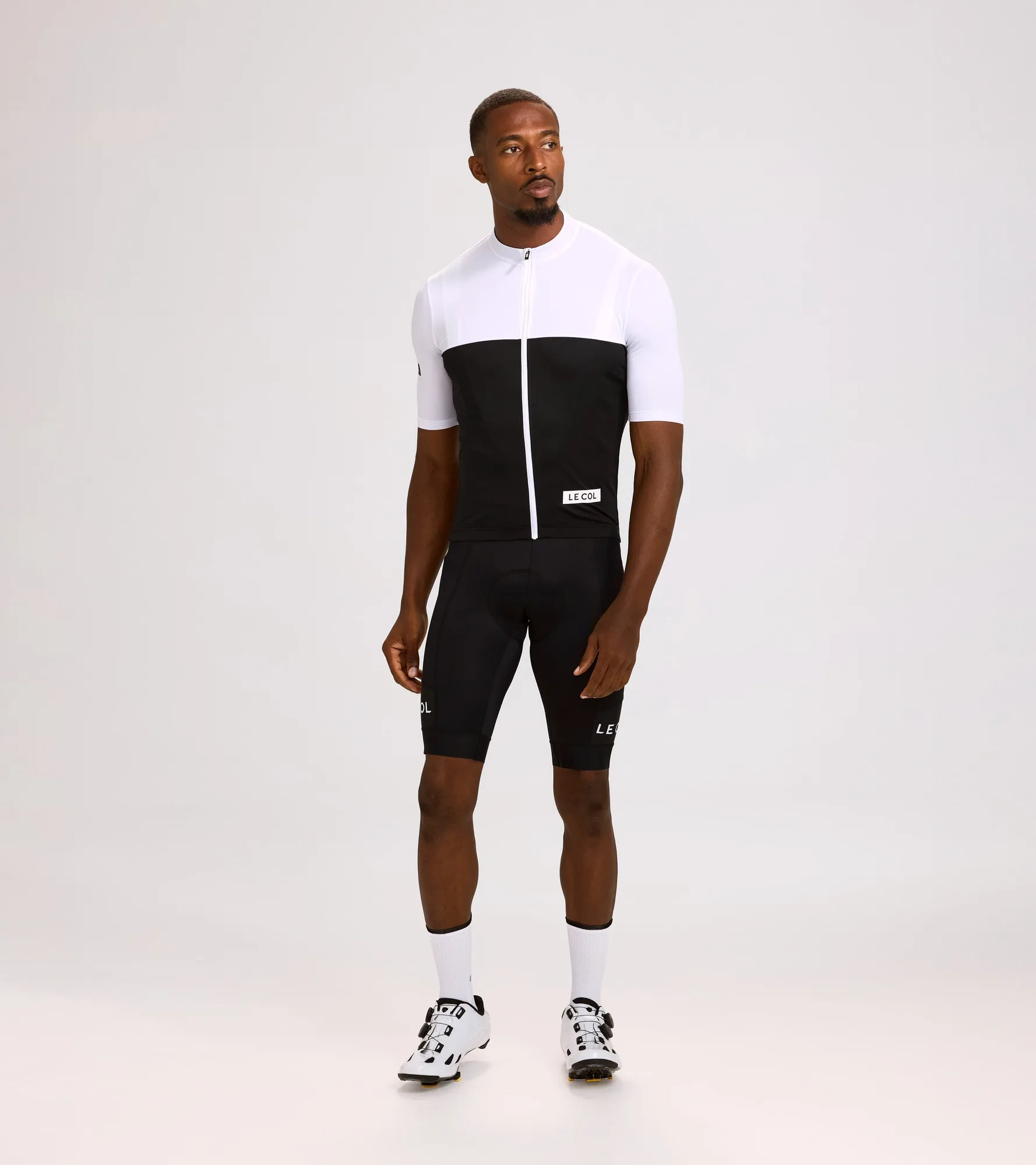
- Sport Jersey: The Sport Jersey uses a mechanical stretch knit polyester that is less compressive than a race jersey, suited to club rides and everyday training. A less compressive jersey moves more freely, so check that the zip is fully aligned before closing it rather than pulling the fabric tight against the teeth.