Quick answer
For road cycling, choose a rose or copper lens to enhance contrast against asphalt. For mountain biking, a photochromic or yellow lens boosts trail detail in shifting light. On overcast days, a clear or light-rose lens keeps vision sharp. Always prioritize 100% UV protection, and pick a frame that stays put when you sweat.
Road cycling: high contrast for pavement
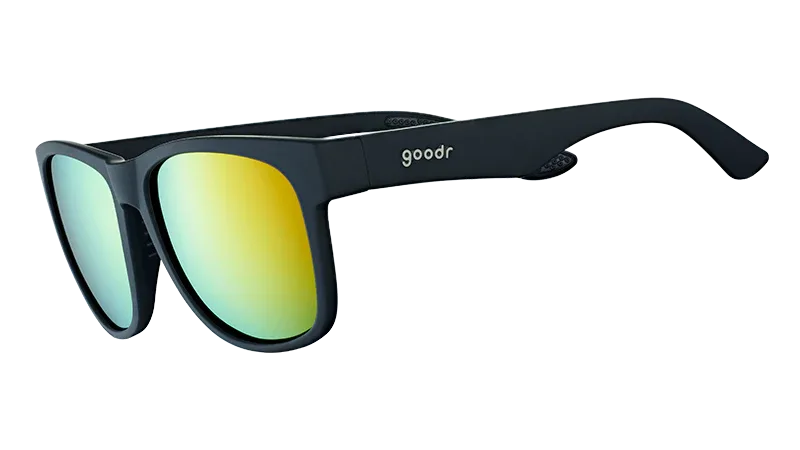
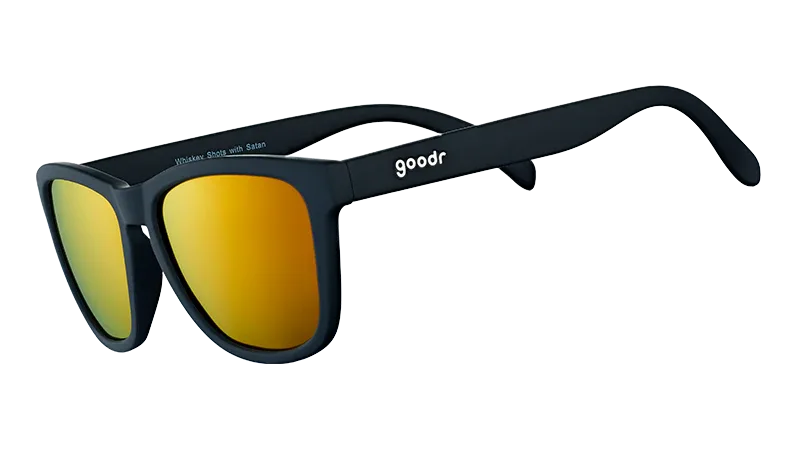
On paved roads, glare from asphalt and car windshields can tire your eyes fast. A rose, copper, or brown lens tint boosts contrast and helps you spot cracks, gravel, and painted lines earlier. These warm tones also reduce blue light, which cuts glare without darkening the whole scene. If you ride early or late, a photochromic lens that adjusts to changing light saves you from swapping glasses mid-ride.
Mountain biking: depth perception on the trail
Trails throw mixed light: open sections, deep shade, and sudden turns. A yellow or amber lens increases depth perception and highlights roots, rocks, and ruts. For variable conditions, consider a lens with a slight mirror coating to cut overhead glare while keeping the trail visible. Avoid dark grey lenses in the woods—they reduce overall brightness and can hide obstacles in shadows.
Overcast and low-light rides
When the sun hides behind clouds, your eyes still need protection from UV rays that pass through. A clear or light-rose lens maintains natural color and lets in maximum light, so you can read the road or trail without squinting. Yellow lenses also work well on gray days by boosting contrast. Skip dark tints in low light—they force your pupils to dilate, letting in more unfiltered UV.
How to choose your cycling lens tint
- Match tint to terrain: Rose/copper for road, yellow/amber for trail, clear/light-rose for overcast. One pair of sunglasses rarely does it all—consider two if you ride varied terrain.
- Prioritize 100% UV protection: Darker tints don't mean more protection. Check that the lens blocks 100% of UVA/UVB rays. Even cheap sunglasses can offer full UV protection—look for the label, not the price.
- Check frame fit and grip: Cycling involves sweat and movement. Look for rubberized nose pads and temple grips that prevent slipping. A loose frame defeats the purpose—test the fit before you commit.
Lens tint examples that work on the bike
- 90s Sedan Style Icon: These dark teal OGs featuring green gradient lenses will have you cruisin’ in style. Take these timeless sunnies for a spin & let your appeal go from basic to smooth, 90s-style! Green gradient lenses reduce overall brightness while maintaining color balance—good for sunny road rides where you want a classic look and reliable glare reduction.
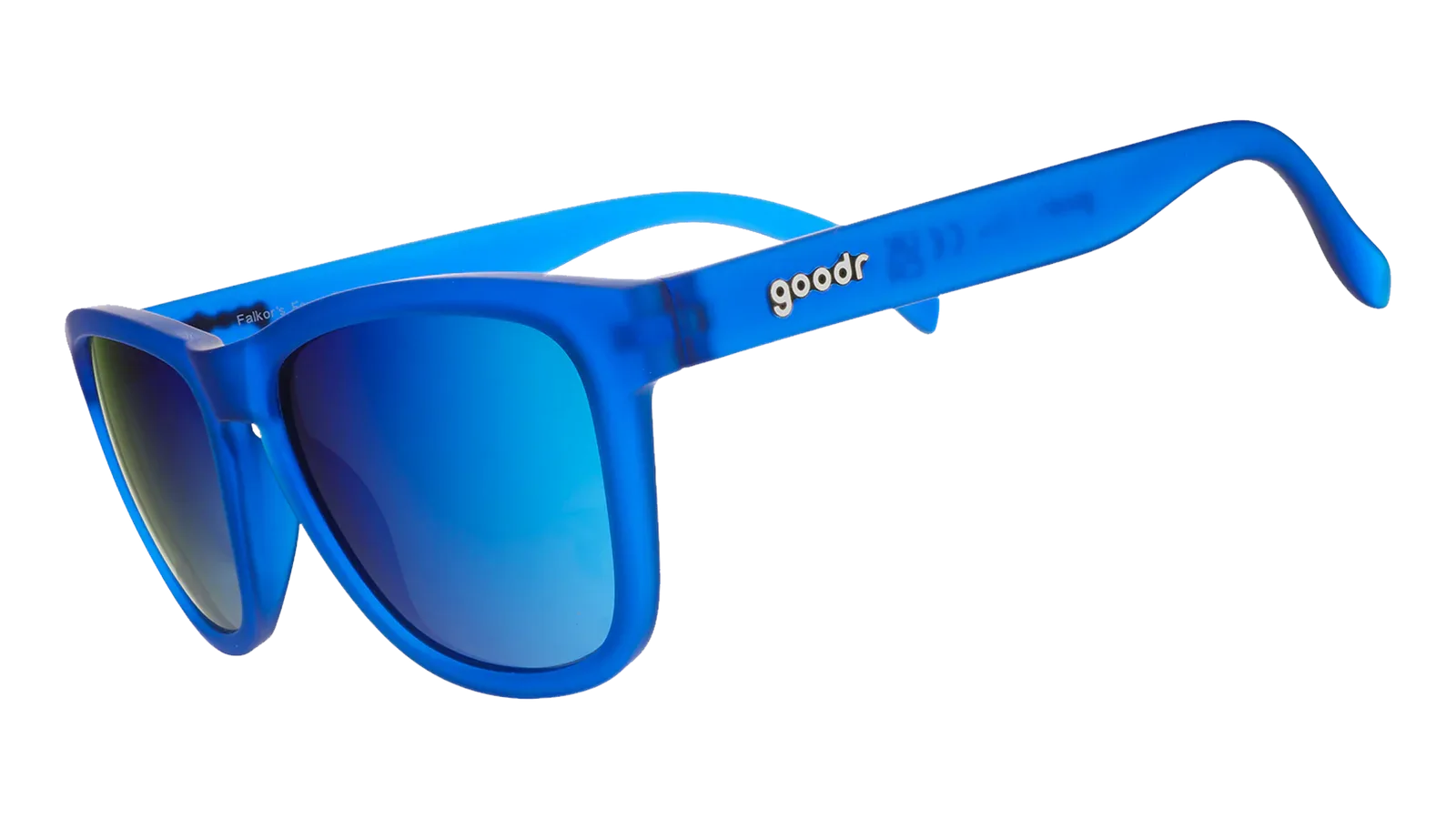
- Full Sail Frenzy: Set sail for low-key luxury with these decadent navy and chrome Full Sail Frenzy Avant Gs. These stylish blue half-rim frames and chrome reflective lenses are always ready for an impromptu getaway. Chrome reflective lenses cut intense glare on bright days, making them a solid choice for exposed coastal or mountain roads where the sun bounces off every surface.
Who should pick which lens
Best for
- Road cyclists who want to see pavement cracks and painted lines more clearly
- Mountain bikers who need depth perception in mixed light and shade
- Riders who often start before sunrise or finish after sunset
Not for
- Riders who only cycle in bright, unchanging midday sun—a standard grey or brown lens works fine
- Anyone who expects one lens to handle every condition—photochromic lenses are a better fit