Quick Answer
Choose Cytosis for a broader introduction to cell biology with a slightly younger audience, or Cellulose for a deeper dive into plant cell processes with older players.
Theme and Mechanics: Animal vs Plant Cell
Cytosis focuses on the animal cell, where players build proteins, carbohydrates, and enzymes while managing organelles and membranes. It's a worker placement game that emphasizes resource management and set collection, making it a solid entry point to cell biology.
Cellulose shifts the focus to plant cell biology, covering photosynthesis, DNA, and biochemistry. It also uses worker placement and resource management but adds the unique challenge of balancing chloroplast activity and cellular respiration. This makes it a more specialized choice for players interested in plants.
Age and Complexity: Who Can Play?
Cytosis is rated for ages 10 and up, making it accessible to younger teens and families with older children. Cellulose steps up the complexity with a 14+ rating, so it's better suited for high schoolers and adults who are comfortable with more intricate rules.
If you're playing with a mixed-age group, Cytosis is the safer pick. For a dedicated game night with experienced players, Cellulose offers a richer challenge.
Trade-Offs at a Glance
- Cytosis for younger or mixed groups: Pick Cytosis if your group includes players aged 10-13 or if you want a game that's easier to learn. It covers animal cell biology in a way that's approachable for beginners. Check that everyone is comfortable with worker placement mechanics before buying.
- Cellulose for older, experienced players: Choose Cellulose if your group is 14+ and enjoys deeper strategy. Its focus on plant cell processes and photosynthesis offers a more specialized challenge. Be ready for a longer teach and a more demanding game session.
- Theme preference: Decide based on interest: animal cell biology (Cytosis) vs plant cell biology (Cellulose). If your group is more curious about how plants convert sunlight, Cellulose is the clear winner. Ask your group which cell type they'd rather explore—this often settles the debate.
Product Facts
-
Cellulose: A Plant Cell Biology Game | 2023 MENSA Recommended Game | Dice Tower Seal of Approval | Strategy Board Game: Cellulose is a 2023 Mensa Recommended Game and recipient of The Dice Tower Seal of Approval, covering photosynthesis, DNA, and biochemistry for ages 14+. This recognition and complexity make it a great choice for older players who want a scientifically accurate and challenging strategy game.
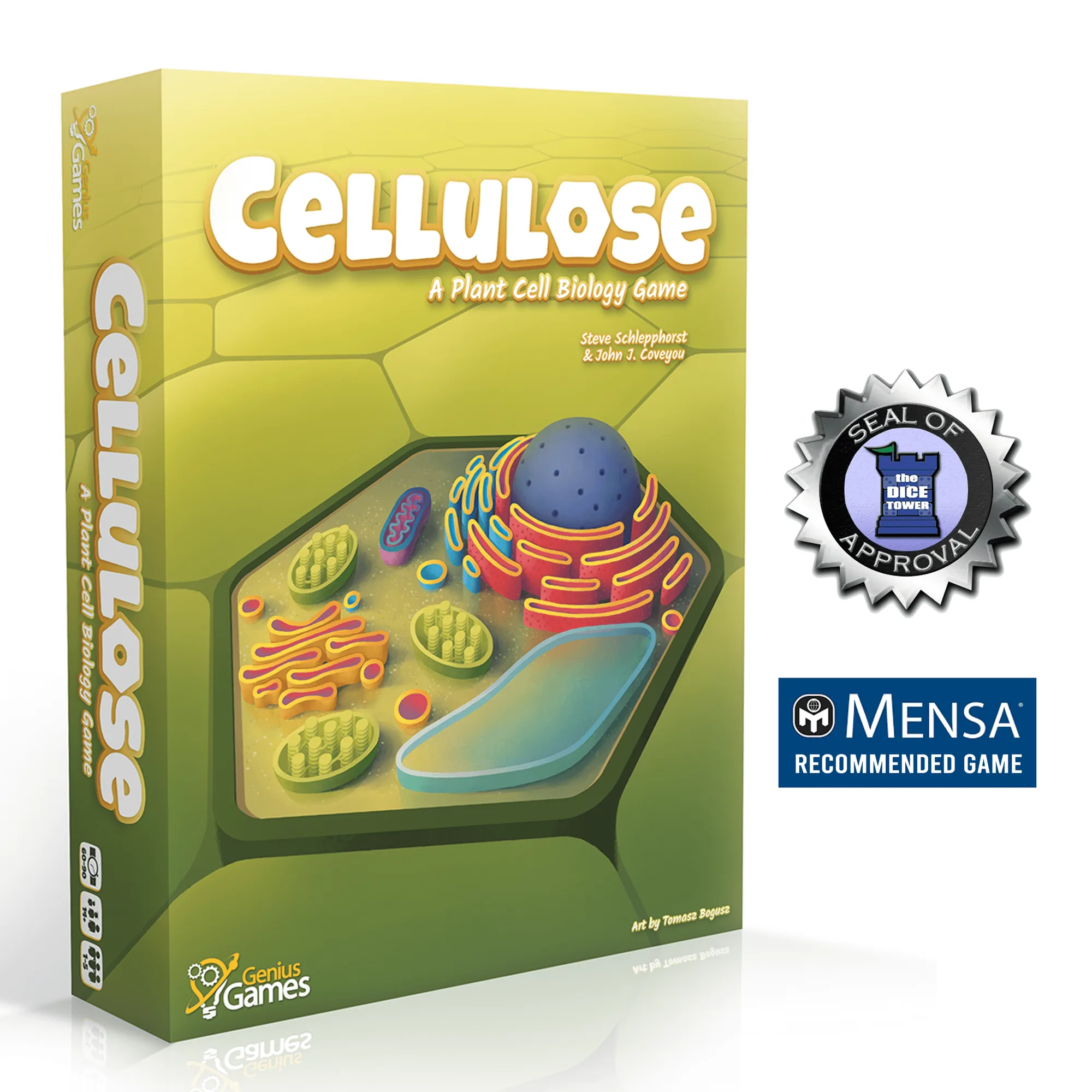
Cellulose: A Plant Cell Biology Game | 2023 MENSA Recommended Game | Dice Tower Seal of Approval | Strategy Board Game
-
Cytosis: A Cell Biology Game | Endorsed by Journal of Cell Science | Dice Tower Seal of Approval | A Science Accurate Strategy Board Game: Cytosis is endorsed by the Journal of Cell Science and has The Dice Tower Seal of Approval, focusing on building proteins, carbohydrates, and enzymes for ages 10+. The endorsement and lower age rating mean it's a trusted, accessible way to introduce cell biology to younger players without sacrificing accuracy.
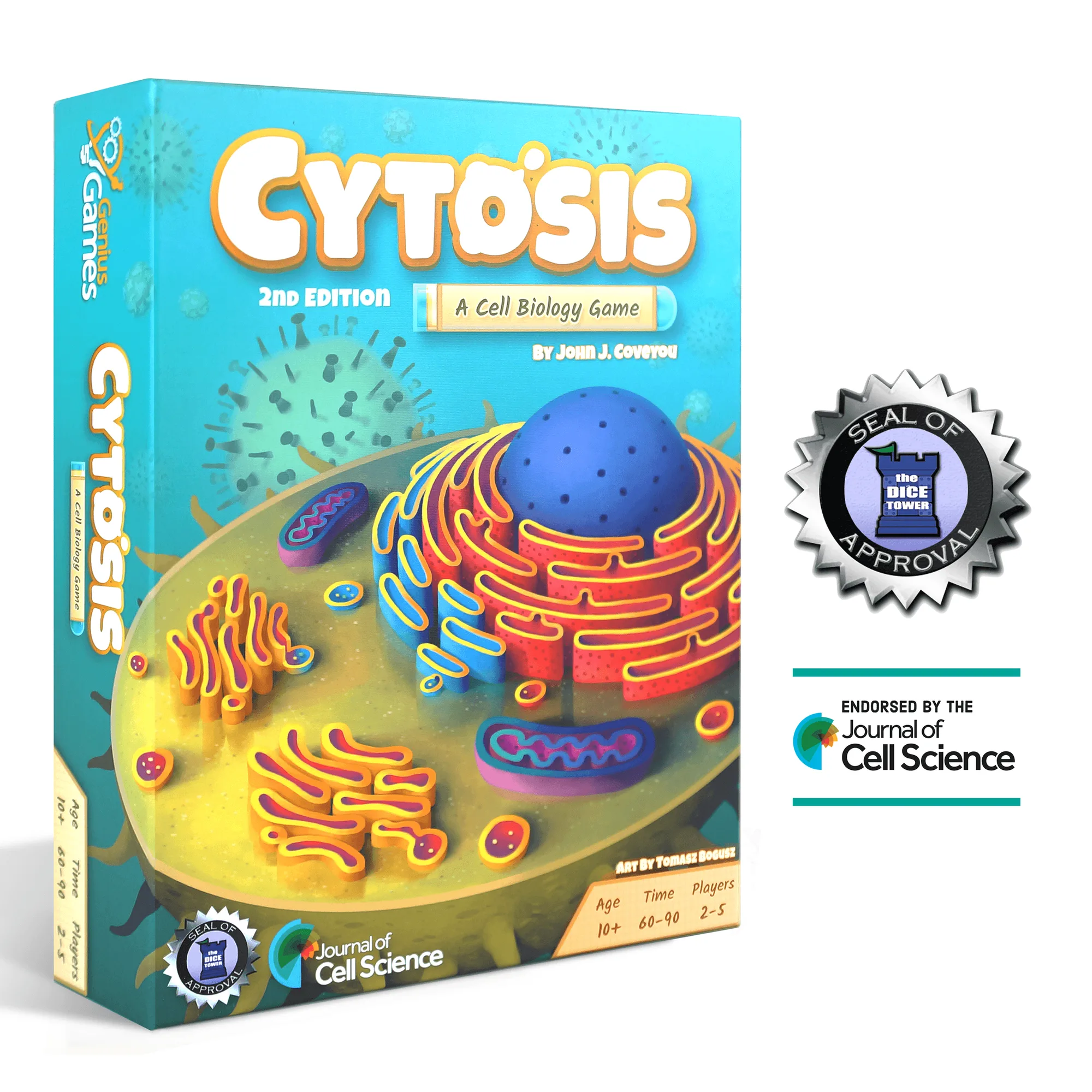
Cytosis: A Cell Biology Game | Endorsed by Journal of Cell Science | Dice Tower Seal of Approval | A Science Accurate Strategy Board Game
Which Game Fits Your Group?
Best For
- Families with kids aged 10-13 who want a science-accurate board game
- Players new to worker placement who prefer a slightly lighter rule set
Not For
- Groups that prefer a heavier, more complex strategy experience
- Players specifically interested in plant cell biology and photosynthesis