Quick answer
If you want a warm, chewy, sit-down breakfast that keeps you full for hours, choose a Daily Harvest oat bowl like Chai Spiced Squash + Pecans. If you need something you can blend and sip in under a minute on your way out the door, a smoothie like Cherry + Raspberry is the better pick. Your decision comes down to texture, time, and how much chewing you want before noon.
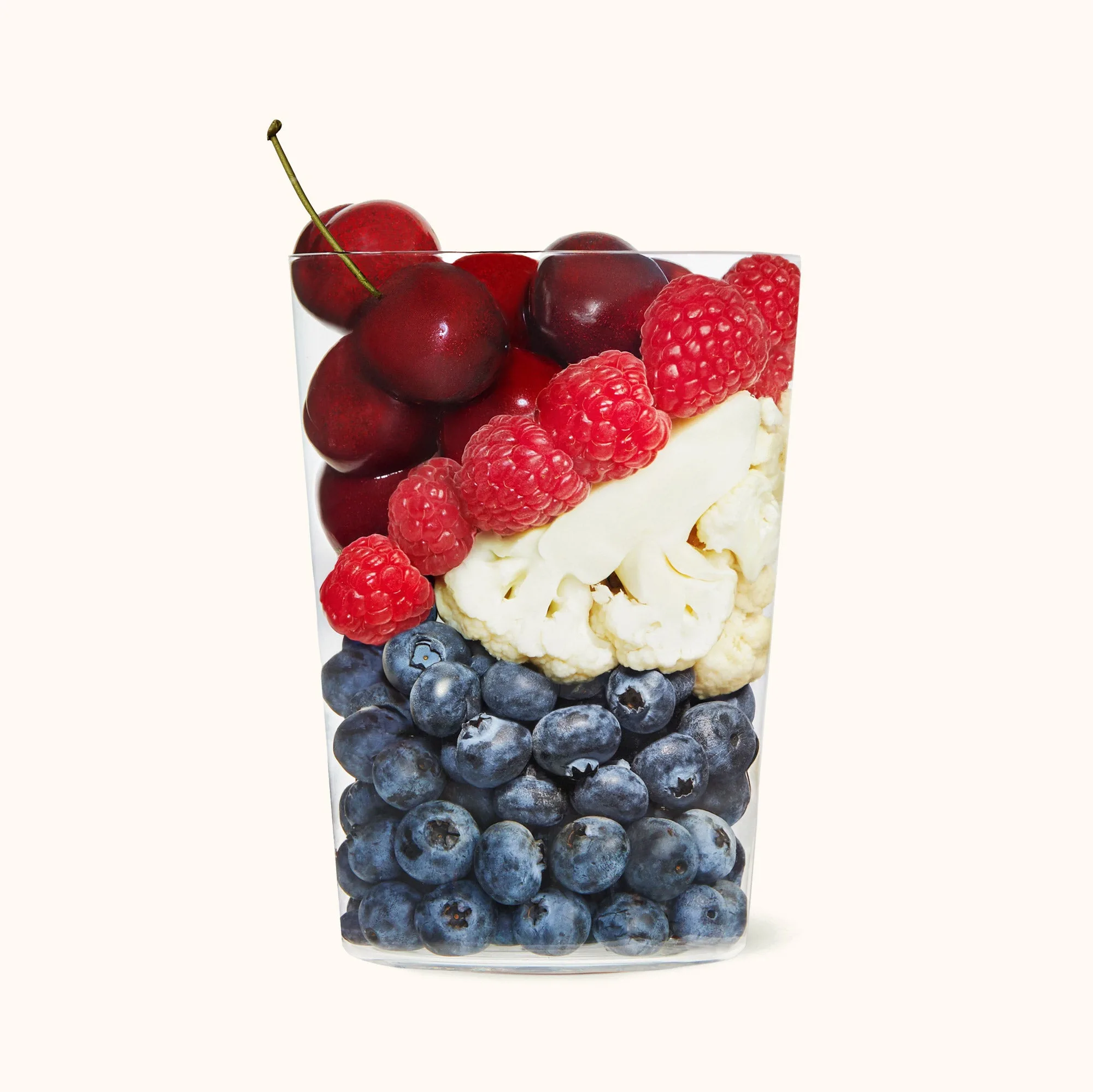
Cherry + Raspberry
Mornings are a series of small decisions, and what you eat first is one of the biggest. Daily Harvest offers two main breakfast paths: oat bowls that you heat in the microwave and smoothies that you blend with a liquid of your choice. Both are single-serve, frozen, and ready in minutes, but they deliver very different eating experiences.
This comparison breaks down the real differences between the two formats using the actual ingredients and nutritional approach behind each. You will see exactly what changes when you pick a warm bowl over a cold drink, and which one is more likely to match your morning routine.
Texture and satiety: chewing vs. sipping
The most obvious difference is physical. An oat bowl gives you something to chew: oats, nuts, seeds, and fruit in a warm, spoonable base. That texture naturally slows you down and signals fullness to your brain. A smoothie, by contrast, is blended into a drink, so it goes down fast and may leave you feeling less satisfied if you are used to solid food in the morning.
That does not mean smoothies are a bad choice. Many people simply prefer a cold, creamy drink to start the day, especially in warmer months or after a workout. The key is to know that the same volume of food will feel different depending on whether you eat it with a spoon or a straw.
- If you often feel hungry an hour after a liquid breakfast, a bowl with oats and nuts will likely hold you longer.
Prep time and convenience
Both formats are designed to be fast, but the steps are not identical. An oat bowl goes straight from the freezer to the microwave, so there is no measuring, pouring, or blending. A smoothie requires you to add a liquid, such as water, milk, or a plant-based milk, and run a blender, which also means you have to clean the blender afterward.
If you have a commute and want to drink breakfast in the car, a smoothie wins. If you are at home or at a desk with a microwave, an oat bowl requires fewer dishes and no extra equipment. Think about your actual morning: do you have two minutes to blend and rinse, or do you want to press one button and walk away?
Nutritional differences that matter
Oat bowls are built around whole grains, nuts, and seeds, giving you a hearty mix of complex carbohydrates, fiber, and healthy fats. The Chai Spiced Squash + Pecans bowl, for example, combines kabocha squash with oats, pecans, sultanas, and maple, a combination that delivers a slow-release energy profile. The Peach + Cinnamon bowl takes a different route: it is grain-free, using riced vegetables in place of oats while keeping the nuts and seeds for texture.
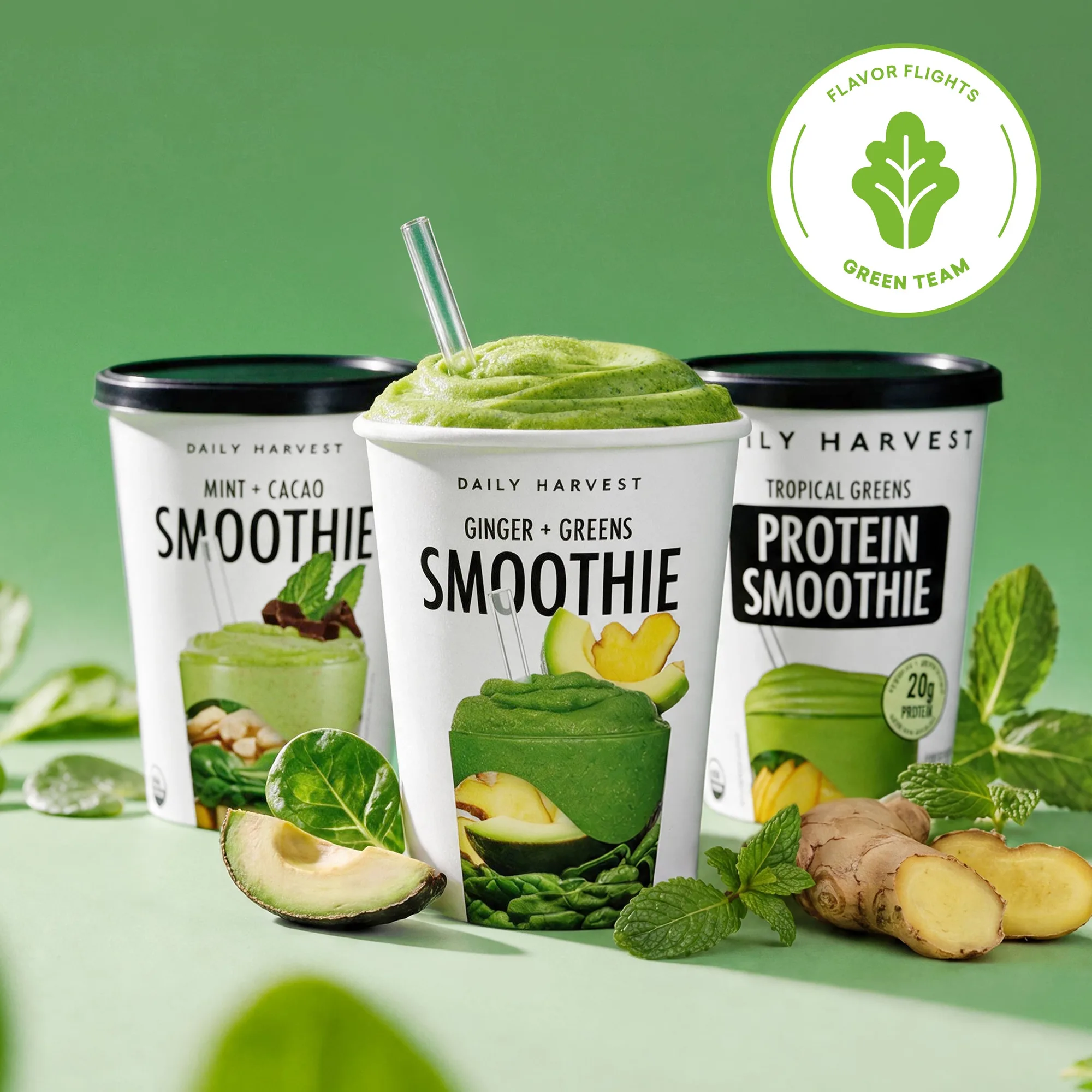
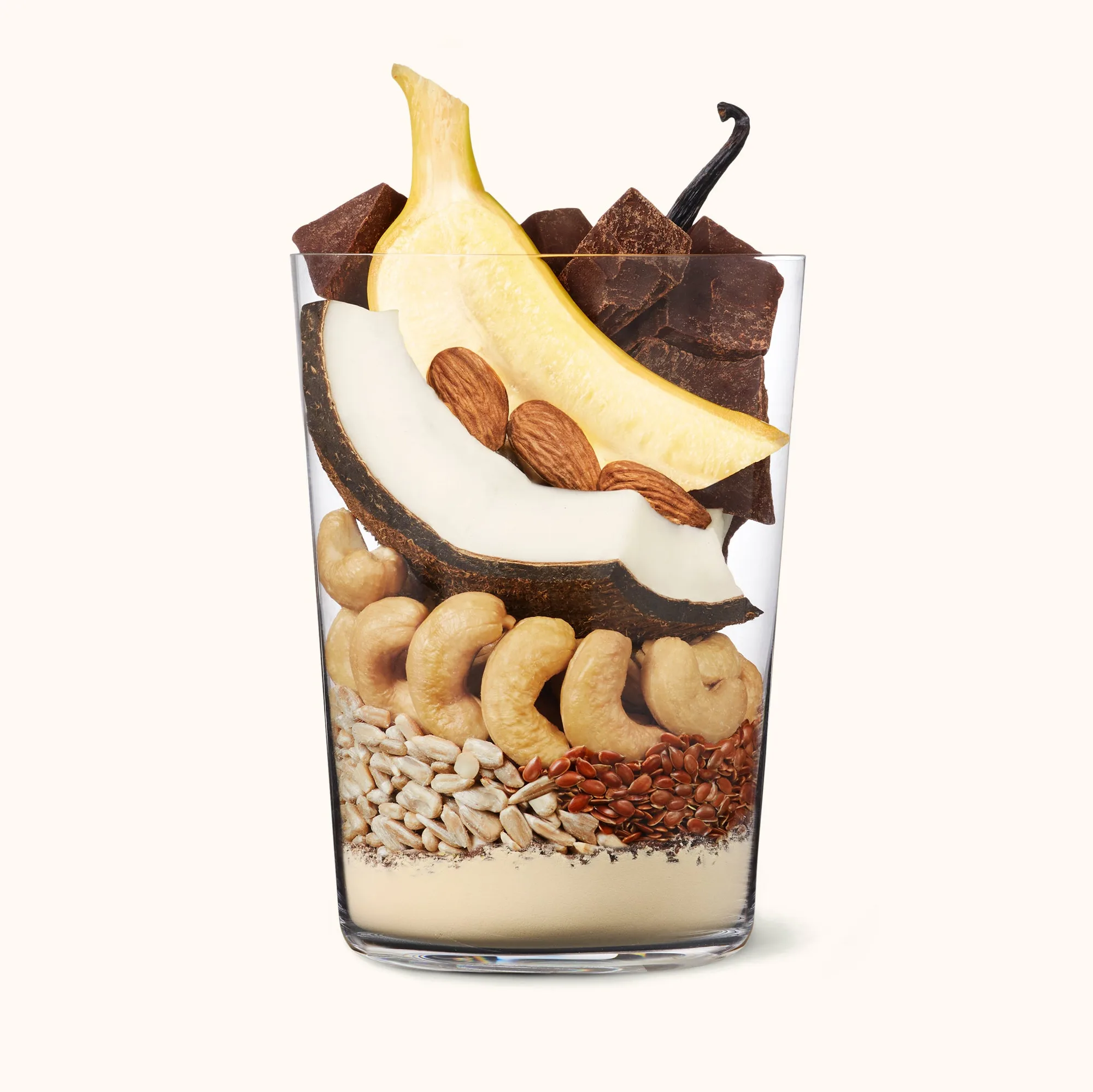
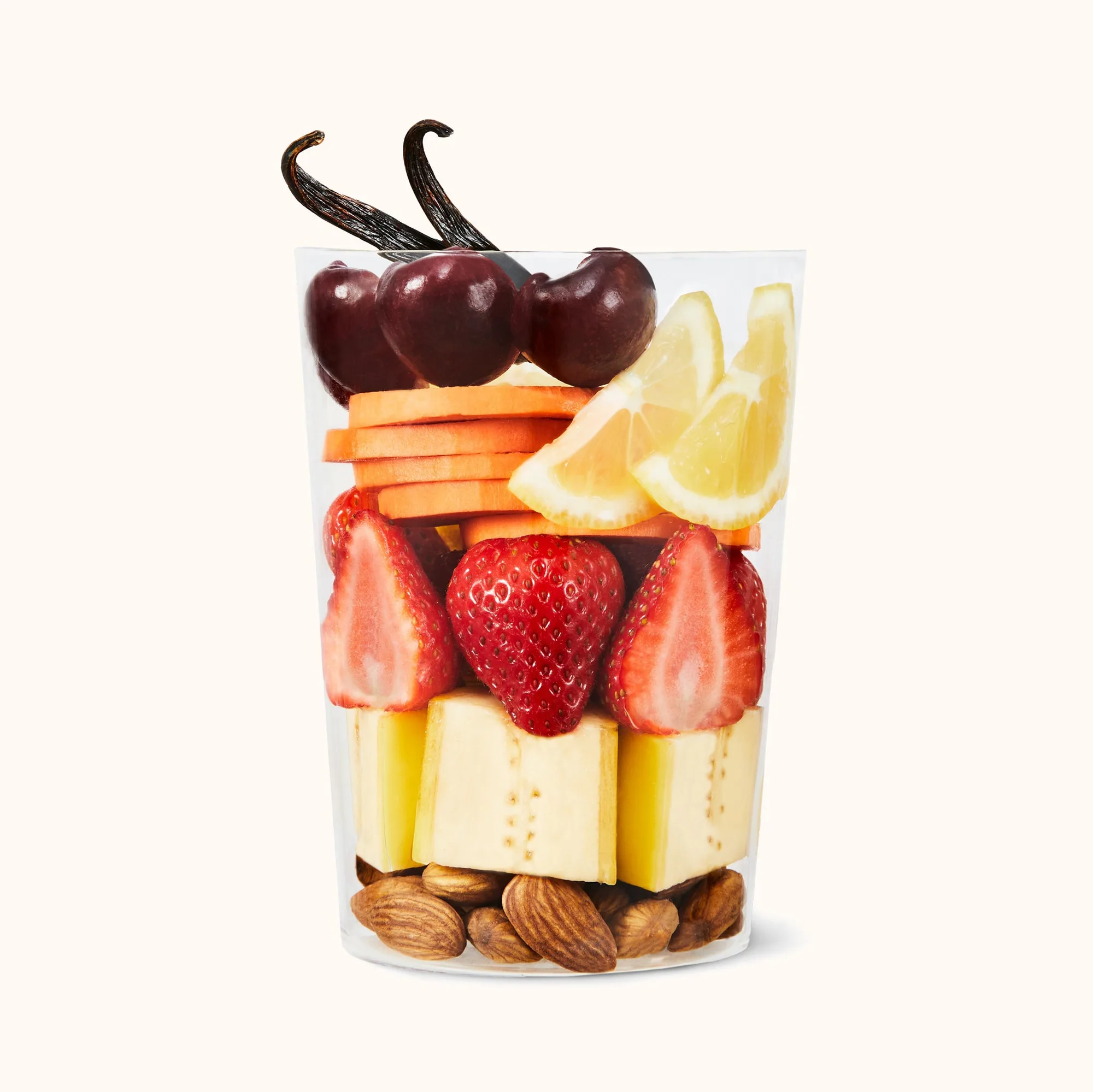
Smoothies tend to be lighter and fruit-forward. The Cherry + Raspberry blend combines cherries, blueberries, and raspberries with cauliflower for hidden vegetables and a sweet-tart flavor. The Mint + Cacao option brings bananas and cashews for creaminess, plus spinach and chlorella. If you want a breakfast that feels more like a treat and less like a meal, a smoothie is the lighter path.
Flavor profiles: warm spice vs. bright fruit
Flavor is a personal thing, but the two categories lean in different directions. Oat bowls often feature warm, baking-style spices. Chai Spiced Squash + Pecans tastes like autumn with its chai seasoning and maple sweetness, while Peach + Cinnamon mimics a homemade cobbler with warmed peaches and cinnamon. These are comforting, cozy flavors that pair well with cooler mornings.
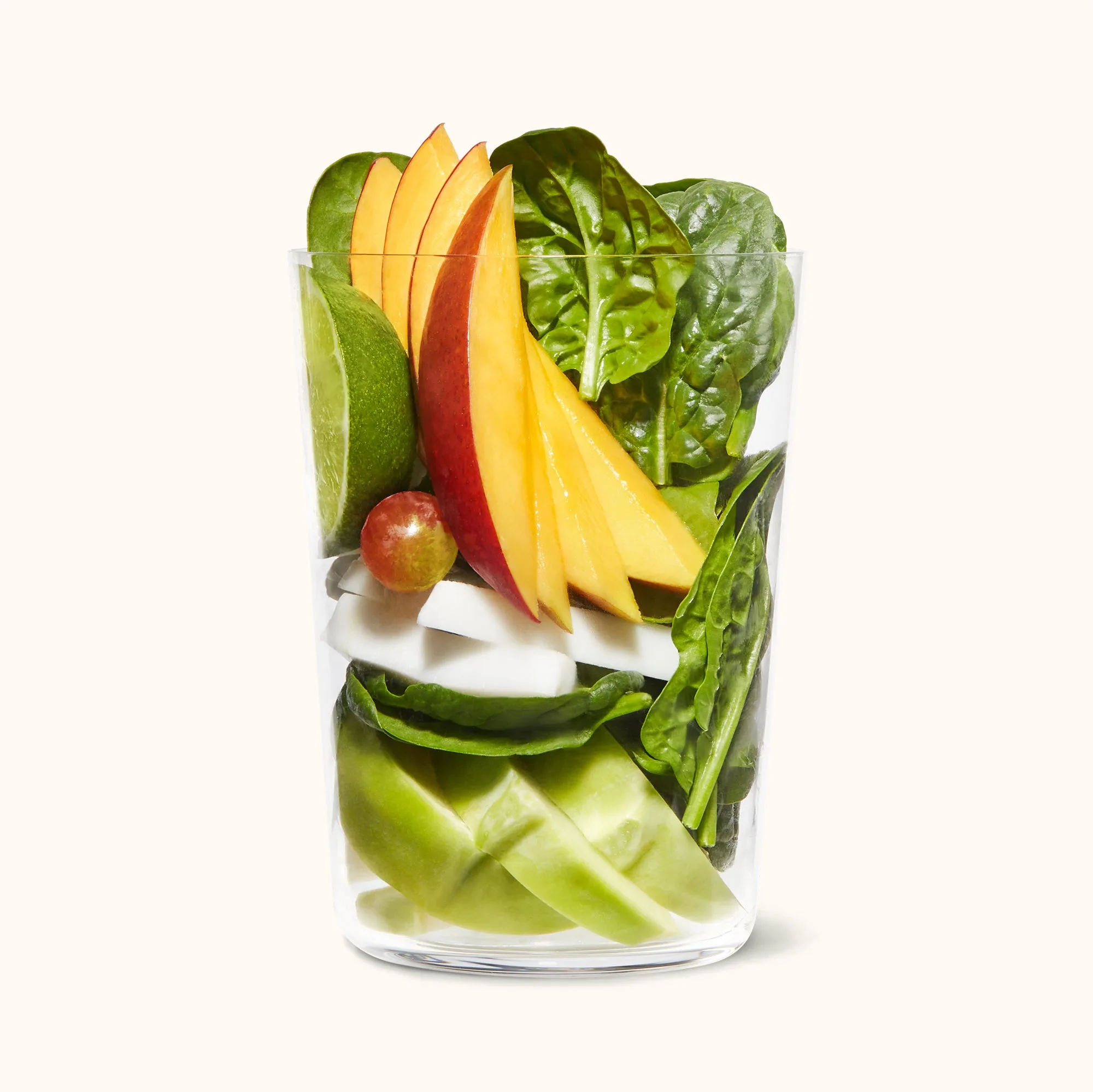
Smoothies skew brighter and more refreshing. Cherry + Raspberry is juicy and sweet-tart, Mint + Cacao is cool and chocolatey, and Mango + Greens is lush and tropical with a lime spritz. If you crave something invigorating first thing in the morning, a smoothie will hit that note better than a warm bowl.
Portion size and cost considerations
Both formats are single-serve, but the price differs. Oat bowls are listed at USD 3.40, while individual smoothies are USD 4.24. If you buy smoothies in bulk, the 10-Pack Mixed Berry Protein costs USD 47.45 for ten servings, which brings the per-serving cost down slightly. Oat bowls do not appear to have a comparable multipack option in the current catalog, so the individual price is your reference point.
The price gap is small, but it adds up over a month. If you eat breakfast five days a week, choosing oat bowls over individual smoothies saves roughly USD 0.84 per meal, or about USD 17 per month. That is not a life-changing sum, but it is worth knowing if you are budgeting.
The trade-offs at a glance
- Texture: Oat bowls give you something to chew with oats, nuts, and seeds. Smoothies are blended into a drink and go down fast. Choose a bowl if you need to feel full; choose a smoothie if you prefer sipping.
- Prep time: Oat bowls go straight from freezer to microwave. Smoothies require adding liquid and blending, plus cleanup. Pick a bowl for one-button convenience; pick a smoothie only if you have a blender handy.
- Nutritional profile: Oat bowls lean on whole grains, nuts, and seeds for slow-release energy. Smoothies are lighter and fruit-forward with hidden veggies. Choose a bowl for a heartier meal; choose a smoothie for a lighter start.
- Cost: Oat bowls are USD 3.40 each. Individual smoothies are USD 4.24, with a 10-pack at USD 47.45. Bowl eaters save about USD 0.84 per serving, but bulk smoothie packs offer convenience.
What you are actually comparing
- Chai Spiced Squash + Pecans: A chai-spiced breakfast bowl with kabocha squash, oats, pecans, sultanas, and maple. A complete, single-serve oat bowl portioned just for you. This is the warm, chewy option that combines whole grains with nuts and dried fruit for a hearty, sit-down breakfast.
- Peach + Cinnamon: Sun-ripened peaches warmed with cinnamon, tossed with crunchy nuts, satiating seeds, and shredded coconut. Grain-free, using riced vegetables for texture. If you want the comfort of a warm bowl but prefer to avoid grains, this version gives you the same cozy feel with a different base.
- Cherry + Raspberry: Cherries, blueberries, and raspberries blended with cauliflower for hidden veggies. A complete, single-serve smoothie portioned just for you. This is the quick, sippable option with a sweet-tart flavor and a light nutritional profile that works for on-the-go mornings.
- Mint + Cacao: Cool peppermint meets rich cacao crunch. Bananas and cashews bring creamy texture, with a boost from spinach and chlorella. A dessert-like smoothie that still packs in greens, ideal if you want something that feels indulgent but is plant-based.
Which one fits your morning?
Best for
- People who want a warm, spoonable breakfast with whole grains and nuts that keeps them full until lunch
- Anyone who has a microwave at home or work and wants minimal cleanup with no blender to wash
Not for
- People who need to eat while commuting and prefer a drinkable breakfast
- Anyone who dislikes warm, spiced flavors and wants a bright, fruity, or chocolatey start instead
Both Daily Harvest oat bowls and smoothies can anchor a solid breakfast, but they serve different mornings. If you value a warm, chewy, filling meal and do not mind waiting a few minutes for the microwave, an oat bowl is your match. If you need something cold, quick, and drinkable that you can take with you, a smoothie is the smarter pick. Look at your morning routine, not just the nutrition label, and the right choice becomes obvious.