Quick answer
Choose daily disposables if you want the lowest-maintenance routine and wear lenses only part of the week. Choose monthly lenses if you wear contacts most days and want fewer boxes and less packaging. Weekly lenses sit between the two, but they are less common, so availability and prescription range often decide the question for you.
Contact lens replacement schedules are not just a habit question. The schedule changes how much time you spend on lens care, how often you reorder, and how much waste you generate. Daily, weekly, and monthly lenses all correct vision, but they ask different things of you.
This comparison focuses on the practical differences between the three schedules and the trade-offs you accept with each. It does not rank them, because the right answer depends on how often you actually wear contacts and how much maintenance you are willing to do.
How the three replacement schedules actually differ
Daily disposable lenses are opened fresh each day and thrown away at night. There is no cleaning, no case, and no solution to pack. Weekly lenses are worn for about a week before replacement, which means you need a care routine in between. Monthly lenses are worn for about a month, so they demand the most consistent cleaning and storage habits of the three.
The trade-off is straightforward. Shorter replacement intervals mean less daily maintenance but more packaging and more frequent reordering. Longer intervals mean fewer boxes and less waste, but you take on cleaning, storage, and the risk that a torn or lost lens disrupts your month.
- Count your actual wear days per week before choosing a schedule.
- If you wear lenses fewer than three days a week, daily disposables often cost less in practice because you are not maintaining lenses you barely use.
Daily disposables: lowest maintenance, highest convenience
Daily lenses are the simplest schedule to follow because there is nothing to remember except to throw them away. That matters for people with allergies, heavy screen use, or a habit of falling asleep in lenses, since a fresh pair every morning removes the buildup question entirely.
The trade-off is volume. You go through more lenses and more packaging, and a travel bag full of dailies takes up more space than a single monthly case. If you wear contacts every single day, the cost per wear can also add up faster than a monthly schedule.
- Keep a spare pair in your bag or desk for unexpected overnight stays.
- Daily lenses are a practical choice for occasional wear, sports, and travel.
Monthly lenses: fewer boxes, more routine
Monthly lenses reward consistency. You clean and store the same pair for about 30 days, which means fewer boxes per year and less packaging overall. For full-time wearers, that can mean a lower cost per wear and a simpler reorder rhythm.
The trade-off is that monthly wear depends on your care routine being reliable. Skipping cleaning, topping off old solution, or leaving lenses in the case too long all shorten the lens life in practice. Monthly lenses also mean a single lost or torn lens affects the rest of the month.
- Replace solution every day rather than topping off the case.
- Set a phone reminder for your monthly replacement date so you do not stretch a lens past its schedule.
Weekly lenses: the middle option with the narrowest availability
Weekly lenses split the difference: more wear per lens than a daily, less commitment than a monthly. For some wearers that is the sweet spot, especially if daily disposables feel wasteful but monthly lenses feel like too much responsibility.
The catch is availability. Weekly schedules are less common than daily or monthly options, and the specific lens your eye doctor fits may not exist in a weekly version. That makes weekly lenses a prescription-first choice rather than a schedule you can simply decide on.
- Ask your eye doctor whether a weekly lens exists in your prescription before building a routine around it.
- If weekly is not available, daily and monthly are the realistic alternatives.
How to choose without overthinking it
Start with wear frequency. If you wear contacts most days, a monthly schedule usually makes sense because you are getting full use out of each lens and fewer boxes. If you wear them a few times a week or less, daily disposables remove the maintenance you would otherwise do for lenses you barely wear.
Then factor in your care habits. Be honest about whether you will clean and store lenses properly every night. If the answer is no, daily disposables remove that failure point. Weekly lenses only make sense if your prescription supports them and you want something between the two extremes.
- Full-time wearers: monthly is usually the practical default.
- Occasional wearers: daily disposables usually win on simplicity.
- Weekly: choose only if your prescription is available in that schedule.
Trade-offs at a glance
- Daily disposables: No cleaning, no case, fresh lens every day, but more packaging and more boxes per year. Best when convenience and low maintenance matter more than minimizing waste.
- Monthly lenses: Fewer boxes and less packaging, but you must clean and store lenses consistently for about 30 days. Best when you wear contacts most days and will keep up with care.
- Weekly lenses: A middle ground on wear time and maintenance, but far less common than daily or monthly options. Best only when your prescription is available in a weekly lens.
Products that illustrate the schedule differences
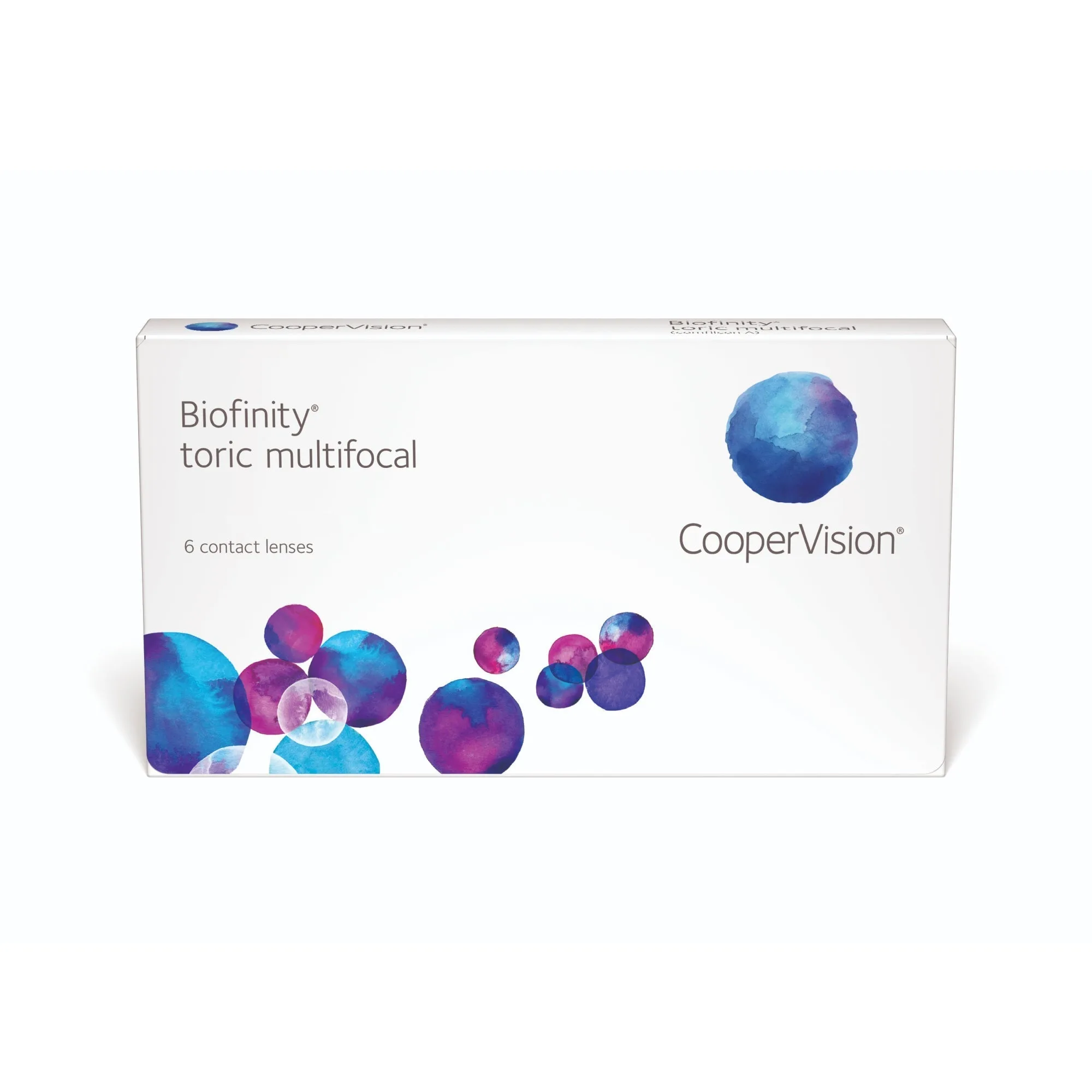
- https://lensabler.com/products/vcs-biofinity-toric-multifocal-contact-lenses-18e0e37cf7d35f814f9d22bf-1701957Biofinity Toric Multifocal - 6 Pack: Monthly disposable soft contact lenses, 6 lenses per box, made by CooperVision with 52% comfilcon A material, designed for people with astigmatism who also have presbyopia. This is a concrete example of a monthly lens that serves a complex prescription, showing that monthly schedules are not just for simple vision correction.
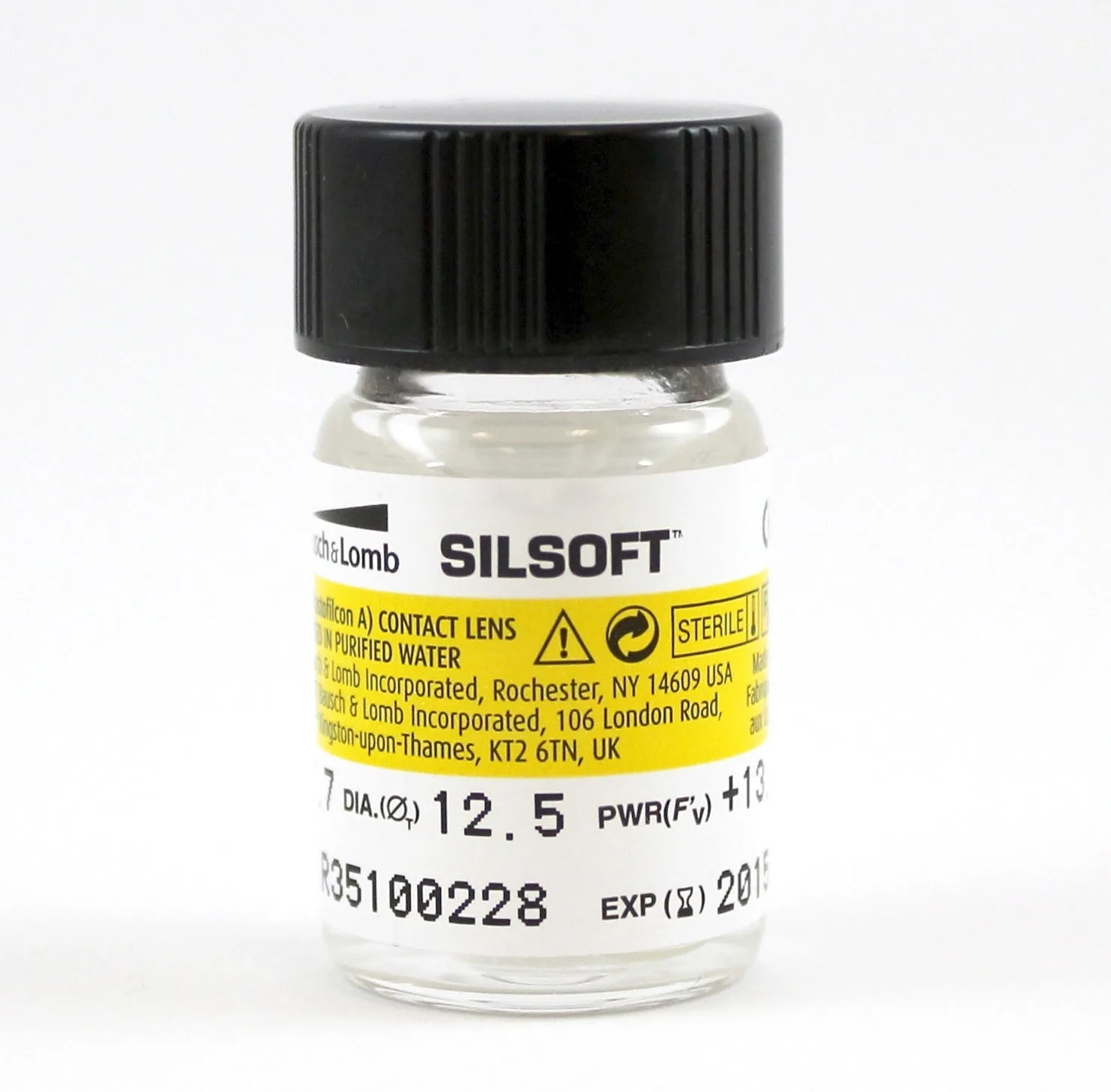
- https://lensabler.com/products/silsoft-aphakic-adult-contact-lenses-d9496ee0580fe51f89397186-1701868Silsoft Aphakic Adult Contact Lenses: Custom annual lens for aphakia, 1 lens in a vial, custom made by Bausch & Lomb. It shows that not every lens fits a daily, weekly, or monthly schedule. Some prescriptions require a custom annual lens, so the replacement schedule follows the medical need rather than convenience.
Which schedule fits you
Best for
- People who wear contacts fewer than three days a week and want zero maintenance (daily)
- Full-time wearers who want fewer boxes and lower cost per wear (monthly)
- Wearers whose prescription is available in a weekly lens and who want a middle-ground routine (weekly)
Not for
- People who will not clean and store lenses nightly (avoid monthly and weekly)
- People who want a schedule that does not exist in their prescription (weekly may not be an option)
- People with custom or specialty prescriptions that require an annual lens
There is no universal winner in the daily vs monthly vs weekly contacts question. Match the schedule to how often you actually wear lenses and how much maintenance you will realistically do, then confirm the choice with your eye doctor before ordering.