Quick Answer
For most riders, Dakine offers better value and organization in its snowboard backpacks, especially with models like the Campus series that double for school or work. Burton packs excel in technical backcountry features, but if you're comparing everyday carry and slopeside utility, Dakine's thoughtful compartments and recycled materials make it a strong choice. Choose Dakine for versatility and price; choose Burton if you need specialized avalanche airbag integration.
When you're gearing up for a day on the mountain, your backpack is more than just a bag—it's your lifeline for carrying layers, snacks, and safety gear. Dakine and Burton are two of the biggest names in snowboarding, each with a loyal following. But how do their backpacks really compare? We've dug into the details to help you decide which brand deserves a spot on your back.
In this comparison, we'll look at what each brand offers in terms of design, durability, and practical features. We'll also highlight specific Dakine products to give you a concrete sense of what you're getting for your money. Whether you're a resort rider or a backcountry enthusiast, understanding these differences will guide you to the right pack.
Design and Organization: Dakine's Campus Series vs. Burton's Technical Packs
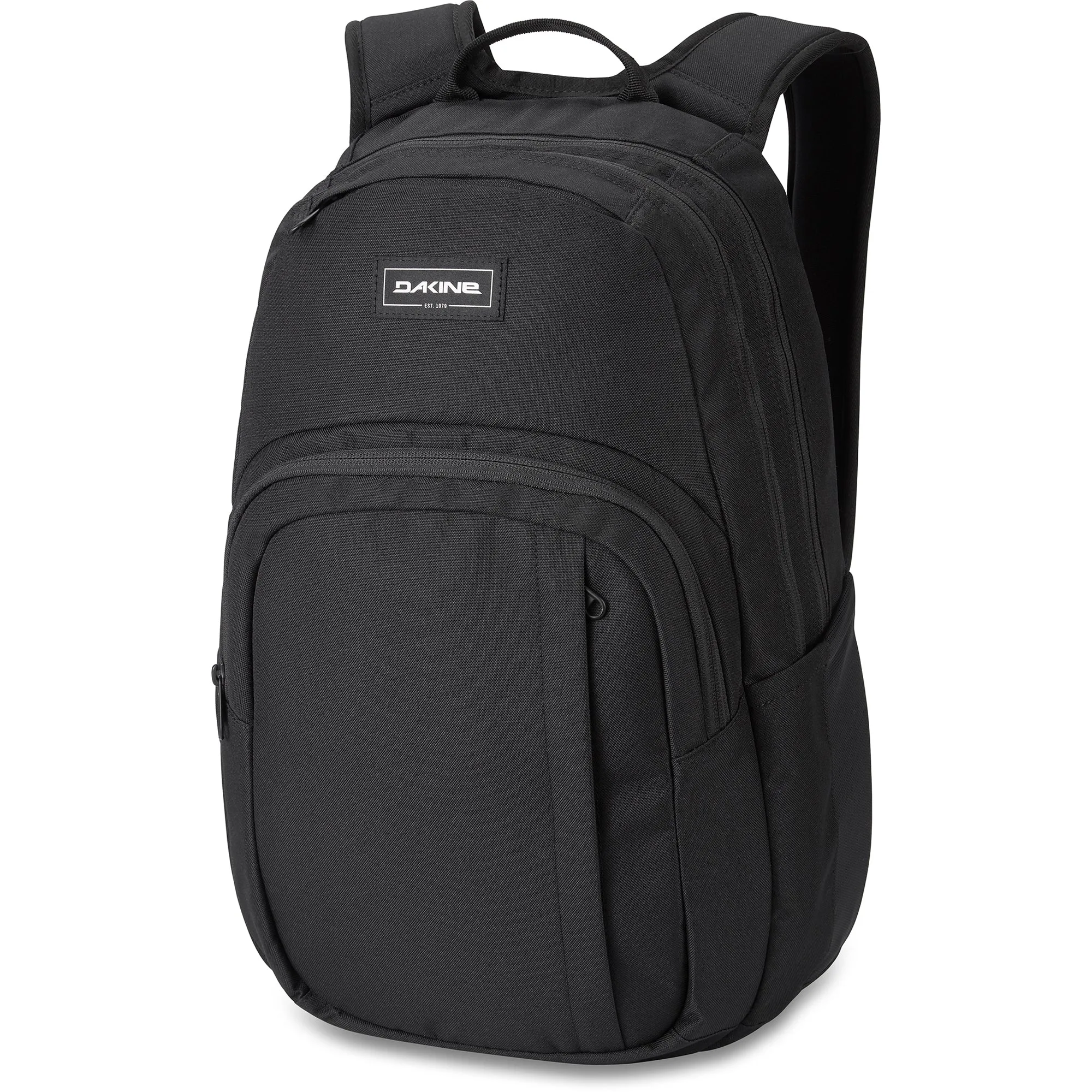
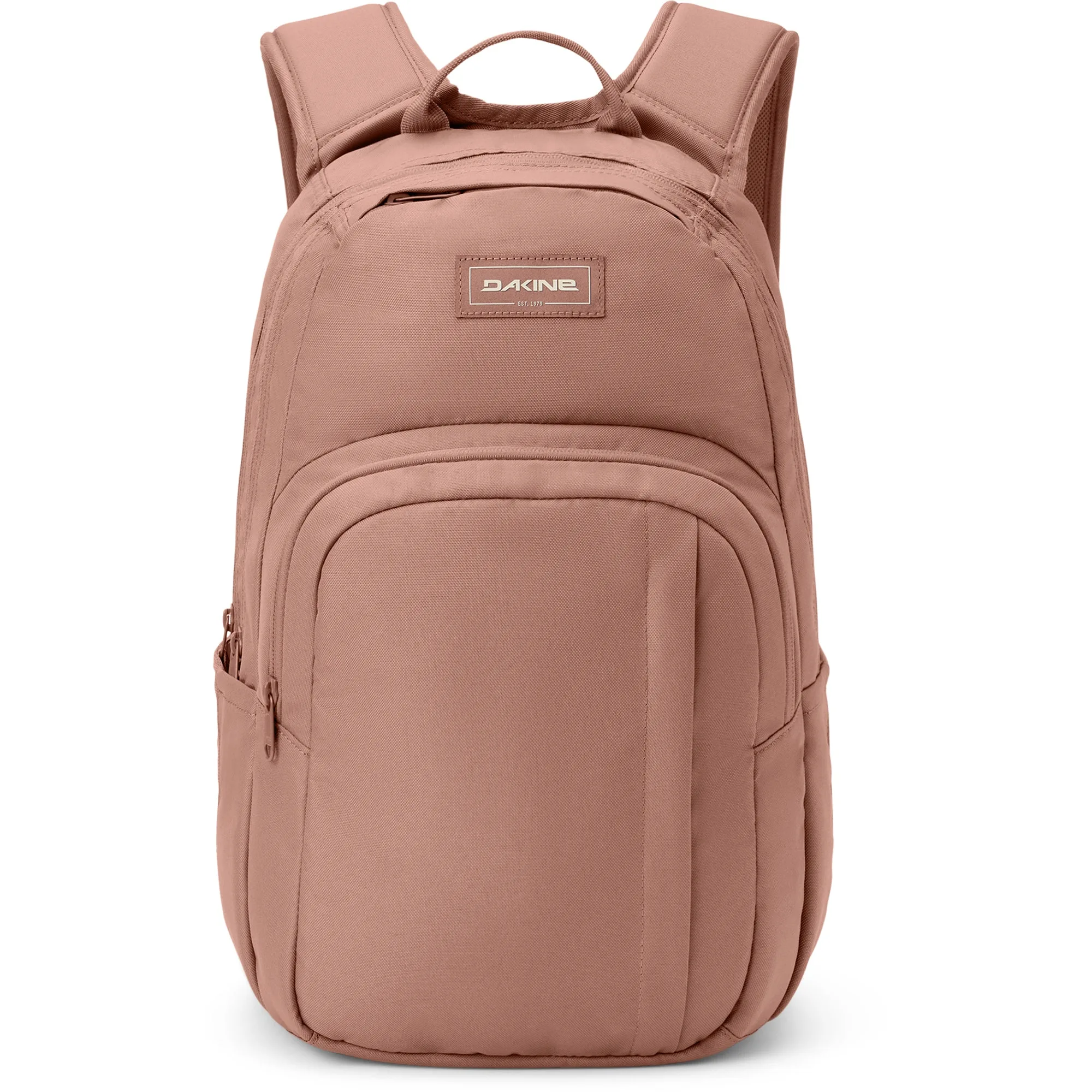
Dakine's Campus series, like the Campus Backpack 25L, is designed with the everyday rider in mind. It features multiple compartments, a padded laptop sleeve, and an insulated pocket, making it perfect for transitioning from the slopes to the classroom or office. The Campus Hybrid Backpack 26L takes this a step further with a versatile tote-backpack combo and stow-away straps, offering even more carry options. These packs are built from recycled polyester, showing Dakine's commitment to sustainability without sacrificing function.
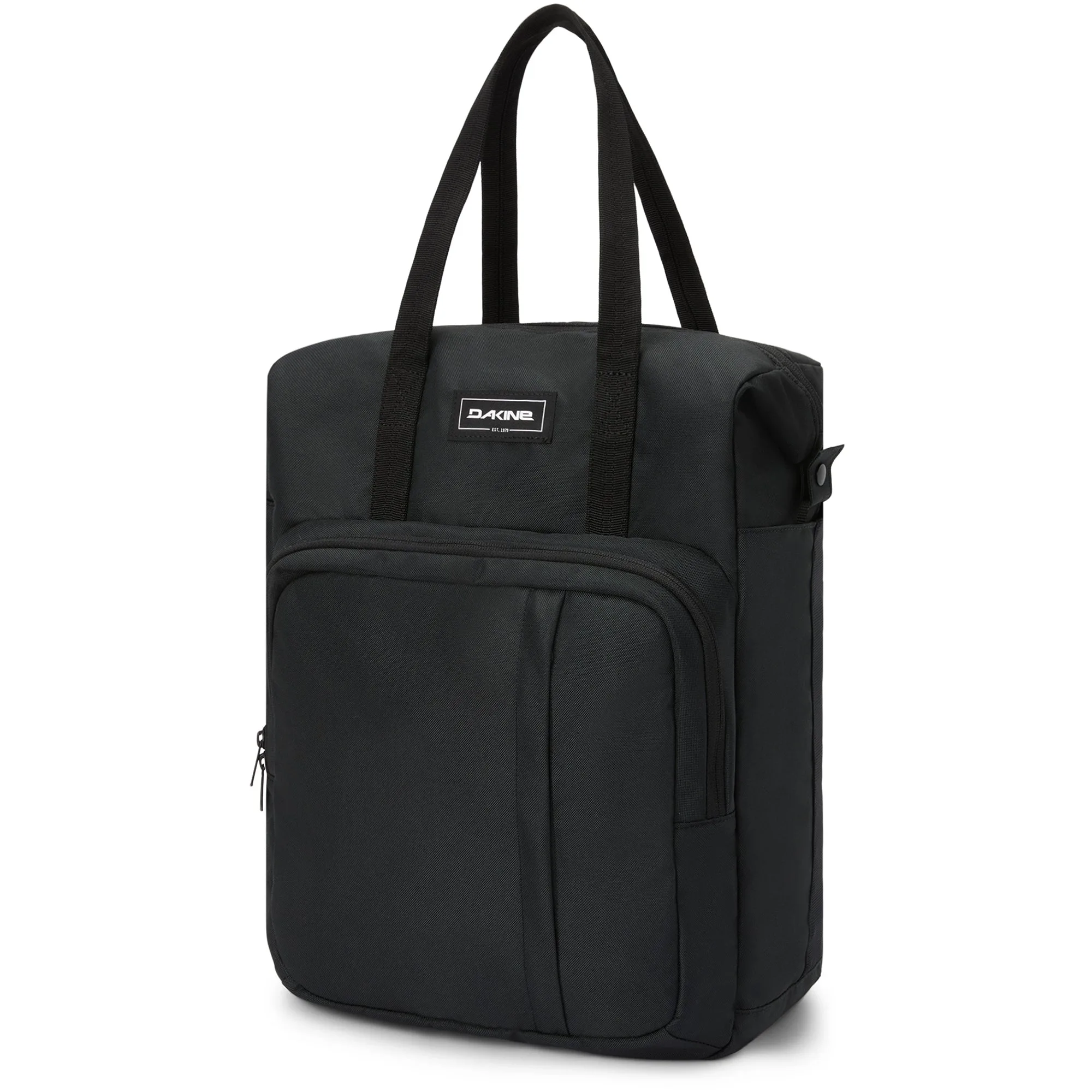
Campus Hybrid Backpack 26L
Burton's backpacks, on the other hand, often prioritize technical features for backcountry use, such as dedicated avalanche tool pockets and hydration compatibility. While they excel in specialized scenarios, they may lack the everyday organization that makes Dakine's Campus series so versatile. If you need a pack that works both on and off the mountain, Dakine's thoughtful layout gives it an edge.
- Look for a pack with a padded laptop sleeve if you plan to use it for work or school.
- Consider the number of compartments—more pockets mean easier organization but can add weight.
Durability and Materials: Recycled Polyester vs. Technical Fabrics
Dakine uses high-quality materials like 85% recycled polyester and nylon in its Campus Backpack 25L, ensuring durability while reducing environmental impact. The Campus Hybrid Backpack 26L features a split body of 90% recycled polyester and 10% nylon, with a lining that includes recycled PVC. These materials are chosen for their strength and weather resistance, making them suitable for snowy conditions.
Burton also uses durable fabrics, often with proprietary coatings for water resistance. However, the specific materials can vary widely across their product line. While both brands offer robust construction, Dakine's use of recycled materials is a standout for eco-conscious riders. If sustainability is a priority, Dakine's commitment is a clear advantage.
- Check the fabric composition to ensure it meets your durability needs.
- Recycled materials don't mean less durability—modern recycled polyesters are just as tough.
Value for Money: Comparing Price Points
Price is often a deciding factor. Dakine's Campus Backpack 25L is available at a competitive price point, especially when on sale, offering excellent value for its features. The Campus Hybrid Backpack 26L, with its dual-function design, provides even more versatility for a slightly higher price. Both are significantly more affordable than many Burton technical packs, which can command a premium for their specialized features.
Burton's higher price tags are often justified by advanced backcountry features like airbag compatibility or specialized pockets. But if you're a resort rider who needs a reliable, feature-rich pack without breaking the bank, Dakine offers superior value. You get a well-made backpack that handles daily use and mountain trips without the premium cost.
- Compare the features you actually need, not just the price tag.
- Sales and promotions can make Dakine packs even more affordable—watch for deals.
The Trade-Offs: Choosing Between Dakine and Burton
- Versatility vs. Specialization: Dakine's Campus series is designed for everyday use, with laptop sleeves and multiple pockets for school or work. Burton's technical packs focus on backcountry needs, like airbag integration and specialized gear storage. If you need one pack for everything, Dakine wins. For dedicated backcountry missions, Burton's specialization may be worth the extra cost.
- Eco-Friendly Materials vs. Technical Fabrics: Dakine uses high percentages of recycled polyester in its Campus packs, reducing environmental impact. Burton often uses proprietary technical fabrics that may not be as sustainable. If sustainability is a key factor, Dakine's recycled materials give it a clear edge.
- Price vs. Premium Features: Dakine backpacks like the Campus 25L offer strong value, especially on sale. Burton packs often carry higher price tags for advanced backcountry features. For budget-conscious riders who need a reliable pack, Dakine provides the best value. Invest in Burton only if you require specific technical features.
Key Dakine Products to Consider
- Campus Backpack 25L - Black: Our best-selling backpack gets high marks for back to school utility. With multiple compartments, a padded laptop sleeve, insulated pocket, and a variety of prints and colors, you'll head to class with max organization and style. Body: 85% recycled polyester, 15% nylon. Lining: 60% polyester, 40% recycled PVC. This pack offers the organization you need for both mountain and classroom, with a padded laptop sleeve and insulated pocket for snacks or a hydration pack. The recycled materials make it an eco-friendly choice without compromising durability.
- Campus Hybrid Backpack 26L: Introducing a new silhouette to our best-selling backpack series. This versatile tote, backpack combo has all the function and utility you’d expect from the Campus, plus new stow away straps for additional ways to carry. Body: 90% recycled polyester, 10% nylon. Lining: 66% polyester, 34% PVC. If you want a pack that can transition from slopeside to city streets, the Hybrid's tote-backpack design offers unmatched versatility. The stow-away straps let you carry it multiple ways, making it a flexible choice for commuters and travelers.
Which Backpack Fits You?
Best For
- Resort riders who need a versatile pack for everyday use and occasional mountain trips.
- Students or commuters who want a durable backpack with laptop protection and organization.
Not For
- Backcountry enthusiasts who require specialized features like airbag system compatibility or dedicated probe/shovel pockets.
In the battle of Dakine vs. Burton snowboard backpacks, there's no one-size-fits-all answer. Dakine's Campus series offers unbeatable versatility, eco-friendly materials, and great value, making it ideal for most riders. Burton excels in specialized backcountry gear, but that comes at a premium. Assess your riding style and needs, and you'll find the perfect pack to accompany you on every adventure.