Quick Answer
If you value edge retention and a unique aesthetic and don't mind occasional hand-washing, a Damascus steel knife is a worthy investment. If you prefer minimal upkeep and maximum rust resistance, a high-quality stainless steel knife is the practical choice. For most home cooks, stainless steel offers the best balance of performance and convenience.
Choosing a kitchen knife often comes down to blade material. Damascus steel and stainless steel are two popular options, each with distinct strengths. Understanding the differences helps you pick a blade that matches your cooking style and maintenance habits.
Damascus steel is known for its wavy patterns and reputed toughness, while stainless steel is prized for its corrosion resistance and ease of care. This comparison breaks down the trade-offs so you can decide which material deserves a spot on your cutting board.
What Is Damascus Steel?
Damascus steel is made by forging multiple layers of different steels together. This process creates the characteristic wavy patterns on the blade surface. The layering can also combine hardness and flexibility, potentially giving the blade a balance of edge retention and durability.
However, the exact performance depends on the specific steels used and the forging process. Not all Damascus blades are created equal. Some are purely decorative with a softer core, while others are high-performance. When shopping, look for reputable brands that specify the steel composition and hardness.
- Damascus steel blades often require more care to prevent corrosion and maintain their appearance.
What Is Stainless Steel?
Stainless steel is an alloy that includes chromium, which forms a protective layer that resists rust and staining. This makes stainless steel knives incredibly low-maintenance: they can handle acidic foods, brief exposure to moisture, and even trips through the dishwasher (though hand-washing is still recommended).
The trade-off is that stainless steel may not hold an edge as long as some high-carbon or Damascus steels. However, modern stainless steels like VG-10 or AUS-8 offer excellent edge retention and are easy to sharpen. For most home cooks, stainless steel provides reliable performance without fuss.
- Stainless steel knives are generally more affordable and easier to maintain than Damascus steel.
Key Differences at a Glance
When comparing Damascus steel vs stainless steel, consider durability, edge retention, maintenance, and cost. Damascus steel often excels in edge retention and visual appeal, but it can be more prone to rust if not dried properly. Stainless steel is virtually rust-proof and easier to care for, but may require more frequent sharpening depending on the specific alloy.
Another factor is price. Damascus steel knives are typically more expensive due to the complex forging process. Stainless steel knives offer excellent performance at a lower price point. Your choice ultimately depends on your budget and how much time you want to spend on knife care.
- If you're a professional chef who values edge retention, Damascus might be worth the extra care.
- If you're a home cook who wants a set-and-forget blade, stainless steel is the smarter pick.
Trade-Offs at a Glance
- Edge Retention: Damascus steel often holds a sharp edge longer due to the hard steel layers. Stainless steel may dull faster, but modern alloys are much improved. If you hate frequent sharpening, Damascus may be worth the extra cost.
- Maintenance: Stainless steel is virtually rust-proof and easy to clean. Damascus requires hand-washing and immediate drying to prevent corrosion. If you prefer low-maintenance tools, choose stainless steel.
- Aesthetics and Cost: Damascus steel features unique patterns that make each blade a work of art, but it comes at a premium. Stainless steel is more affordable and often more uniform in appearance. If you value beauty and are willing to invest, Damascus is a statement piece.
Real HexClad Options to Consider
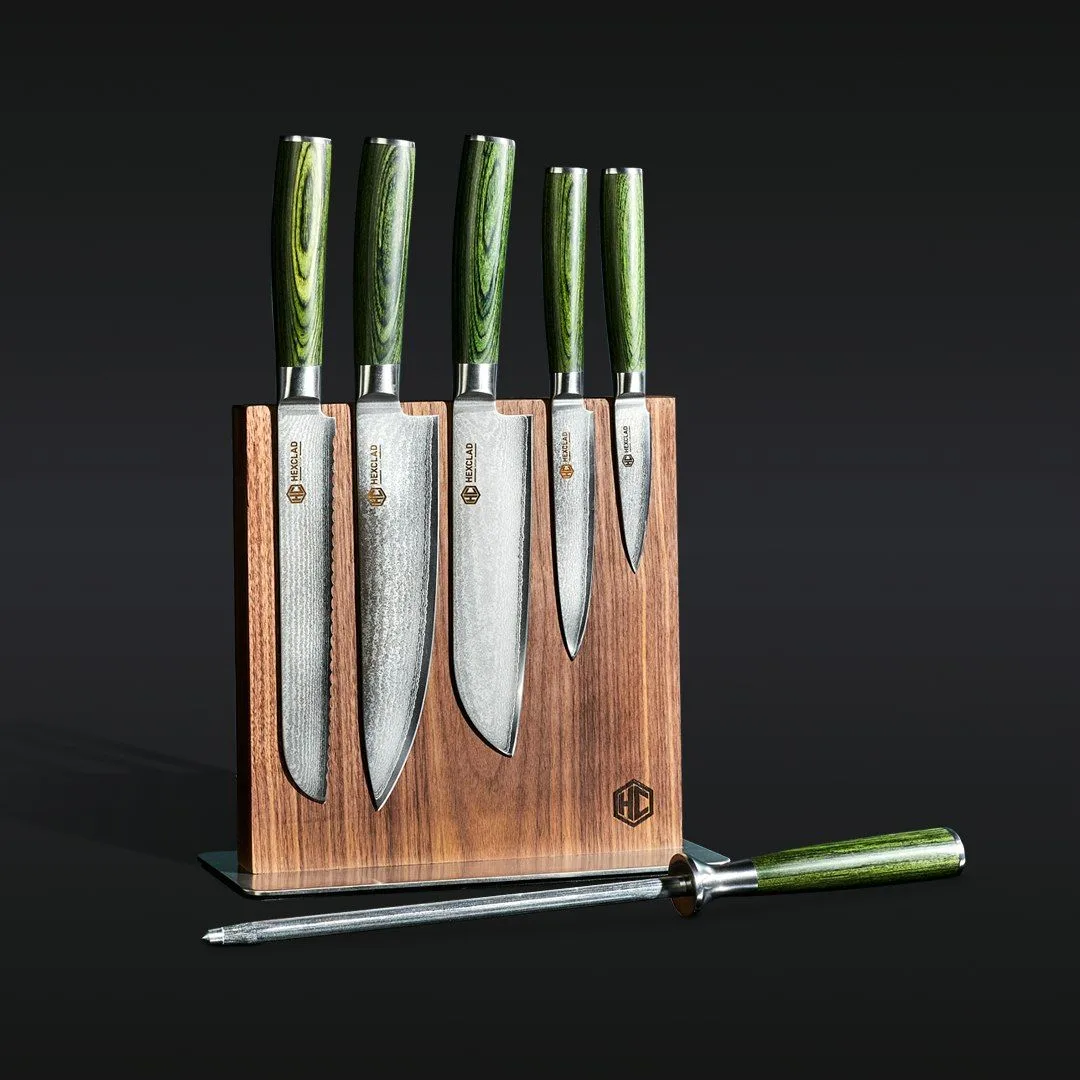
- Magnetic Knife Block, Walnut: Show your knives the respect they deserve with HexClad’s two-sided Magnetized Knife Block. Uniquely crafted using eco-friendly natural walnut, this free-standing block beautifully displays your knives while keeping them safely within reach. Industrial-strength magnetized strips embedded in the wood hold your knives firmly in place so you can spend less time rummaging and more time slicing and dicing. Proper storage is essential for any knife, but especially for Damascus steel blades that can be prone to scratching. A magnetic block keeps your blades safely separated and on display, making it a smart companion for a premium knife set.
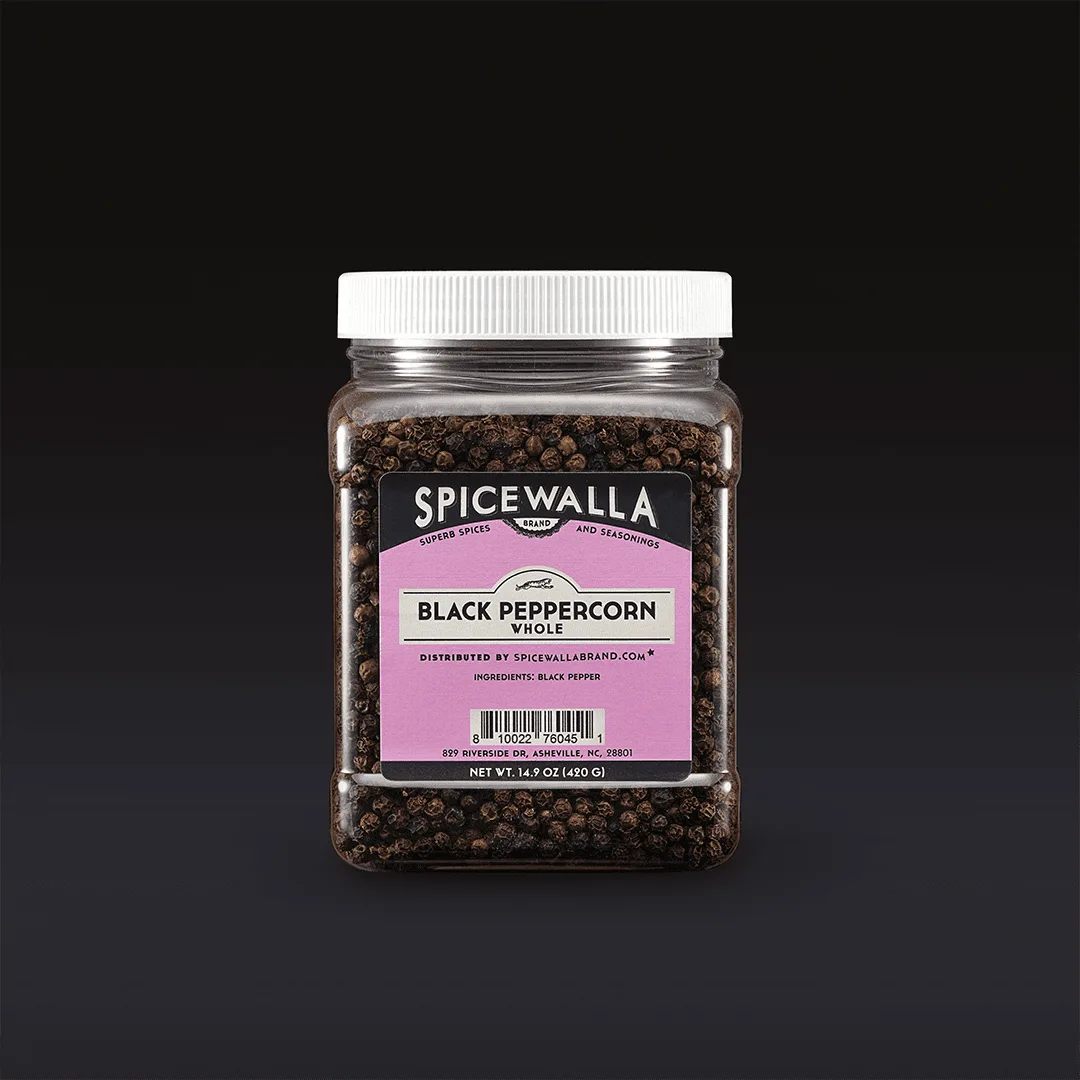
- Spicewalla: Black Peppercorn, Whole: The best peppercorns quickly become an integral part of your cooking routine. When these small, spiky berries are freshly ground, they release a rich, pleasantly spicy bite with hints of fruitiness. They add depth to cacio e pepe and are—along with salt—a stellar costar in fresh salads. A few grinds of these peppercorns enhance everything from a classic au poivre sauce to every pasta recipe you love. A sharp knife is only part of the equation. Freshly ground pepper elevates dishes, and a quality blade makes prep effortless. Pair your knife with fresh pantry staples to get the most out of your cooking.
Which Blade Fits Your Kitchen?
Best For
- Home cooks who prioritize low maintenance and rust resistance
- Budget-conscious shoppers who want reliable performance without a high price tag
- Those who prefer dishwasher-safe (though hand-washing is still recommended) and worry-free knives
Not For
- Culinary enthusiasts who want a unique, high-performance blade and are willing to hand-wash and dry immediately
- Collectors who appreciate the artistry of Damascus patterns and are prepared for the higher cost
Both Damascus steel and stainless steel knives have their place in the kitchen. Stainless steel offers convenience and affordability, while Damascus provides beauty and potential performance. Assess your cooking habits, maintenance tolerance, and budget to choose the blade that will serve you best for years to come.