Quick answer
Buy dark roast if you want smoky, chocolatey, low-acid coffee that stands up to milk and works in espresso or strong immersion brews. Buy medium roast if you want balanced sweetness, clearer origin flavors, and a forgiving cup in drip or manual brewing. If you brew both ways, keep one of each on the shelf.
How roast level changes what you taste
Roast level is the single biggest lever you control after you choose a coffee. Darker roasting pushes sugars toward bittersweet caramel and smoke, mutes acidity, and makes the bean's origin harder to detect. Medium roasting preserves more of the bean's natural sweetness and fruit or nut notes while still taming sharp acidity. Neither is better; they simply aim at different cups. If you already know you like milk drinks or bold, comforting coffee, dark roast is the safer bet. If you drink your coffee black and want to taste the difference between beans, medium roast gives you more to work with.
Match the roast to your brewing method
Your brewer matters as much as your taste. Espresso machines and AeroPress reward darker roasts because the concentrated, fast extraction cuts through smokiness and produces thick, syrupy shots. Medium roasts can work in espresso, but they demand more precision or they turn sour. For drip machines, pour-over, and French press, medium roast is the easier starting point: it extracts evenly across a wider range of temperatures and grind sizes. Dark roast in a drip brewer can taste ashy if you use water that is too hot or a grind that is too fine. A simple rule: dark roast for pressure and immersion, medium roast for gravity and filter.
Water and grind: the overlooked variables
Two less obvious factors decide whether your roast choice actually tastes good. First, water chemistry. Dark roasts and medium roasts extract differently, and using the wrong mineral profile can flatten either one. If you brew medium roast often, a water profile built for that roast range can reduce bitterness and sharpen flavor clarity. Second, grind. Dark beans are more brittle and produce more fines, so grind slightly coarser than you would for a medium roast at the same setting. Medium beans are denser and often need a touch finer grind to reach the same strength. Adjust one variable at a time, taste, then adjust again.
Freshness, storage, and how much to buy
Dark roasts stale faster than medium roasts because the longer roasting process leaves oils on the surface that oxidize quickly. Buy in amounts you will finish within three to four weeks of opening, and store beans in an airtight container away from light and heat. Medium roasts hold up a little longer but still decline noticeably after a month. If you drink one cup a day, a two-pound bag of dark roast is a reasonable monthly purchase; if you drink several cups, it may be closer to two weeks. Grind just before brewing whenever possible, and if you buy pre-ground, choose the grind that matches your brewer rather than a generic setting.
Decision rules: pick your roast in under a minute
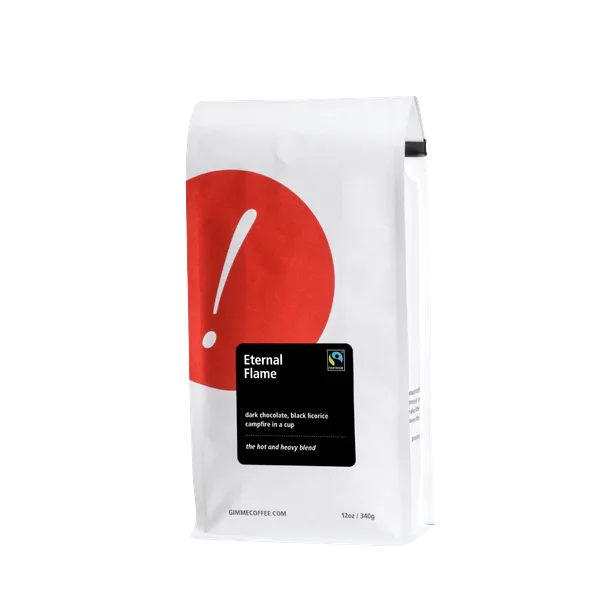
- You drink espresso or strong milk drinks: Choose a dark roast like Eternal Flame Fairtrade Dark Roast 2 lb. Its smoky, chocolatey profile holds up to pressure and milk without turning sour. Dark roast is the lower-risk choice for espresso.
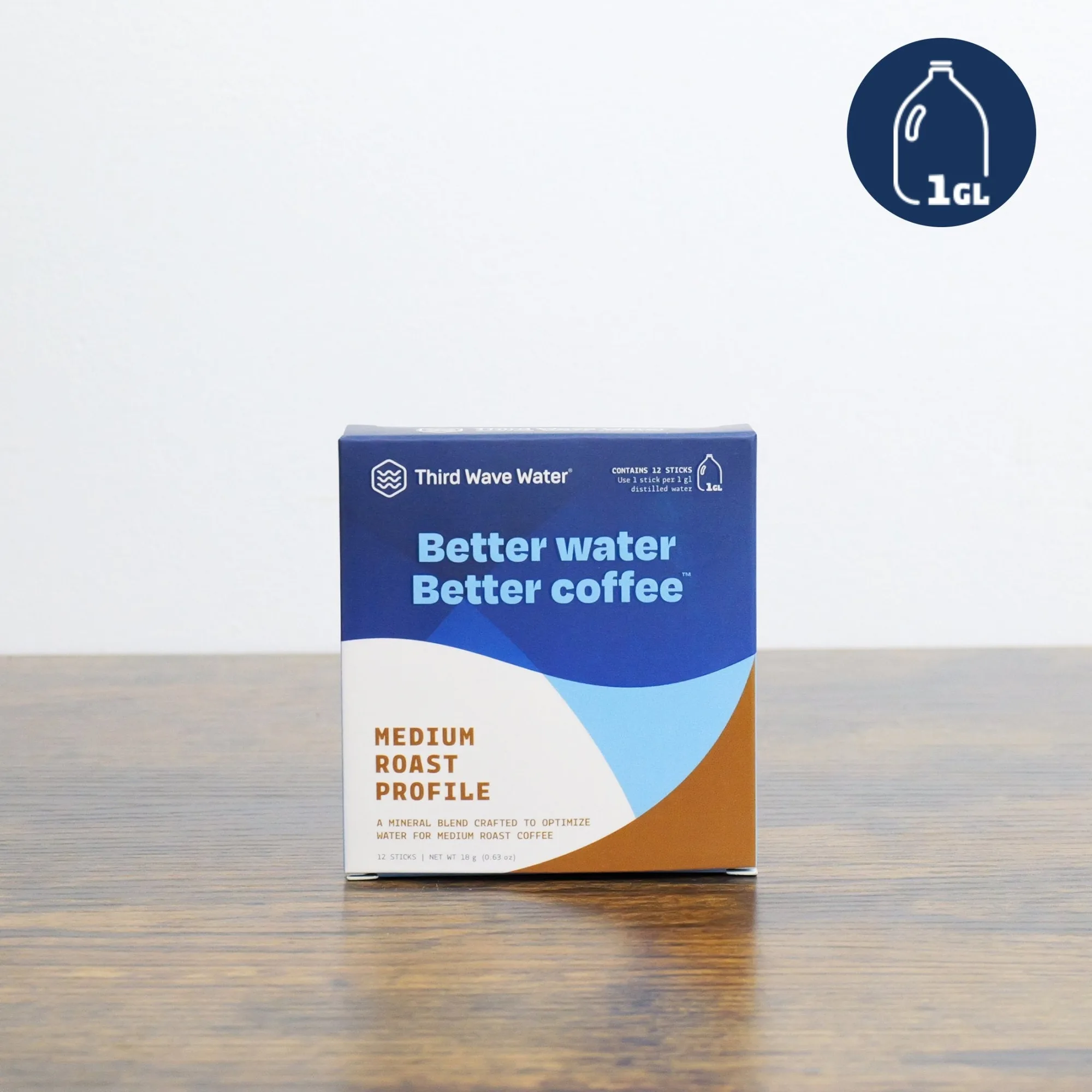
- You brew drip, pour-over, or AeroPress black: Start with a medium roast and pair it with a matching water profile such as Medium Roast Profile to keep bitterness low and flavor clear. Medium roast rewards simple brewing with more nuance.
- You want one bag that does everything: Buy a medium roast first. It is more forgiving across brewers, then add a dark roast later if you miss the heavier body. Medium roast is the safer single-bag purchase.
- You are unsure after reading this: Buy the smallest size available of each roast and brew them side by side with the same method and water. Your palate will decide faster than any guide. Taste test beats theory every time.
Two beans that show the difference
- Eternal Flame Fairtrade Dark Roast 2 lb: Eternal Flame Fairtrade Dark Roast 2 lb is described as rich and smoky with smooth chocolate notes and a hint of liquorice. A clear example of the dark-roast profile: low acidity, dessert-like sweetness, and enough body to stand up to milk or a strong AeroPress brew.
- Medium Roast Profile: Medium Roast Profile is water designed for medium roast coffees, recommended for drip brewers and manual methods like AeroPress, and positioned to reduce bitterness and enhance flavor. If you choose medium roast beans, this is the supporting purchase that helps you actually taste the balance you paid for instead of a flat or bitter cup.
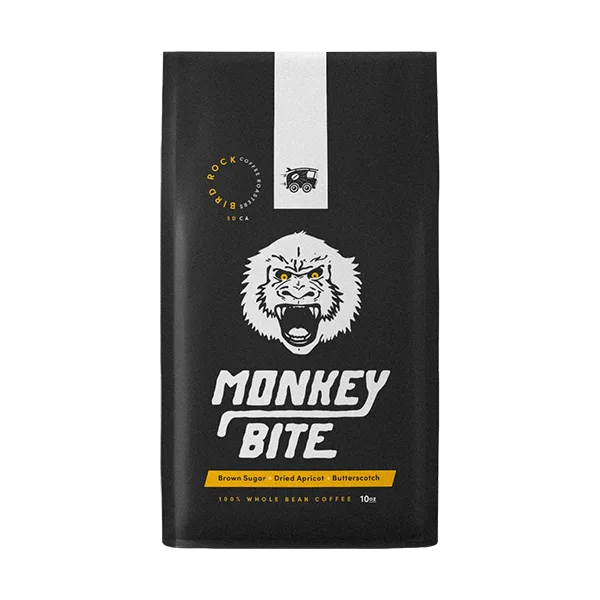
- Monkey Bite Espresso 10 oz: Monkey Bite Espresso 10 oz is roasted to excel through the espresso machine and carries brown sugar, butterscotch, and dried apricot notes. A darker-leaning option built for espresso, useful if you want a roast that works with or without milk and already performs under pressure.
Who should buy which roast
Best for
- Espresso and milk-drink drinkers who want bold, low-acid shots
- AeroPress users who prefer a heavy, syrupy cup
- Anyone who adds cream or sugar and wants the coffee to still taste like coffee
Not for
- Black-coffee drinkers chasing delicate origin notes and bright acidity
- Drip-brewer users who want a forgiving cup without changing grind or water
- Buyers who want one bag to cover every brewing method equally well