Quick answer
To fade dark spots, use a leave-on brightening product with vitamin C or niacinamide for the face, and a separate exfoliating or firming body product for the body, because facial skin and body skin tolerate different textures and strengths. Expect gradual change over weeks, not days, and pair any brightening routine with daily sunscreen or the spots will simply return.
Why face and body need separate dark spot products
Face skin is thinner and more reactive, so it usually does better with a lightweight leave-on formula you can layer under moisturizer or sunscreen. Body skin is thicker and covers larger areas, so it can handle a rinse-off polish or a richer treatment without the same risk of irritation. Shopping for one product to do both jobs usually means a texture that is too heavy for the face or too light for the body.
The practical rule: choose a targeted face product for concentrated spots, and a body product for overall uneven tone and rough texture. If a spot sits on your shoulders, back, or legs, treat it with the body product even if it looks like a facial spot.
Ingredients worth paying for, and what they actually do
Vitamin C is the most common brightening active for discoloration because it supports the look of more even tone while defending against daily environmental stress. Niacinamide appears in many facial treatments because it supports the skin barrier while improving the look of uneven tone. Peptides are not brighteners themselves; they support firmness and smoothness, which matters when spots sit on skin that also looks crepey or thin.
For the body, exfoliating acids such as PHA lift dead surface cells so the newer skin underneath looks more even, while butters and oils keep the process from turning drying. A body polish that combines exfoliation with firming ingredients does two jobs in one step, which is why it is often the better first purchase for body discoloration.
How to build a routine that does not backfire
Start with one brightening product, use it for three to four weeks, and only then add a second active. Layering too many acids, retinol, and vitamin C at once is the fastest way to get irritation that looks like new discoloration. If your skin stings, flakes, or turns red, stop the newest product first and let your skin settle before reintroducing anything.
Sunscreen is not optional. Without daily SPF, UV exposure keeps triggering the pigment you are trying to fade, so progress stalls no matter how good the product is. Apply sunscreen in the morning as the last step of your face routine, and reapply on exposed body areas if you are outside for long stretches.
What to check before you buy
Read the product description for the intended area and the format. A mist, a cream, and a polish are not interchangeable even when they share ingredients. Check whether the product is leave-on or rinse-off, because leave-on formulas have more contact time with the skin and are usually the better choice for a specific stubborn spot.
If a product listing does not state a concentration, treat that as a limitation rather than a selling point. You can still judge by format, intended skin type, and how the brand describes the product's role in a routine, but you cannot compare strength from a missing number.
Decision rules for choosing a dark spot product
- If the spots are on your face and your skin is not sensitive: Choose a leave-on face treatment with vitamin C or niacinamide and use it once daily before moisturizer. Give it four weeks before judging results. One targeted face product beats three layered actives.
- If the spots are on your body or your skin feels rough: Choose a body polish or body treatment with exfoliating acids plus vitamin C, and use it two to three times a week rather than daily. Body skin needs exfoliation and moisture together, not just a brightening serum.
- If your skin is sensitive, dry, or reactive: Start with a hydrating, barrier-supporting product and add a brightening active only after two weeks of calm skin. Skip strong exfoliants until your skin is stable. Calm skin first; brightening second.
- If the discoloration is around your eyes: Treat it as an eye concern, not a general dark spot concern, and choose a product formulated for the eye area rather than applying a face serum close to the lash line. Eye-area products are formulated for thinner skin and different causes of darkness.
- If you are not using sunscreen daily: Fix that before buying any brightening product. Without daily SPF, fading progress reverses with each unprotected exposure. Sunscreen is the non-negotiable step in any dark spot routine.
Products that fit specific dark spot situations
- Retinol Therapy • Renewing Hand Cream • PHA + Peptides: Retinol Therapy • Renewing Hand Cream • PHA + Peptides, 50ML, pairs PHA, Peptides, and Niacinamide to visibly renew dry, aging hands. Hands are one of the most common places for sun-driven spots and crepey texture, and this is a leave-on treatment built specifically for that area rather than a face product used off-label.
- C-Smooth • Hydra-Firm Body Polish • Vitamin C & E + Kakadu: C-Smooth • Hydra-Firm Body Polish • Vitamin C & E + Kakadu, 227 g, removes dead skin cells while infusing Mango and Shea Butters and double Vitamin C. This is the practical choice for uneven tone and rough texture on arms, legs, and shoulders, because it exfoliates and delivers vitamin C in one step instead of requiring two separate body products.
- Hydra-Repair • Aloe + Immortelle • Treatment Mist: Hydra-Repair • Aloe + Immortelle • Treatment Mist, 50ml, is formulated for mature, dry, or sensitive skin and pairs organic Aloe Vera Juice with Hyaluronic Acid. If your skin is too reactive for strong brightening actives, this mist adds hydration and comfort without the irritation risk, making it a safer base layer while you decide on a targeted treatment.
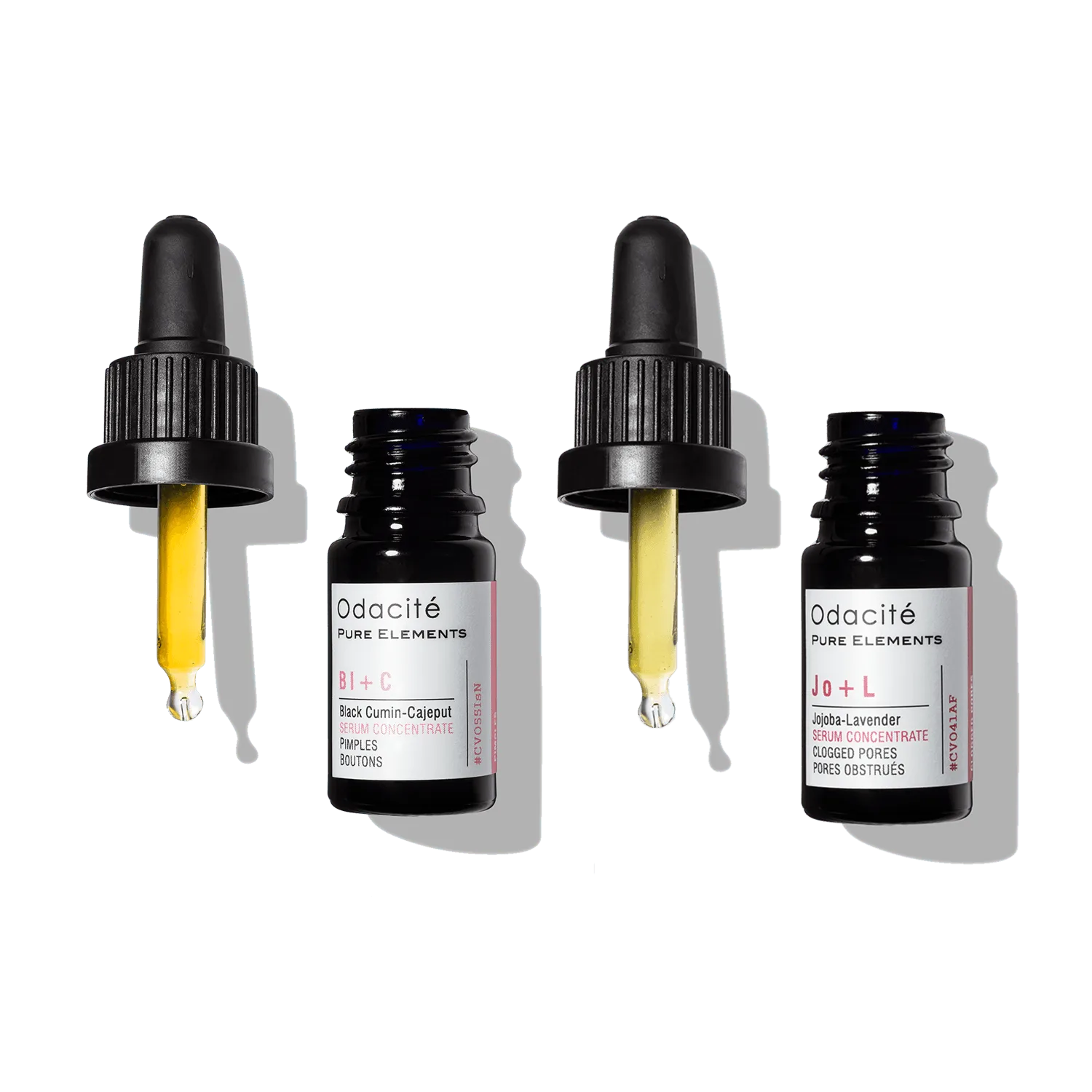
- Ageless Skin + Eye Contour Duo: Ageless Skin + Eye Contour Duo is a two-piece Serum Concentrate set designed to smooth the look of wrinkles while relieving the appearance of puffiness and dark circles. Dark circles are a different problem from sun spots, so this set is the right buy if the discoloration you want to address is around the eyes rather than across the cheeks or body.
Who this approach fits
Best for
- People with sun-driven dark spots or uneven tone on the face, hands, or body who want a realistic, step-by-step routine
- Shoppers deciding between a face brightening product and a body exfoliating product and unsure which to buy first
- Anyone with dry or mature skin who needs brightening without stripping or irritating the skin barrier
Not for
- Anyone looking for overnight results, since pigment change takes weeks of consistent use
- People with active rashes, open skin, or a diagnosed pigment condition who should follow a dermatologist's plan instead of a product routine
- Shoppers who will not use daily sunscreen, because brightening products cannot outwork unprotected UV exposure