Quick Answer
Most secondhand designer clothing myths fall apart when you look at the actual condition grades and measurements listed on each item. Used does not mean worn out, and pre-owned does not mean risky. Check the grade, read the measurements, and judge the piece on its real facts rather than the label.
If you have ever hesitated to buy pre-owned designer clothing because of something you heard, you are not alone. Rumors about hidden damage, fake authenticity, and poor quality circulate constantly, and they keep people from finding genuinely good pieces at fair prices.
The truth is simpler than the myths. When a reseller provides condition grades, measurements, and material details, you have more information than most retail tags ever give you. Here are the most common myths about buying used designer clothes, along with clear verdicts based on real catalog facts.
Myth: Used Means Worn Out
This is the biggest myth in secondhand luxury. A condition grade like Used_VeryGood or Used_Good describes cosmetic wear, not structural failure. A cotton tote bag graded Used_VeryGood can still have intact stitching and full measurements, while a hoodie in the same grade may show only minor surface wear.
The grade is a starting point, not a warning label. What matters more is whether the measurements fit you and whether the material suits your needs. A piece graded Used_Good may have visible signs of use but still offer years of wear. The grade tells you what to expect, not whether to walk away.
- Always read the condition grade before judging an item.
- Compare measurements to a piece you already own for the best fit check.
Myth: Pre-Owned Designer Items Are Always Overpriced
Resale pricing reflects condition, demand, and original retail, not a flat markup. A FENDI long wallet in gray leather listed at USD 74.95 against a comparison price of USD 149.90 shows how resale can undercut retail significantly when the item is graded Used_Good.
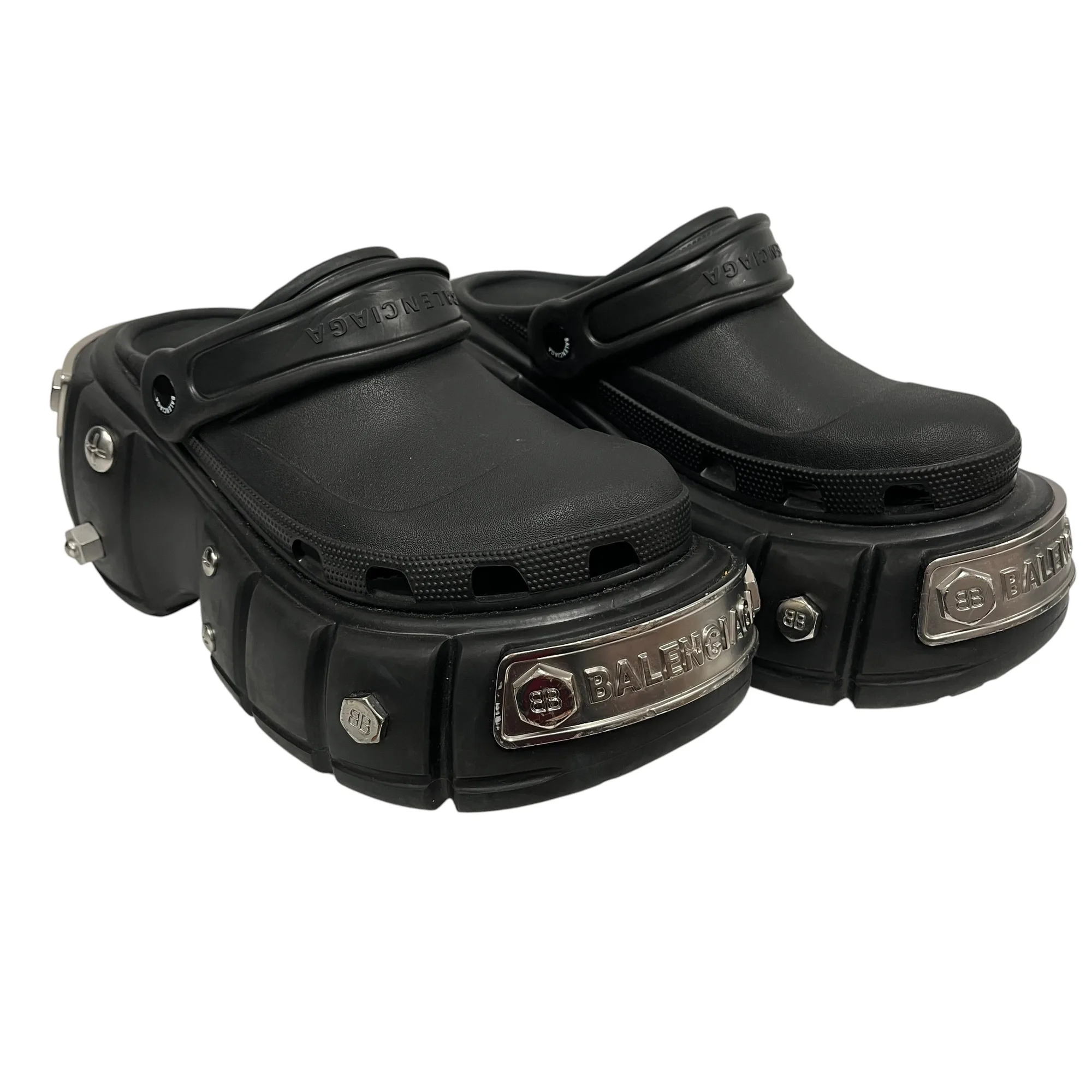
That said, not every piece is a bargain. A BALENCIAGA hard Crocs shoe in black at USD 299.95 against a USD 599.90 comparison reflects its size, material, and condition grade. The price is set by what the item actually is, not by the fact that it is secondhand. Judge each listing on its own numbers.
- Compare the catalog price to the comparison price to see the real discount.
- Remember that condition grade and material affect resale value.
Myth: You Cannot Trust the Measurements on Secondhand Listings
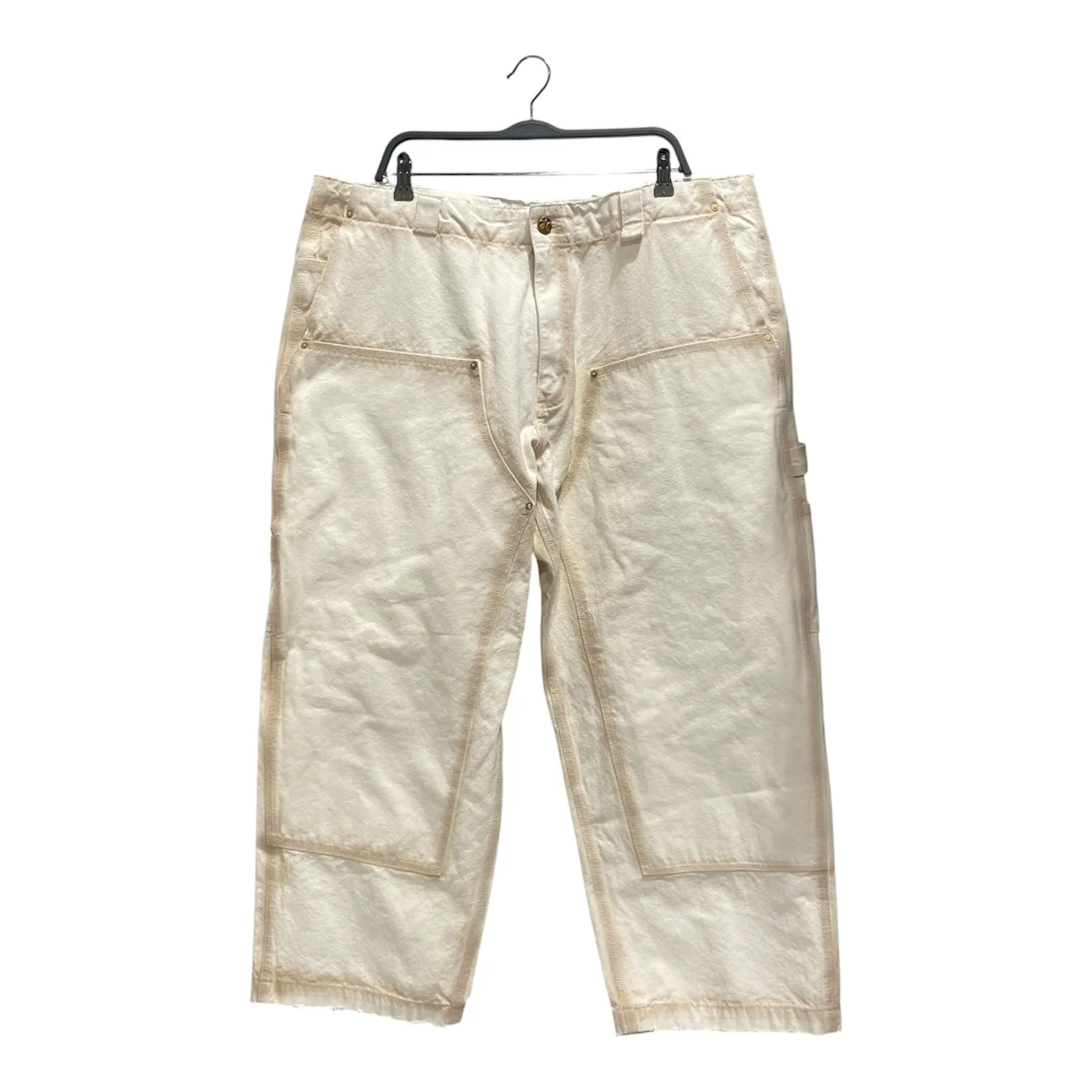
Reputable resellers measure garments flat and list those numbers directly. A WILLY CHAVARRIA carpenter pant in white cotton lists a 40-inch waist and 27-inch inseam, which is more precise than a generic size label like M or L. Those numbers let you decide before you buy.
The same applies to bags and accessories. A Christian Louboutin clutch bag lists a 10-inch width, 6-inch length, and 1-inch depth, giving you a clear sense of scale. If a measurement is missing, treat that as a gap in the listing, not proof that the item is flawed. Ask for it or move on.
- Measure a similar item you own and compare it to the listing.
- If a key measurement is absent, treat it as a decision limitation.
Myth: Secondhand Luxury Is Only for Vintage Collectors
Secondhand designer clothing covers everything from current-season streetwear to classic leather goods. A STUSSY cotton tote bag in brown with a 15-inch height and 25.5-inch width is a practical everyday carry, not a collector's trophy. A WARREN LOTAS all-over-print hoodie in multi cotton is casual wear you can rotate into a normal wardrobe.
The resale market is not a niche for archivists. It is a supply of real garments at different price points and conditions. You can buy used designer clothes for daily wear, travel, or work without treating them as museum pieces.
- Look for pieces that fit your actual routine, not just rare finds.
- Cotton totes and hoodies are low-risk entry points into resale.
Myth Verdicts at a Glance
- Used means worn out: Condition grades like Used_VeryGood and Used_Good describe cosmetic wear, not structural failure. A cotton tote or hoodie in these grades can still have full measurements and intact construction. Verdict: Myth. Read the grade, then judge the measurements.
- Pre-owned designer is always overpriced: Resale prices reflect condition, size, and material. A FENDI wallet at USD 74.95 against USD 149.90 shows real savings, while a BALENCIAGA shoe at USD 299.95 against USD 599.90 shows a smaller gap. Verdict: Myth. Compare the catalog price to the comparison price.
- Secondhand measurements are unreliable: Listings often include flat measurements like a 40-inch waist and 27-inch inseam on the WILLY CHAVARRIA carpenter pant, or a 10-inch width on the Christian Louboutin clutch bag. Verdict: Myth. Use the numbers; if one is missing, ask before buying.
- Resale is only for vintage collectors: Everyday pieces like the STUSSY cotton tote bag and the WARREN LOTAS all-over-print hoodie are practical wardrobe items, not archive-only finds. Verdict: Myth. Buy for daily wear, not just collection.
Real Catalog Facts That Bust the Myths
- FENDI/Long Wallet/Leather/GRY/L's/sellria continental: Gray leather continental wallet, Used_Good condition, approximately 7.5 inches wide by 4 inches high, catalog price USD 74.95 against a USD 149.90 comparison price. Shows that a Used_Good grade can still describe a functional, well-sized designer wallet at roughly half the comparison price.
- WILLY CHAVARRIA/Carpenter Pants/M/Cotton/WHT/Toluca Work Pant: White cotton carpenter pants, Used_VeryGood condition, waist 40 inches, inseam 27 inches, catalog price USD 139.95 against a USD 279.90 comparison price. Proves that secondhand listings can give exact waist and inseam numbers, so you are not guessing from a letter size.
- BALENCIAGA/Shoes/EU 41/BLK/Hard Crocs: Black hard Crocs in EU 41, material listed as Others, Used_Good condition, catalog price USD 299.95 against a USD 599.90 comparison price. Demonstrates that resale pricing tracks size, material, and grade rather than a blanket secondhand discount.
Secondhand designer clothing myths survive on vague fear, not facts. When a listing gives you a condition grade, measurements, and material, you have enough to make a confident decision. Start with the numbers, ignore the rumors, and let the actual piece earn your purchase.