For years, decaf coffee has been the misunderstood cousin of the coffee world. Many coffee lovers dismiss it as a bland, watery afterthought—a compromise for those who can't handle caffeine. But the truth is far more exciting. Modern decaffeination methods, combined with high-quality specialty beans, have transformed decaf into a rich, flavorful experience that can stand proudly alongside its caffeinated counterparts. Whether you're sensitive to caffeine, looking to enjoy a cup in the evening, or simply curious, it's time to give decaf a fresh look.
In this article, we'll bust the most persistent myths about decaf coffee, explore how decaffeination actually works, and show you how to find decaf beans that deliver on taste. We'll also highlight some standout products from Colonna Coffee that prove decaf can be a delicious choice.
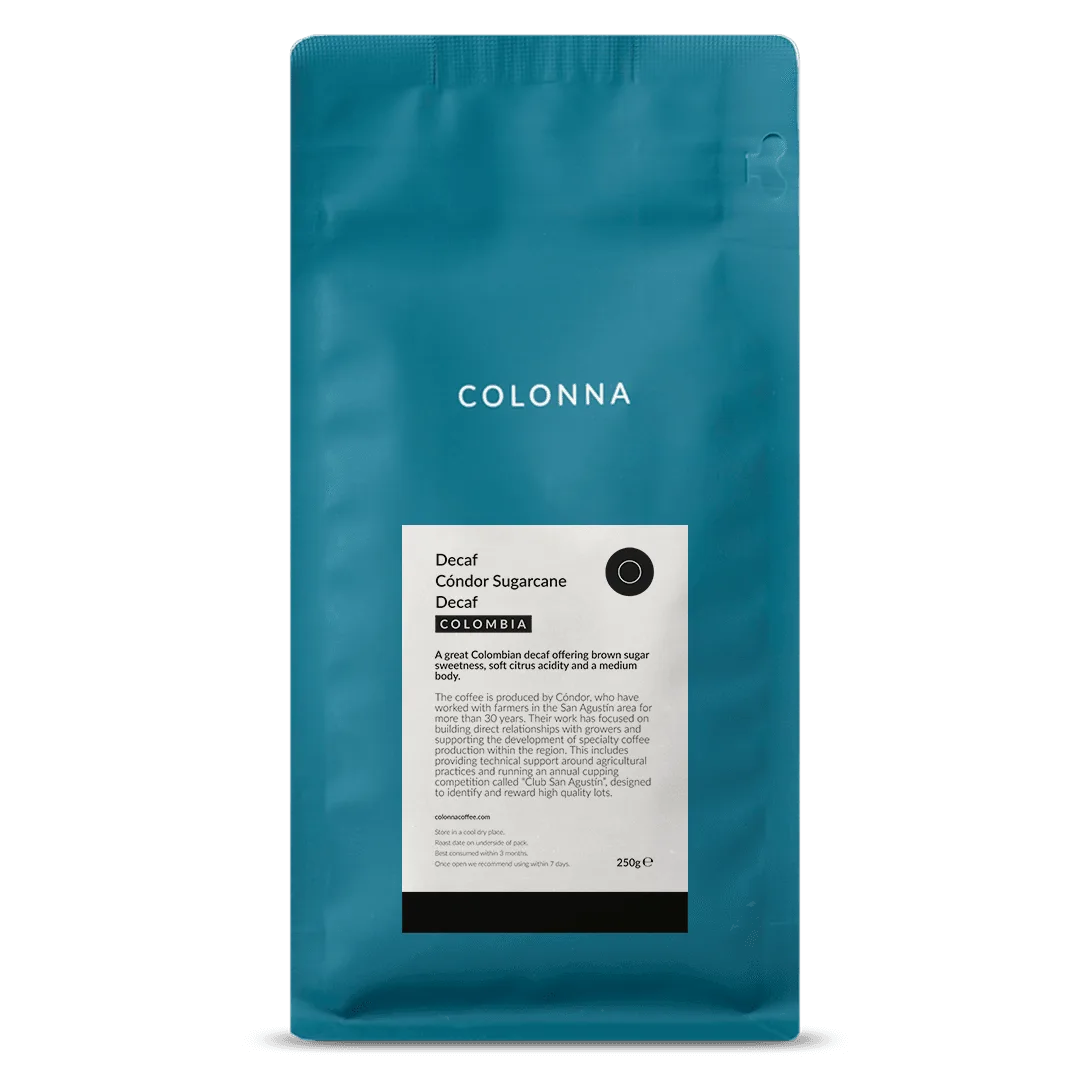
decaf beans
Myth #1: Decaf Coffee Has No Flavor
This is perhaps the most widespread myth, and it's easy to see why it persists. Many mass-market decaf coffees are made from low-quality beans that are roasted dark to mask defects, resulting in a flat, bitter cup. But specialty decaf is a completely different story. When roasters start with exceptional beans—like those from single origins or precise blends—and use gentle decaffeination methods, the resulting coffee can be vibrant, complex, and full of nuance.
Flavor in coffee comes from the bean's origin, processing, and roast profile, not from caffeine itself. A well-decaffeinated coffee can still carry notes of chocolate, fruit, nuts, or floral tones. The key is choosing decaf from a roaster that cares about quality from seed to cup. At Colonna Coffee, for example, the decaf options are sourced and roasted with the same precision as their regular offerings.
- Tip: Look for decaf described as 'Swiss Water Process' or 'CO2 Process'—these methods preserve more flavor compounds.
Myth #2: All Decaf Coffee Is Made with Chemicals
Many people assume that decaffeination involves harsh chemicals like methylene chloride or ethyl acetate, which can leave residues. While some commercial decaf does use these solvents, there are cleaner, more natural methods widely available today. The Swiss Water Process, for instance, uses only water to remove caffeine, relying on osmosis and activated carbon filters. Another method uses liquid carbon dioxide (CO2) to extract caffeine—a gentle, chemical-free process that retains the bean's delicate flavors.
These methods are not only safer but also produce a cleaner-tasting cup. When you buy specialty decaf from a reputable roaster, you can be confident that the decaffeination process has been carefully chosen to protect the bean's integrity. Always check the packaging or product description for details on the decaf method used.
- Tip: If you're concerned about chemicals, look for 'Swiss Water Process' or 'CO2 Decaf' on the label.
Myth #3: Decaf Coffee Is Completely Caffeine-Free
Strictly speaking, decaf coffee is not 100% caffeine-free. By law, decaf must have at least 97% of its caffeine removed (in the US) or 99.9% (in the EU). This means a typical cup of decaf still contains about 2–7 mg of caffeine, compared to 80–100 mg in a regular cup. For most people, this trace amount is negligible and won't affect sleep or anxiety levels, but it's worth knowing if you are extremely sensitive.
The important takeaway is that decaf offers a way to enjoy the ritual and taste of coffee without the stimulating effects. It's perfect for an evening espresso or a late-afternoon treat. You can brew it just like regular coffee—espresso, pour-over, French press—and the flavor will shine through.
Myth #4: Decaf Beans Are Lower Quality
This myth stems from the old practice of using cheap, defective beans for decaf production. However, the specialty coffee industry has flipped that script. Today, many roasters select their best lots for decaf because they know that the decaffeination process can be harsh on flavor. Only beans with strong, desirable characteristics can survive it and still taste great.
At Colonna Coffee, the commitment to quality extends to their decaf offerings. They source beans from renowned origins and roast them with the same care as their regular line. For example, you can find decaf options that are perfect for espresso or filter brewing, allowing you to enjoy a full-flavored cup anytime. Pair your decaf with a stylish vessel like the Rise Lowball Tumbler (280ml) for a complete experience—whether it's a morning ritual or a wind-down evening drink.
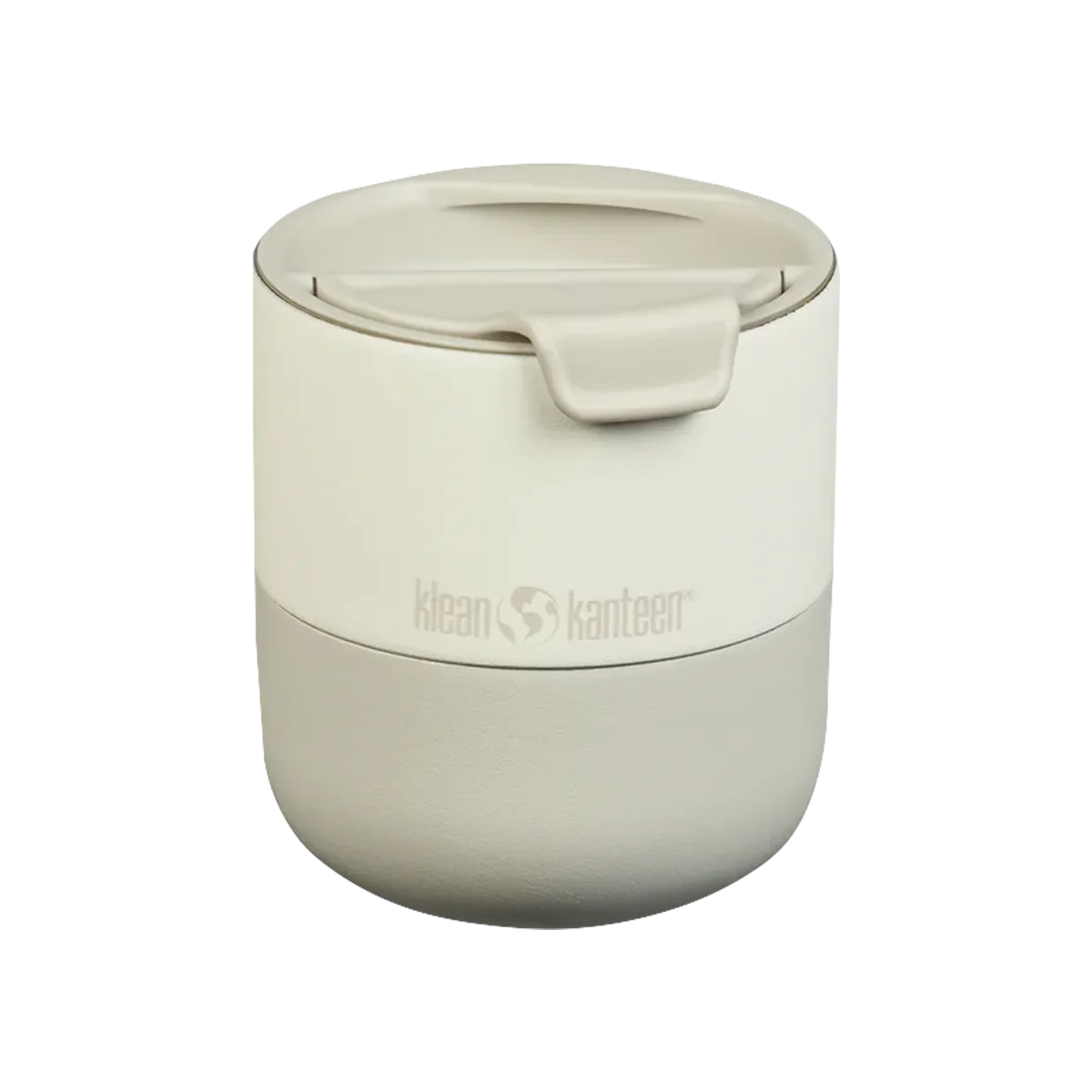
Rise Lowball Tumbler (280ml)
- Tip: Don't assume decaf is inferior—ask your roaster about the origin and processing of their decaf beans.
How to Brew the Best Decaf Coffee
Brewing decaf is very similar to brewing regular coffee, but there are a few nuances. Because decaf beans are more porous (the decaffeination process opens up the cell structure), they can extract faster. You may want to grind slightly coarser or use a slightly shorter brew time to avoid over-extraction and bitterness. For espresso, a finer grind and a slightly lower dose can help balance the shot.
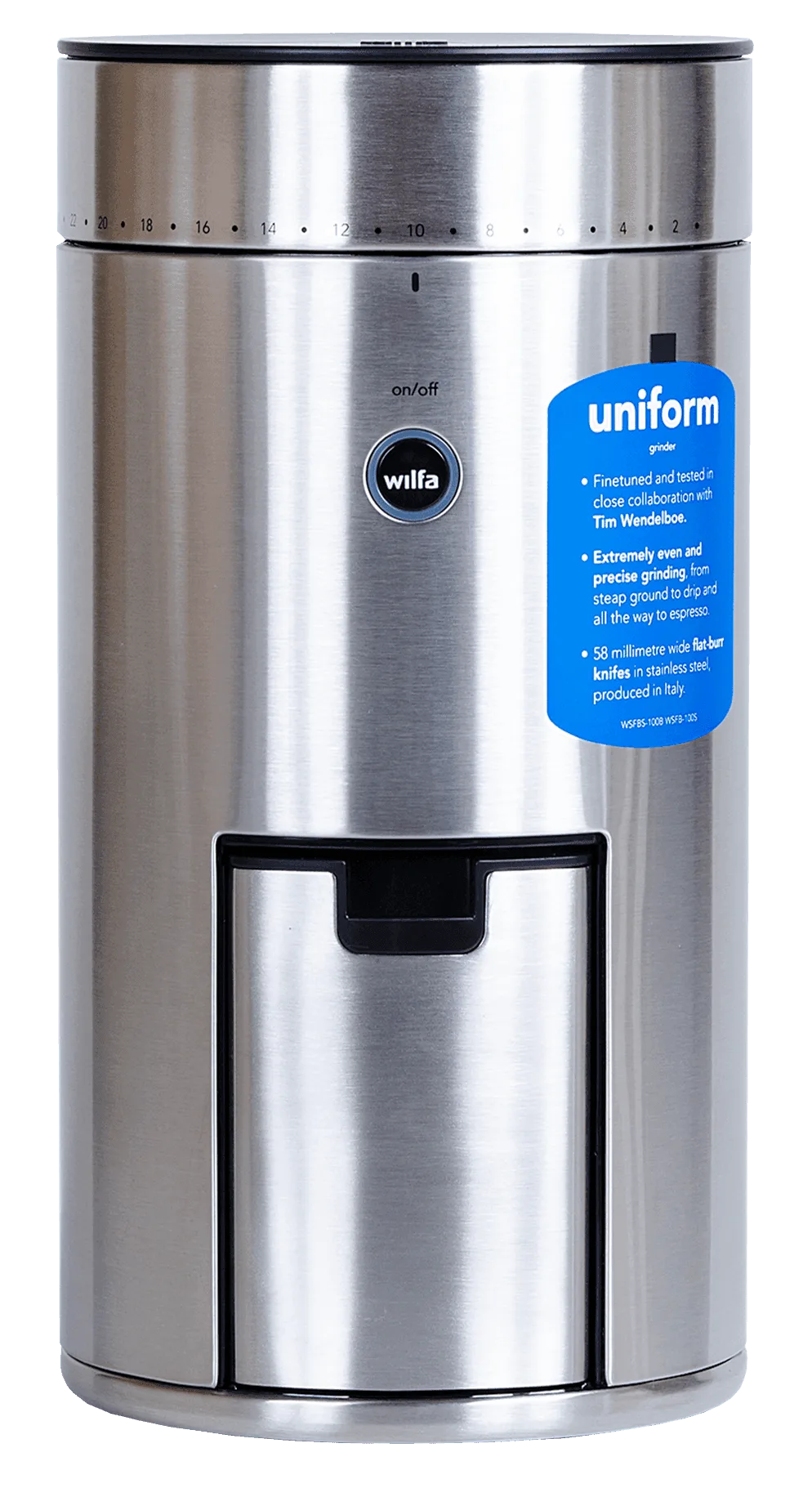
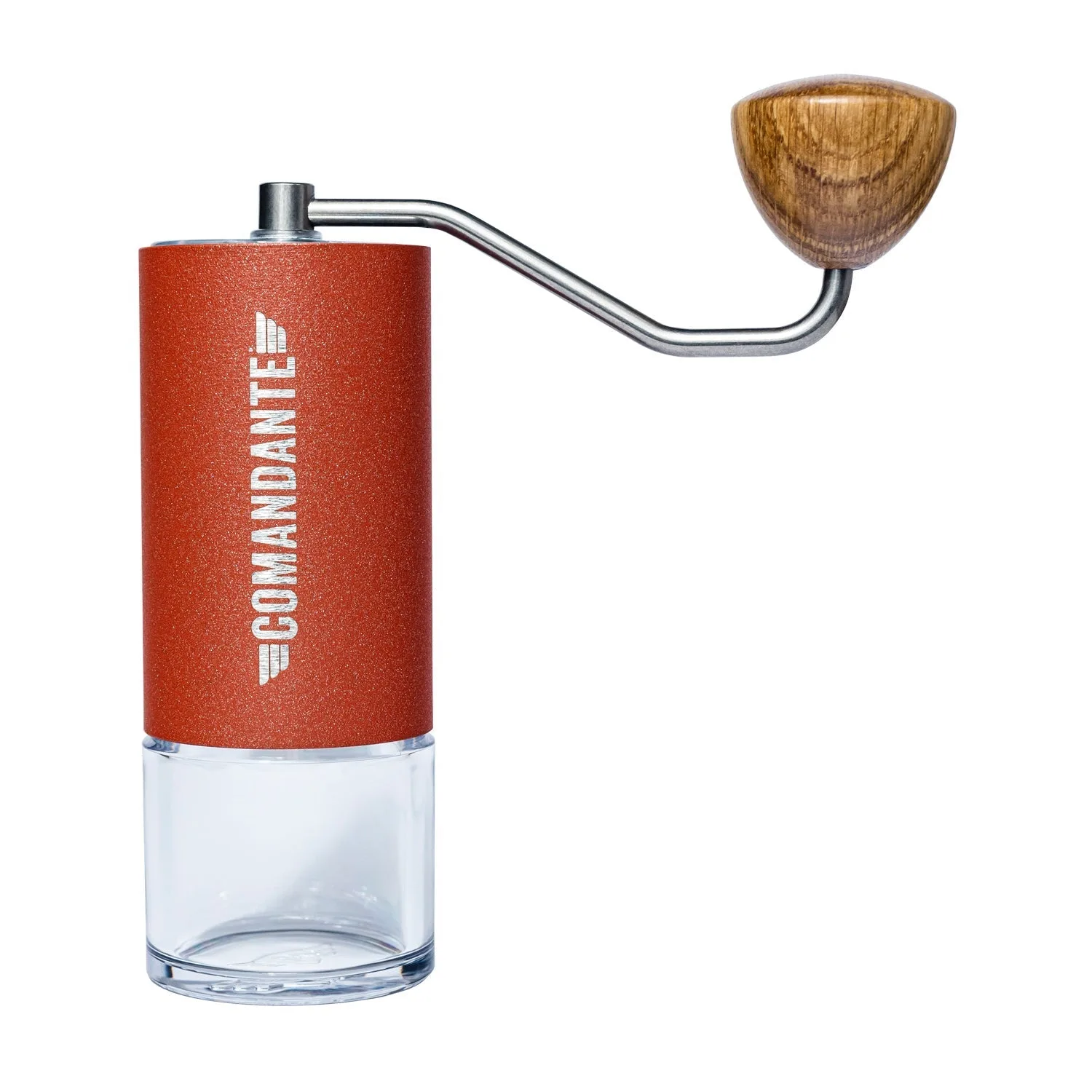
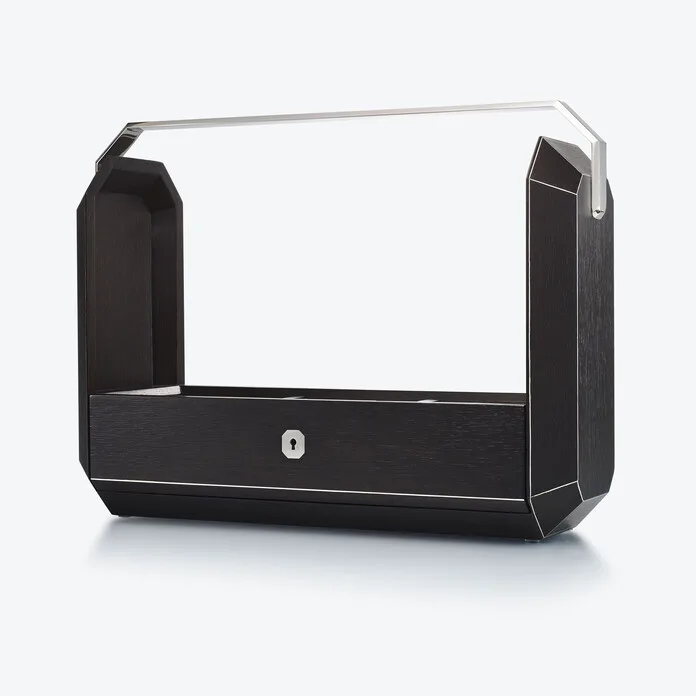
Experiment with your favorite brewing method—pour-over, Aeropress, or espresso machine—and adjust to taste. Decaf can be just as rewarding to dial in as regular coffee. And don't forget the accessories: a good grinder and a quality scale make all the difference. For those who love a clean, modern aesthetic, the trio-133606">TRIO set from Colonna Coffee offers a beautiful way to serve and enjoy your decaf brew.
- Tip: Use water just off the boil (around 93°C) to avoid scalding the delicate flavors of decaf beans.
Why You Should Try Specialty Decaf Today
The world of decaf has evolved far beyond the stale, lifeless cups of the past. With advancements in decaffeination technology and a focus on quality beans, specialty decaf offers a genuine coffee experience without the caffeine kick. It's perfect for anyone who loves the taste of coffee but wants to reduce their caffeine intake—whether for health reasons, pregnancy, or simply to enjoy a cup late in the day.
By choosing decaf from a trusted roaster like Colonna Coffee, you're supporting a culture of excellence and flavor. Don't let old myths hold you back. Explore the decaf section and discover a new favorite. And if you're looking for a thoughtful gift for a coffee lover who avoids caffeine, consider pairing a bag of specialty decaf with a Colonna Tote Bag—a practical and stylish way to carry their beans.
Decaf coffee has come a long way, and it's time to give it the respect it deserves. Whether you're a lifelong coffee enthusiast or someone new to the world of specialty coffee, decaf offers a world of flavor without the jitters. Explore Colonna Coffee's selection of decaf beans and accessories, and experience a cup that proves great taste knows no caffeine. Start your journey with a bag of their expertly roasted decaf—it might just change your mind forever.