For decades, decaf coffee has been unfairly labeled as bland, watery, or just plain boring. Many coffee lovers dismiss it as a compromise—a last resort for those who can't handle caffeine. But the reality is far more exciting. Thanks to modern decaffeination methods and the rise of specialty coffee, decaf has undergone a quiet revolution. Today's decaffeinated coffee can be just as complex, aromatic, and satisfying as its caffeinated counterpart.
In this article, we'll bust the most stubborn myths about decaf coffee. From flavor and caffeine content to health misconceptions and brewing tips, we'll give you the facts you need to appreciate decaf—whether you're avoiding caffeine for health reasons, pregnancy, or simply a good night's sleep.
Myth 1: Decaf Coffee Has No Flavor
One of the most persistent myths is that decaf is inherently flavorless. This belief stems from the early days of decaffeination, when harsh chemicals and high heat stripped beans of their delicate aromatics. But today, specialty roasters like Union Coffee source high-quality beans and use gentle decaffeination processes—such as the Swiss Water Process or CO2 method—that preserve the bean's original flavor profile. A well-roasted decaf can offer notes of chocolate, caramel, fruit, or even floral undertones.
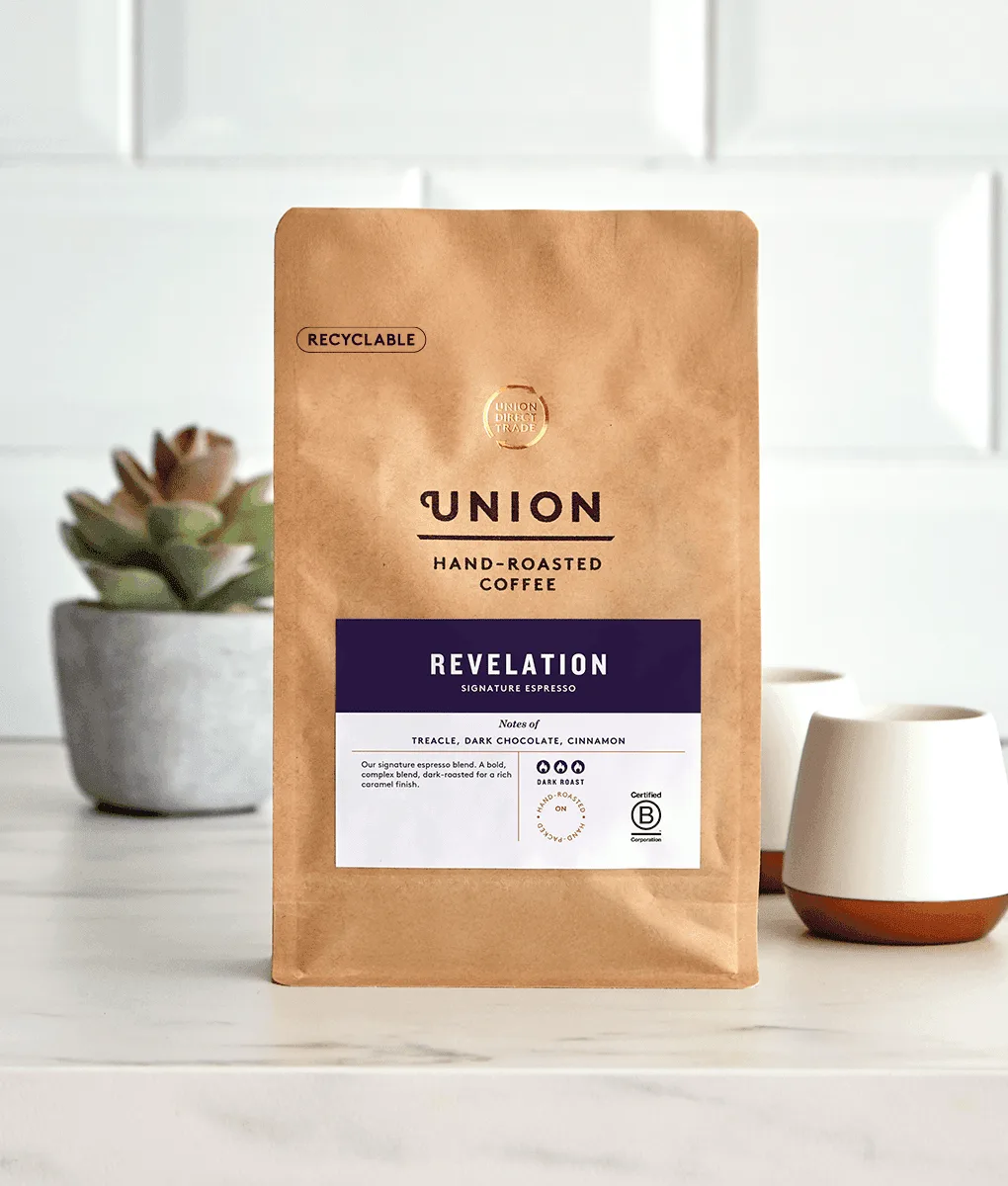
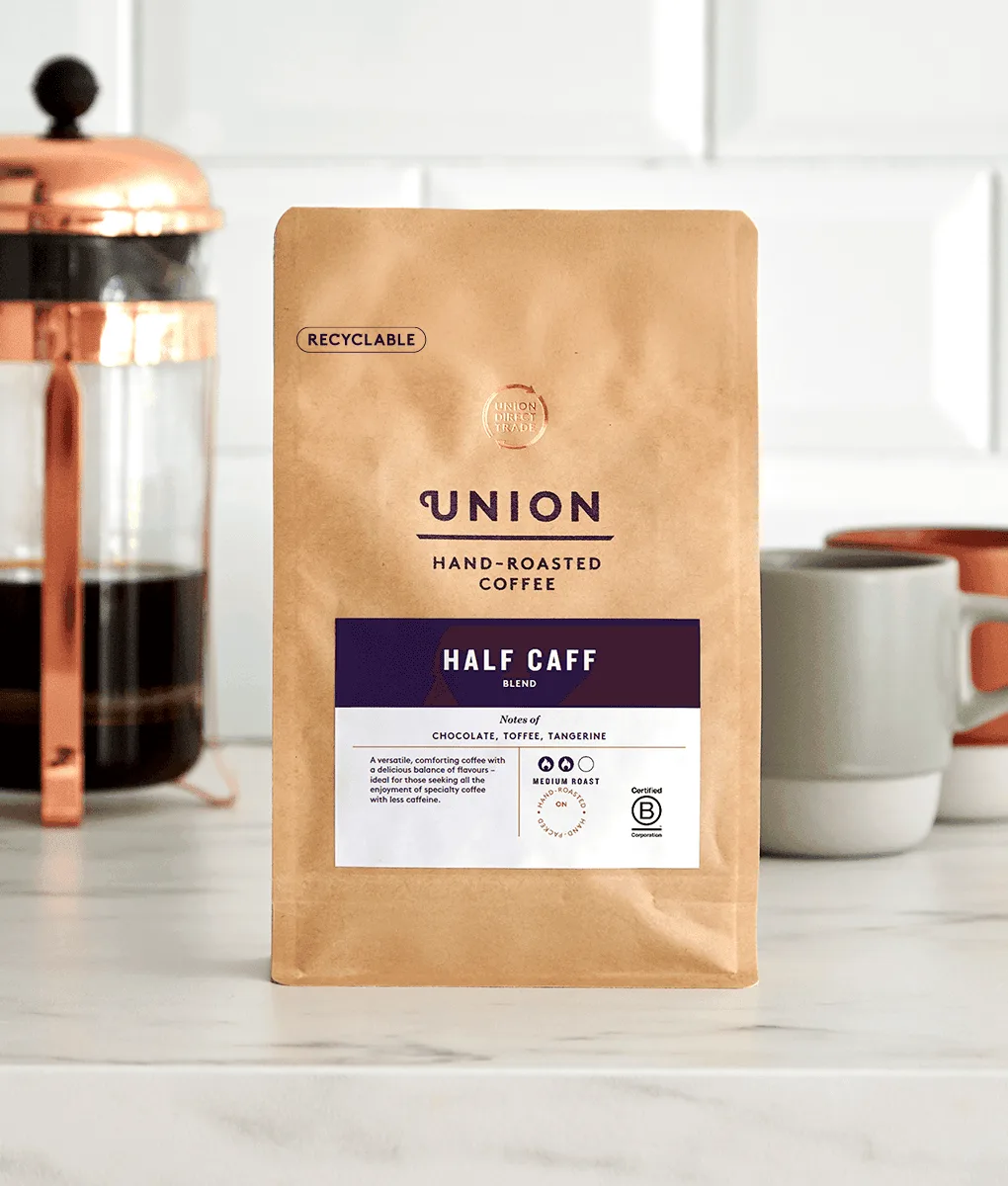
For example, our Decaf Blend is crafted from carefully selected beans that undergo a chemical-free decaffeination process. The result is a smooth, full-bodied cup with hints of cocoa and a clean finish. When brewed properly, it rivals any regular coffee in complexity. The key is freshness: just like caffeinated beans, decaf should be consumed within a few weeks of roasting to enjoy its full spectrum of flavors.
- Tip: For the best flavor, grind your decaf beans just before brewing using a quality grinder like the Hario Mini Mill, Hand Grinder.
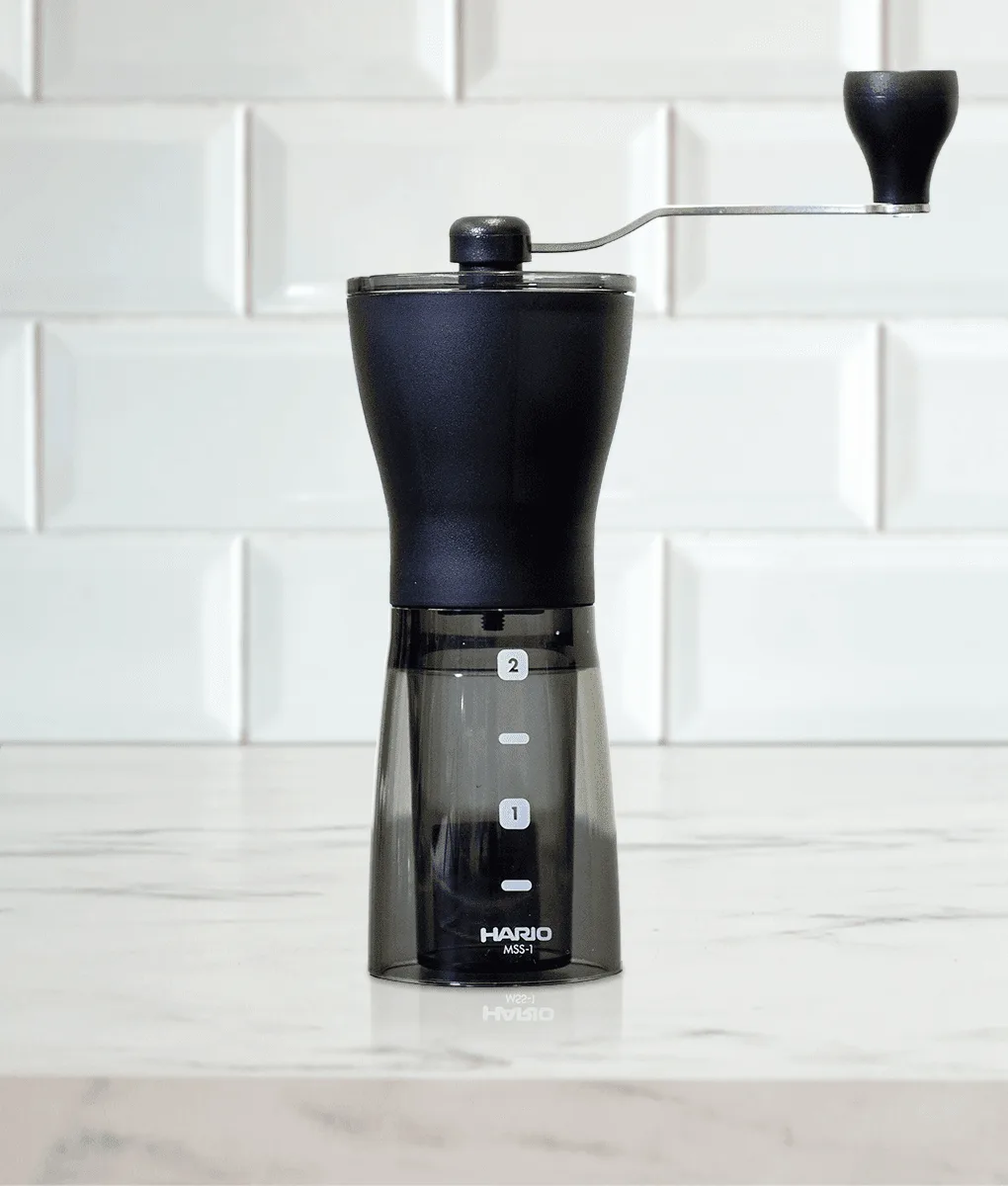
Hario Mini Mill, Hand Grinder
Myth 2: Decaf Contains No Caffeine at All
This is perhaps the most common misunderstanding. While decaf coffee has significantly less caffeine than regular coffee, it is not caffeine-free. In the United States, decaf must have at least 97% of its caffeine removed—meaning a typical 8-ounce cup contains about 2 to 5 milligrams of caffeine, compared to 80 to 100 milligrams in regular coffee. For most people, this trace amount is negligible, but those with extreme caffeine sensitivity should be aware.
The exact caffeine content depends on the bean variety, roast level, and brewing method. Light roasts tend to retain slightly more caffeine than dark roasts, and brewing methods like espresso or French press extract more caffeine than drip. If you're looking to minimize caffeine intake, pairing a decaf bean with a shorter brew time can help. Always check the label or ask your roaster for specifics—specialty decaf producers are transparent about their process.
- Tip: If you're extremely sensitive, opt for a Swiss Water Process decaf, which guarantees 99.9% caffeine removal.
Myth 3: Decaf Is Made with Harsh Chemicals
It's true that some mass-market decaf brands use chemical solvents like methylene chloride or ethyl acetate to strip caffeine. However, these chemicals are strictly regulated and are generally considered safe in trace amounts. But for many specialty coffee drinkers, the idea of chemical residue is unappealing. That's why roasters like Union Coffee prioritize non-chemical methods.
The Swiss Water Process is a popular chemical-free alternative: green beans are soaked in hot water to dissolve caffeine, then passed through a carbon filter that traps caffeine molecules while allowing flavor compounds to remain. The beans are then dried and roasted normally. Another method, the CO2 process, uses pressurized carbon dioxide to extract caffeine—again, without chemicals. These methods ensure that your decaf cup is pure and clean, with no unwanted additives.
- Did you know? The Swiss Water Process was invented in the 1930s and has been refined to preserve up to 99% of the bean's original flavor.
Myth 4: Decaf Is Only for People Who Can't Handle Caffeine
While decaf is a great choice for those with caffeine sensitivity, high blood pressure, or pregnancy, it's also enjoyed by many coffee aficionados who simply want a late-afternoon or evening cup without disrupting sleep. Decaf allows you to savor the ritual of coffee—the aroma, the brewing process, the taste—without the stimulant effects. It's also a fantastic base for coffee cocktails, affogatos, or baking recipes where you want coffee flavor without caffeine.
At Union Coffee, we offer a range of decaf options, from single origins to blends. Our Decaf, Twin Pack gives you two different decaf experiences in one purchase, perfect for exploring the variety of flavors decaf can offer. Whether you're a full-time decaf drinker or just curious, there's no shame in choosing decaf—it's simply another way to enjoy coffee.
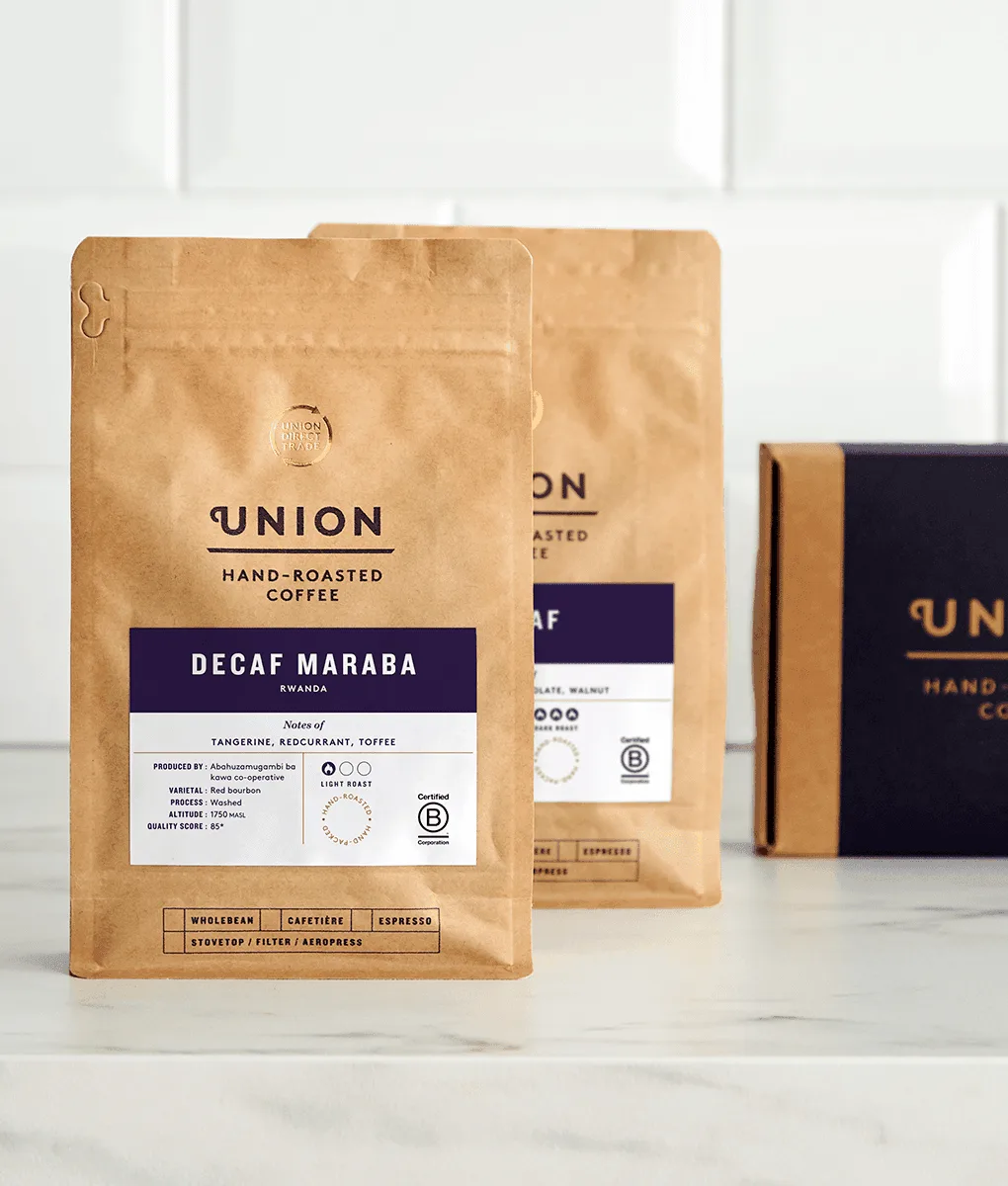
Decaf, Twin Pack
- Tip: Try brewing decaf with a Chemex Brewer, 6-cup for a clean, bright cup that highlights subtle flavor notes.
Myth 5: Decaf Coffee Is Bad for Your Health
Some people worry that decaf is less healthy than regular coffee, but the opposite is often true. Decaf retains most of the beneficial antioxidants found in coffee beans, such as chlorogenic acid, which has anti-inflammatory and neuroprotective properties. Studies have shown that decaf consumption is linked to reduced risk of type 2 diabetes, liver disease, and even certain cancers. The only major difference is the absence of caffeine's stimulating effects.
Of course, any coffee—caffeinated or not—should be enjoyed in moderation. Excessive consumption can lead to digestive issues or interfere with nutrient absorption. But for most people, 2-3 cups of decaf per day is perfectly safe and may even offer health benefits. As always, choose high-quality, freshly roasted decaf to avoid any off-flavors or stale oils that can develop over time.
- Tip: Store your decaf beans in an airtight container away from light and heat to preserve freshness and antioxidants.
How to Brew Decaf Coffee for Maximum Flavor
Brewing decaf is similar to brewing regular coffee, but there are a few nuances. Because decaf beans are more porous (due to the decaffeination process), they extract flavors more quickly. To avoid bitterness, use a slightly coarser grind and a water temperature around 195-200°F (90-93°C). Also, consider a shorter brew time—for pour-over, aim for 2.5 to 3 minutes instead of 3 to 4.
A digital scale like the Brew Scale, digital can help you achieve consistency. For a clean, bright cup, try the Aerobie AeroPress, coffeemaker, which allows precise control over brew time and pressure. Alternatively, a Chemex Brewer, 6-cup produces a crisp, tea-like body that lets delicate flavors shine. Experiment with different methods to find your favorite—decaf is just as versatile as regular coffee.
- Quick guide: Use 1:16 coffee-to-water ratio, grind medium-coarse, and aim for a total brew time of 2:30-3:00 minutes for pour-over.
Decaf coffee has come a long way from its bland reputation. With modern decaffeination methods and a focus on quality, today's decaf offers rich flavor, health benefits, and the joy of coffee without the jitters. Ready to explore the world of specialty decaf? Check out our Decaf Blend for a smooth, satisfying cup that proves decaf can be delicious. Happy brewing!