Decaf coffee often gets a bad rap. Many specialty coffee enthusiasts dismiss it as a bland, lifeless alternative to the real thing. But the truth is far more interesting. Modern decaffeination methods have evolved dramatically, and today's best decaf beans can deliver a cup that rivals—and sometimes even surprises—the most discerning palate. Whether you're cutting back on caffeine for health reasons, sensitive to its effects, or simply want a late-night espresso without counting sheep, decaf deserves a place in your coffee routine.
In this article, we'll separate fact from fiction, explore the science behind decaffeination, and share practical tips for brewing decaf that tastes anything but ordinary. Along the way, we'll highlight how specialty roasters like Assembly Coffee are elevating decaf to new heights, proving that going caffeine-free doesn't mean sacrificing flavor.
Myth #1: Decaf Coffee Has No Caffeine at All
One of the most persistent myths is that decaf is completely caffeine-free. In reality, decaffeination removes about 97% of the caffeine content, leaving a trace amount—typically 2 to 5 milligrams per 8-ounce cup compared to 80–100 mg in regular coffee. For most people, this residual caffeine is negligible, but it's worth noting if you're extremely sensitive or advised to avoid caffeine entirely. The key takeaway: decaf is not zero-caffeine, but it's close enough for virtually everyone to enjoy without the jitters.
The decaffeination process itself is a fascinating blend of chemistry and craftsmanship. Common methods include the Swiss Water Process (using pure water and carbon filters), solvent-based methods like ethyl acetate or methylene chloride, and carbon dioxide extraction. Each method affects flavor differently. The Swiss Water Process, for instance, is prized for preserving the bean's original character, while CO2 extraction is highly selective and efficient. Specialty roasters often choose beans that can withstand these processes without losing their nuanced flavor notes.
- Tip: When shopping for decaf, look for beans that specify the decaffeination method—transparency is a hallmark of quality roasters.
Myth #2: Decaf Always Tastes Bad
This myth stems from the early days of decaf, when aggressive processing and low-quality beans produced a flat, cardboard-like cup. Today, specialty coffee roasters source exceptional green beans specifically for decaf, often choosing high-altitude, dense beans that retain their sweetness and acidity through the decaffeination process. The result is a brew that can feature bright fruit notes, chocolatey undertones, and a clean finish—just like its caffeinated counterpart.
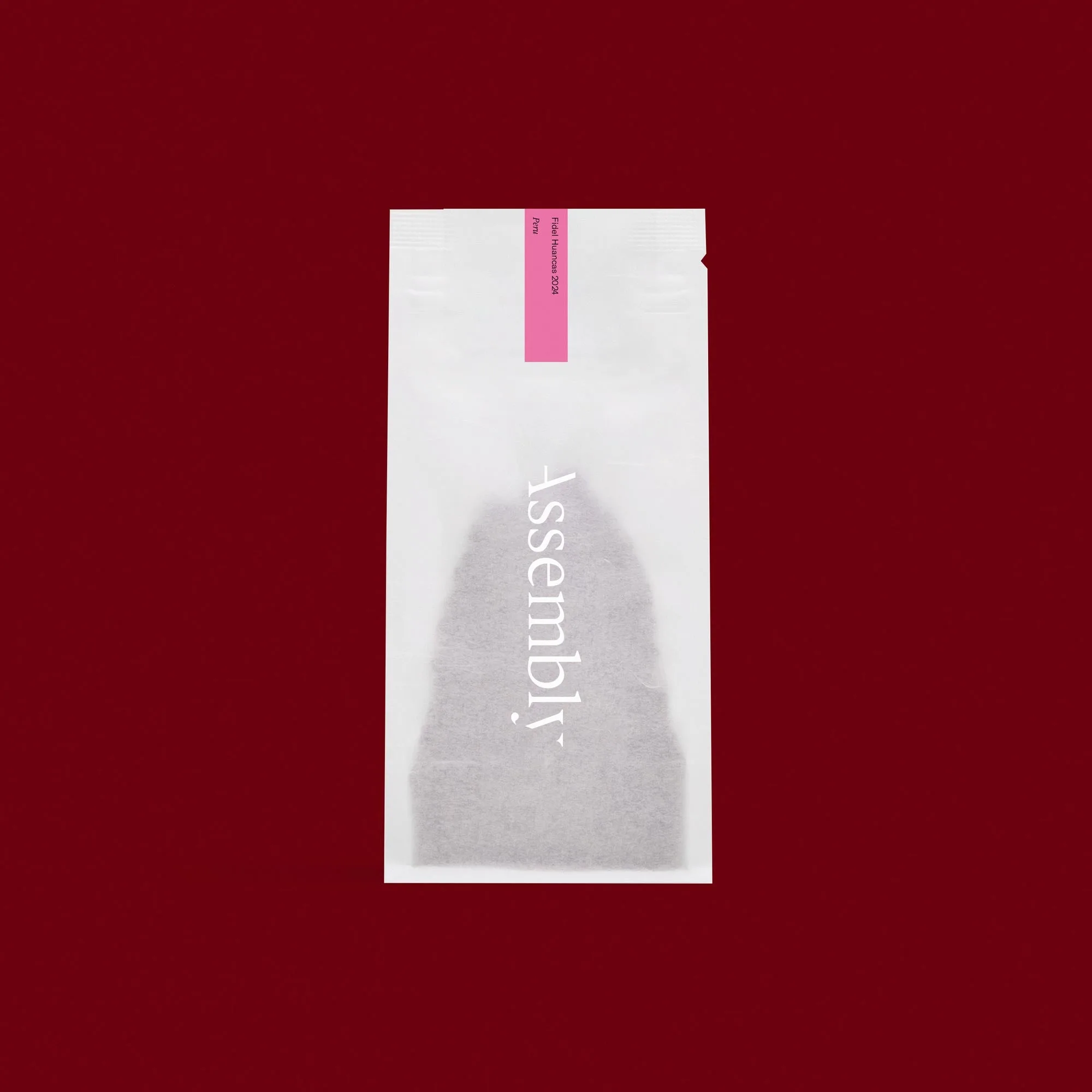
Take, for example, the Colombia — Linarco Rodriguez Honey Geisha (50g Sample) (Gift) from Assembly Coffee. While not a decaf itself, it illustrates the kind of meticulous sourcing that also applies to top-tier decaf offerings. The same care goes into selecting beans like the Colombia — Jhoan Vergara Chiroso 50g Sample, which showcases how single-origin, micro-lot coffees can shine even after decaffeination. The secret lies in the roast: decaf beans roast slightly differently due to their altered density, and skilled roasters adjust profiles to unlock maximum flavor.
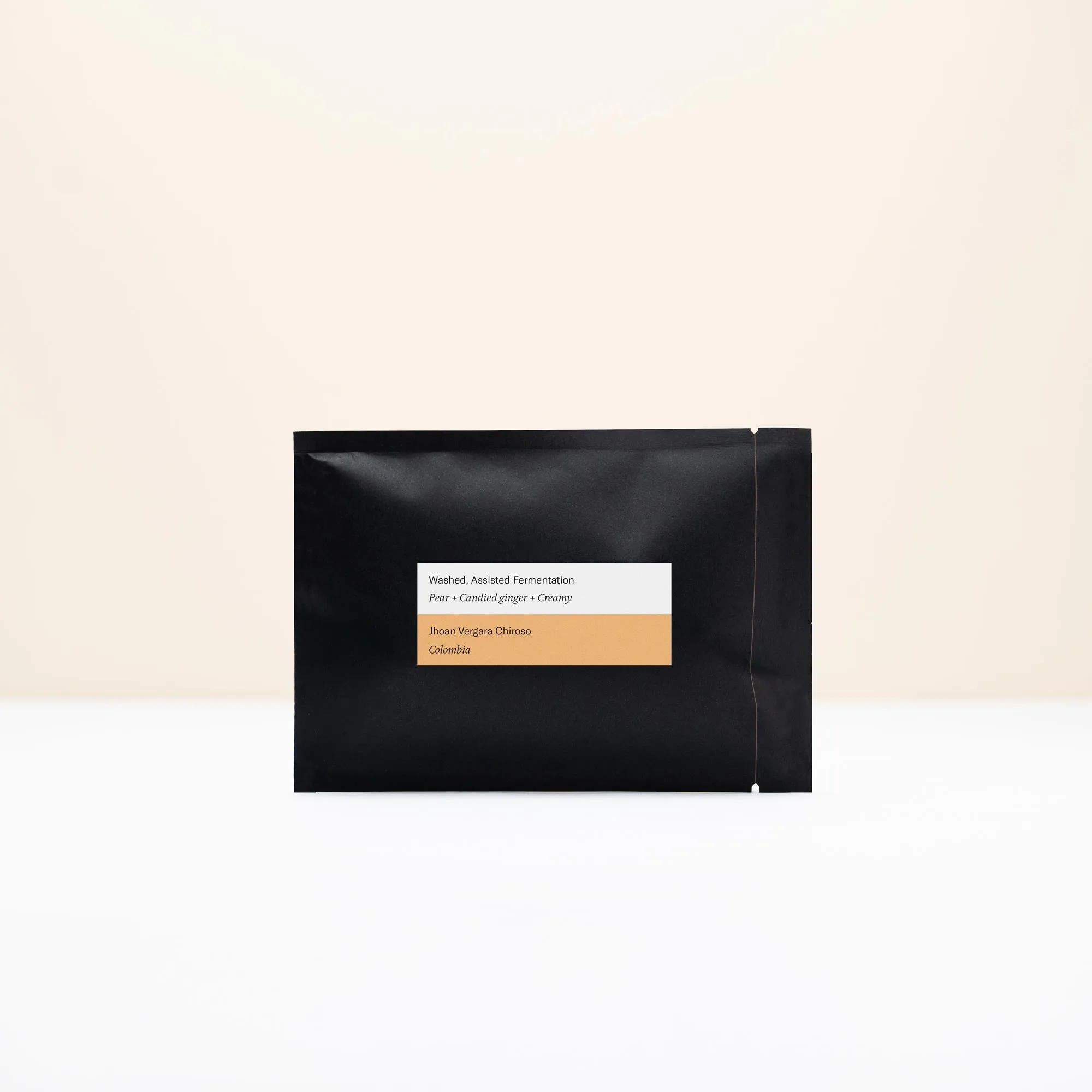
Colombia — Jhoan Vergara Chiroso 50g Sample
- Tip: Try a light roast decaf from a trusted roaster—you might be surprised by the floral and fruity notes that emerge.
Myth #3: Decaf Is Only for People Who Can't Handle Caffeine
While it's true that many people choose decaf for health reasons—pregnancy, anxiety, or medication interactions—it's also a choice made by coffee lovers who want to enjoy a cup at any hour without disrupting sleep. Decaf opens up the possibility of an evening espresso, a post-dinner latte, or a second cup in the afternoon without the risk of a sleepless night. In fact, some of the most passionate home baristas keep a dedicated decaf bean in their rotation for precisely this reason.
Brewing decaf well requires a few adjustments. Because decaf beans are more porous (a result of the decaffeination process), they extract faster and can become over-extracted if you're not careful. Use a slightly finer grind than you would for regular coffee, and consider a lower water temperature—around 195°F (90°C) instead of 200°F (93°C). Equipment like the Fellow Prismo for AeroPress can help you dial in pressure and brew time for a balanced cup. The AeroPress itself is a forgiving brewer that works beautifully with decaf, producing a clean, full-bodied result.
- Tip: For a quick evening brew, try an AeroPress with decaf beans—it's fast, easy, and yields a rich, smooth cup.
Best Practices for Brewing Decaf at Home
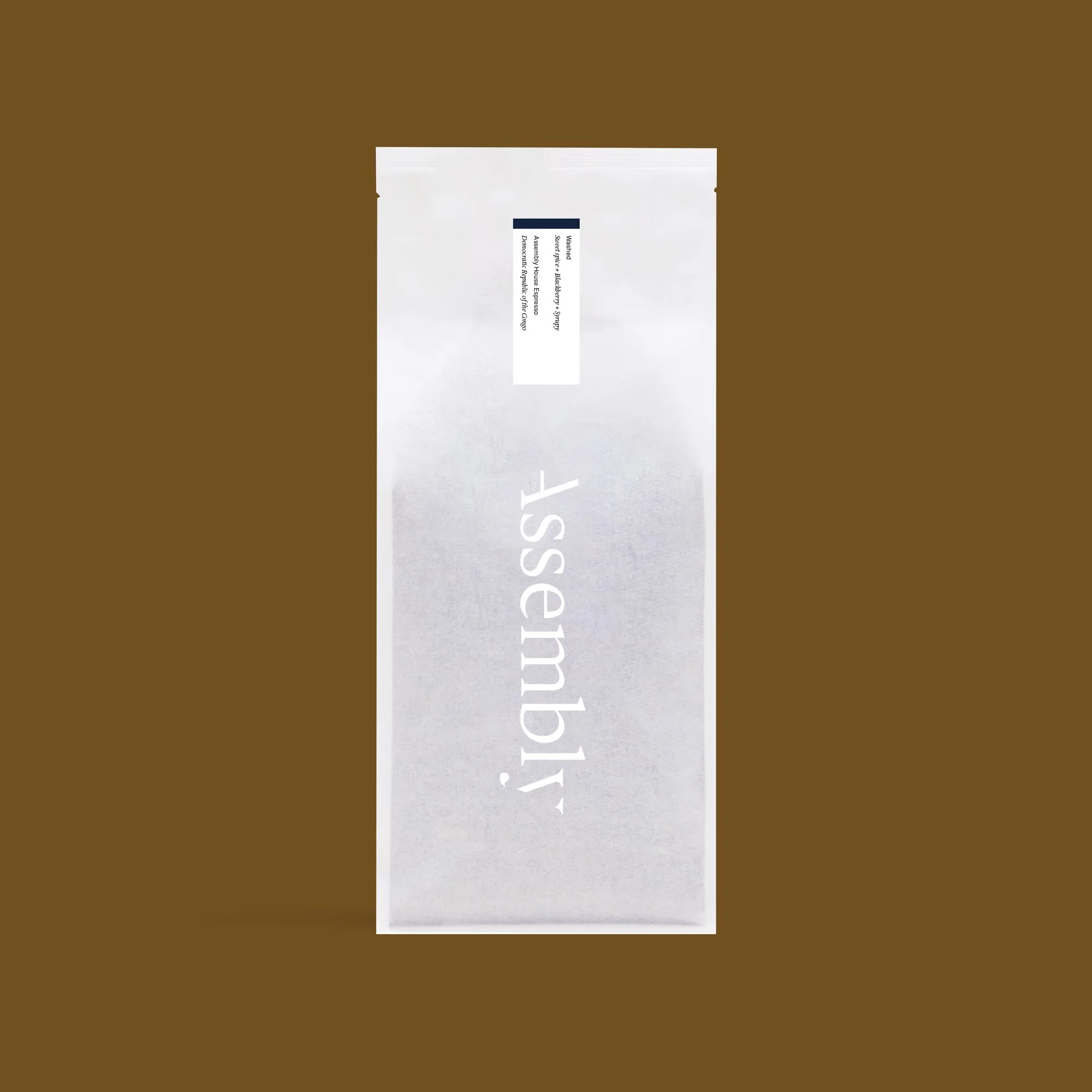
To get the most out of your decaf beans, start with freshness. Decaf coffee stales faster than regular coffee because the decaffeination process opens up the bean's structure, allowing oxygen to degrade flavors more quickly. Buy whole beans in small batches (like the DR Congo — Sopade Best of Congo 104 (50g Sample Bag)(Gift) or the Brazil — 256 Sivanius Kutz (50g Sample Bag)) and grind just before brewing. Store beans in an airtight container away from light and heat, and aim to use them within two to three weeks of roasting.
When it comes to brewing methods, pour-over and immersion techniques tend to work well. The Kalita Wave — Filter Papers are excellent for a pour-over setup, as the wave-shaped filters promote even extraction and reduce channeling. For immersion, a French press or AeroPress can produce a full-bodied cup that highlights the bean's natural sweetness. Experiment with your ratio: start with a 1:16 coffee-to-water ratio and adjust based on taste. And don't forget to preheat your mug or carafe—decaf can cool quickly, and a warm vessel helps maintain optimal drinking temperature.
- Tip: If you're new to decaf, order a sample pack from a specialty roaster to explore different origins and processing methods without committing to a full bag.
Decaf coffee has come a long way from its reputation as a compromise. With modern decaffeination techniques, careful sourcing, and mindful brewing, you can enjoy a flavorful, aromatic cup that stands proudly alongside any regular coffee. Whether you're exploring decaf for health reasons or simply want to extend your coffee enjoyment into the evening, the world of specialty decaf is rich with possibility. Ready to taste the difference? Explore Assembly Coffee's curated selection of single-origin samples and brewing gear to elevate your decaf experience.