Quick answer
Start your family decluttering session with a conversation card prompt that asks what feels heavy or crowded in the room, then sort items into keep, donate, and relocate piles. Use the card as the talking piece so everyone gets a turn without arguing, and set a timer for 20 minutes. Stop when the timer ends or when decisions start repeating.
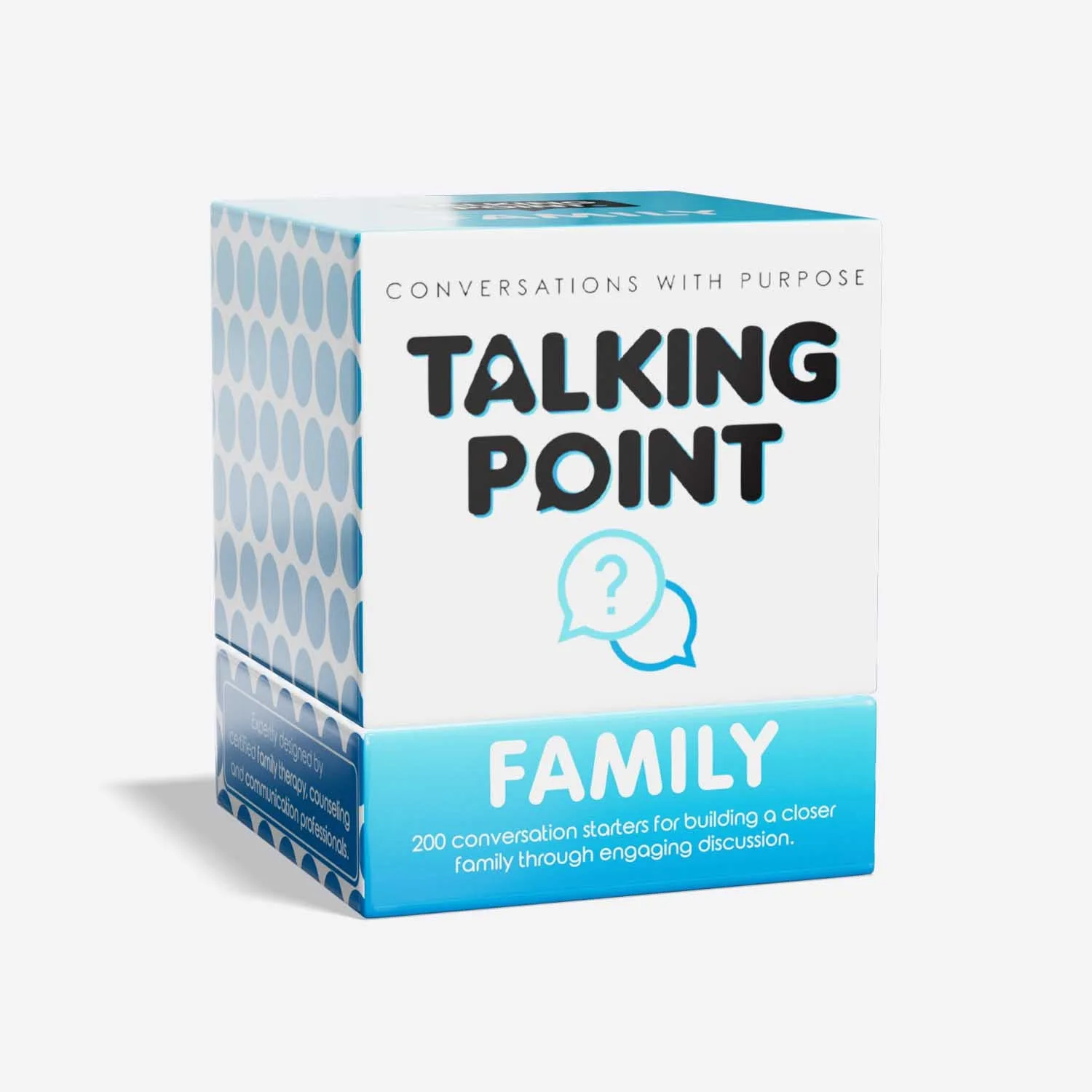
family
Diagnose why the clutter keeps coming back
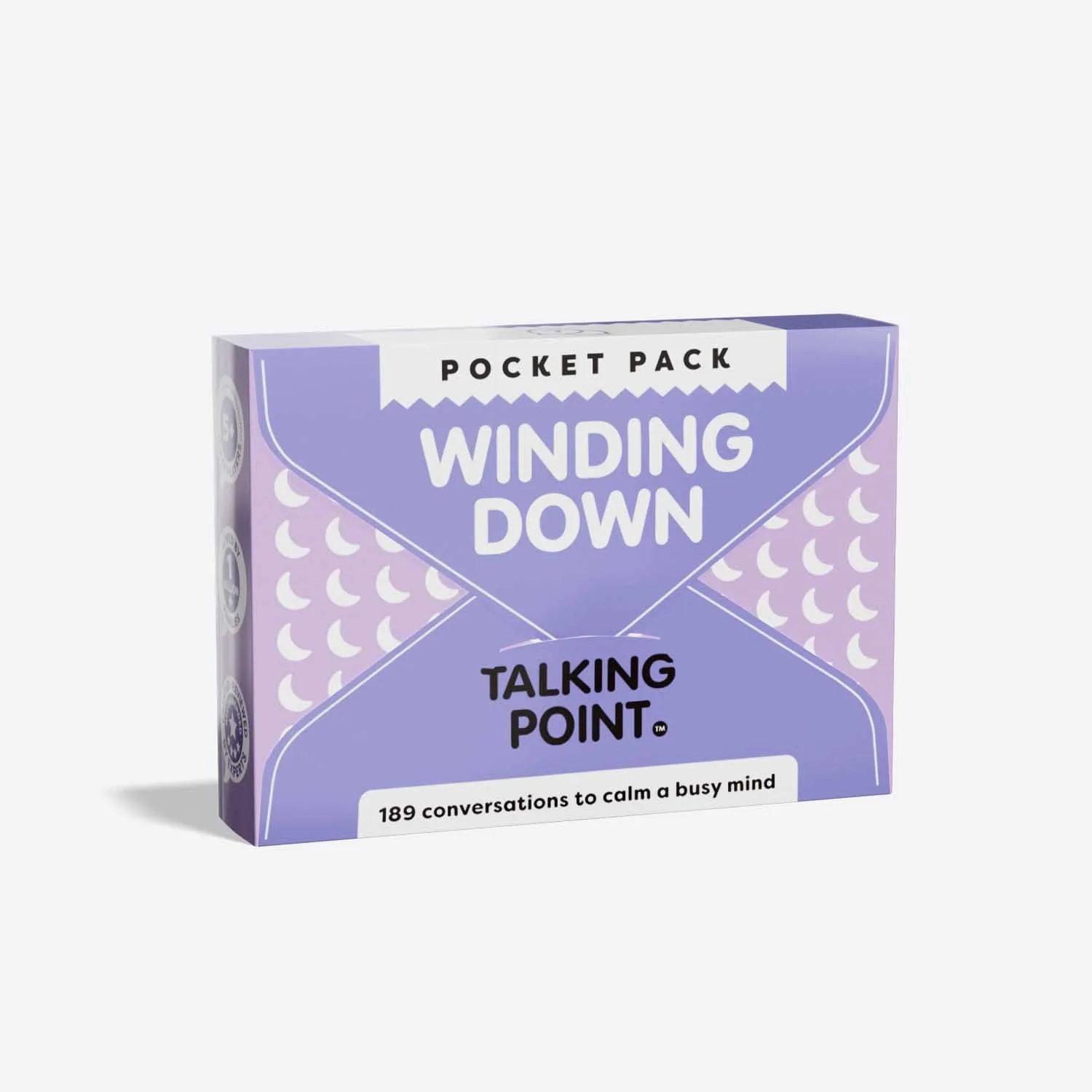
Most family decluttering stalls because the real problem is not the stuff. It is an unspoken disagreement about what the room is for. One person sees the living room as a play space; another sees it as a calm zone. Without a shared picture, every tidy-up is temporary. A conversation card gives you a structured way to surface that disagreement without turning it into a fight. The Winding Down Pocket Pack is built for exactly this kind of calm, reflective talk, with prompts that help kids and teens name feelings instead of defending piles.
Run a 20-minute family reset with cards
Pick one small zone, not the whole house. Put a conversation card in the middle of the floor. The person holding the card answers the prompt first, then passes it. While each person talks, others sort items into three bags: keep, donate, and belongs elsewhere. When the card comes back to you, switch to a new prompt only if the energy is still good. The card slows the pace enough that kids actually participate instead of hiding in another room.
- Set a visible timer for 20 minutes so the end is predictable.
- Use one card per zone, not per item, to avoid decision fatigue.
- Let the youngest person hold the card first so they feel in charge of their turn.
- If someone freezes on an item, put it in a 'maybe' box and move on.
Match the tool to the age and energy in the room
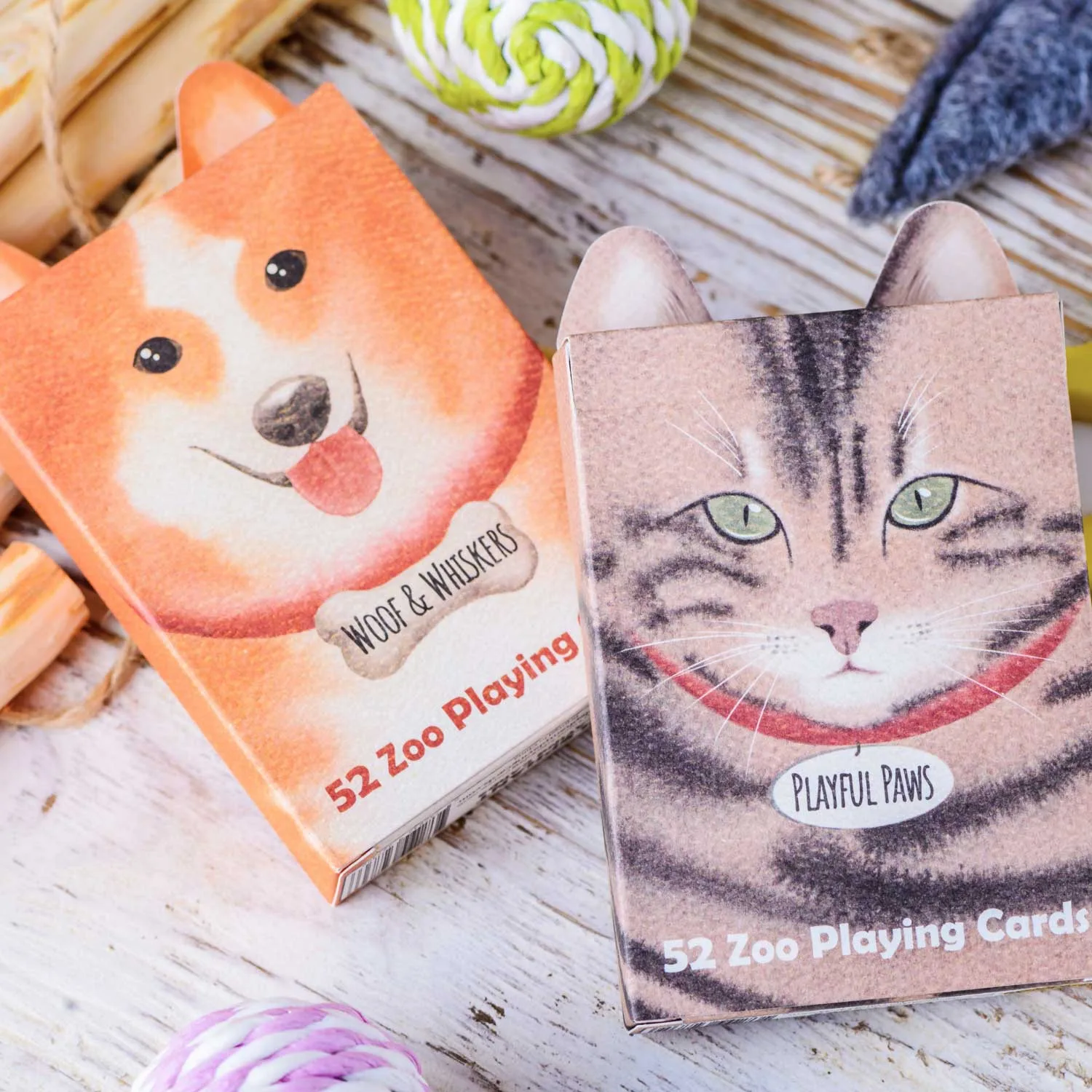
Younger kids often need movement before they can make decisions. The Kids Yoga Activity Cards give a two-minute stretch break that resets wiggly bodies without turning the session into free play. For teens, the Winding Down prompts work better because they invite reflection rather than commands. If your family needs a lighter entry point, the Zoo52 Deck can be used as a quick card game between sorting rounds, which keeps the mood cooperative instead of corrective. The point is not to use every product; it is to choose the one that matches the mood you want in the room.
When to stop and choose a different approach
Stop the session when someone has said 'I don't know' three times in a row, when voices are rising, or when the timer ends. Those are signals that the decision-making part of the brain is tired. Do not push through to finish a zone. Instead, close the bags, put the maybe box in a closet, and schedule the next 20-minute round for another day. If decluttering keeps failing after three honest attempts, the issue may be storage capacity or a shared-space agreement, not motivation. In that case, a family meeting about rules and shelf assignments will do more than another card prompt.
Clutter diagnosis: symptom, cause, fix, and stopping point
- Symptom: piles reappear within a week: The family tidies, but the same items end up back on the floor or table. The cause is usually no assigned home for the items, not laziness.
- Cause: no shared rule for what belongs in the room: Everyone has a different idea of what the space is for, so each person undoes the other's work. Use a conversation card to agree on one rule for the room before you sort anything.
- Fix: one zone, one card, 20 minutes: Choose a single small area, use a card prompt to guide talk, and sort into keep, donate, and relocate. Stop when the timer ends or when decisions start repeating. Schedule the next zone for another day.
Products that support a family reset
- Winding Down: Winding Down Pocket Pack features calming prompts designed to encourage relaxation, reflection, and open sharing of feelings. Use these prompts when the clutter problem is emotional or when kids need to name what feels overwhelming before they can let go.
- Kids Yoga Activity Cards: Kids Yoga Activity Cards include easy-to-follow poses that encourage movement, flexibility, and mindfulness in a playful way. A short pose break can reset restless kids so they can return to sorting without a meltdown.
- Zoo52 Deck: Zoo52 Deck is a vibrant, animal-themed playing card deck available in Dog or Cat themed styles or a 2 Deck option. A quick card game between sorting rounds gives everyone a mental break and keeps the session feeling like family time, not a chore.