Quick Answer
Choose decorative nails when you want a visible, durable trim line that can be removed or tightened later, and choose adhesive when the trim must stay invisible or the frame cannot take a nail. Nails win on holding power and repairability; glue wins on speed and on thin or delicate fabrics. If you are unsure, nail the visible edges and glue only the hidden returns.
Upholstery trim fails for one of two reasons: the fastener cannot hold the fabric, or the fastener shows where it should not. Decorative nails and adhesive split those jobs cleanly, and the right answer usually depends on whether you want the trim to be seen.
This comparison sticks to what each method actually does on real projects, including the tool choices that make or break the result. You will also see where a hybrid approach saves time without sacrificing the finish.
How Each Method Actually Holds
Decorative nails hold mechanically. Each nail passes through the trim and fabric into the frame, so the load is carried by the wood rather than by a surface bond. That makes nails the more reliable choice on pieces that get sat on, leaned against, or moved, and it means a loose nail can be tapped back into place instead of reworked.
Adhesive holds chemically. It bonds the trim to the fabric or frame surface, which works well when the trim is light and the surface is clean and stable. The trade-off is that adhesive strength depends on the substrate: dusty wood, oily vinyl, and stretchy fabrics all reduce the bond, and once the glue sets, repositioning usually means cleaning residue rather than pulling a nail.
- Test adhesive on a scrap of the same fabric before committing to a full trim line.
- On curved or padded edges, nails follow the frame while glue can lift at the curve.
Where Fabric Choice Changes the Decision
Tightly woven upholstery fabrics take nails cleanly because the weave resists tearing around the nail shaft. Loose weaves, lightweight silks, and embellished fabrics are more likely to pull or snag, so they often favor adhesive or a nail placed only along a reinforced edge.
Adhesive is the safer route on fabrics you cannot puncture without visible damage, and on trim that is decorative rather than structural. The limitation is that adhesive cannot compensate for a frame that flexes, so on a piece with movement, the bond may eventually release even if the initial application looks perfect.
- Reinforce a nail line with a strip of interfacing or webbing if the fabric feels thin.
- Never rely on adhesive alone for trim that will be gripped or rubbed.
Tools and Time: What the Job Really Requires
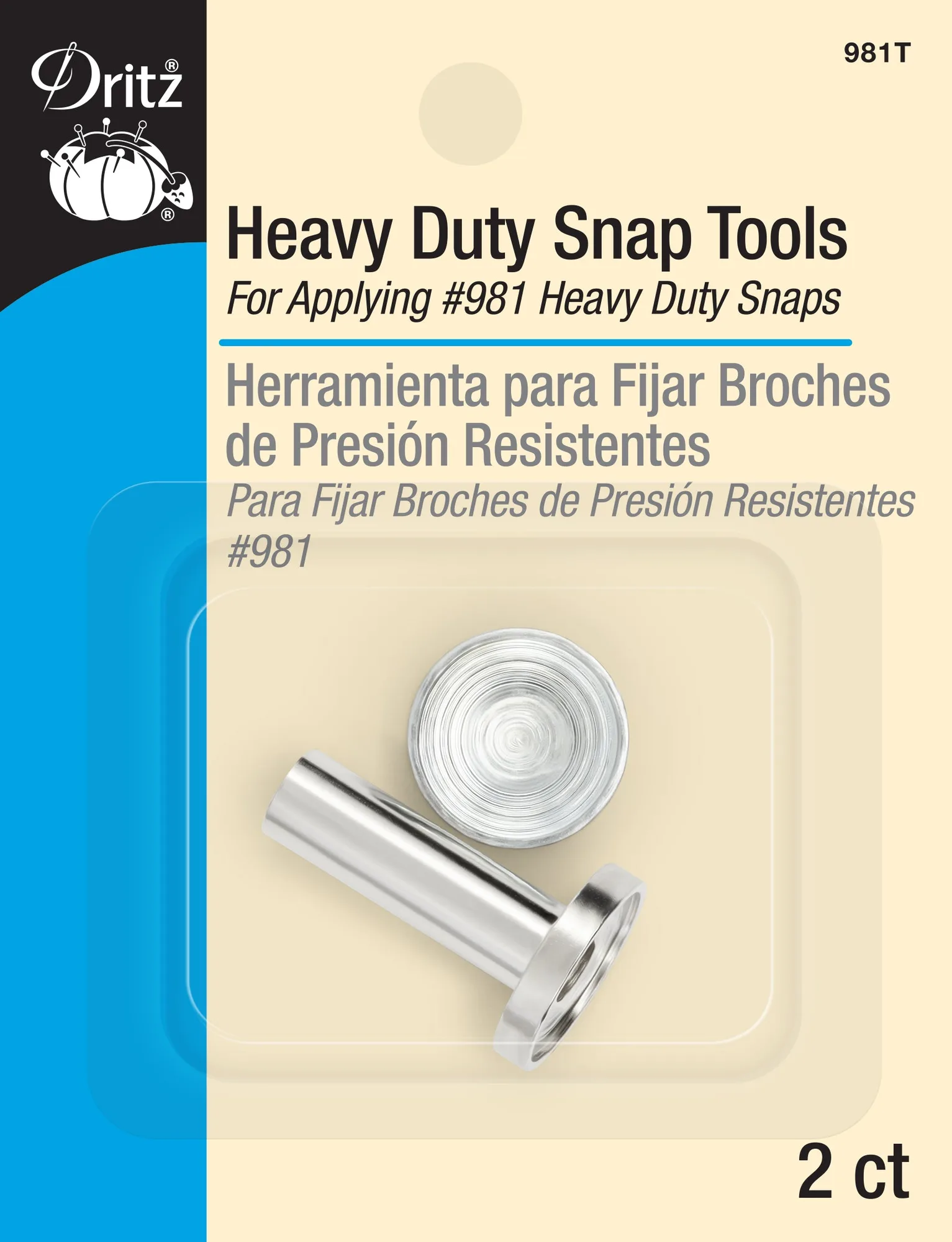
Nailing is a two-tool job done well: a snap or setting tool to seat the nail consistently, and a layout method to keep spacing even. The Dritz Heavy Duty Snap Tool is built for attaching #5 heavy duty snaps and #105 western snaps, and it is made of sturdy metal for durability, so it suits repeated trim work rather than a one-off repair.
Adhesive needs less equipment but more waiting. Clamps, weights, and cure time are part of the process, and a rushed cure is the most common cause of trim lifting later. If your project has a deadline, nails are usually faster to a finished look because there is no drying window.
- Mark spacing before you set the first nail; correcting a crooked line later is slow.
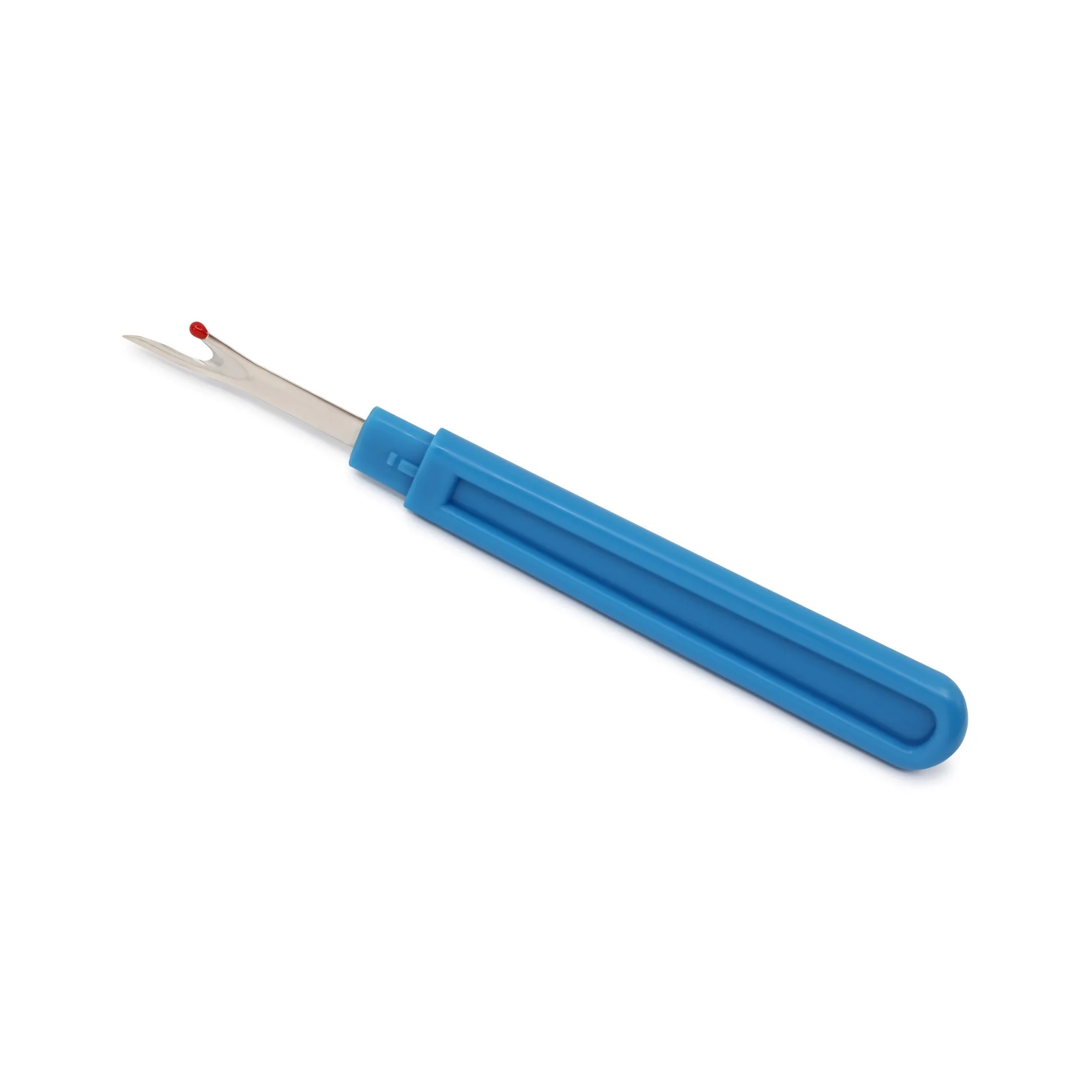
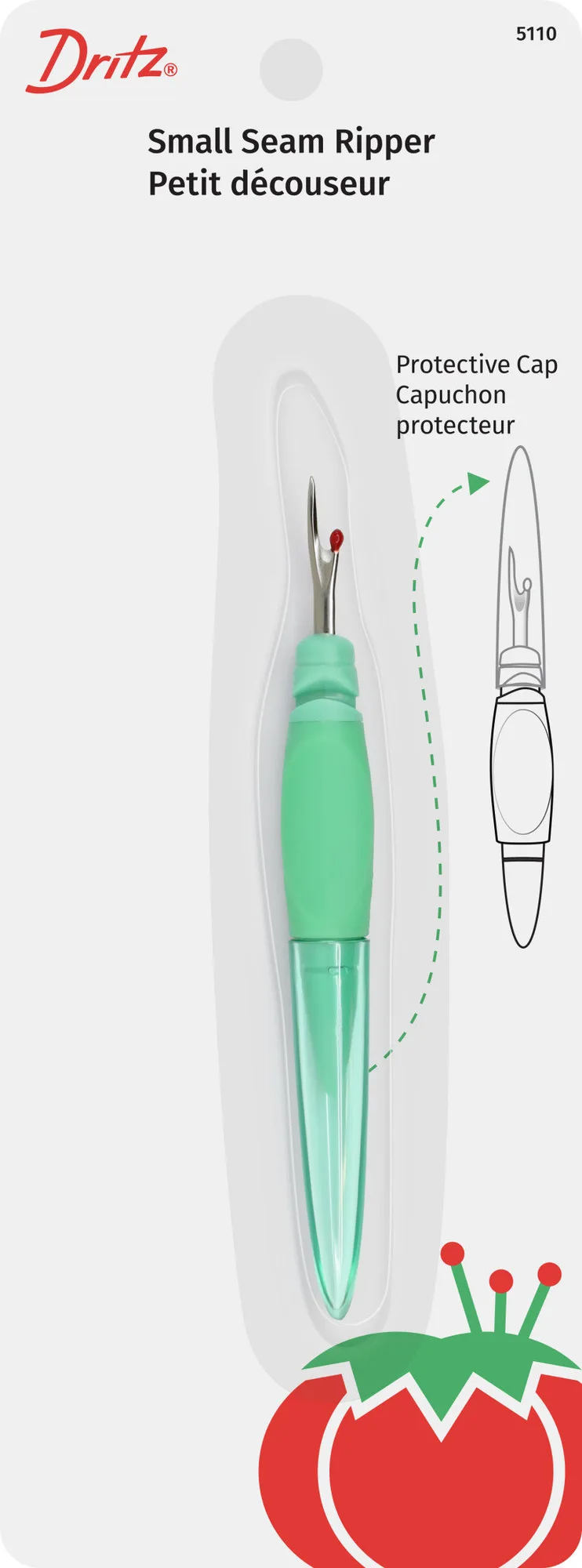
- Keep a https://prymamerica.com/products/dritznotseamripg-566a7bfbd0dff8b9402472aa-1316001seam ripper on hand for removing old trim or stitching before either method.
Removal, Repair, and Long-Term Wear
Nails are repairable. A loose nail can be reseated, and a damaged section can be removed without disturbing the surrounding trim. That matters on furniture that will be reupholstered again, because the frame is not compromised by the fastener.
Adhesive is harder to reverse. Removal often means solvent, scraping, and residue cleanup on both the trim and the fabric, and some bonds leave a mark that cannot be hidden. The upside is a clean, uninterrupted surface with no visible hardware, which is exactly what some designs need.
- Photograph your spacing before removal so reinstallation matches the original.
- If you may reupholster later, favor nails on visible edges.
Trade-Offs at a Glance
- Holding power: Nails carry load through the frame; adhesive depends on a surface bond that weakens on dusty, oily, or flexing substrates. Nails for structural trim, adhesive for decorative trim.
- Visibility: Nails are meant to be seen and become part of the design; adhesive disappears entirely. If the trim must be invisible, adhesive is the only option.
- Fabric risk: Nails can tear loose weaves and delicate fabrics; adhesive avoids punctures but can leave residue if removed. Match the method to the fabric, not the other way around.
- Time and repair: Nails are fast to finish and easy to reseat; adhesive needs cure time and is difficult to reverse cleanly. Choose nails when the piece may be reupholstered later.
Products That Support Each Method
- https://prymamerica.com/products/981t-5143682747bad2371b2d32f5-1315584Heavy Duty Snap Tools for Heavy Duty Snaps & Western Snaps: Made of sturdy metal for maximum durability, this tool attaches #5 heavy duty snaps and #105 western snaps and is designed to simplify snap application on lightweight and embellished fabrics. If your trim plan uses snap hardware or western-style nailheads, a dedicated setting tool keeps each piece seated consistently instead of relying on a hammer and guesswork.
- Large Seam Ripper-100 Ct: Item Number CW13; supplied as a 100-count pack. Trim changes usually start with removing old stitching or adhesive-bound edges, and a bulk pack keeps a ripper within reach at each workstation rather than one shared tool.
- 4" Tomato Pin Cushion, Black Button Print: The extra-large tomato measures 4-7/8" diameter by 2-7/8" height, with firm fill that grips pins securely, plus tape measure trim and a hanging strawberry. Laying out a nail line means pinning trim in place first; a firm, oversized cushion holds enough pins for a full furniture edge without constant refills.
Which Method Fits Your Project
Choose this when
- You want a visible nailhead or decorative nail line on a wood frame that can take hardware
- The trim sits on an edge that will be handled, sat on, or rubbed in daily use
- You may reupholster the piece later and want trim that can be removed and reseated
Skip this when
- The fabric is a loose weave, lightweight silk, or heavily embellished and cannot be punctured without damage
- The design requires an invisible trim line with no visible hardware
- The frame is thin, soft, or already weakened and will not hold a nail
Pick the method that matches the fabric and the frame, not the one that looks fastest. Nail visible edges where holding power matters, glue hidden returns where the trim must disappear, and the finished piece will hold up to real use.