Quick answer
Decorative nails are primarily for appearance: they add nailhead trim to furniture, headboards, and home decor, and they may or may not carry structural load. Upholstery tacks are primarily for holding: they secure fabric, webbing, and padding to a frame, though many are also decorative. Choose decorative nails when the look leads; choose upholstery tacks when the fabric must stay put. If the piece will be sat on or leaned against, use tacks for holding and reserve decorative nails for accent lines.
Walk down the upholstery aisle and you will see rows of small metal heads that look almost identical. The difference between decorative nails and tacks is not the shine; it is the job. Decorative nails finish a surface, while upholstery tacks fasten material to a frame. Confusing the two can leave a headboard looking trimmed but loose, or a seat frame overbuilt with hardware you did not need.
This comparison uses the hardware and tools available at Prym Americas to show where each type earns its place. You will see how holding power, head style, and installation method change the choice, and you will get a simple rule for planning nailhead trim types before you buy.
What each type is actually for
Decorative nails exist to be seen. They create nailhead trim along furniture edges, headboards, cornices, and craft panels. Their holding power varies by shank and material, so treat them as a finish detail first. If a decorative nail also grips, that is a bonus, not a guarantee.
Upholstery tacks exist to hold. They drive through fabric, batting, and webbing into a wood frame, and their heads can be left visible or covered. Because the tack carries tension, the fabric stays smooth and the padding stays in place. That structural role is the clearest difference between decorative nails and tacks.
- Use decorative nails where the surface is already stable and you want a finished edge.
- Use upholstery tacks anywhere fabric must resist pulling, stretching, or shifting.
Head style, size, and holding power
Head style drives the look. Domed, flat, and low-profile heads read differently on a curved chair back versus a straight headboard rail. Spacing matters too: a tight row looks formal, while wider spacing looks casual. The shank determines whether the nail bites into hardwood or only sits in soft material.
Holding power is where the choice gets practical. A tack with a longer, thicker shank resists pull-out better than a short decorative nail. For load-bearing areas such as a seat rail or a bench top, that difference decides whether the fabric stays tight after months of use. For a static panel, a shorter nail is often enough.
- Match head size to the trim line: smaller heads for delicate edges, larger heads for heavy frames.
- Test one nail in scrap material before committing to a full row.
Installation and tooling
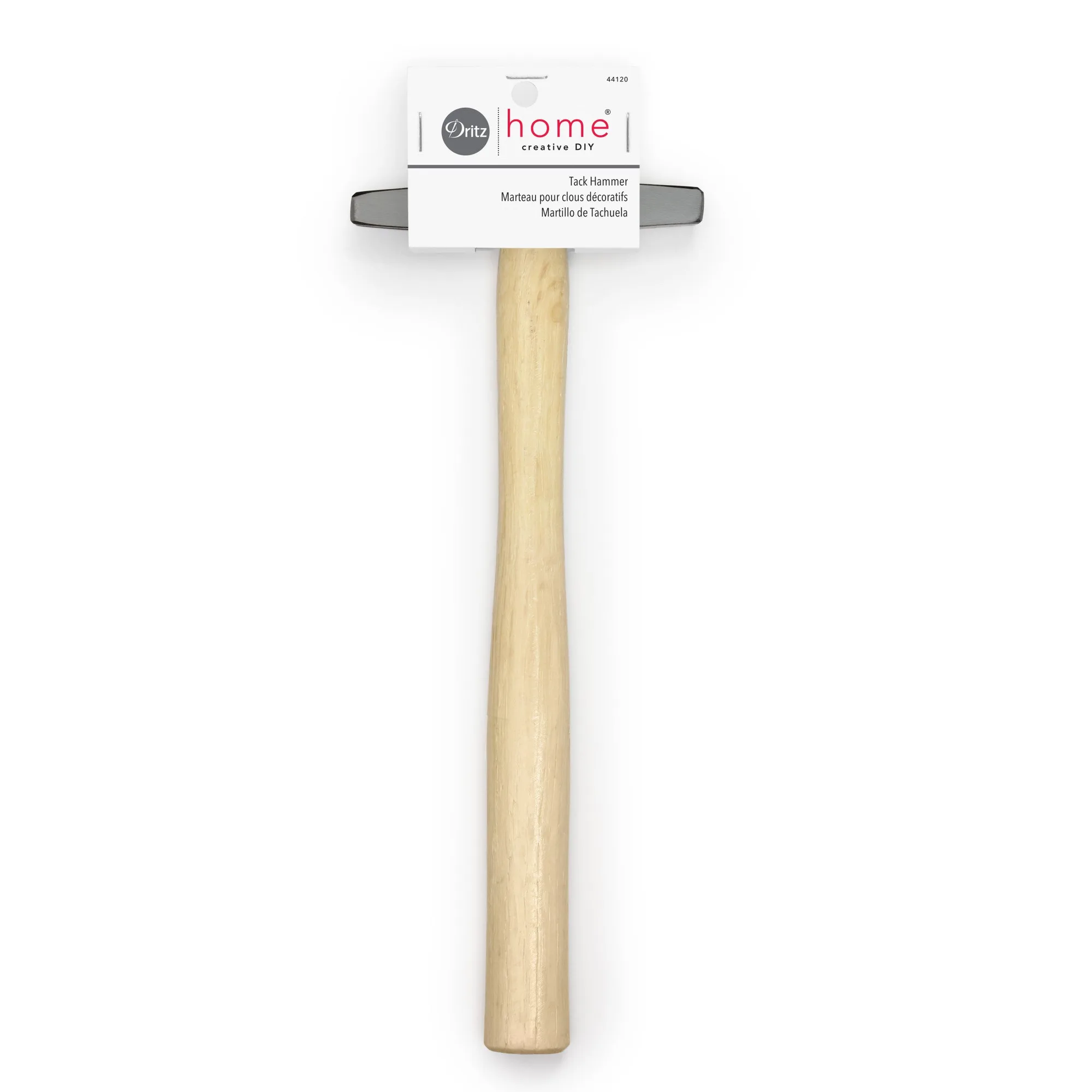
Decorative nails are usually set by hand with a mallet or a https://prymamerica.com/products/44120-cb0d93db390a1c00eecfd77d-1316609tack hammer, sometimes over a starter hole in hardwoods. Upholstery tacks are driven with a tack hammer or a staple-and-tack approach, and they need enough force to seat through fabric layers without crushing the head.
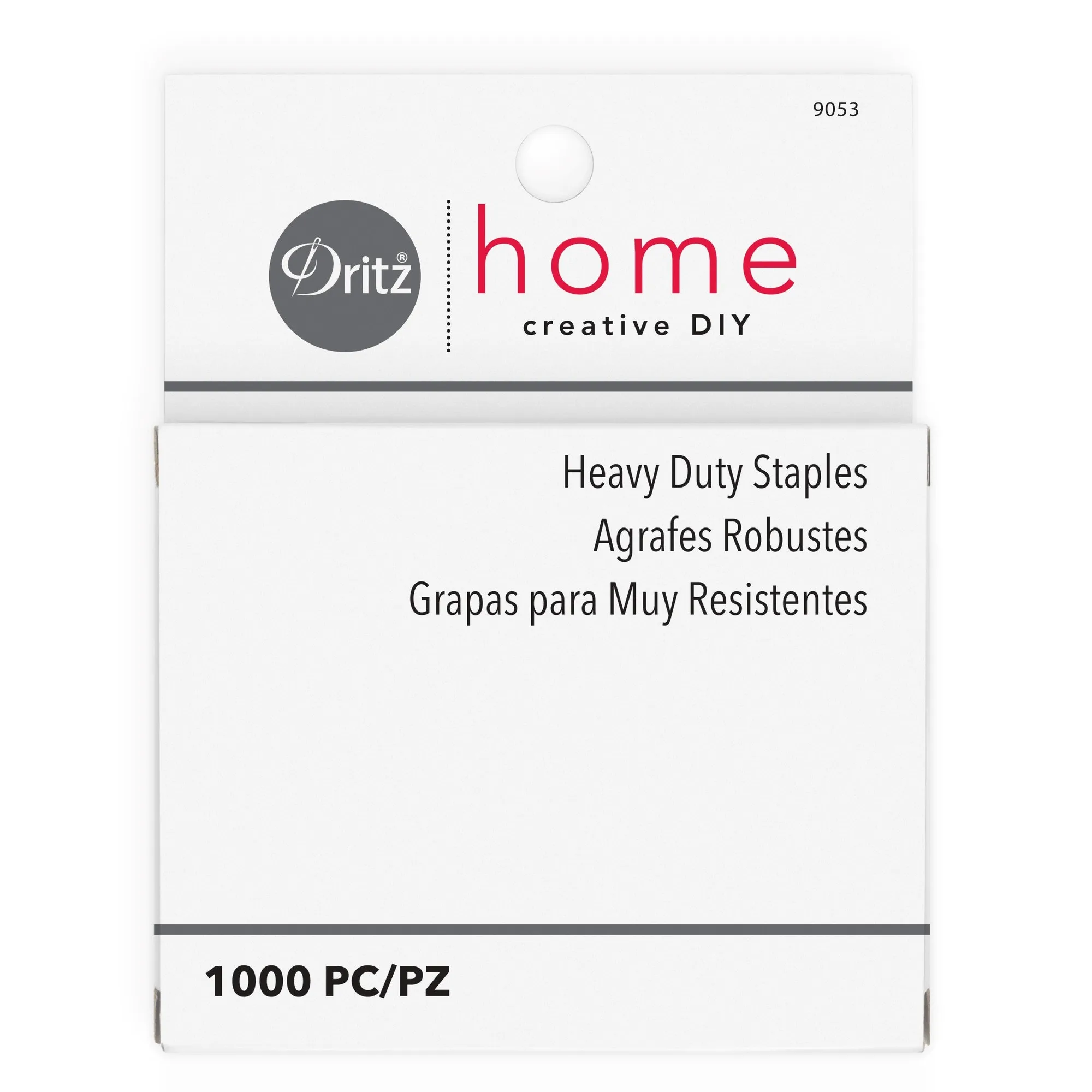
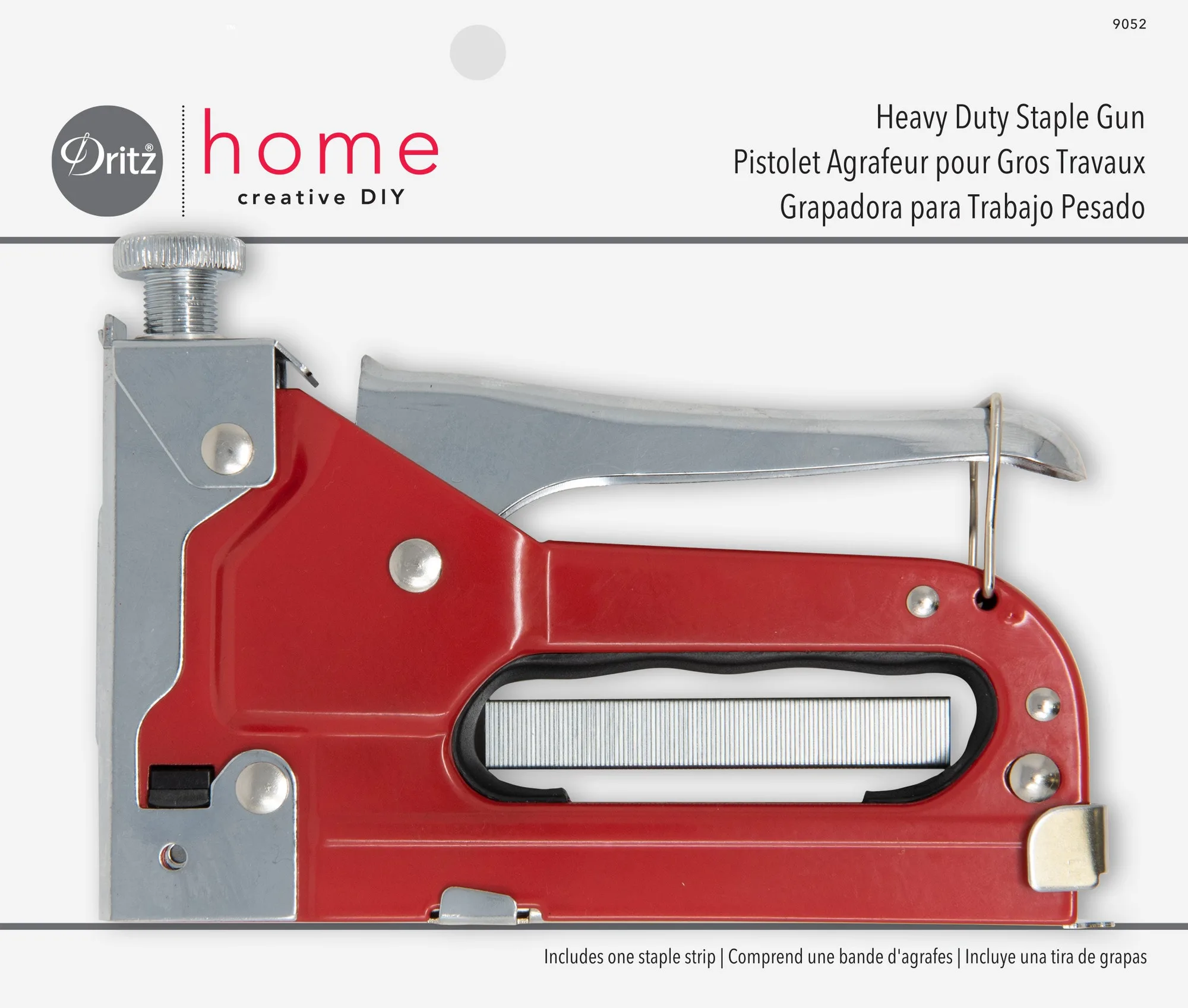
Some upholstery work uses a staple gun for the hidden structural hold, then decorative nails for the visible line. That combination is common on headboards and dining chairs. The Dritz https://prymamerica.com/products/9052-5d8dd050bef2ebc1e43074f4-1316577Heavy Duty Staple Gun Refills 7/16'' Pack of 1000 keeps that hidden layer supplied, so you can staple the fabric tight and still finish the edge with the trim you want.
- Keep a scrap block of the same wood on hand to test driving depth.
- If the fabric is thick, start with a small awl hole to prevent the weave from snagging.
Where each type fits in real projects
A headboard with a padded panel usually needs both: staples or tacks to hold the batting and fabric, then decorative nails along the border for the finished look. A shower curtain or tent that needs a reinforced hole is a different job entirely, and that is where grommets and tools take over from either nail type.
Small craft and home decor projects often call for decorative nails alone because the surface is rigid and the load is light. Garment and accessory work may use neither, relying on grommets for reinforcement instead. Matching the hardware to the load is what keeps the project from failing later.
- For a load-bearing seat or bench, plan the hidden hold first, then the visible trim.
- For a wall panel or decorative border, decorative nails alone are usually sufficient.
Trade-offs to weigh before you buy
- Look versus hold: Decorative nails prioritize appearance and may not carry structural load; upholstery tacks prioritize holding fabric and padding to a frame. If the piece will bear weight or repeated contact, start with tacks or staples, then add decorative nails.
- Short shank versus long shank: Short decorative nails set quickly and sit flush, but they pull out more easily in load-bearing areas. Longer tack shanks resist pull-out but need more driving force and can split thin wood. Match shank length to the material and the load, and test on scrap first.
- Hand-set versus tool-driven: Hand-setting decorative nails gives precise control for trim lines. Driving upholstery tacks or staples is faster for large hidden areas but requires a hammer or staple gun and steady pressure. Use hand-setting for visible trim and tool-driven fastening for hidden structure.
Hardware facts that affect the choice
- Heavy Duty Staples, 1000 pc: Dritz Heavy Duty Staple Gun Refills 7/16'' Pack of 1000 provides refill staples for the Dritz Heavy Duty Staple Gun. Use staples for the hidden structural hold on upholstery, then apply decorative nails or tacks as the visible finish. A 1000-piece pack reduces mid-project refill stops.
- 3/4" Black Braided Elastic, 3 yd: Dritz Braided Elastic is lightweight, slightly ribbed, narrows when stretched, and is used on necklines, sleeves, waistbands, and swimwear waistbands and leg bands. When upholstery or decor includes a stretch panel, this elastic is the right component; nails and tacks are not substitutes for stretch recovery.
- 3∕8" Grommets & Tools, 72 Sets: Dritz Grommets are rustproof and used for tents, shower curtains, backpacks, and duffel bags, and to reinforce holes and prevent fabric from fraying. For holes that must stay open and reinforced, grommets are the correct hardware; decorative nails and upholstery tacks would not serve that function.
Which should you choose?
Best for
- Decorative nails: finishing a stable headboard, wall panel, or furniture edge where the look leads.
- Upholstery tacks: securing fabric, batting, or webbing to a frame on seats, benches, and headboards that will be used.
- Both together: projects that need a hidden structural hold plus a visible nailhead trim line.
Not for
- Decorative nails alone on a load-bearing seat or bench where fabric must resist pulling.
- Upholstery tacks where you need a stretch panel; use elastic instead.
- Either type where the job requires a reinforced open hole; use grommets and tools.
The difference between decorative nails and upholstery tacks comes down to purpose: one finishes, the other fastens. Choose tacks or staples for the hold, decorative nails for the look, and combine them when a project needs both. Test your choice on scrap material before you commit to the full piece.