Quick answer
Choose the refill pouch if you already own a Dedtergent bottle, want less plastic per use, and have a small storage footprint. Choose the full bottle if you are new to Dedtergent, prefer a ready-to-pour container, or value the lowest upfront cost. For most households, the refill pouch wins on waste and long-term cost, but only after the first bottle purchase.
How the two formats differ in practice
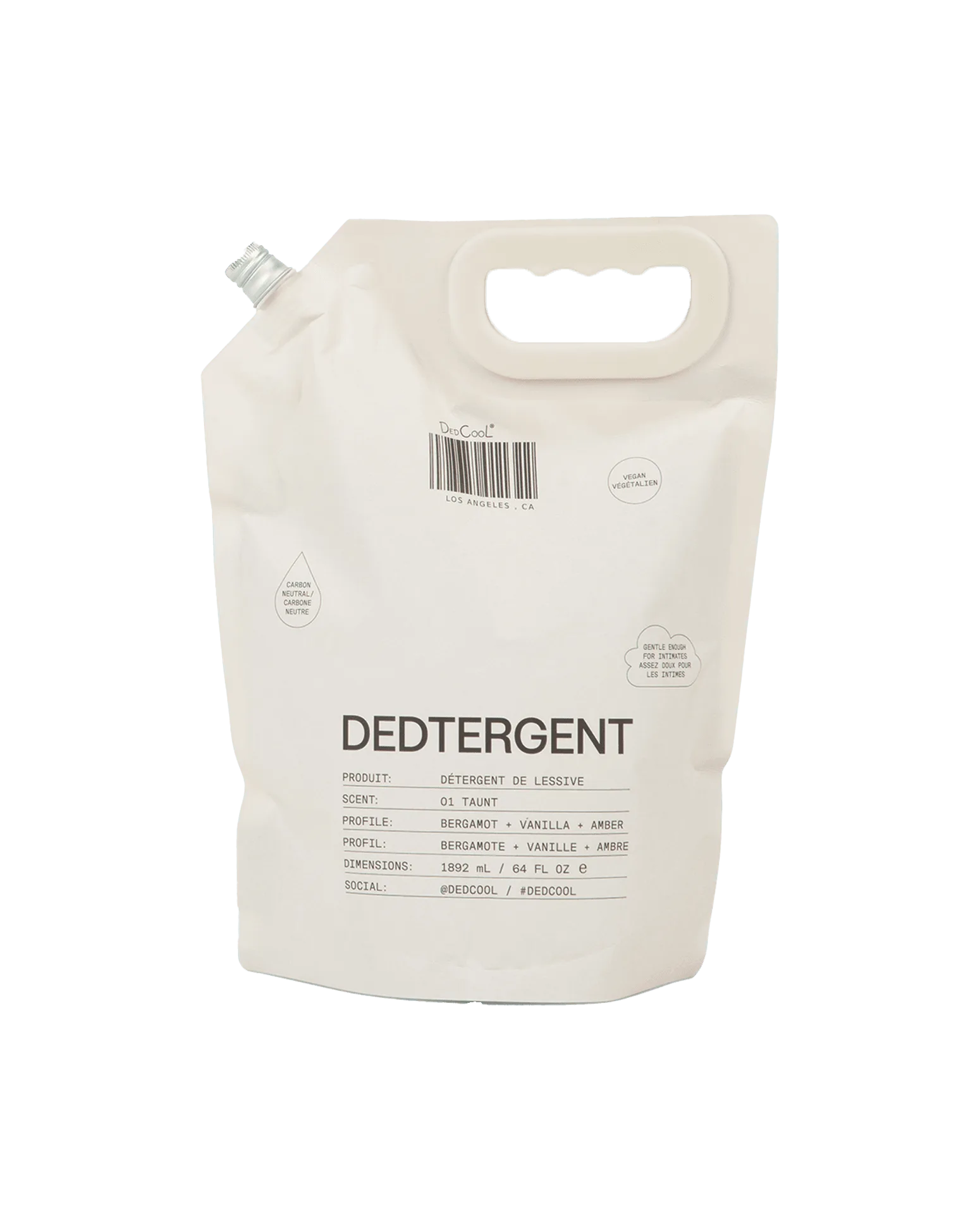
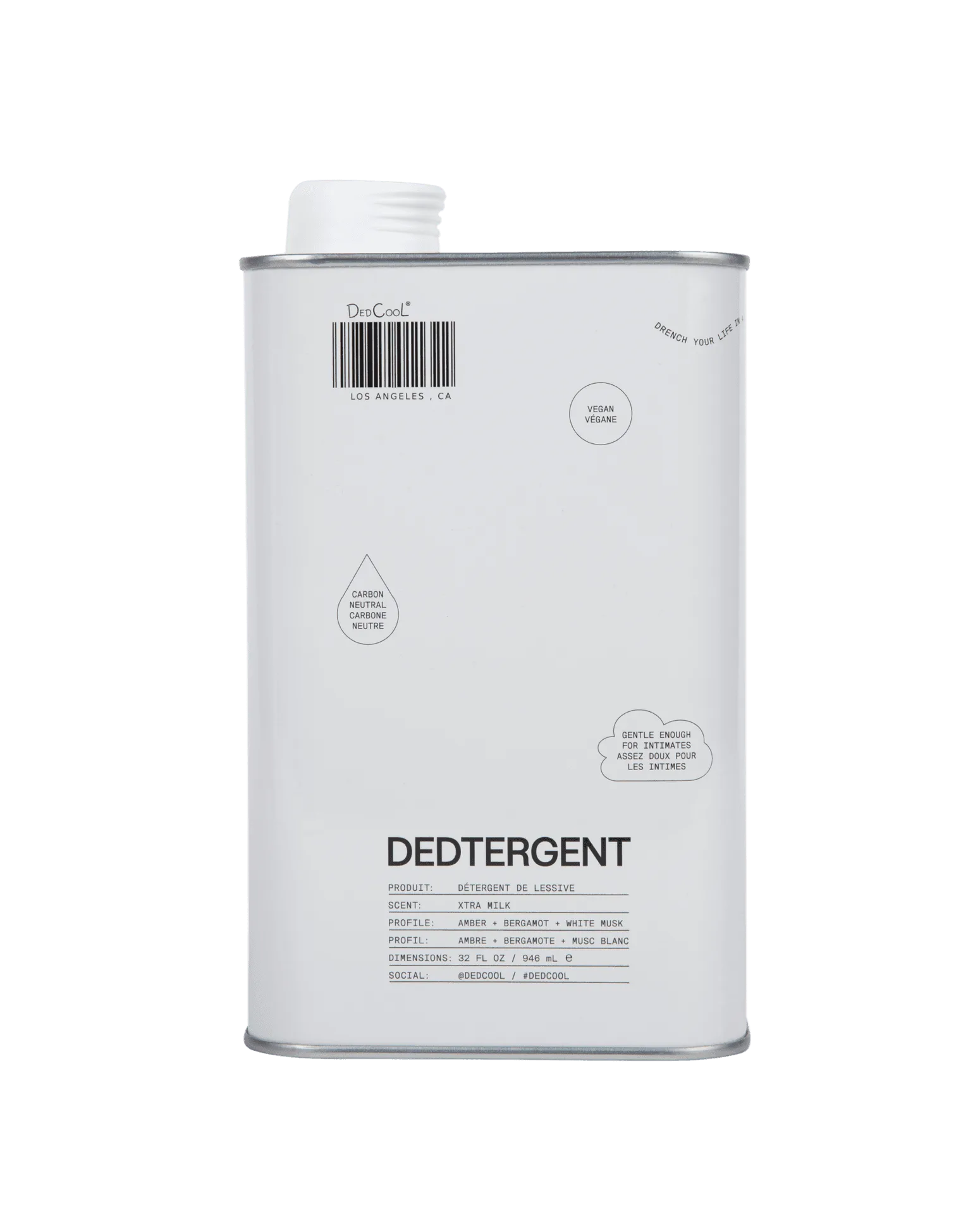
A Dedtergent refill pouch is a flexible, lightweight container designed to refill your existing bottle. A full bottle is a rigid, ready-to-use container that includes the packaging and dispensing hardware. The pouch uses less material because it does not need a rigid shape or a pump, which is the main reason it reduces plastic waste per wash. The bottle, however, is what you actually pour from, so it remains part of the system either way. The refill only makes sense if you keep and reuse that bottle.
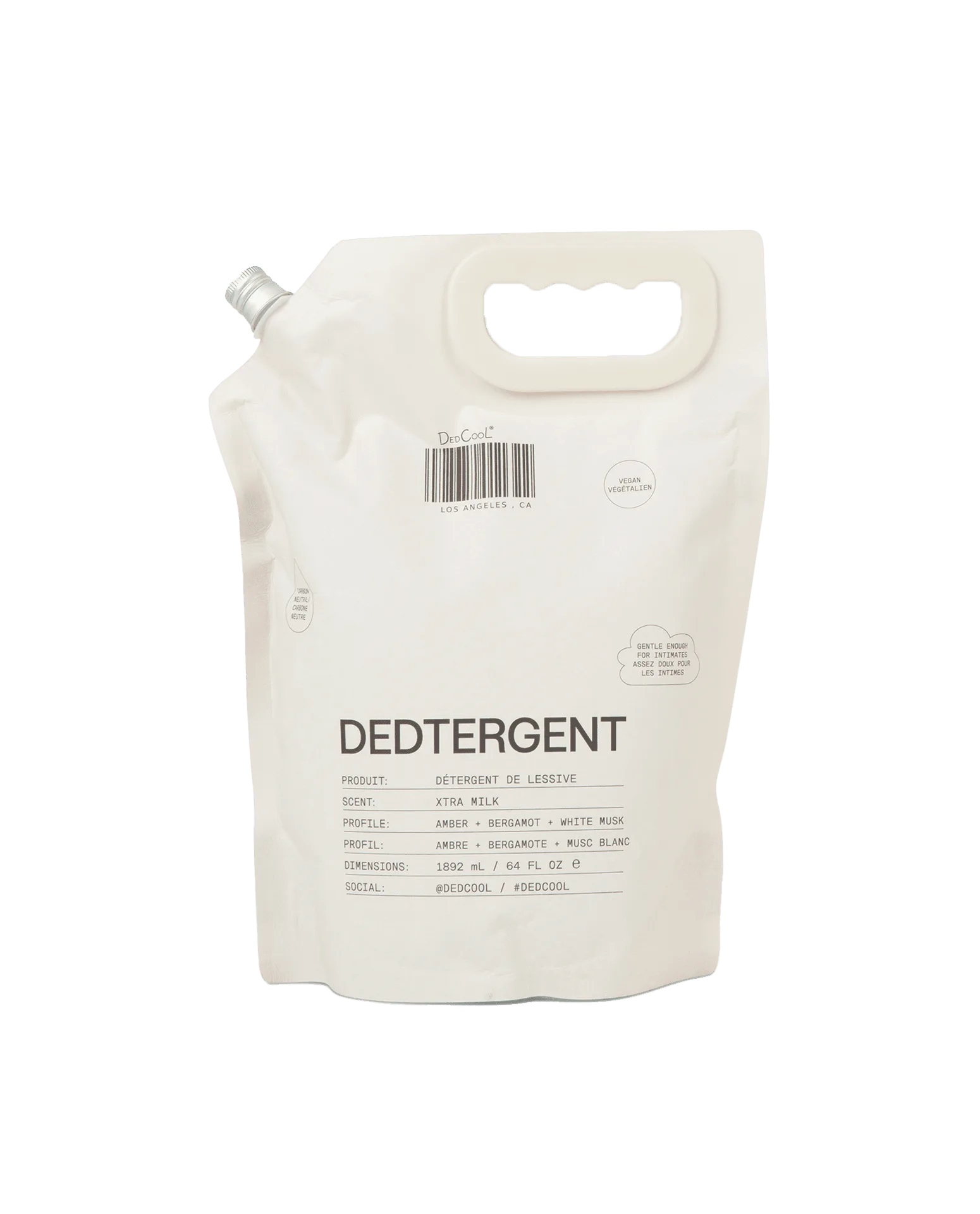
Dedtergent refill
Cost per load: what actually changes
Refill pouches typically cost less per ounce of detergent than full bottles because you are not paying for a new rigid container or dispenser. But the true cost per load depends on how much detergent you use per wash. If you tend to overpour, any format becomes expensive. Measure with the cap or a marked cup. If you already have a bottle, switching to refills is the simplest way to lower your cost per load over time. If you are starting fresh, the first bottle is an unavoidable purchase, so factor that into your comparison.
Storage and handling: pouches are not always easier
Pouches take up less shelf space when unopened and can be squeezed into tight cabinets. But once opened, a pouch is floppy and can tip over. It also needs a stable spot while you pour. A bottle stands on its own and is easier to use one-handed. If you have limited counter space or shaky hands, a bottle may be more practical despite the extra plastic. For pouch storage, keep it upright in a bin or a small caddy, and avoid stacking heavy items on top. Do not transfer the pouch contents into an unlabeled container unless you are sure of the dilution ratio.
Waste and recycling: the honest trade-off
Refill pouches use less plastic overall, but they are often made of mixed materials that may not be recyclable in curbside programs. Rigid bottles are more widely accepted by recyclers, but they require more energy to produce and transport. Neither option is zero-waste. The biggest reduction comes from reusing the same bottle many times and buying refills in the largest size that fits your storage. If your local recycling accepts pouches, that helps, but check before assuming. The most effective step is simply to use less detergent per load and run full loads when possible.
How to switch without wasting product
When your bottle is nearly empty, pour in the refill rather than mixing old and new if the scents differ. Rinse the bottle only if you are changing scents and the residue bothers you. A quick swish of warm water is enough; you do not need soap. Let it dry before refilling to avoid diluting the detergent. If you are switching from another brand, finish that bottle first or store it separately. DedCool's refill format is designed for the matching bottle, so using a different brand's bottle may affect pouring and measurement.
Decision rules for refill vs bottle
- If you already own a Dedtergent bottle: Buy the refill pouch. You avoid paying for a new rigid container and reduce plastic per load. Keep the bottle, rinse it only if changing scents, and refill when dry. Refill is the default choice for existing bottle owners.
- If you are buying Dedtergent for the first time: Start with a full bottle or a mini size. You need a bottle to pour from, and a mini lets you test the scent and cleaning before committing to a larger format. First purchase should be a bottle or mini, not a refill.
- If storage space is tight or you have limited hand strength: A bottle stands upright and pours one-handed. A pouch needs support and can tip. Choose the bottle if ease of pouring matters more than plastic reduction. Practical handling can outweigh waste savings for some users.
- If your main goal is reducing plastic: Use refills in the largest size your storage allows, and reuse the same bottle as many times as possible. Check local recycling for pouch acceptance before assuming. Refills reduce plastic, but reuse frequency matters most.
- If you want the lowest upfront cost: A mini size or a bundle with a lower comparison price can reduce initial spend, but check the cost per load. Bundles often include multiple items you may not need. Compare total cost, not just the sticker price.
Products that fit this decision
- Mini Dedtergent 01 "Taunt": Mini Dedtergent 01 "Taunt" is a compact laundry care solution with a catalog price of USD 8.96 (comparison price USD 14.00). A low-commitment way to try the Dedtergent formula before buying a larger bottle or refill.
- Hand Wash Refill Xtra Milk: Hand Wash Refill Xtra Milk is a refill format for the Hand Wash Xtra Milk bottle, formulated with a mild, plant-based cleansing base. Shows the refill model in a different product line: you keep the original bottle and replenish it, which cuts waste and usually costs less per use.
- Laundry Day Set: The Laundry Day Set is a curated bundle centered on the Laundry Day scent, priced at USD 57.42 (comparison price USD 87.00). A way to get multiple laundry-scented items at once if you want a coordinated routine rather than buying each piece separately.
Who should choose which
Choose refill pouch if
- You already own a Dedtergent bottle and want to reduce plastic waste.
- You have a dedicated spot to store a pouch upright and can pour carefully.
- You want a lower cost per load over time and buy in larger sizes.
Choose full bottle or mini if
- You are new to Dedtergent and do not have a bottle to refill.
- You prefer a rigid container that stands on its own and pours one-handed.
- You have very limited storage and cannot keep a pouch upright.