Your Kuhn Rikon cookware is an investment in quality, designed to last for generations with proper care. But even the best Swiss engineering can fall victim to burnt-on food, stubborn stains, and discoloration over time. Whether you've scorched a pot while multitasking or noticed your favorite pan losing its luster, knowing how to deep clean your cookware is essential.
In this guide, we'll walk you through safe, effective methods to remove stains and burnt food from your Kuhn Rikon pots and pans, including stainless steel and non-stick surfaces. You'll learn how to restore your cookware's shine without harsh chemicals or abrasive scrubbing that could damage the surface. Let's bring your kitchen essentials back to their former glory.
Why Deep Cleaning Matters
Regular dishwashing removes everyday residue, but deep cleaning is necessary to tackle buildup that can affect your cookware's performance. Burnt food particles can create hot spots, causing uneven cooking, while stains from minerals in water or acidic foods can be unsightly. Over time, neglect can lead to corrosion or damage to the non-stick coating, reducing the lifespan of your pots and pans.
Kuhn Rikon's premium materials, such as their multi-layer stainless steel, are designed to withstand rigorous cleaning, but only when done correctly. Using the right techniques ensures your cookware remains in top condition, ready to deliver perfect results every time. Plus, a clean pan is more hygienic and enhances the flavor of your dishes.
- Prevents buildup that can cause uneven heating
- Maintains the integrity of non-stick coatings
- Keeps your cookware looking as good as new
General Cleaning Tips for Kuhn Rikon Cookware
Before diving into deep cleaning, it's important to establish a regular cleaning routine. After each use, allow your cookware to cool slightly before washing. Use warm, soapy water and a soft sponge or cloth. Avoid steel wool or abrasive pads, as they can scratch the surface. For stainless steel, dry immediately to prevent water spots.
For stubborn residue, soak the pan in warm, soapy water for 15-30 minutes. This loosens food particles without scrubbing. If you have a non-stick pan, avoid using cooking sprays, as they can leave a sticky film that's hard to remove. Instead, use a small amount of oil or butter.
- Always cool cookware before washing to prevent warping
- Use non-abrasive sponges to protect the surface
- Dry immediately to avoid water spots on stainless steel
Removing Burnt Food from Stainless Steel Pots
Burnt food on stainless steel can be intimidating, but it's easy to remove with common household items. Start by filling the pot with warm water and adding a few drops of dish soap. Place it on the stove and bring to a gentle simmer for 10-15 minutes. The heat will help loosen the burnt particles. Then, use a wooden or silicone spatula to gently scrape away the residue.
For tougher burnt-on food, create a paste using baking soda and water. Apply it to the affected areas and let it sit for 15 minutes. Then, scrub gently with a soft sponge. Rinse thoroughly. If stains persist, try using a mixture of equal parts water and white vinegar. Boil it in the pot for a few minutes, then wash as usual.
- Simmer soapy water to loosen burnt residue
- Use baking soda paste for stubborn spots
- Vinegar solution helps dissolve mineral deposits
Dealing with Stains on Stainless Steel
Stains on stainless steel can result from high heat, minerals in water, or cooking acidic foods like tomatoes. To remove these discolorations, use a specialized stainless steel cleaner or make your own with a small amount of olive oil and baking soda. Apply the paste, rub in the direction of the grain, then rinse and dry.
Another effective method is to use a slice of lemon or a cloth dipped in white vinegar. Rub the stained area, then wash with soap and water. For stubborn rainbow-colored stains caused by overheating, a commercial stainless steel cleaner like Bar Keepers Friend can be used, but always follow the manufacturer's instructions and test on a small area first.
- Always clean in the direction of the metal grain
- Lemon and vinegar are natural stain removers
- For severe stains, use a dedicated stainless steel cleaner
Caring for Non-Stick Kuhn Rikon Pans
Kuhn Rikon offers several non-stick lines, such as the Allround series, which require special care. Avoid using metal utensils and abrasive cleaners, as they can scratch the coating. For routine cleaning, use warm soapy water and a soft sponge. If food sticks, soak the pan in warm water before washing.
To remove stubborn residue from non-stick surfaces, make a paste of baking soda and water and gently rub it with a soft cloth. Rinse thoroughly. Avoid using cooking sprays, as they can leave a residue that's difficult to remove. Instead, use a small amount of oil or butter. With proper care, your non-stick pans will remain effective for years.
- Never use metal utensils on non-stick surfaces
- Baking soda paste works gently on stubborn spots
- Avoid cooking sprays to prevent residue buildup
Deep Cleaning Your Cookware with Natural Solutions
For a thorough deep clean, consider using natural ingredients that are safe for both your cookware and the environment. One effective method is to fill the pot with water, add a few tablespoons of baking soda, and boil for 10 minutes. This helps remove stubborn stains and odors. Then, wash as usual.
Another option is to use a mixture of salt and lemon. Sprinkle salt on the stained area, then rub with a lemon half. The abrasive action of the salt combined with the citric acid of the lemon effectively removes discoloration. Rinse and dry thoroughly. These natural methods are not only effective but also budget-friendly.
- Boiling baking soda water lifts stubborn stains
- Salt and lemon create a natural abrasive cleaner
- These methods are eco-friendly and safe
Maintaining the Shine of Your Cookware
After deep cleaning, you want to keep your cookware looking shiny. For stainless steel, a quick polish with a soft cloth and a small amount of olive oil can restore its luster. Apply a few drops to the surface and buff gently. This also helps protect against future stains.
For non-stick pans, avoid polishing with oil, as it can leave a residue. Instead, simply dry thoroughly after washing. To prevent water spots, dry with a soft towel immediately. Regular maintenance will keep your Kuhn Rikon cookware looking as good as the day you bought it.
- Polish stainless steel with a little olive oil
- Dry non-stick pans immediately to prevent spots
- Regular maintenance prevents buildup
Products That Make Cleaning Easier
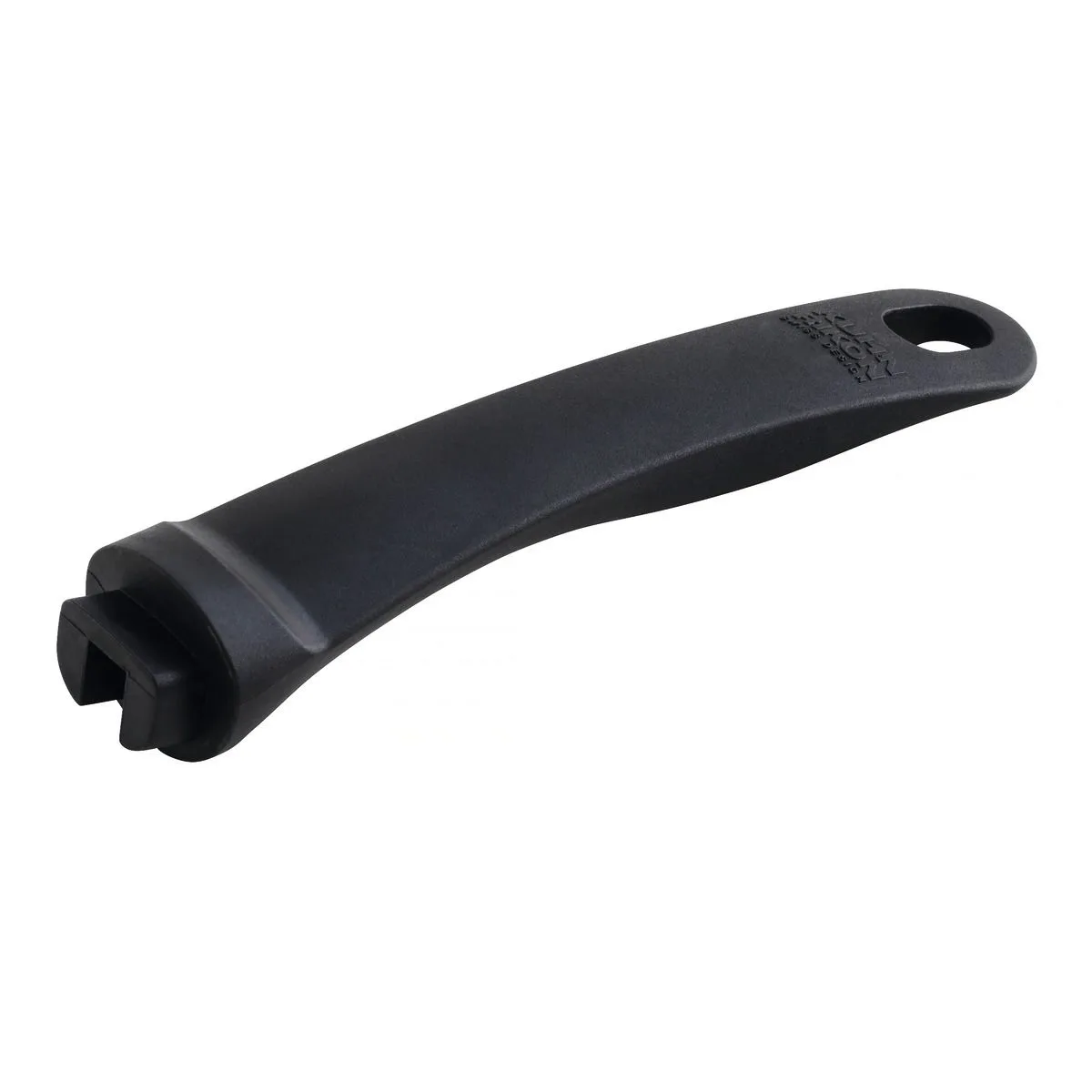
Kuhn Rikon offers a range of accessories that can help you maintain your cookware. For example, the Bratpfannen Stiel ergonomisch lang ohne Tülle/Schraube is a replacement handle that ensures a comfortable grip while cleaning and cooking. Additionally, the COLORI® couvercle en verre · Ø 18 cm is a glass lid that allows you to monitor your cooking without lifting, reducing the chance of boil-overs and messes.
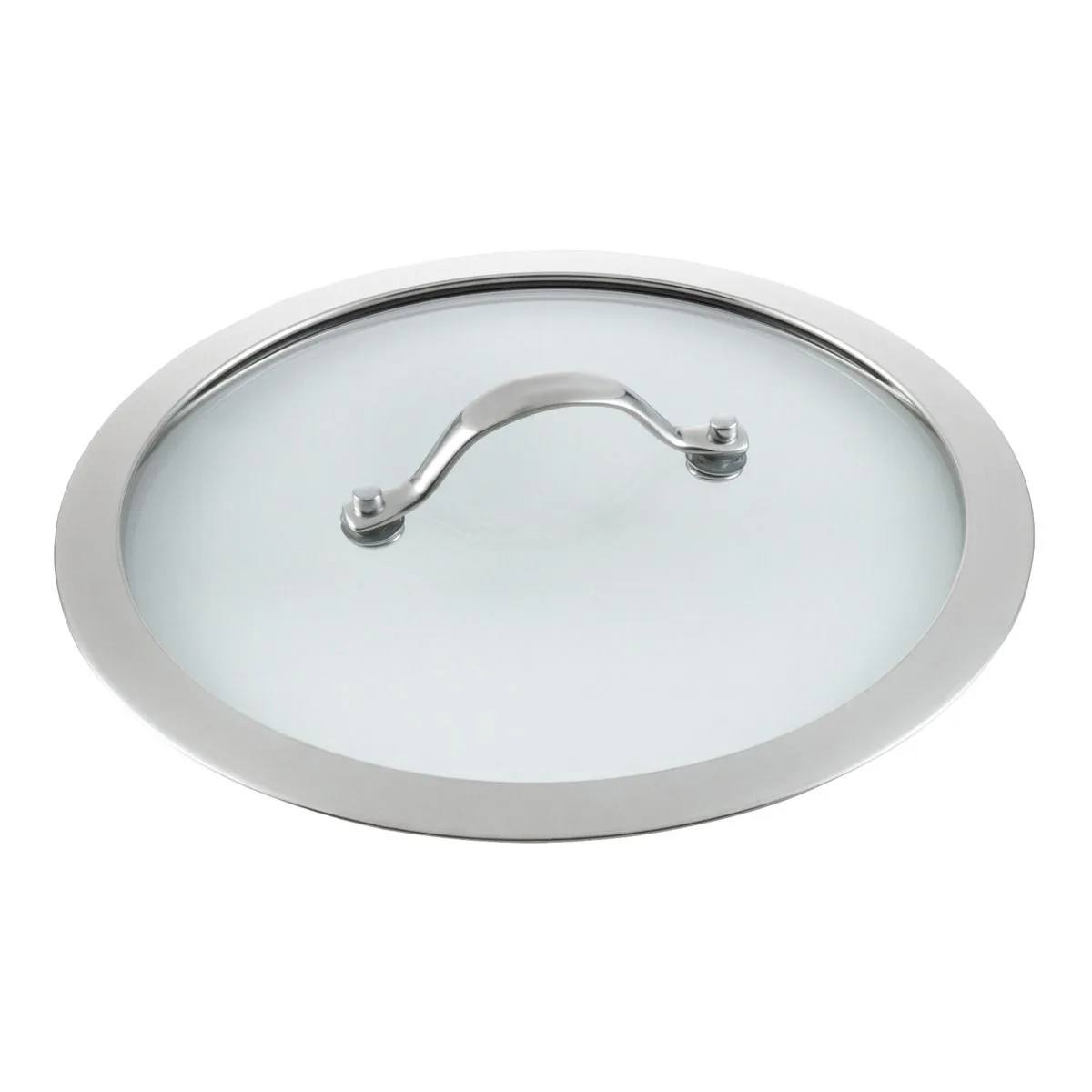
COLORI® couvercle en verre · Ø 18 cm
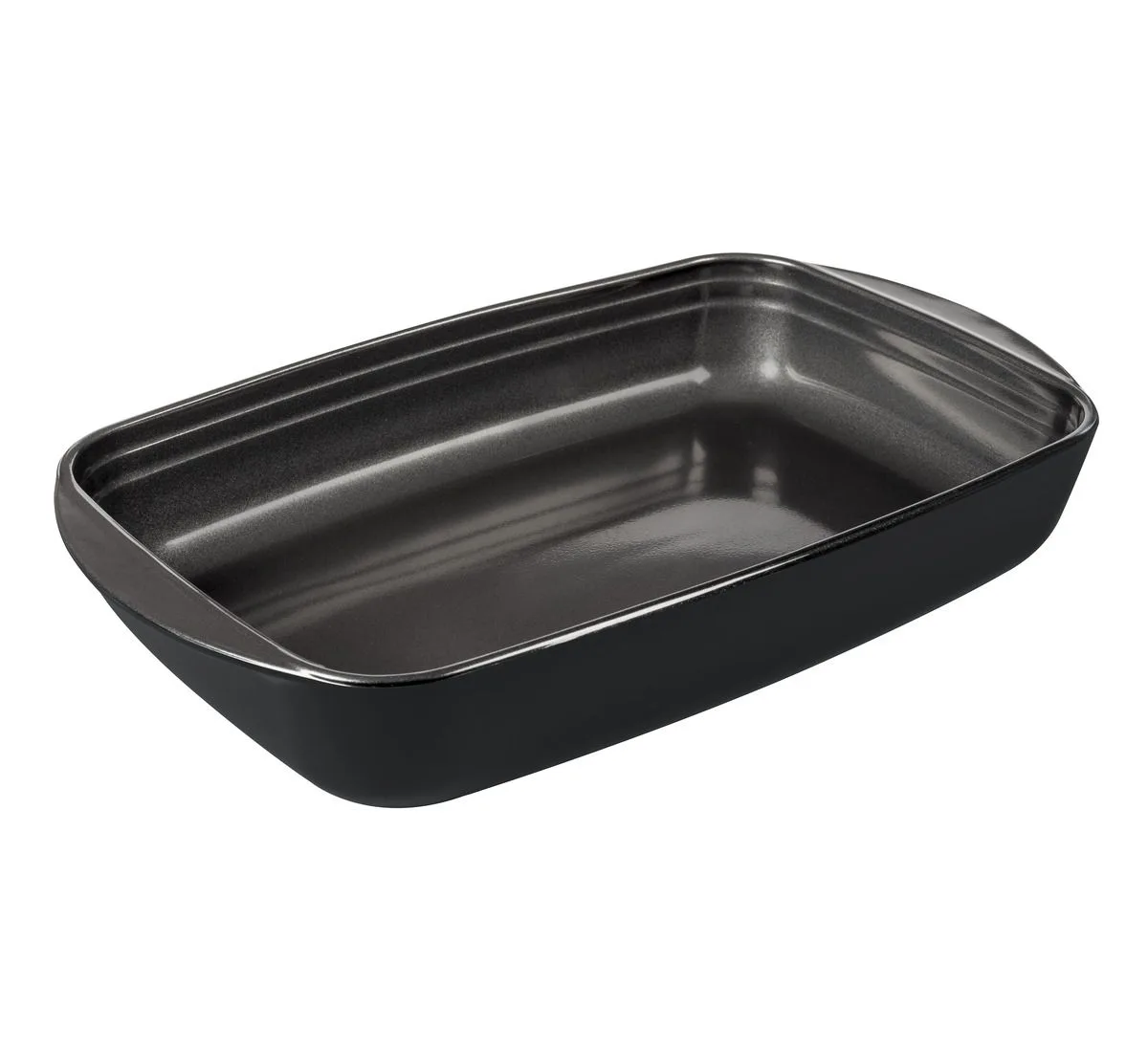
Investing in quality accessories like the EASY Glas Ofenform beschichtet gross can also make cleanup easier, as its coated surface resists sticking. While these products aren't directly for cleaning, they help prevent buildup in the first place, making your deep cleaning sessions less frequent.
- Comfortable handles make cleaning easier
- Glass lids prevent boil-overs and mess
- Coated bakeware resists sticking
Deep cleaning your Kuhn Rikon cookware doesn't have to be a chore. With these simple, effective methods, you can remove stains and burnt food without damaging your investment. Regular maintenance and using the right techniques will keep your pots and pans looking and performing beautifully for years. Explore our range of accessories to make your cooking and cleaning experience even better.